Thursday, July 2, 2026
Home Blog Page 5

Gemma Dunleavy: “Community to me means soil”

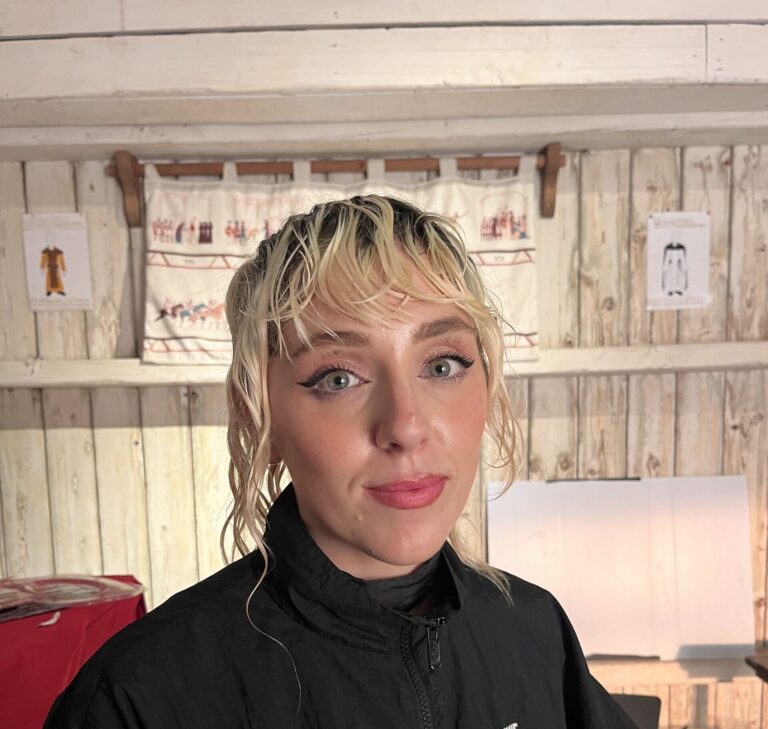
You know when you hear Gemma Dunleavy sing about local and international injustices and her upbringing in Dublin’s north inner city that she means it deeply. The singer from Sheriff Street who rose to prominence with 2021 hit song ‘Up De Flats’ loves her community, is firmly rooted in it, and she spoke recently to Changing Ireland.
Her community has been constantly under pressure, most recently from gentrification, and her description of what community means to her should be included in community development textbooks:

“Community to me means soil. The soil that my roots are planted in – to me is my community. It’s something that holds me tight, that gives me my sense of identity and places me somewhere in this mad world.

“It’s so important for me to nourish and keep that community and to let it feed back to other people, because I wouldn’t be who or where I am without my community. My community has faced much neglect and discrimination over the years.

“Community to me is the people within that place that literally, you know, kept the place warm with their hands, when it was basically a ***hole, when the government gave us no support. The community, the women in the area mostly, built up strong pillars around us to keep us all safe from the neglect and the discrimination we were getting from outside. So community for me is so important,” said Gemma.

She explained why community means so much to her: “I got it from my family, from my community; we grew up in each other’s pockets. I grew up with my neighbours as (much as with) my nannies and my aunties.”

Many artists focus on their origins and Gemma is among the best of them.

“My music was always kind of about my area. The very first video I put out was to do with my area, and the struggle we faced. And I never wanted to do that, it was just like, me thought was, ‘I’ll put this out, and then I’ll move on to the music’, because that didn’t feel like music to me, because it was, it felt like a breath I had to release, you know what I mean? I’m still in that process of trying to get it off my chest. I don’t feel like I have a choice in that.”

Terence Wheelock’s family still seek answers 20 years on

She distinguishes between people with a stage to speak from and those who feel they have no voice – and she had advice for people who feel alone.
“Right now, I’m speaking from a point of privilege because I have a stage to stand on and I can tell a hundred, or a thousand, or ten thousand people sometimes, what the issues are. But it can be really hard, especially when you’re going against the grain and when you feel like your voice isn’t important, or you don’t have a platform.

“It can be very disheartening when you’re on your own and don’t feel like you’re heard. When you’re in that position the best thing to do is find like-minded people and get together. A group only takes two people. And if you have two people you can go and do something, whether that’s writing a letter to your local councillors, or creating a support group in the community,” she said.

Her experience shows that communities such as hers are often taken for granted.

“You see what happens in areas like ours is – developers and stuff come in, councillors, people in the government come in, and we have put plants in meetings where we have actively heard the government and councillors who aren’t for our area say, ‘Oh you’ll get away with planning permission here, because they don’t know anything’.

She knows what people should do.

“The first thing you do is educate yourself. Form a group and educate one another. If you’re sitting at home thinking – ‘The state of this place, but I can’t really just go and do stuff on my own and become an activist – like who do I think I am’ – you don’t need to be out fighting on the picket line. Start up something, whether it’s a knitting group, a walking group –something with people from the area. Maybe it’s tidying the streets once a week, something to get the people together, because you feel stronger then and you feel you have something worth fighting for.

“Anything that enriches or nourishes your community is going to give you strength and power, and they are things that people can’t take away. Money can’t take away that and that’s what we really need to be doing – getting together and doing things together that make us all stronger and make our communities worth fighting for,” she said.
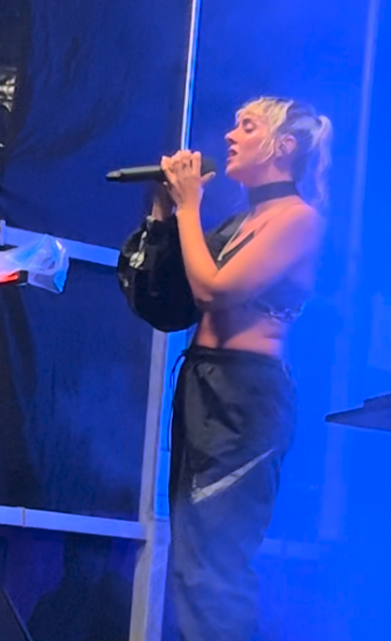
While she feels that artists have a duty to speak up, at the same time she believes artists should not feel obliged to take on issues.

As she sang onstage in Limerick, “The fight for truth and justice is everywhere. The moment we relax and get comfortable and let the people in power walk all over us sets the precedent that these ****s can do what they want. And we can’t let that happen.”

In our interview after the show, she said, “I feel that as artists we have a duty to use our platform, but I also don’t want every musician or artist to feel they have to make their art about that. They don’t. Make art what you feel inside your belly, but if you’re really taking in what’s around you, it’s hard for that not to come out.

“If you can find a way to make your art encapsulate a cause that you’re serious about, then that’s amazing. But it is hard to do that. You don’t want people just getting up on stage and feeling like they have to talk about something that they’re not aware of, or they might not be educated enough on it.
“But getting together with causes, such as playing at a local event – you’re being there (matters),” she said.

She stressed that she would never want to make someone feel bad for choosing not to become involved in social justice campaigns. At the same time, there’s no fooling her.

“I can smell, a mile away, when someone’s being authentic or not. When you’re from an area like Sheriff Street, you can smell a rat a mile away,” she said.
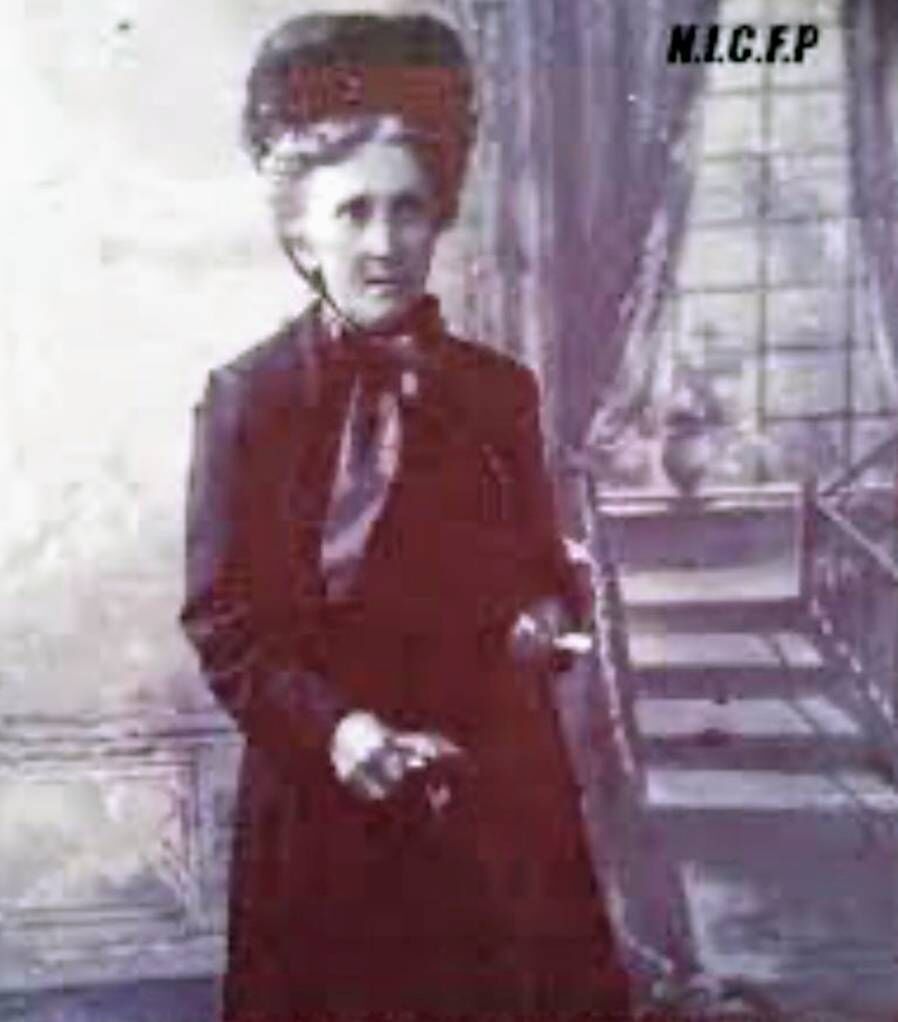
Granny Dunleavy, the midwife of Monto. Picture: North Inner City Folklore Project

Her family includes heroes who inspire her every day.

“Me heroes would be me two nannies. One was Mary. My other nanny’s name was Darky. I grew up sitting around the kitchen table with them yapping and talking and they really had a strong sense of justice in them,” she said.

Going back one generation further, Gemma spoke about a famous relative who saved countless lives.

“Me great-grandmother Theresa Dunleavy was an incredible woman. She was called ‘The Midwife of the Monto’, she was basically famous there,” said Gemma. Mrs. Dunleavy’s unpaid work serving the most marginalised women of her era was locally renowned at the time, but has only in recent years begun to be recognised by historians.

As Gemma explained, “She became an honorary midwife in The Monto. The Rotunda has a plaque to her, because she delivered so many babies and saved so many women. She (also) saved many women from sex work and she rehomed babies. She was Ireland’s first sex educator without ever going to college or learning anything. So she’s my hero too. I can’t let what she fought for die.”

Her grandmother was one of the very few women to stand up to brothel keepers and the authorities and to stand by women when at their most vulnerable. As Gemma remarked, “I’m very lucky to have those roots and that purpose in me.”
Social Enterprise: Tralee trainees get kickstart serving coffee

0

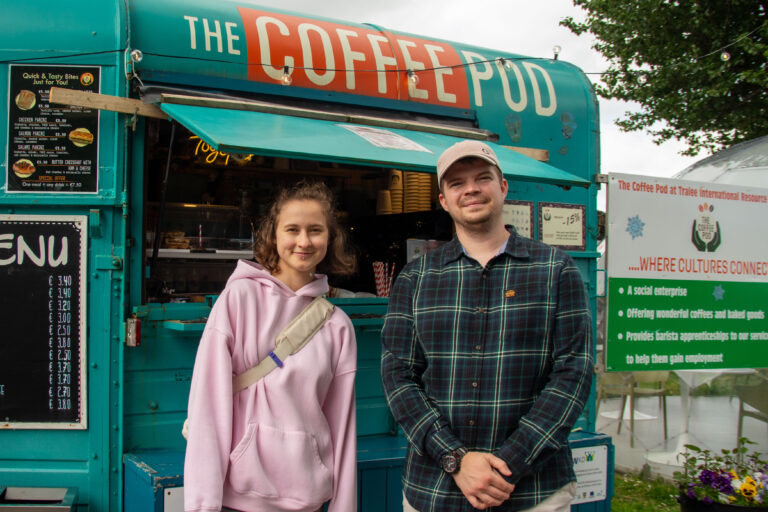
The food truck is run by Tralee International Resource Centre and it provides training opportunities to asylum seekers and refugees such as Dariia Asieieva. With her life upended after the Russian invasion of Ukraine, Dariia found that working at the Coffee Pod helped her to make a new start.

Now a business student, Dariia said that her 48 hours of training at the Coffee Pod really helped.

“It was shortly after I came to Ireland and it really helped to improve my English, to improve my communication and to integrate in Ireland,” she said.

It helped her to meet people from diverse backgrounds and many countries.

“You come and make friends, you learn how to speak to clients. The barista supervising me was Ukrainian and that made it easier for me. It’s a really interesting experience to talk with people of different nationalities, languages and cultures,” she said.

Two aims: Work and Integration

Mary Carroll is the manager of Tralee International Resource Centre and she said the Coffee Pod supports a number of other initiatives such as a drop-in centre and English classes.

“The Centre has been there for about 16 years and our whole aim is to support integration in Tralee. We support asylum seekers, refugees, whoever is in the international community, to help them build a new life in Tralee.”

She said that, as a social enterprise, the Coffee Pod has two aims.

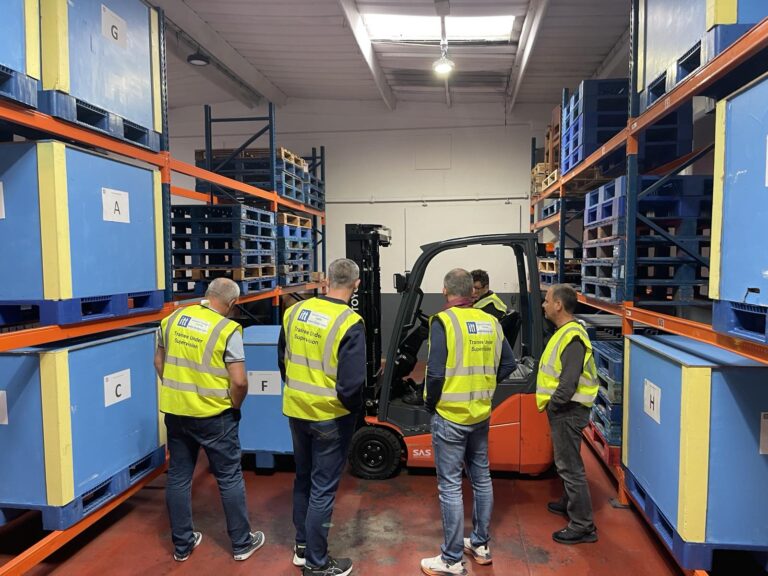
“One – we are training people so that they can get jobs. Nearly all people want to work and sometimes the blocks are that they don’t have work experience or they don’t have training. We provide barista training, manual handling, customer service, and we give them work experience in the Coffee Pod. They see what an Irish workplace is like. Also, they can maybe get a reference from us as well, and we support them to find work.

“The second thing is that it is really good for integration; in fact it’s one of the best things we have ever done. It’s like integration in action. The local people coming to get a coffee and some food are getting served by someone from Ukraine or Sudan and there’s that interaction happening. People who might never meet someone from another country are getting a real experience and we’re finding that it has become very much like a community hub in Tralee, for international and local interaction.”

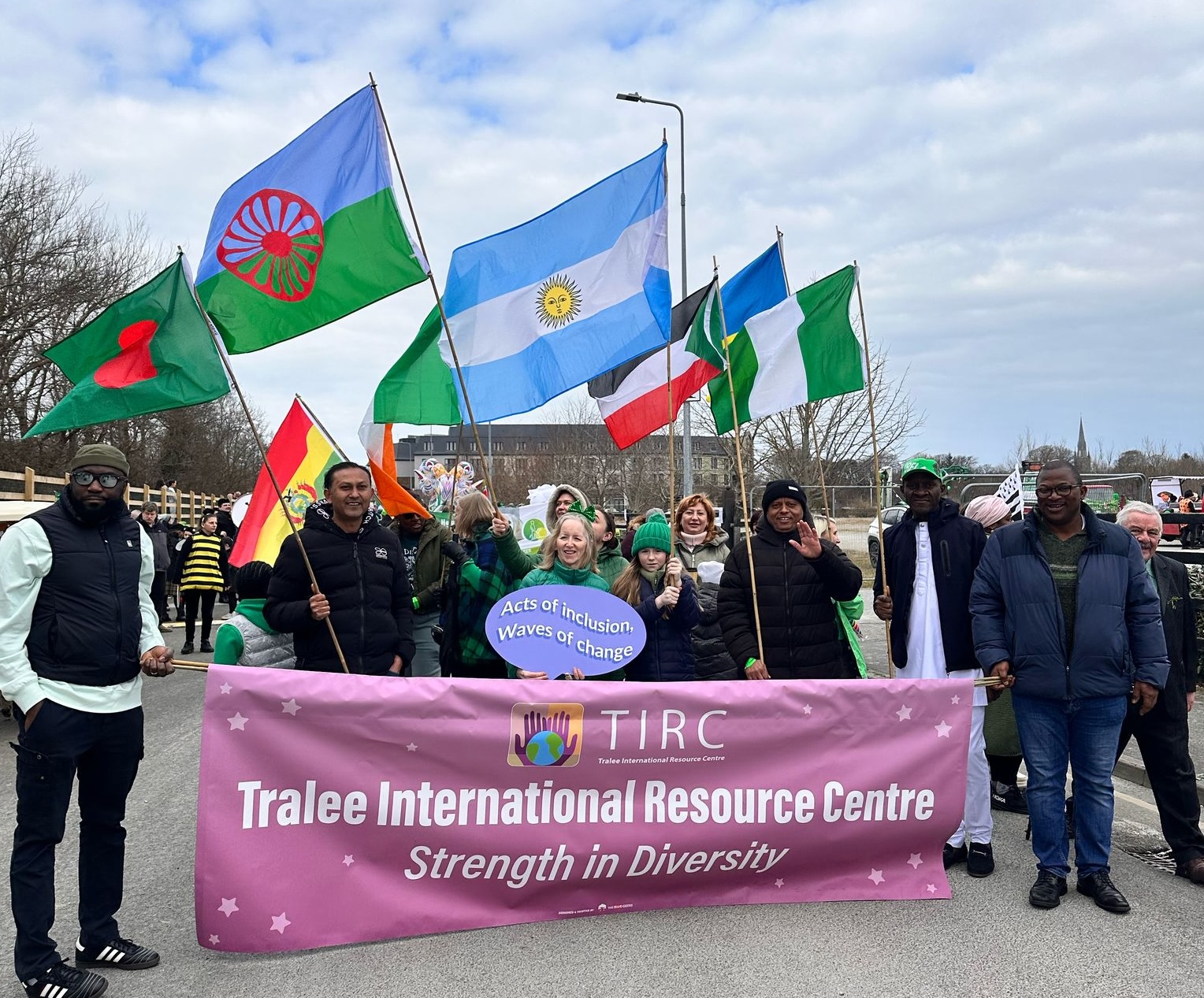
• Mary Carroll (centre – holding the Acts of Inclusion sign) with others from Tralee International Resource Centre marching in the St Patrick’s Day parade in Tralee.

Fancy Coffee in a Converted Horsebox

The Coffee Pod itself is quite a simple facility.

“It’s a horsebox basically, a real horsebox converted,” said Mary.

When it came to choosing a coffee brand, they were much fussier.

“We went for Cloudpicker coffee – it’s really only in a few places in Ireland. The company behind it has a very good ethos, they support integration and refugees. It tied in nicely. We do home-baking; at the moment a Ukrainian lady is baking for us. We wanted this to be representative of what we do, which is about integration.”

Recently a little dome area was added, so that people can sit around and talk after collecting their orders.

Since it got going there have been participants from a wide range of countries.

“There are a lot of Ukrainians, but we have had people from Sudan, Somalia, Iraq, Nigeria, Afghanistan – there has been a good mix. There has been a mix of men and women. They all get a certificate at the end which they are delighted with,” said Mary.

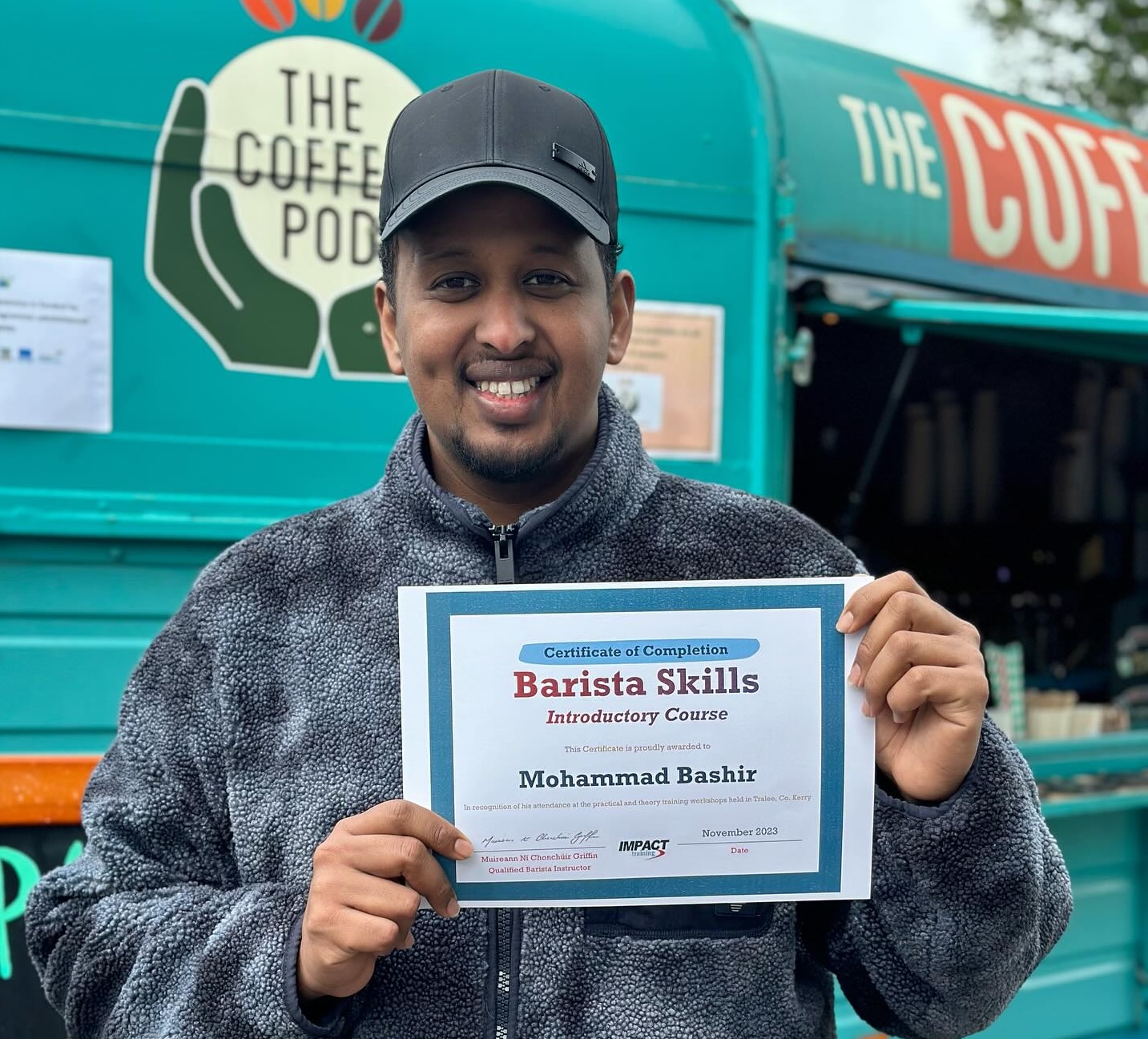
• A Coffee Pod trainee receives a certificate of completion in barista skills.


All say that it helped them

There is lots of evidence that those who complete the training benefit from it.

“Our main barista is a Ukrainian man: he did the course and he has taken over running it. So far, we have trained over 50 people and we are around two and a half years in operation. Most of them are working now. While they may not be working in the coffee sector, they all say that it helped them because it gave them a chance to practice English, which is really important. They could go to classes all day, but they learn so much from interacting with customers. And an employer likes to see a little bit of local work history,” said Mary.

Since the inception of the Coffee Pod, there has been valuable support from many quarters.

“We got great support from Kerry County Council, the Community Recognition Fund and LEADER were very good to us. North East West Kerry Development are very good to us, they help us with funding and with training. Without funding it would have been difficult to keep it going, because it is a social enterprise,” added Mary.

You can follow the Coffee Pod and keep up with Tralee International Resource Centre’s activities on social media – this is their Facebook page.

Ukrainians in Sligo: “Everyone is really thankful for the support”

0

“This is a complete change of direction, into social and community work, but it is very interesting,” she says.

There are around 2,600 Ukrainians living in the county and more often than not they get in touch with Anna about accessing services.

“Usually they get in touch with me. Last year we distributed information to all the accommodation centres where Ukrainians were living. That advertisement had a QR code and email addresses and details on the support that we are providing.”

“I do pre-employment work with people, I organise courses for Ukrainians, labour market related courses, things like Safepass, manual handling, basic first aid training, job seeking skills, a barista course. I provide CV support, mock interviews, job hunting skills.

Interacting with Anna can be a way of learning to negotiate the jobs market in a new land.

“It’s the first step towards employment. They don’t know what to do, don’t know where to start. Some of the courses like SafePass and Manual Handling are necessary for them. Intreo asks them to attend these courses and at least they have some certificates then. Some employers have them as requirements.

“A big issue for some people was that they didn’t have a CV, didn’t know anything about cover letters. We have provided some courses on things like that, how to do a CV and cover letter, how to do an interview, what your body language should be like. We’ve also done mock interviews and I would say that was helpful for people.”

The level of upheaval experienced by the Ukrainian is almost unimaginable for most people in Ireland. Despite the hardships, Anna feels those in Sligo have adapted and she says there is a huge effort being put into learning English.

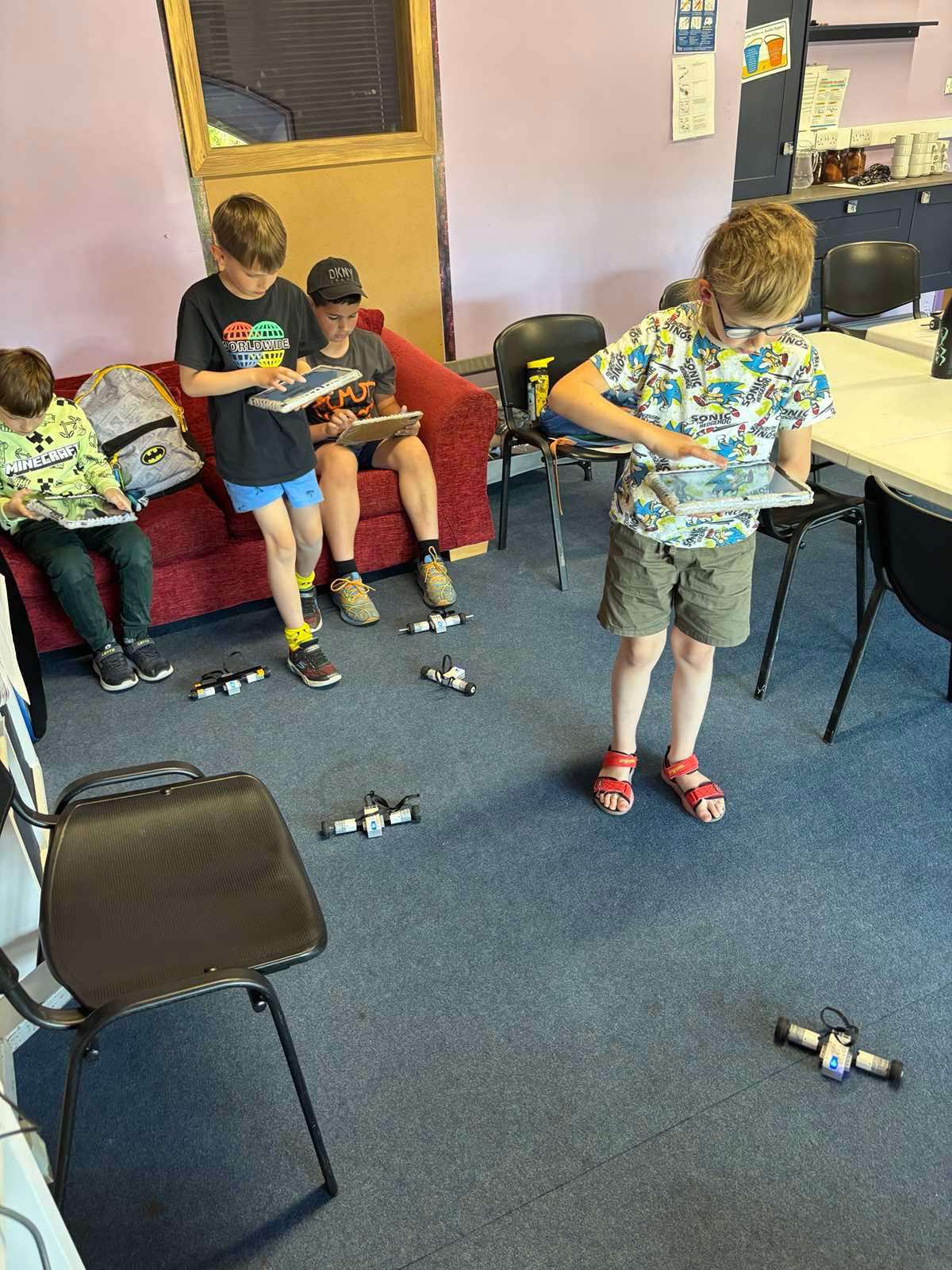
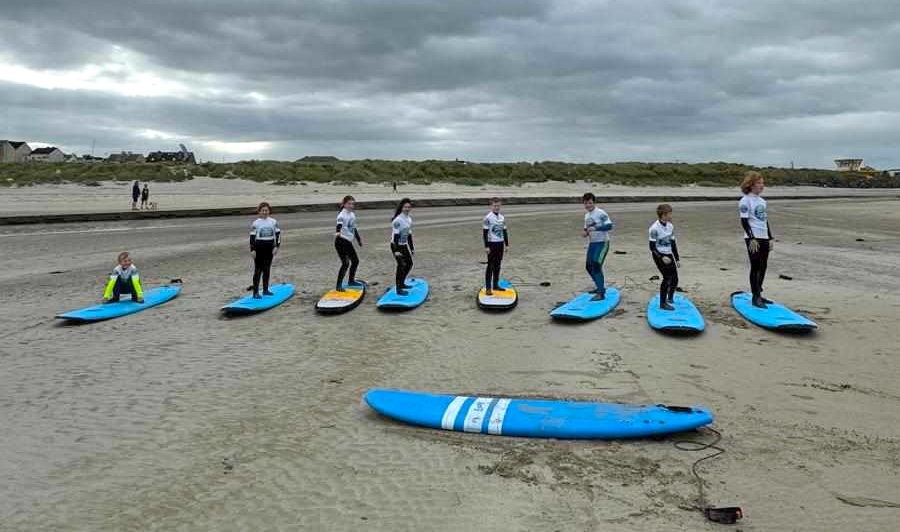
She is also involved with colleagues providing have community  supports such as a gym programme and camps for children, teenagers and parents. This year, they ran a surf camp and robotics classes for children.

“Kids programmes are usually in English, although the robotics was in Ukrainian, because it was delivered by a Ukrainian interpreter. He has also been doing classes in Ballina. But usually the classes are in English and the kids learn the language very quickly, much faster than adults,” she said.

• Ukrainian children in Sligo take part in a robotics class supported by Sligo LEADER Partnership.

She said that in general Ukrainians in Sligo are getting on well.

“They are trying to be engaged with the community. All of the kids are in school, their parents and the other adults are trying to learn English. It is much harder to learn when you are older, but everyone is trying. Many Ukrainians are going to English conversation clubs. People are going to Mayo, Sligo & Leitrim Education and Training Board classes, at different levels. Some people are even doing preparation for the Cambridge IELTS test. That’s a test that allows you to prove the level of your English if you need to work in a school, in a medical setting or as a nurse or something like that, something where you need to prove you have a very good level of English.”

Many of them have suffered and are continuing to suffer, but are still doing what they can to forge a path for themselves in Ireland.

“Many of the families are without the Dad, because they couldn’t leave the country. Many women are without their husbands and it’s hard for them and for the kids.

“Some of the people living in Sligo don’t have their homes (at home) anymore because they were destroyed. Some of them have family members who are dead following attacks. For some it’s a very hard time, some have been depressed for obvious reasons.

“But they are trying to take steps. Some of them have had to start from scratch. They might have had good qualifications; they might be engineers or teachers, but they don’t have a certain English level. They’ve started working here as bar tenders or housekeeping in hotels, something like that. Step by step they are learning English, working in these jobs and trying to get further opportunities.”

• Ukrainian children in Sligo take part in a surf camp supported by Sligo LEADER Partnership.

She says there is a real appreciation and gratitude for the opportunities made available to the Ukrainian arrivals in this country.

“Everyone is really thankful for the support that Ireland provided from the first day and it is continuing to provide support. We are all really thankful for that. People have got the opportunity to study, to work, just to live. Ireland provided some social welfare support and some allowances, which was really important. Almost everyone came here without money, even without much clothes, just a little pack of stuff from home,” she said.

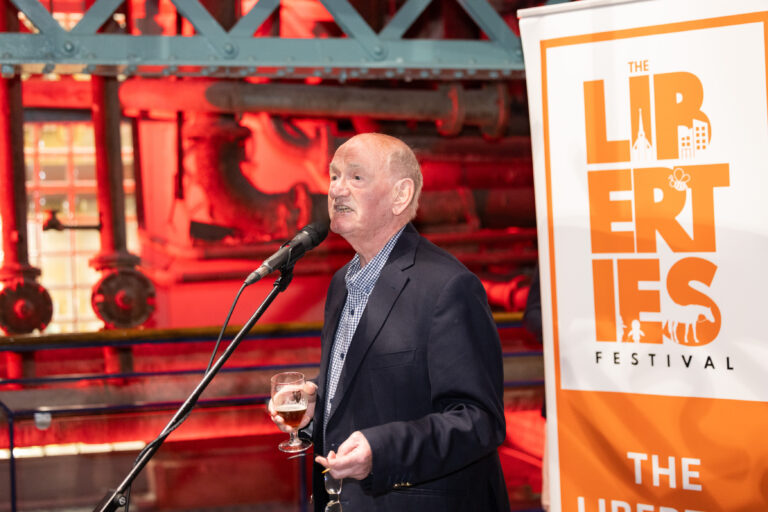
The activist Liberties priest Fr. Michael Mernagh

– arrested defending Travellers, targeted by Haughey, fought injustices in Ireland and South Africa

“We were locked up in the cells for some time. The case was heard and the judge told us to go home and behave ourselves and he gave us the Probation Act. In his summing up, he said ‘We are all in the dock.’ In other words we are all responsible for the terrible conditions that Travellers are in on the roadside.”

Turning 88 this year, he has vast experience of community work, not just in Ireland but as far away as South Africa, while he also lived in Nigeria

In this country, he is a founder of the South Inner City Community Development Association (one of two organisations that later voluntarily merged to form The Liberties Community project) and he was the manager of an independent organisation that preceeded the Combat Poverty Agency.

Anti-Poverty Work

A relatively deprived early life has led to him spending much of his life helping those in difficulty.

“It was just my background, I suppose, where I came from. We were born into poverty in a way. There were ten of us in the family down in Kilkenny and that had a big bearing on where you went and what you did. That was part of it. From then on my life really was in working with communities. Not as a church-based person, but as a facilitator. I had come back from Nigeria in 1969 and then I studied community development in Manchester.”

He served in the 1970s as manager of the non-statutory Combat Poverty Organisation (a precursor to the Combat Poverty Agency established in 1986) until it was closed down by then minister and future Taoiseach Charles Haughey.

“We were operating out of a building in Charlemont Street, it’s still there. Charlie Haughey decided to close us down. There was an angry meeting between the late Sister Stanislaus, himself and myself inside in the department.”

Haughey’s motivations for the closure were infuriating.

“We were angry about the whole thing. The reason he closed it was because he hadn’t set it up. It was closed for a number of years until the Department revamped it and reopened it, under the Department of Social Welfare. It was completely different then, it was a government operation whereas we had been independent.”

Of course, as an independent organisation, it was shining a light on truths that were uncomfortable for the Government.

“We had programmes all over Ireland, from Donegal to Castletownbere. All the time we were arguing about the fact that people’s rights were being denied and their voice was not being heard. It was a voice for the voiceless. We had local committees all over the country. We were out on the islands, Arranmore and Inishboffin, all over the place at the time.”
He recalls being involved in activism in Limerick back in the 1990s that led to the setting up of a group called People Action Against Unemployment Limerick’ (aka the PAUL Partnership, this year rebranded as Limerick City Area Partnership).

“Professor Joyce O’Connor was the person mainly responsible. I had responsibility, with a guy called Patrick Commins, for the management. It was under Poverty III, a European programme,” he said.

Through PAUL he came to know Moyross which at the time had “very few facilities in it.”

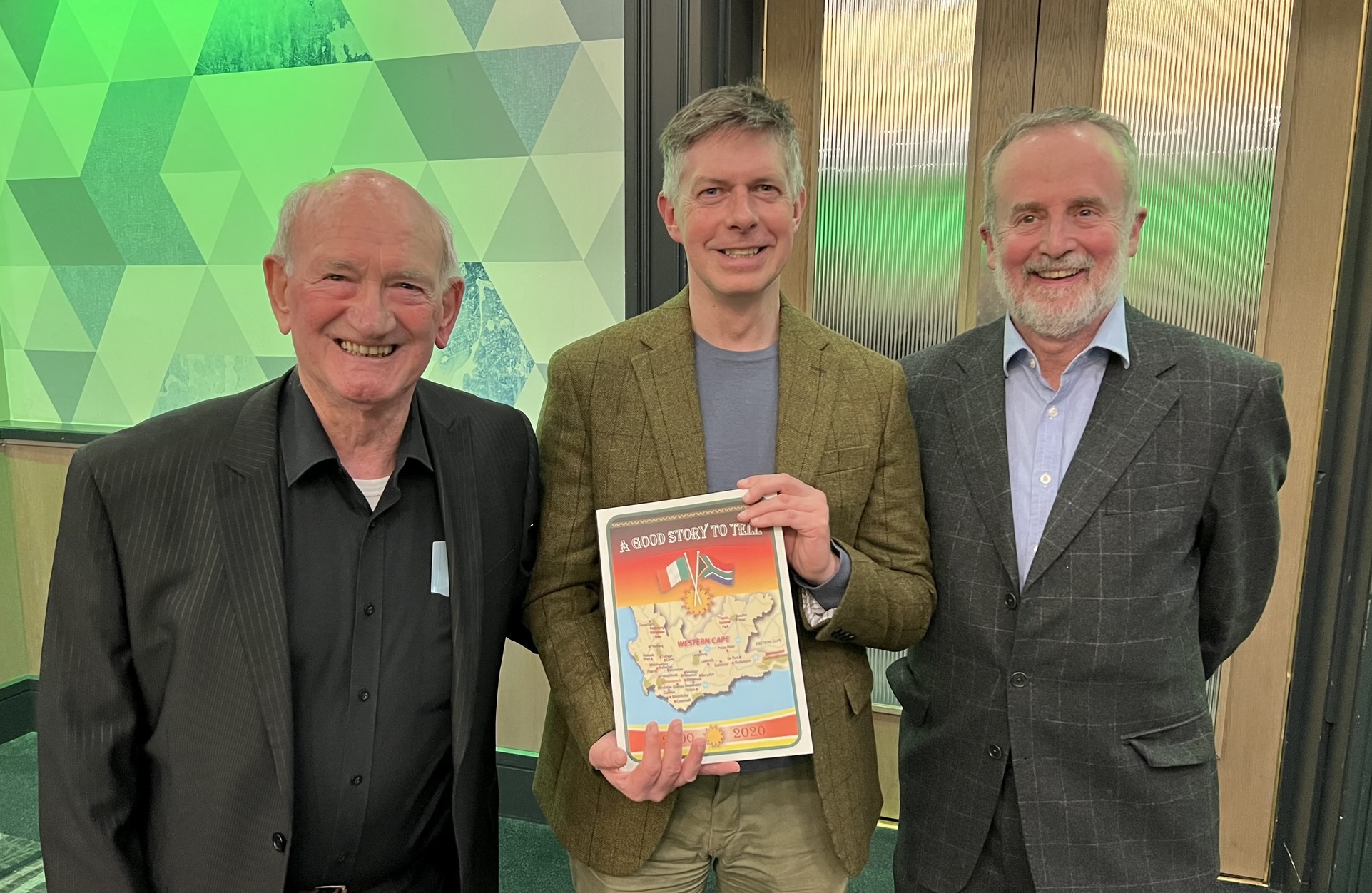
• Fr Michael Mernagh at the launch of ‘A Good Story To Tell’, with John Moffett of Misean Cara, and Colin Wrafter, a former ambassador to South Africa. The book is his account of a social inclusion project he helped to set up in South Africa, in partnership with, among others, SICCDA (now known as The Liberties Community Project). Photo by Misean Cara.

“We had nothing on the South Side”

Recalling the establishment of the South Inner City Community Development Association, he says it was to restore some balance between areas divided by the Liffey.

“We had nothing on the South Side, the North Side had everything, Tony Gregory had done a deal with Charlie Haughey. We got together, we said everything is going to the north side, let’s get something for the south side. A group, mostly women, came together and formed the group, and then I joined it. It was established in 1982.”

Resources were scarce, but they pressed ahead. “It was hard enough. We had no money. What I said to the committee at the time was to do it properly and do some research on the needs of people in the area, from the cradle to the grave. That’s what we did and we published it. From there on we did an integrated programme, where we covered everything from the cradle to the grave. We had afterschool for children, from that up to services for the elderly.”

It developed an emergency call system, where the elderly could wear an alarm around their necks, and summon help if required, something that was brought to many parts of the country subsequently.

Father Mernagh says that his role as a man of God is entirely compatible with the work he has done in the community sector.

“It should go hand in hand. The Gospel is all about looking after those in need of care. Every word is about looking after the excluded. If you believe in the gospel you have to be a community activist.”

As well as working hard on programmes in Dublin, for 20 years until 2024 he was also involved in programmes in South Africa, and is still going over and back to check on their progress.

Community work today

Given his background he is well placed to answer fundamental questions, like what community development work really is.

“It is basically a local response, by local people, who form themselves into part of a community or a community. Basically, on a voluntary basis, to respond to the needs as they have identified them in their own communities. That’s what community development should be about in my view,” he says.

What would he say to young people getting into community work today?

“It’s a really good challenging job, or it should be. The big question is who is running or supporting programmes today. There aren’t that many today that you could say are well supported. You need young people above all to be well trained. We have a number of third level institutions for community development training, such as Maynooth. Young people need to be trained and then supported, that’s very important. You can’t leave them off on their own, they need the support of more experienced people.”
He says that communities across Ireland are different nowadays, and he is particularly concerned about those in rural areas.

“Communities are changing so much now, they are so different, particularly in urban areas. The problem in rural areas is that communities are dying. In the west of Ireland there are bad situations where the young people are all leaving. The same thing is happening all across Europe. I’m from south Kilkenny, not far from Waterford. The pub in the village is more or less closed, no one goes in anymore. There’s a big change with young people. As far as I’m concerned the only thing keeping young people going is the GAA. The hurling and football is keeping communities going.

“You always want to be optimistic, but a lot of work will have to be done to keep communities alive. It’s not going to happen by accident. A lot needs to be done at this stage,” he adds.

PANDEMIC HANGOVER: Some rural groups only now back face-to-face

0

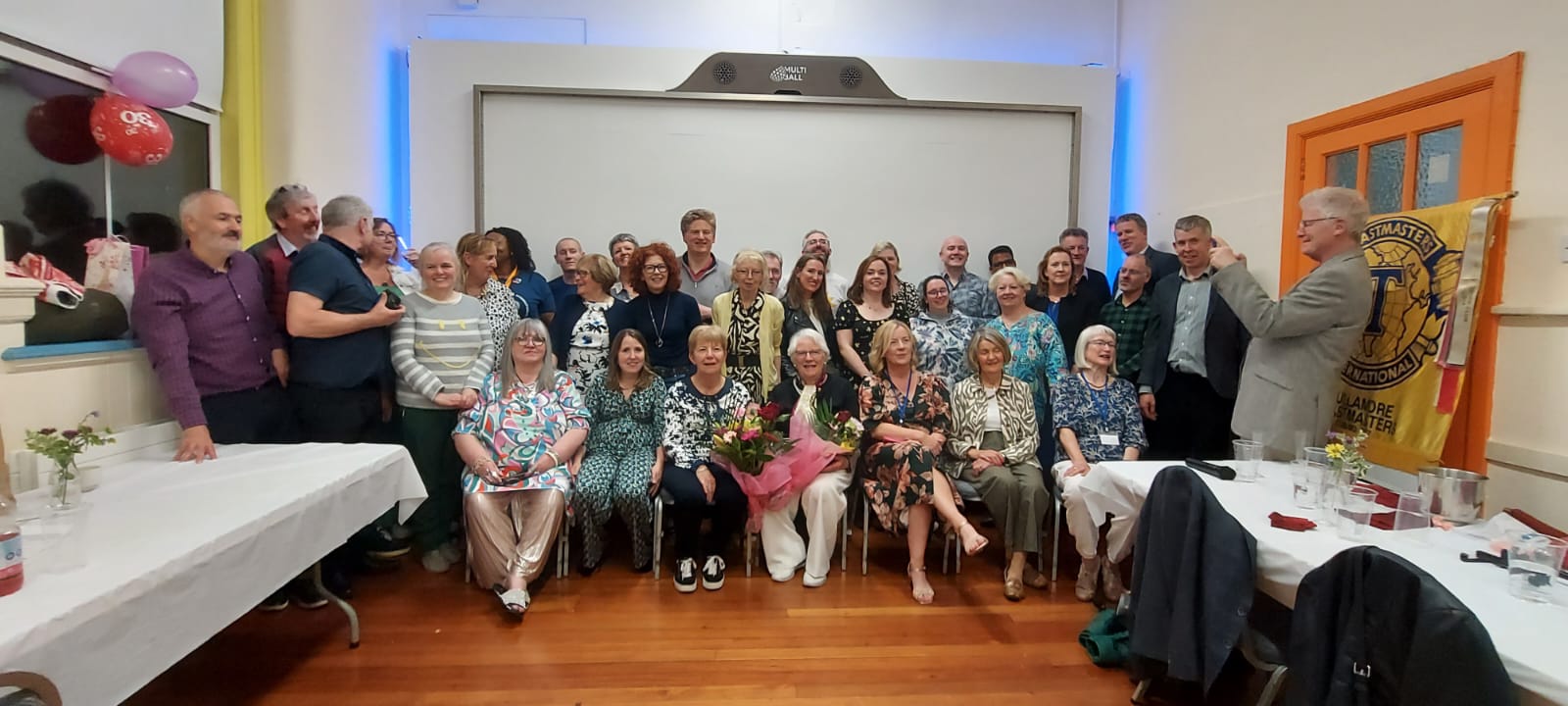
PHOTO: Our lead image shows – Charles Malone (centre) with fellow members celebrating 30 years of Tullamore Toastmasters.

Delivering calves during online meetings

For some time Tullamore Toastmasters had gone with hybrid meetings, but they felt they were left with no option but to cut those out.

“There wasn’t a connection with the people online. There were two different meetings; people online was one meeting and those in the room was another. When you were doing a speech you didn’t know where to look; at the people in the room or at the camera,” says spokesman Charles Malone.

People were drifting away from the club and they felt cutting the online dimension was the only way it could endure.

“It was a hard decision. We have members in America, but numbers were declining and we felt the only way for the club to survive was to go back to in-person. So far it looks like we’ll have four new members, even though we are losing three.”
Charles personally benefited from the hybrid options, but he realises the change is required: “Hybrid meetings were very handy for me because I’m a farmer. If I had a cow that was going to calve I could stay at home and still go to the meeting,” he says.
• Members of Tullamore Toastmasters celebrating 30 years since its establishment.

Cards, bingo and social dancing were slow to return

The Tullamore experience raises an interesting question more than three years after the Covid restrictions were lifted and the end of a bleak period in history arrived: What was the lasting impact of the pandemic on community groups?

Anne Cassidy of Galway Rural Development says that she feels social groups were a bit slower to return than committee based organisations.

“Community activities, where there might have been bingo on, or cards, or set dancing, those kind of things seemed to take a long time to come back, if they came back at all. This is anecdotal, but that’s what I would say struggled to come back, compared to the Men’s Shed or the ICA or the Tidy Towns, those groups that come together to do stuff.

“Yes, those did take time to get going again, but I didn’t really hear of many losses. More things like people organising community activities like cards or bingo or social dancing; those seemed to be more likely not to come back or to be very slow about coming back.”

• Anne Cassidy, social inclusion manager with Galway Rural Development.

Anne understands why certain things didn’t return, as people re-evaluated things.

“If two or three people were responsible for organising, maybe they asked themselves ‘do I really want to go back?’ Also they may have been older, or the momentum was gone. Those were the things I would say struggled more in my experience. The groups seem to have survived.”

However, she feels there have been a number of new groups have sprung up in rural Galway: “Now, there are a lot of new groups forming, and coming to us looking for support. There is no shortage of groups in most areas, I would say, there is a lot of stuff going on.”

“Fierce” demand for hobby classes shows desire to connect

• Fergal Conlon, social inclusion manager with West Cork Development Partnership.

Fergal Conlon of the West Cork Development Partnership feels that different types of groups changed in different ways and he feels volunteerism took a hit for a while.

“I didn’t notice it too much in social groups, things like Active Retirement. I noticed it in delivery groups; things like community associations, your sports club, your committees, the ones that would be running stuff as opposed to socialising. They were struggling to get volunteers to get involved.”

He feels that people broke long standing habits and didn’t return to them very easily.

“For me, it wasn’t a fear of Covid, it was just that people had got out of the habit, as simple as that. I suppose people got used to different things. Your average committee person would be attending a meeting two or three times a week for different committees they’d be on, and it was a way of life for people. A very rural way of life in particular, you’d have so many great community stalwarts, and that habit was lost.”

However, he says that a tendency towards community involvement did come back slowly, and now things are somewhat like they were: “In terms of the community development piece, I haven’t heard any reflection on Covid for a while, which is a good sign.”

He says there are many people looking to do part time courses now, and that this reflects a wish for connection.

“These hobby classes, such as learning gardening or photography, whatever it might be; there’s a huge demand for them. There’s a fierce amount of people doing those. And that’s a sign of people getting out and about and socialising, and there’s an appetite for it.”

He has also noticed that communities are coming together to respond to crises in a new way.

“After Storm Eowyn there is this idea of community readiness, to address emergencies. You see soup kitchens, charging banks, places like that particularly when there is no electricity. Covid is related to it, Storm Eowyn, even Ukraine, there is this idea of community readiness and responding to things,” said Fergal.

Volunteer-led community apple orchards are growing in Ireland

By Oliver Moore

Monaghan has created a Dispersed Urban Orchard

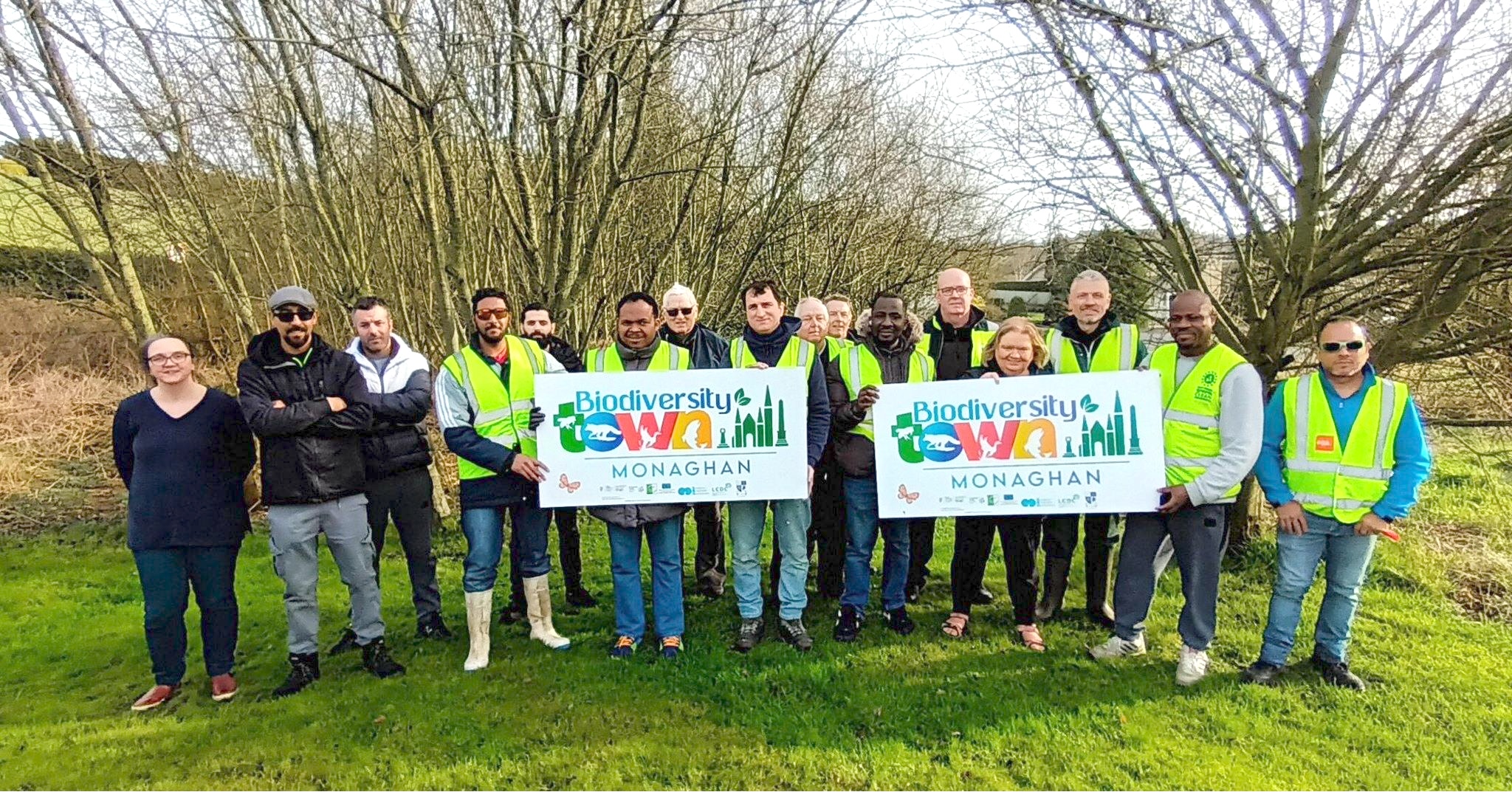
• Volunteers from Monaghan town in Dernagrew Orchard.

How do you make the most of a town with lots of nature, but which is literally all over the place? Monaghan town has lakes, rivers, canals, and Ireland’s most-visited Coillte forest nearby.

Locals came up with an idea to turn gardens into habitat corridors, as Emer Brennan from Monaghan Tidy Towns explained: “Much of the land breaking up the habitats had been built upon with housing estates of various sizes. However, those housing estates all had gardens, and back gardens too. So, we came up with the idea that, with the co-operation of local residents, we could develop spaces for apple trees all through the town.”

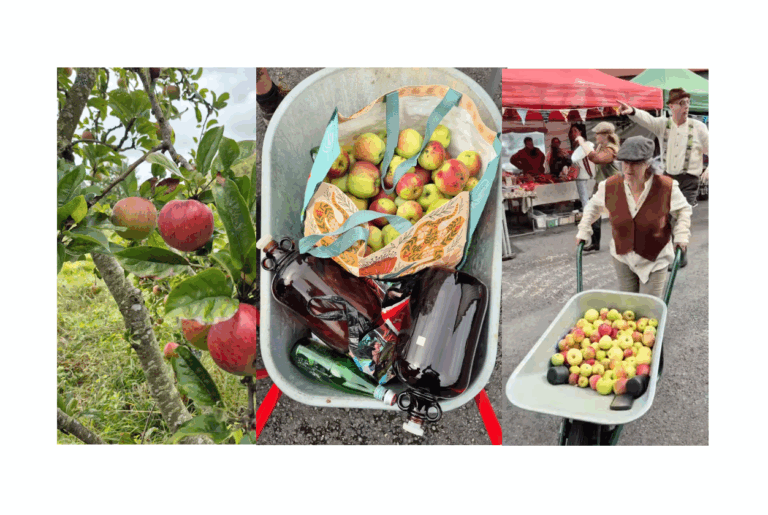
In 2015, residents were offered low-cost native apple trees from Irish Seed Savers. Families planted them in their own gardens, creating a “Dispersed Urban Orchard” (DUO) across the town, which is is great for pollinators, said Emer.

The project drew up a map showing participating households and it quickly gained momentum, winning the All-Island Pollinator Award in 2016. Since then, DUO has expanded into housing estates, GAA clubs, and schools, embedding biodiversity in everyday community spaces across Monaghan town.

19 Clare churches turned into biodiversity havens

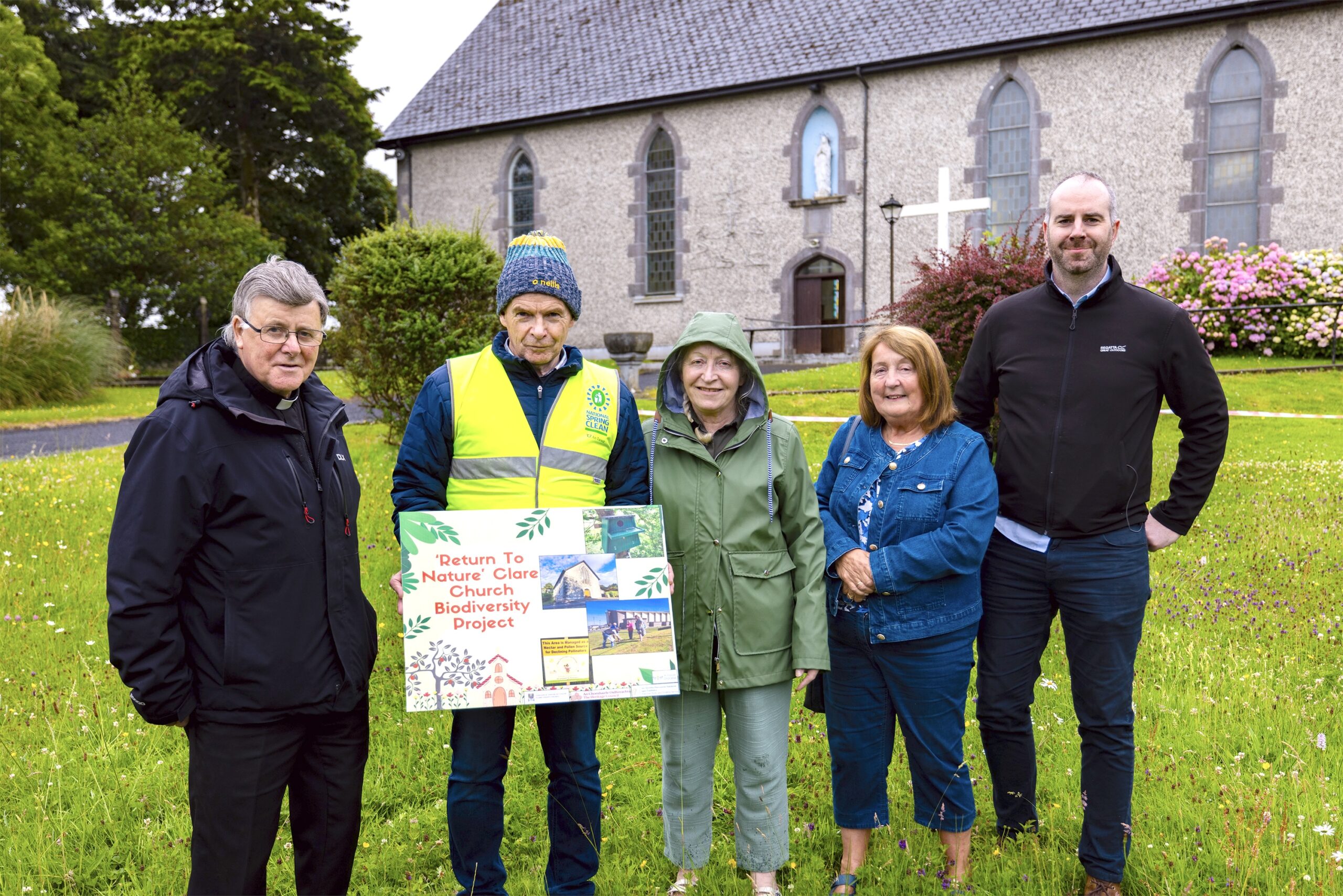
• County Clare – Members of Inagh Tidy Towns with Clare County Council’s biodiversity officer Barry O’Loughlin.

Launched in 2023, the Nature Clare Church Biodiversity Project is an initiative that encourages churches in the Banner County to return 30% of their grounds to nature by 2030, following a call by bishops for more to be done for biodiversity. The project is led by Clare County Council’s biodiversity officer Barry O’Loughlin and is supported through funding from the National Parks and Wildlife Service.

Working with the dioceses of Killaloe, Tuam, Limerick and Killaloe, the initiative has engaged 19 churches (17 Catholic, two Church of Ireland) across Clare. The work involves planting fruit trees and setting up nest boxes for swifts, barn owls, and bats, pollinator-friendly planting, bird feeders and educational signage.

Communities have come together to deliver this – involving parishes, schools, farmers, and local groups such as Tidy Towns and Men’s Sheds, along with BirdWatch Ireland, Irish Seed Savers, and the All-Ireland Pollinator Plan.

Training has been central and it covers orchard planting, pollinators, bats, and bird ecology – equipping priests and parishioners to sustain biodiversity efforts long-term.

The project has become a national model, inspiring similar initiatives in seven other counties. As Barry O’Loughlin, Clare’s Biodiversity Officer, said, “Church grounds are central to community life and by restoring them for nature, we also restore awareness, skills, and collective stewardship.”

Limerick rediscovers its apple heritage

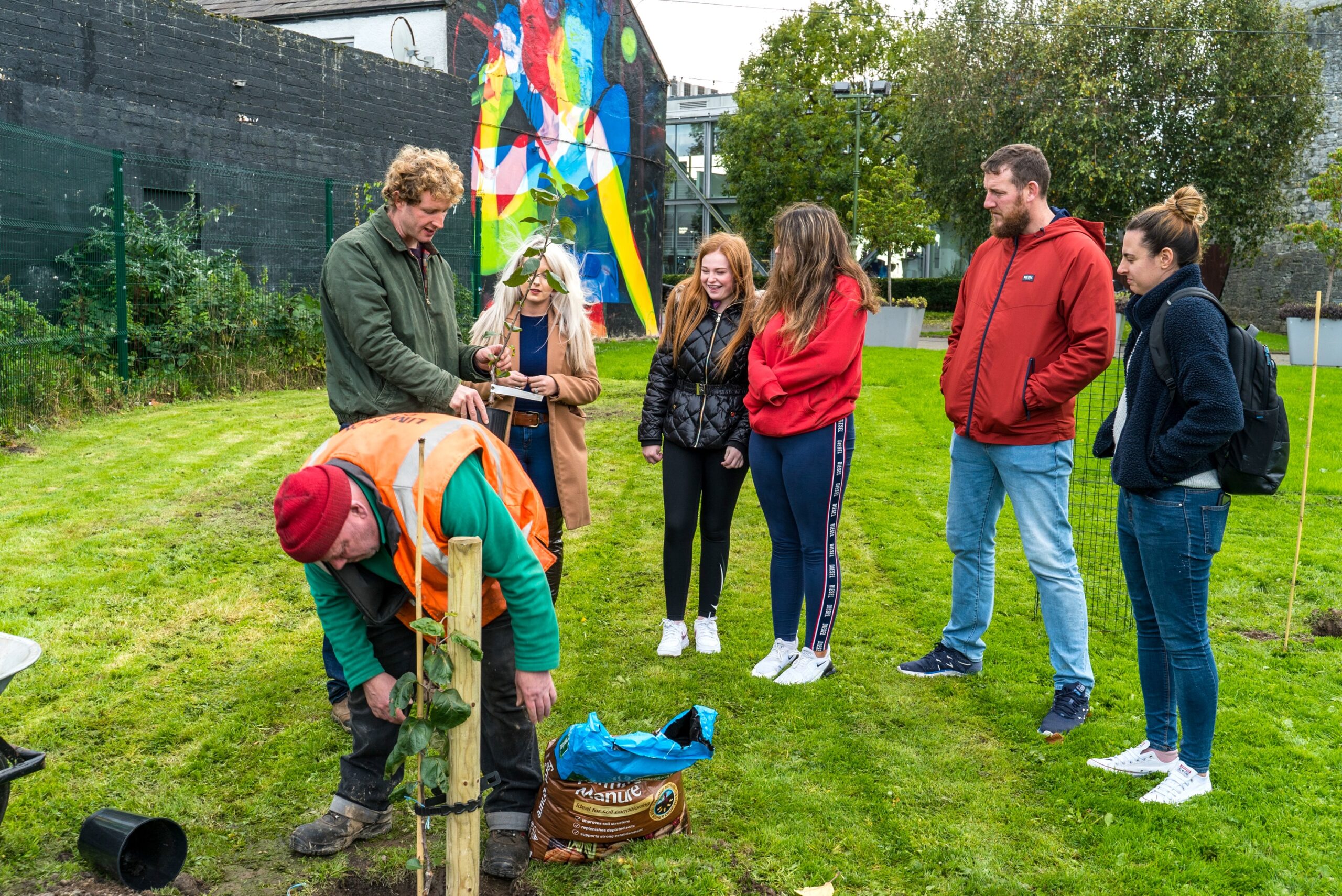
• In Limerick – volunteers are planting apple trees in a city landscape.

Cracking Light Productions creates socially engaged art that connects people and the environment. Their first orchard project, Appletown, in 2023, was connected to efforts to facilitate a just transition towards decarbonising Limerick by 2050. While embedded with Limerick Civic Trust, they worked with 120 community employees managing 90 acres of green space, rediscovering the city’s heritage as once home to 1,640 acres of orchards. Two mini-orchards of heritage apple trees from Irish Seed Savers were planted, reconnecting community and landscape.

Ballymun dreams up orchard songlines 

In 2024, Orchard Songlines with Axis Ballymun composer Tom Lane and poet Jessica Traynor engaged 14 young people to map Ballymun’s past and future through memory, music, and song.

The project created four original songs and planted a new orchard of heritage apple trees. As Maeve Stone of Cracking light puts it: “The trees will hold the songs, and the songs will sing the story of the place.”

* The webinars can be viewed on the website thevillage.ie and a publication based on the discussions has also been produced – all about apples of course.

Social workers and activists tell of Sr. Stan’s influence on them

0

Writing on rip.ie, a woman who just signed herself as Ruth, said that Sr. Stan had greatly influenced her career:

“I was lucky enough to meet Sr. Stan a few times during the period I worked in Focus Ireland. I can say with certainty that she has been an inspiration to me throughout my career in Focus and moving into social work. She was a special woman who has left a positive mark on Dublin and the people she met.”

Deirdre Clancy wrote that her example had been an inspiration:

“Stan stepped up to offer help to an activist group I was involved with many years ago, when we took a stand against the Iraq War. She provided accommodation to a member of the group from abroad who needed somewhere to stay while on bail. Her kindness on that occasion to a group that was under pressure, often dealing with chaotic circumstances, while she was already helping the needy on a daily basis, struck me as extraordinary.”

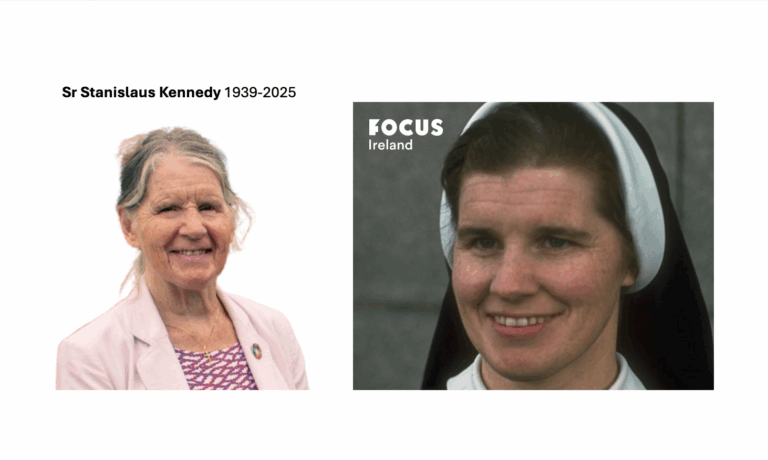
• Sr Stan founded Focus Ireland in the 1980s and always emphasised the importance of involving people who are homeless, or have been directly affected by homelessness, in the development of homelessness services in Ireland.

Social worker turned broadcaster Joe Duffy, also writing on rip.ie, said Sr. Stan had changed his life when he was a young man at risk of missing out:

“1980… Expelled from TCD, I needed one placement to complete a social work degree! Everyone ran a mile except Stan in Kilkenny. We’ve always kept in touch – her mischievous sense of humour to the fore.”

Another person who just used her first name, Aoife, said that Sr. Stan had been “the key influence in my career choice as a social worker”.

“Thank you for providing me with the opportunity to learn and educate myself about the challenges that people face in life and how to support them through those difficult times without judgement or prejudice.

“Even as the life founder of the organisation, you cleared dishes and cleaned tables in the coffee shop, chatting with customers and staff each week. You were so genuine, humble and unassuming, with time for everyone,” she wrote.

Longford teacher Mary Killian stated that she had a massive impact on young people:

“What an incredible person she was. I was so lucky to meet Sr. Stan and Rachel Collier many times through the marvellous ‘Young Social Innovators’ initiative for young people that they established. ‘Be the change you want to see in the world’ Sr. Stan used to say and through the YSI she encouraged our students to engage with that belief. As a result, we embarked on so many wonderful, exciting and important projects from fundraising for our school defibrillator, setting up a Health Week in our school and establishing so many links with our wider community e.g. older people in residential homes, Autistic Centres, Developing Country charities, Mental health bodies etc,” she wrote.

Pauline, who wrote that she is married to a woman called Brenda, and is a former Focus Ireland worker, praised her example:

“Stan, what an inspirational lady you were. So unassuming, modest, but so brave in fighting injustice and the systems that were the cause of injustice. A lady before her time and putting her head above the parapet when it came to marriage equality and was so kind in writing a piece for our wedding in 2017. I will be forever grateful to have worked with you and I learned so much from you. Rest in peace.”

Why community gardening is good for staff morale

0

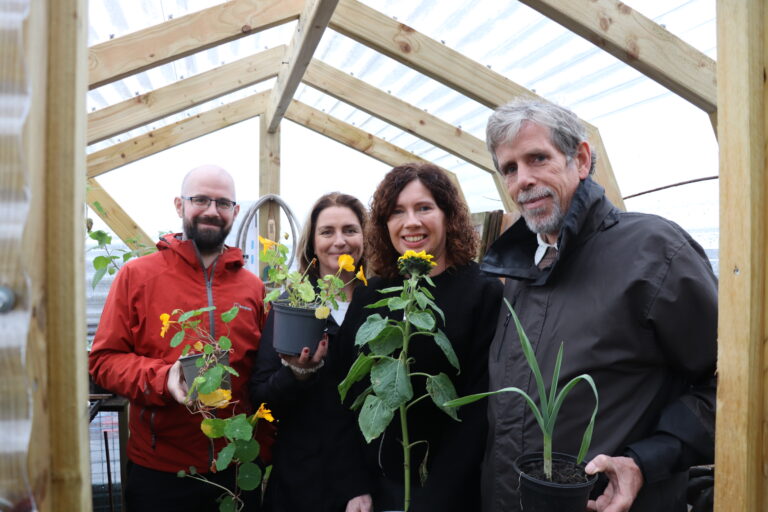
All of the veg and salads are for GCP staff to use during their lunch breaks and staff have enjoyed many salads over the first summer. All agreed the project is great for morale.

It is also suitable, along with other community gardens, for Tús placements.

As enterprise officer and climate justice co-ordinator Paul O’Donnell explained, “The garden is a pilot funded by Galway City Council under the Climate Action Fund looking at how we can transform urban spaces to encourage sustainability and people growing their own vegetables.”

If you have a community building with a flat rooftop you also could look at the idea of a community garden like this. As Mary McHugh, SICAP co-ordinator, said:

“If we can manage to do it here, anyone can do it. It’s very good for bringing staff together, especially in the good weather, particularly in the summer, going outside to pick things, there’s something really cool about that.

“It’s a healthy option and it’s a bit of fun. It encourages us to go out and use the balcony and the rooftop more than what we would have done in the past. We have had meetings out here. I think it’s the beginning of something really good,” she said.

Tús leader Sean Lynch agreed, saying that a rooftop garden for small money is a runner: “It would be more difficult, but the setup doesn’t have to be that sophisticated, or that complicated.”

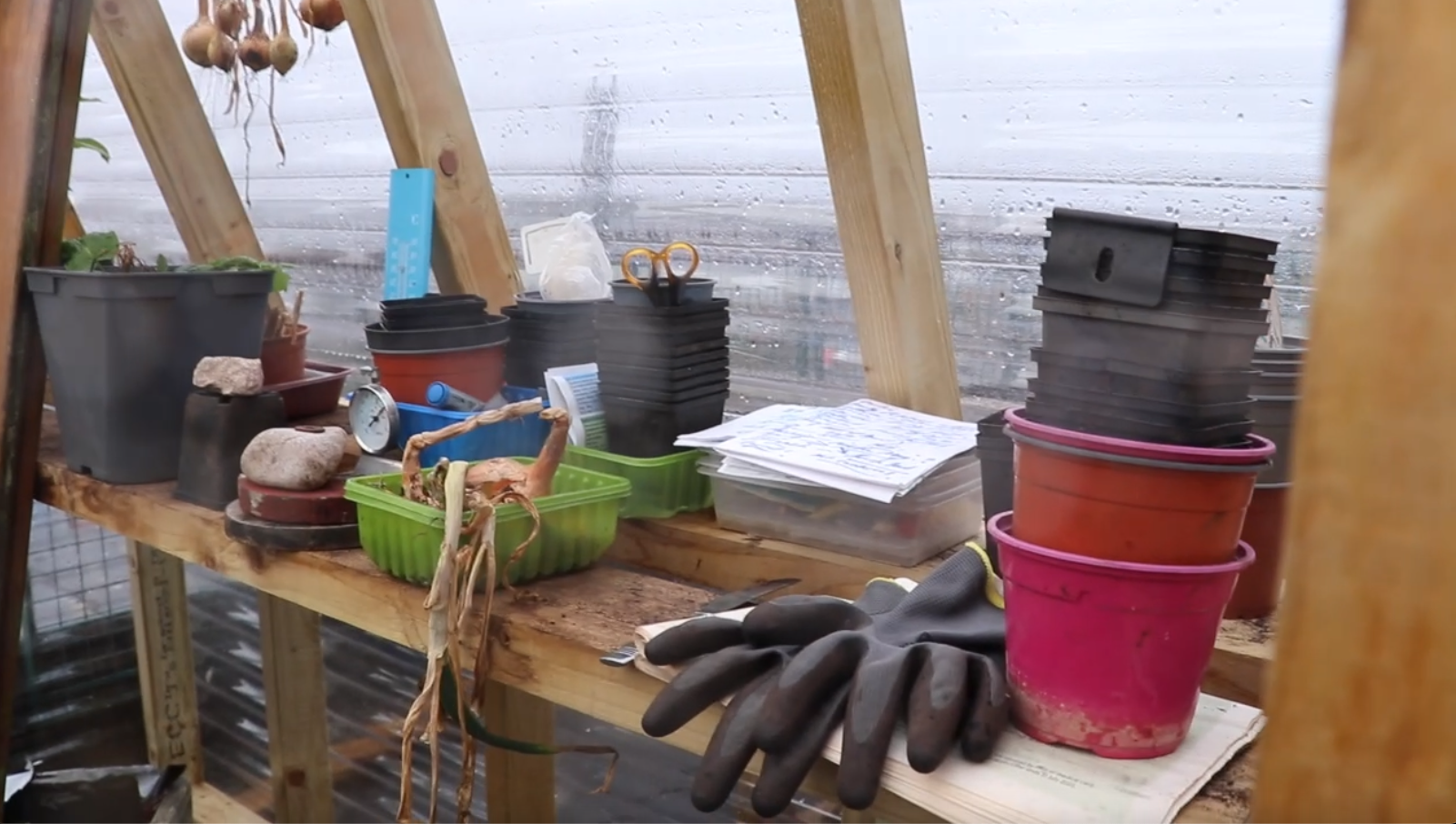
He added, however, that, “It would be advisable if you make the garden boxes from wood to line the boxes That’s the main thing for longevity. Our boxes are made to a very specific form that can last a long time. But it doesn’t have to be that sophisticated. You could start a garden pretty easily.”

While growing produce on a third floor rooftop is a challenge, theft is not an issue and the wind keeps carrot root fly at bay, meaning carrots, parsnips, parsley, and celery grow in peace.

WATCH OUR VIDEO:


For more info contact Galway City Partnership: https://gcp.ie

Spuds overhead in Galway city after Minister opens roof garden

EU backs Kildare communities to show it how integration works best

0

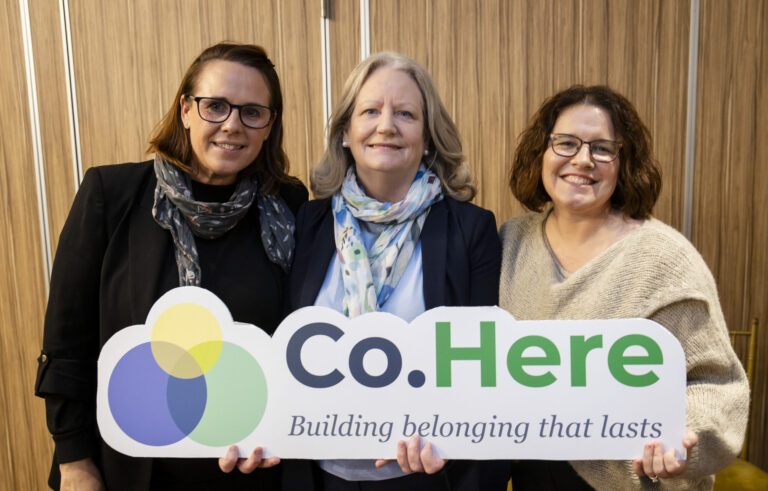
Co.Here (officially titled Community Connect under the EU’s Social Innovation+ programme) will build on three years of lived community experience from Helping Irish Hosts, evidence-based research from UCD, and ethical technology from international partner Pairity.

Together with refugees and local communities, the partners will develop and test a new path to meaningful and mutually beneficial integration.

The project will run for one year across Maynooth, Kilcock, Leixlip, Celbridge, and Straffan, gathering evidence to inform local authority practice and national policy on refugee integration.

“Welcoming newcomers brings real opportunities, but it also creates challenges for communities under pressure,” said Dr. Graham Finlay, Research Lead at UCD. “With Co.Here we want to understand, through evidence, how communities and newcomers can find common ground and build the kind of belonging that lasts.”

Jill Robinson is a co-founder of Helping Irish Hosts, which was established when huge numbers of Ukrainians were coming to Ireland in the early months of the Russian invasion.

Speaking about the project, she said, “At its heart, Co.Here is about joining the dots between real people and real experiences. It builds on lived community experience and applies technology to make those efforts more practical, connected, and lasting, for everyone involved.”

Welcoming the launch Kildare county councillor Angela Feeney said said it was “such a positive initiative” to explore practical, real-life approaches to integration.

“It’s a model of good practice, taking a partnership approach to solving everyday problems. At its core is listening to lived experience, looking at what is already in place in our communities, and using technology to help communities and newcomers connect. It is by working together that we achieve more. Ní neart go cur le chéile.”

Over the coming year, Co.Here will invite Ukrainian newcomers, local residents, community groups, and employers in North Kildare to take part. Participants will be matched with opportunities in learning, work, education, health, and social life, while also sharing their insights on what helps people feel at home. By gathering this evidence, the pilot project aims not only to improve support locally, but also to inform integration policy and practice nationally.

People in North Kildare are invited to join the pilot project, including:

  • Refugees (aka Ukrainian Beneficiaries of Temporary Protection).
  • Local residents and host families (past and present).
  • Employers, clubs and community groups.

To find out more: https://www.helpingirishhosts.com/co-here

To get involved or share your experiences, email: maryna@helpingirishhosts.com 

Minister and officials hear ideas and concerns from communities nationwide

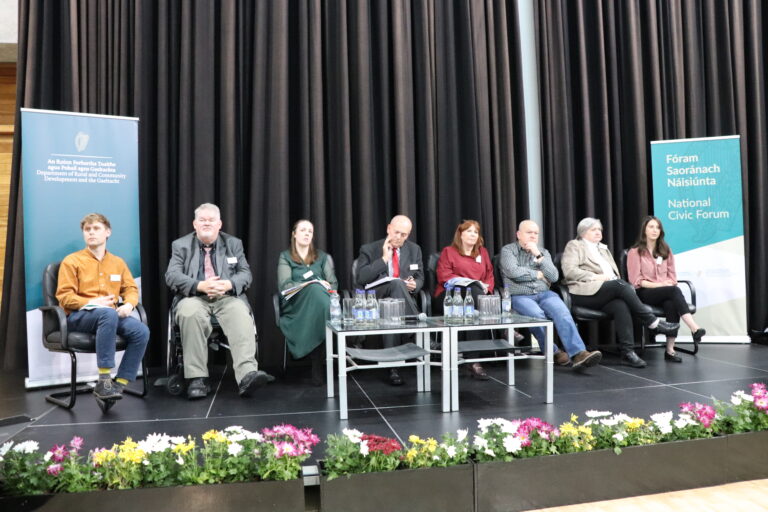
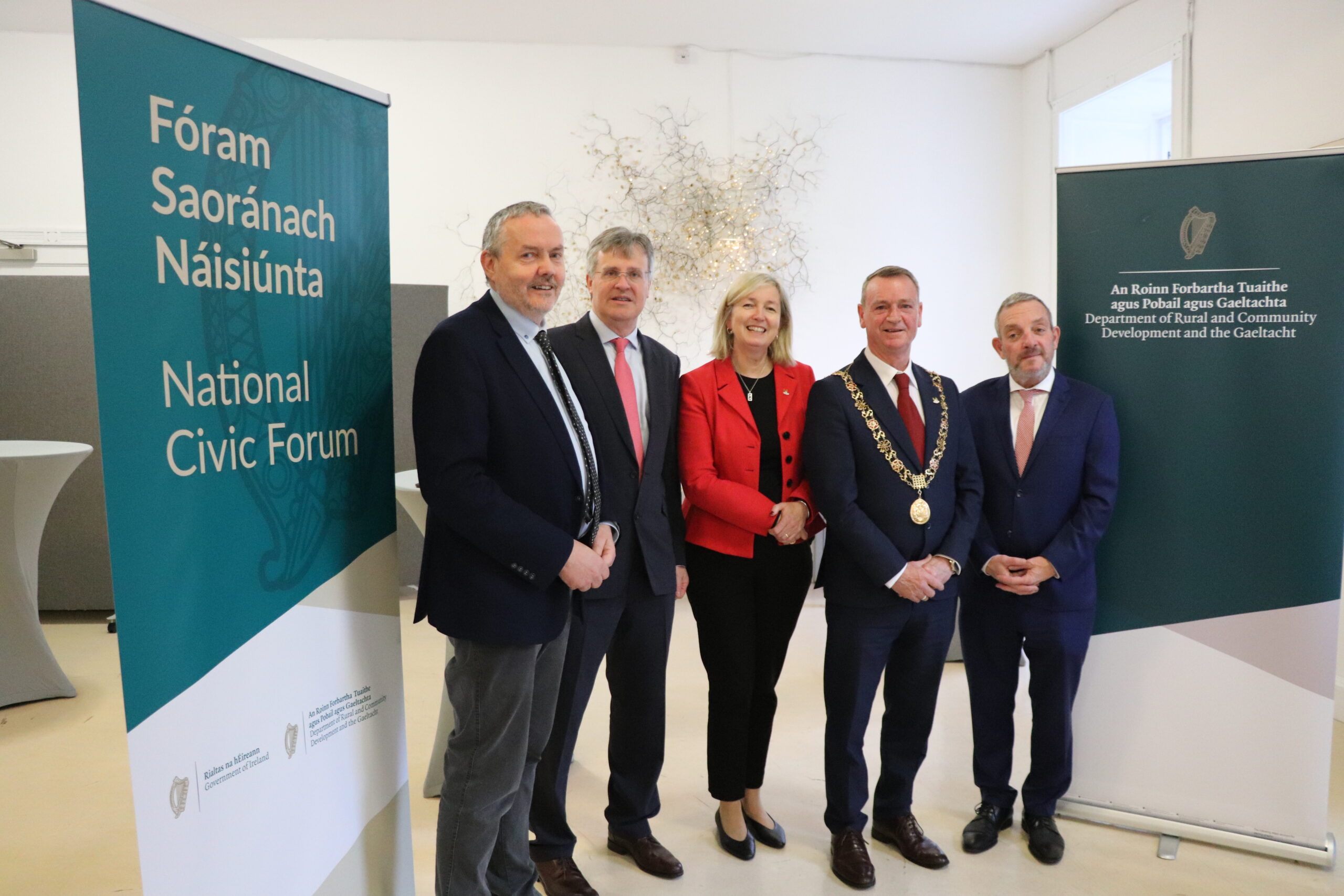
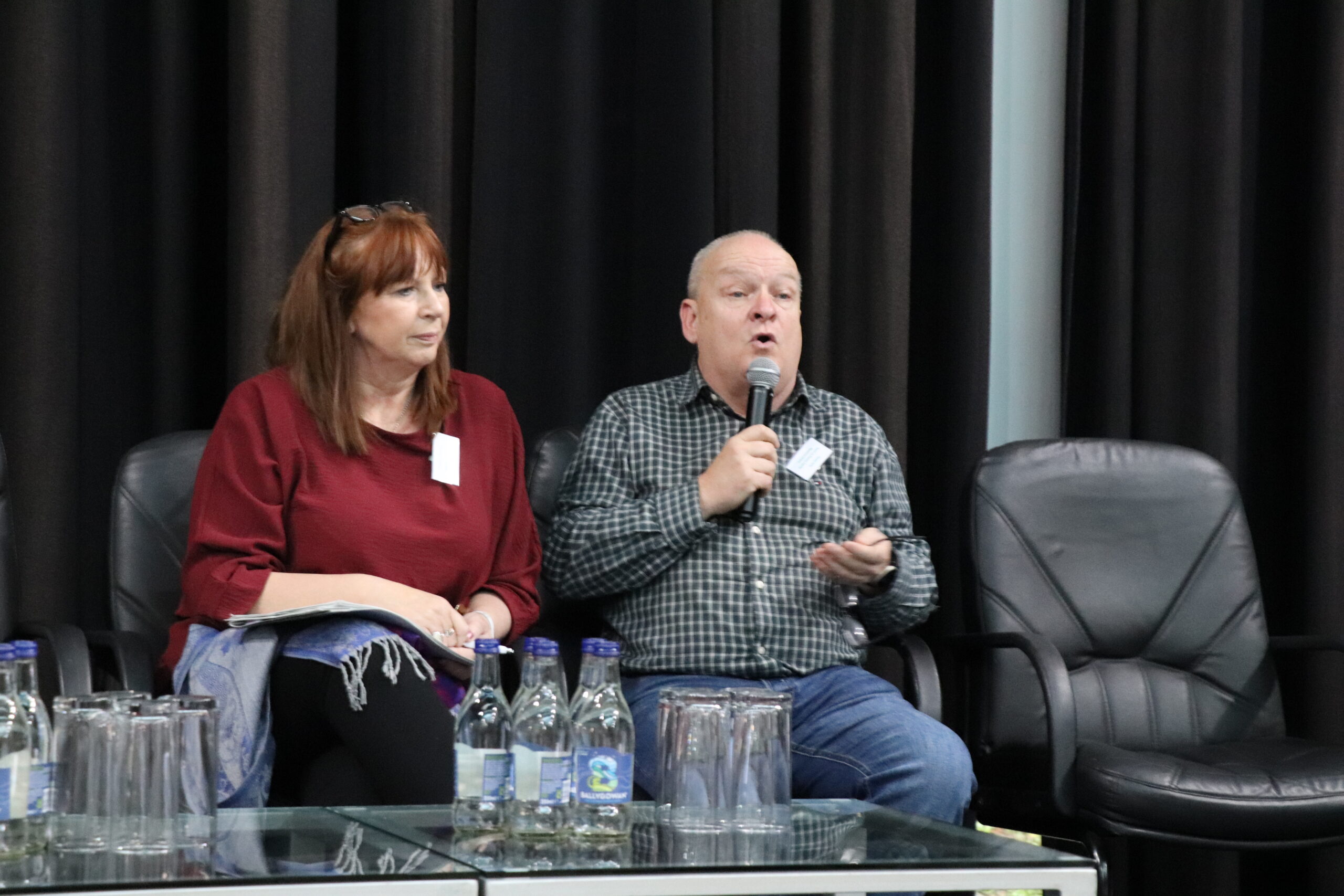
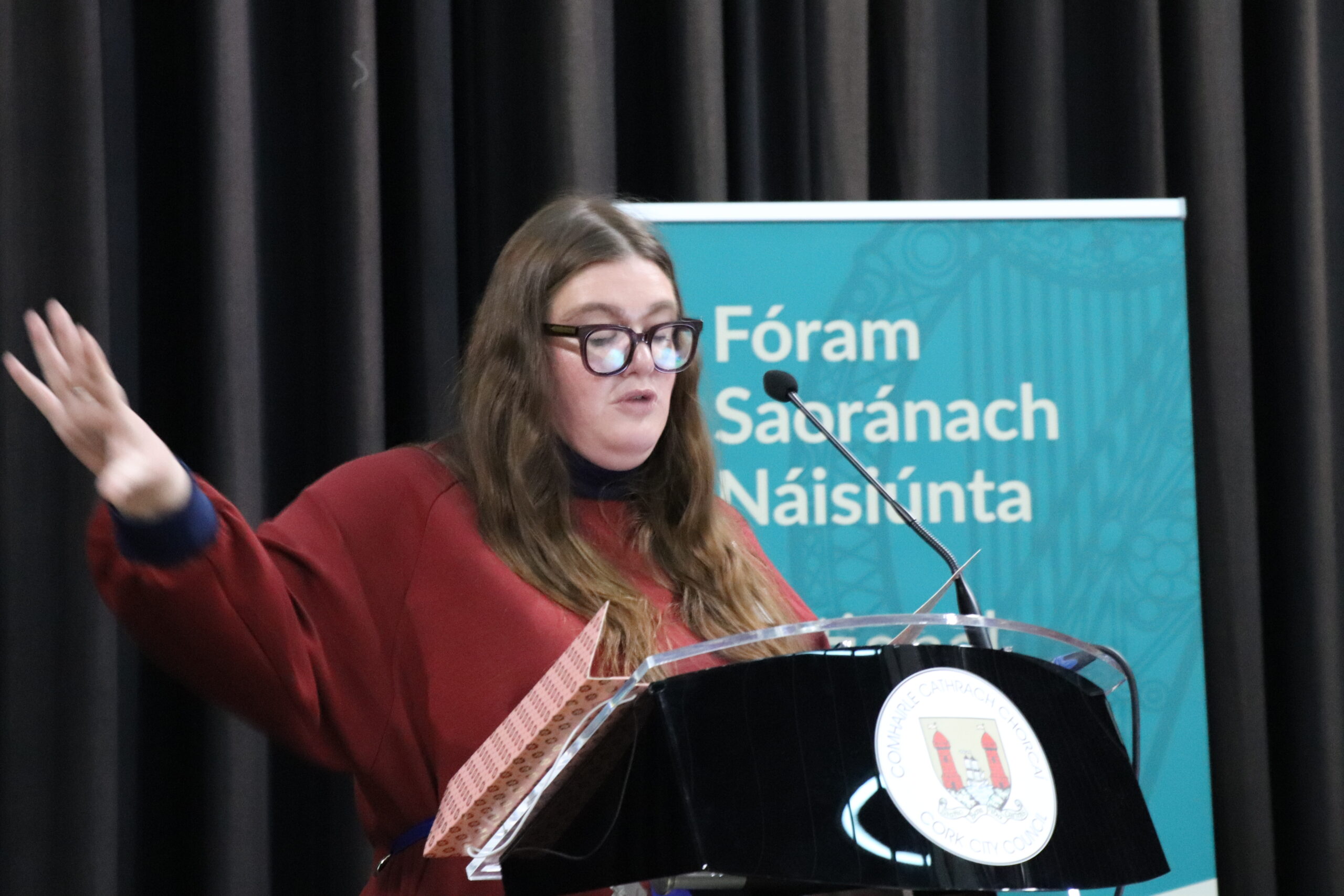
Cllr. Fergal Dennehy, Lord Mayor of Cork, welcomed attendees to Millennium Hall, and appealed to Minister Buttimer to consider the challenges facing community organisations that are struggling to fill Community Employment vacancies. He said “the reality on the ground” was that “it is difficult today for community and voluntary organisations”.

Later, when we interviewed the Mayor, he called for incentives to encourage more people to take up CE posts and for more directly funded community workers.

Opening the forum, Minister Buttimer welcomed all – in harsh weather conditions – on behalf of the Department of Rural and Community Development and the Gaeltacht.

He said the Department had begun work on developing a successor strategy for the community and volunteer sector as well as a new volunteering strategy.

“Each one is being developed in collaboration with the sector and other government departments, and will have the values and principles (for collaboration and partnership) rooted in their core,” he said.

He promised to pass on the Lord Mayor’s concerns over Community Employment to Minister Dara Calleary.

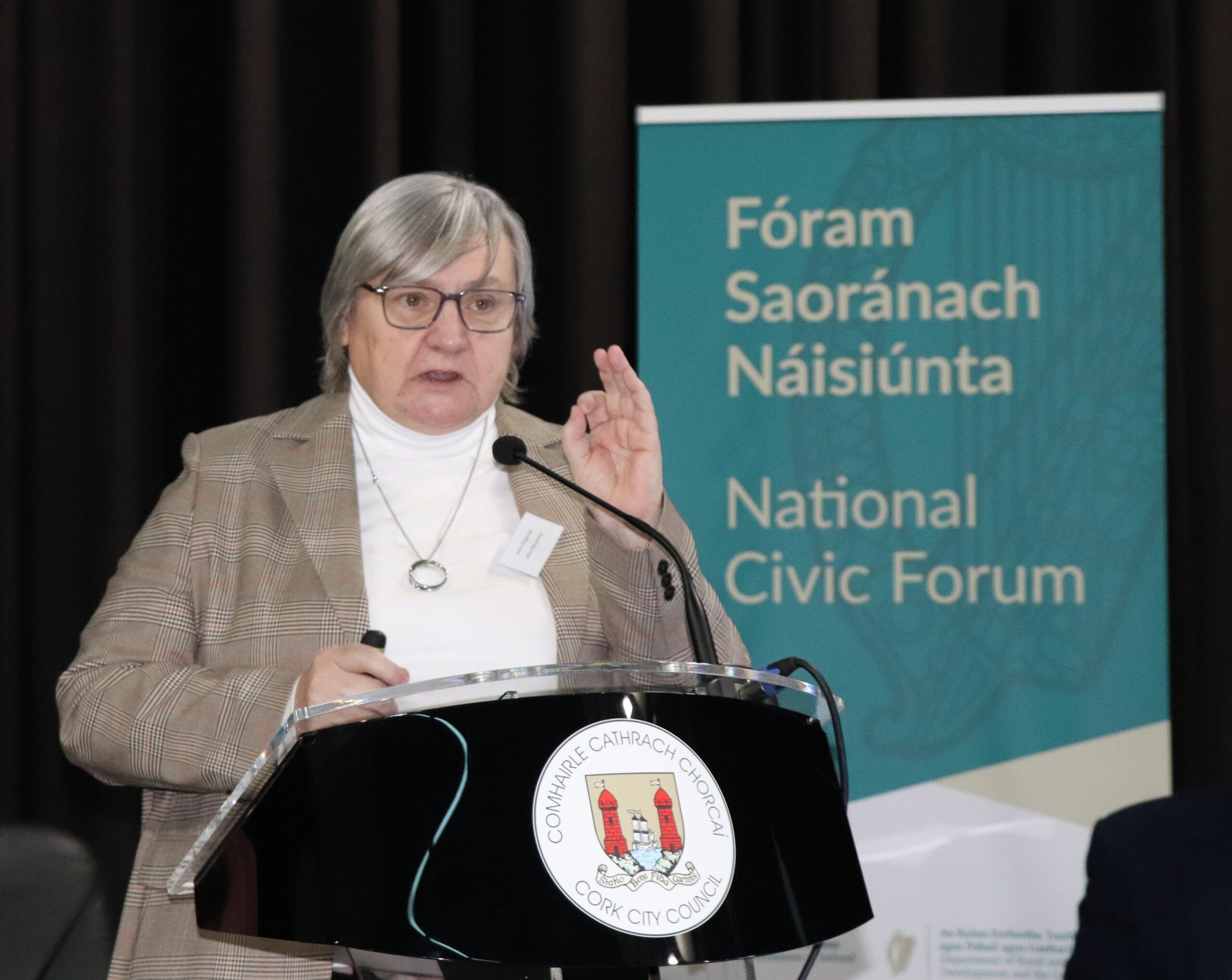
The forum featured presentations on best practice from across the country and gave people a platform to speak about poverty and marginalisation. In that regard, there were alarming statistics regarding food poverty presented by representatives from a project in Cherry Orchard in Dublin.

Anne Fitzgerald, CEO of the Liffey Partnership, and Trisha Loughman, senior health promotion officer with the HSE, pointed to their recently published report called “Spinning Plates” which found that 43% residents in these parts of Dublin experience food poverty, compared to a national (also alarming) figure of 9%. For residents in Cherry Orchard there are 17 takeaways within a 1km range – which impacts on people’s health and pocket.

In regards to all anti-poverty work, Ann stressed that “It is really important to keep community voices at the heart” of discussions on policy. While noting the increasing number of foodbanks in Ireland, she welcomed the fact that there is now more focus and discussion on poverty than before.

In further presentations,  James O’Brien, a volunteer from Wicklow, Laura O’Callaghan of the Disability Federation of Ireland and Michael Nicholson from Wicklow County Council shared insights from their Disability and Inclusion Steering Committee.

Collette Deeney, co-ordinator of Monaghan Children and Young People’s Services Committee, and Packie Kelly, manager of Teach na Daoine Family Resource Centre, delivered a presentation on Local Area Child Poverty Action Plan Pilots.

The afternoon featured presentations on the We Act Campaign by Claire McGowran and on Public Consultation Guidelines by Barry Vaughan from the Department of the Taoiseach.

In his closing remarks, Minister Buttimer thanked participants for their continued commitment to strengthening communities across Ireland.

“You are at the coalface and without you there would be catastrophe in my opinion,” he said. He noted concerns that “poverty is alive and well” and we must tap into the power of collaboration to tackle poverty.

As in previous years, for those who missed the forum, the views, proposals and presentation notes are expected to be made available in due course on gov.ie

Little Free Libraries are popping up around the country

A schoolteacher himself, Todd felt the movement he founded could have a global impact. He once said, “I really believe in a Little Free Library on every block and a book in every hand. I believe people can fix their neighbourhoods, fix their communities, develop systems of sharing, learn from each other, and see that they have a better place on this planet to live.”

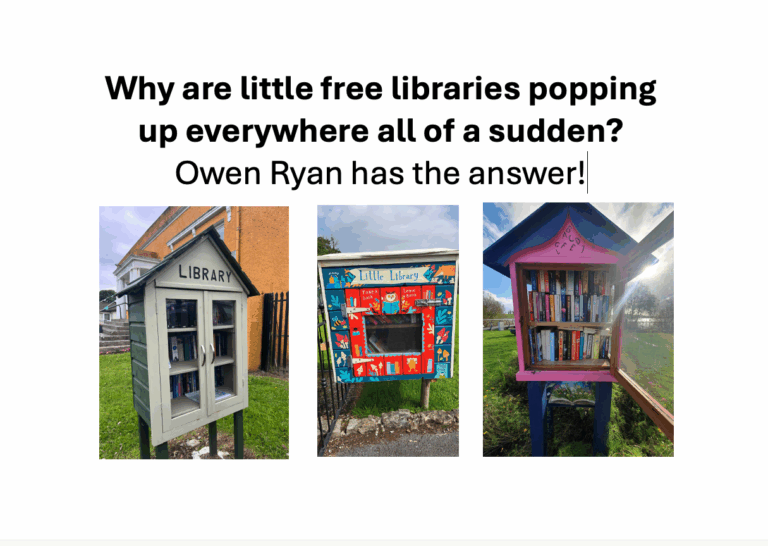
Over the last few years, Little Free Libraries have opened up all over the country. This summer saw a new addition open in the town park in Athenry, Co. Galway.

Erin Maglione was involved in its establishment and they called launch day ‘The Big Day Out’.

“We had a big event in Athenry park. We did a library grand opening, we had local authors come, we cut a ribbon and read stories,” she said.

The idea began as a chat among friends in the park

“We said it’d be nice if there was a place to share books and read and be outside. The public library here is great, but it’s not open every day. This is an easy thing to do to promote community involvement,” she said.

Anyone can take a book, or their old books there.

“You can take whatever you want, bring what you want. Some people will be cleaning their house out, they’ll bring a box of books and fill the whole library. By the next weekend it’s a whole new set of books, they just keep going in and out,” said Erin.

Joe Duff and Eamon Madden of Athenry Community Council upcycled an old utility box for the library, while it was painted by Tanya McGarry.

“She designed it in a way that promotes little things about Athenry, there are little creatures on it reading books about Athenry. It’s fun to look at.

“Athenry has a good history of writers living and writing here. There’s definitely a community here that enjoys reading and writing and the arts, and it’s nice to put that out there and make a visual thing of it,” she added.

For more information on Little Free Libraries go to https://littlefreelibrary.org/ or check out the Little Free Libraries Ireland Facebook group.

Spuds overhead in Galway city after Minister opens roof garden

Linda Sice Brogan, CEO of Galway City Partnership (GCP) says the garden is a great example of what can be done in urban spaces and at community or business level.

“GCP wanted to demonstrate how locally produced food can reduce the carbon footprint of supply chains and show that any urban space can be transformed to provide locally grown produce.”

Funded by the Community Climate Action Fund which is awarded by Galway City Council and the Department of Climate Energy and Environment, the project began in February of this year. It is skillfully tended by participants on the Tús and Community Employment programmes with support from Hinterland.

• Photographs by Aengus McMahon.

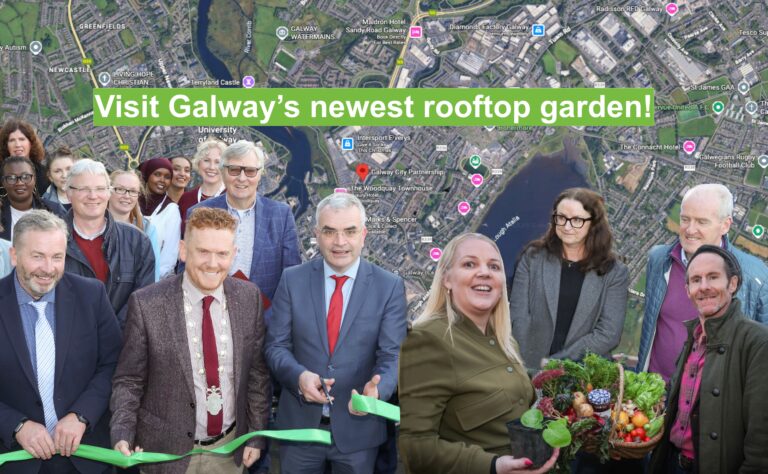
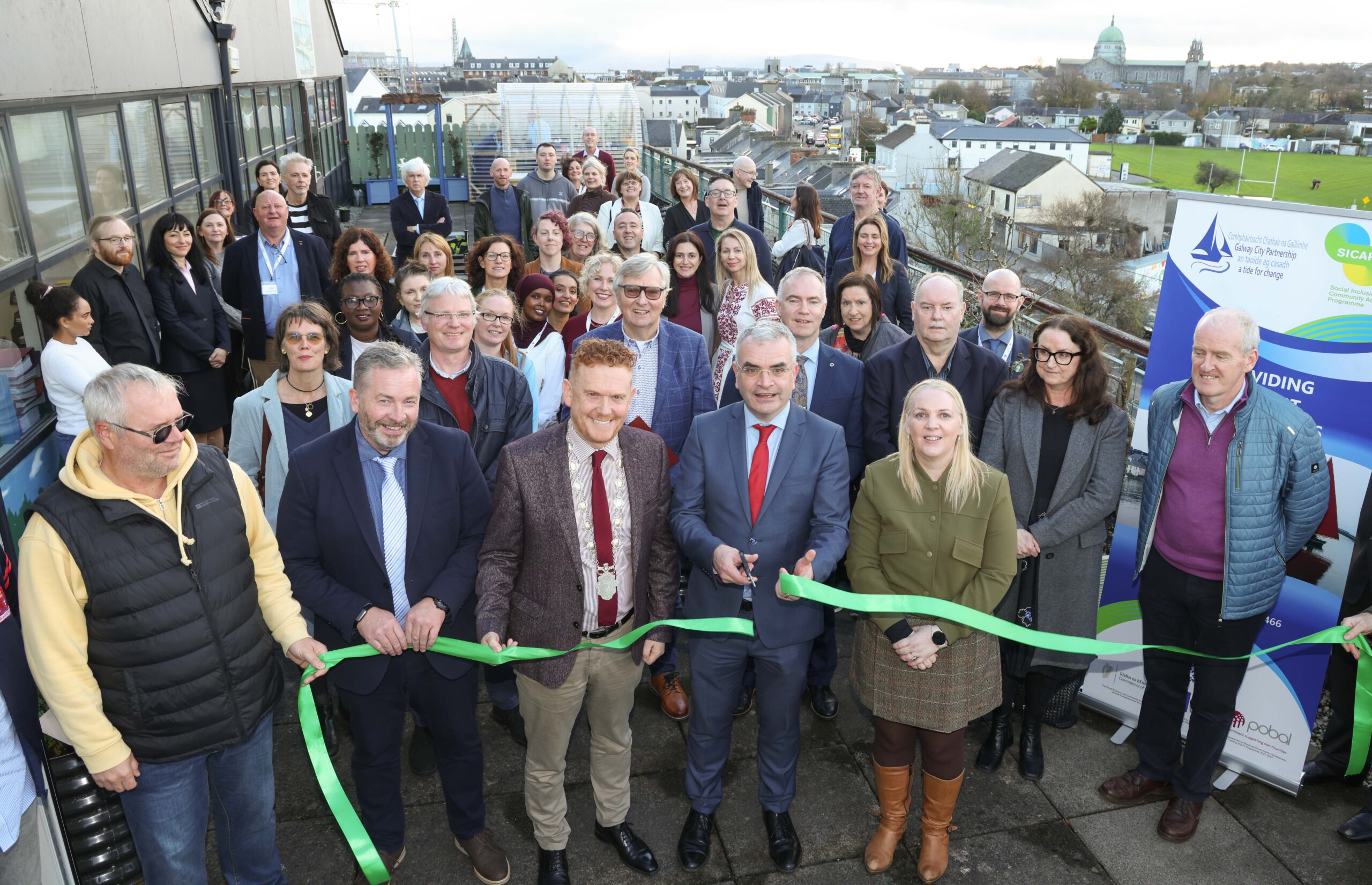
The opening was performed by Dara Calleary, Minister for Rural and Community Development and the Gaeltacht, and Social Protection.

The minister praised Galway City Partnership, saying it is “a highly effective and dynamic partner for my departments in providing social inclusion and employment services across the city. Their staff and boards have brought about momentous change and hope for people and communities for many years.”

He said it was “fantastic to see yet another example of what’s possible with a partnership approach” and he commended Galway City Council, the Local Community Development Committee, the Department of Climate Energy and Environment “as well as officials in my own Departments who work so well with GCP on many community and employment programmes”.

Derek Pender, deputy CEO of Galway City Council, outlined the impact of the Community Climate Action Fund in Galway City,: “It is impressive to see the development of this urban garden which is one of 19 local projects which were successful in an overall fund of €560,242. Some of the completed projects to date include a new community garden in Ballyloughnane, a huge Solar PV system on Westside Resource Centre, a full retrofitting project at No. 4 Youth Service and an EV cargo bike at Café Link Galway, to name a few.”

The chairperson of Galway City Partnership welcomed Minister Calleary and the large audience that included deputy mayor, Alan Cheevers, detective inspector Fergus Gaughan, members of the Local Community Development Committee and supporters from GCP’s local partner organisations.

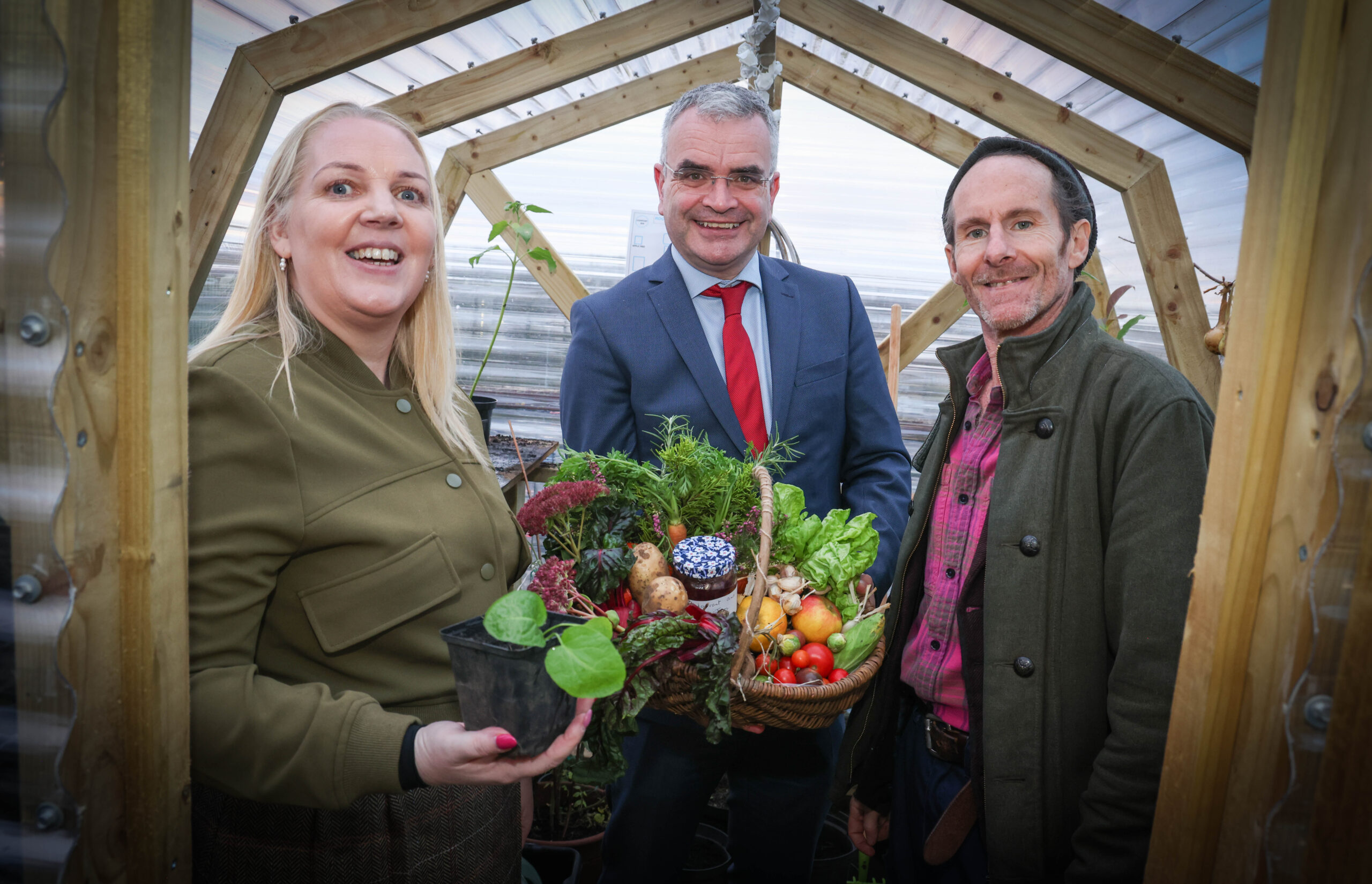
• Pictured at the launch of Galway City Partnership’s rooftop garden were Minister Dara Calleary, Galway City Partnership CEO Linda Sice Brogan and gardener Seamus O’Donnell. 

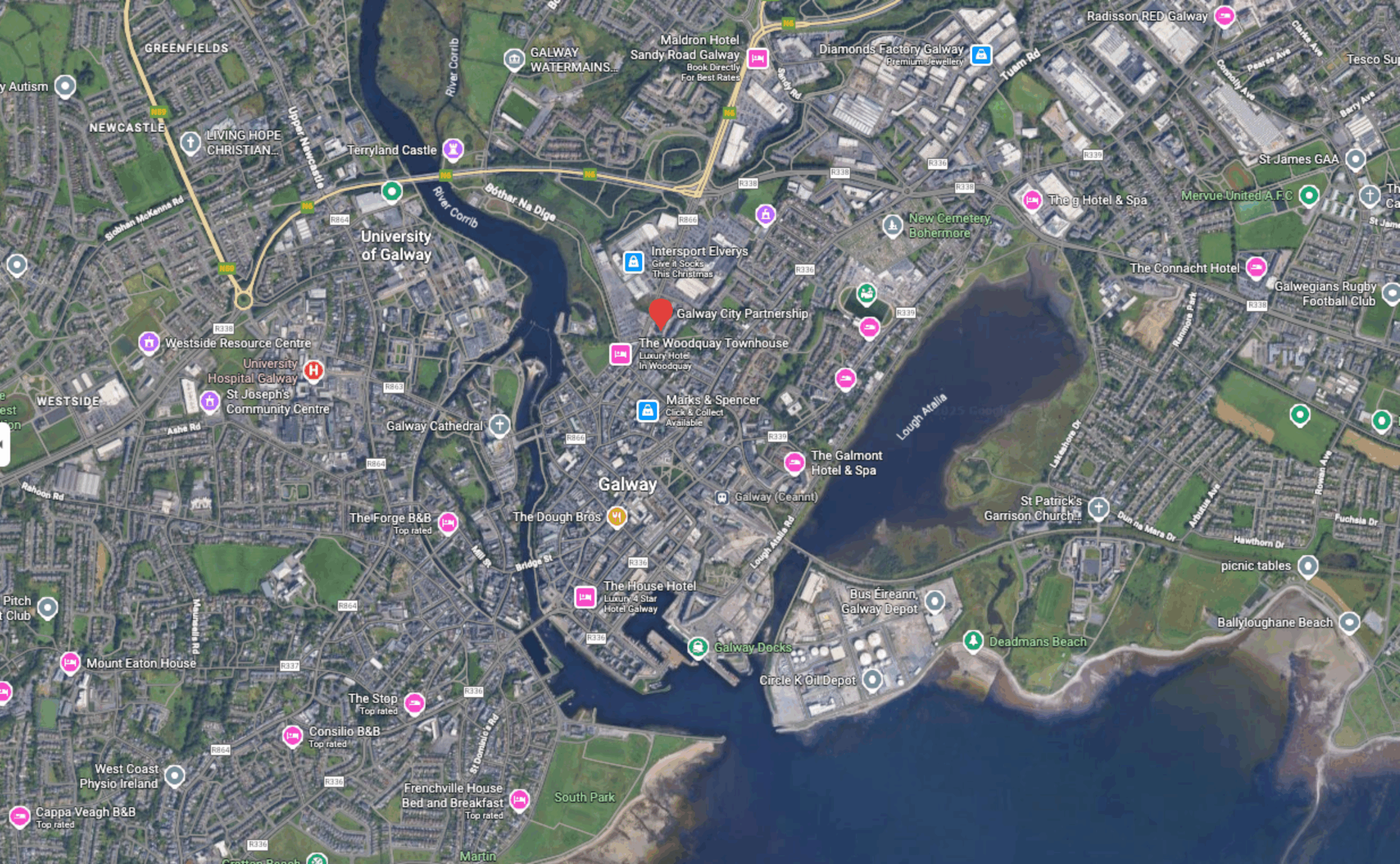
GCP is a local development company dedicated to promoting social inclusion, community development, and equal access to opportunities for all residents of Galway city. Click on map below for exact location on Google Maps. Find out more about their work here: https://gcp.ie/

The Community Climate Action Fund  is part of the national Community Climate Action Programme; it provides funding to empower community groups to take local climate action.

Find out more here: https://www.galwaycity.ie/services/climate-action/climate-action-services/community-climate-action-fund

Why community gardening is good for staff morale

For community groups rebranding is “a really big deal”

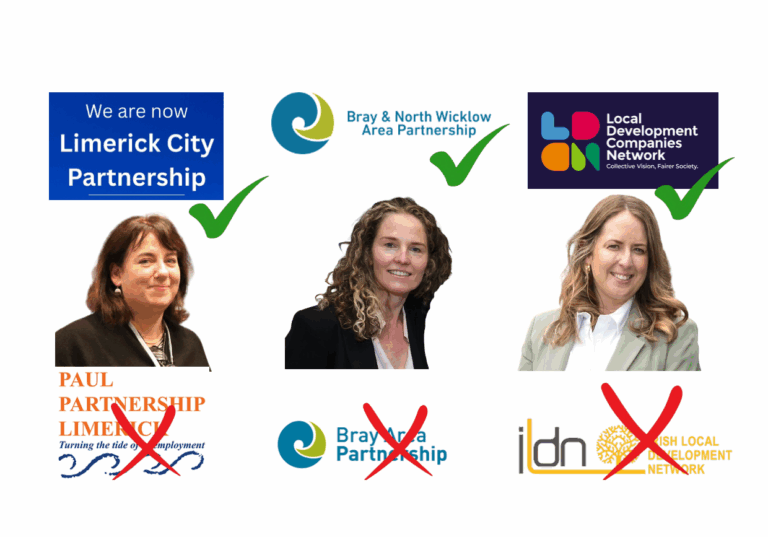
In the mid-west, the long established PAUL Partnership recently became Limerick City Partnership, reflecting changes since it was originally set up in the 1980s.

CEO Jennifer Moroney Ward said it was important to bring the word ‘Limerick’ into the title.

“One of the reasons we decided to change the name was that the location of the Partnership wasn’t in it. You have Galway City Partnership and Cork City Partnership as sister partnerships in regional cities.”

She said that the change came about following extensive discussions with interested parties. 

• Jennifer Moroney-Ward.

“We were doing our new strategic plan, we had internal consultation and external consultation with stakeholders. One of the questions we asked was about the name and whether people understood it. Obviously it has a huge history for a lot of people and a very valued history, so we were very cautious about making any changes. We had that consultation to do a kind of a temperature check, see if people still felt that it had the same recognition.

“We felt that latterly it was getting a bit lost because we didn’t have the location of the city in the name and we also wanted to be working in partnership with the other regional cities. It was just to put the location where we are based that everyone felt was important, that came from external and internal stakeholders.”

Consultation on the new name took place throughout 2024, while there has been a lengthy legal process to negotiate, and there is a new website being prepared, with an overall soft launch planned for November.

While the PAUL Partnership had a long and proud history, she feels there were many people who didn’t understand what the name stood for, while it also didn’t reflect the expansion of what is offered.

“We have a lot of new people using our services and they didn’t know the background to the name. PAUL stands for People Against Unemployment in Limerick, which was of its time, and very much tied to the history of long term unemployment in Limerick. It’s a really cool activist name, but now the Partnership does so many other things alongside dealing with unemployment.

“We (used to) have people ringing up looking to speak to Paul!”

She referred to the ABC Start Right initiative, family support projects, personal development supports and the Social Inclusion and Community Activation Programme, saying, “There’s a whole variety of programmes going on here now that complement employment services.”

She feels the new name is an improvement as it avoids confusion and reflects some of its values.

“We wanted to keep “partnership” in the name, because we want to work in partnership with people. We were also getting confused with Vincent De Paul and De Paul Housing locally. We’d also have people ringing up looking to speak to Paul! But the main thing is (the change of name) was coming out of the Strategic Plan consultation process.

“It’s a really big deal to change the name, we don’t underestimate that, it’s a big, big deal. But we kept it simple and we just wanted to align it with Cork and Galway,” said Jennifer.

Bray – to Bray and North Wicklow

• Grainne Rogers.

Another name change came about when the Bray Area Partnership became the Bray & North Wicklow Area Partnership.

Its communications officer Gráinne Rogers said that the change was to more accurately reflect the area it serves. 

“We have a larger net of coverage, basically. We originally started 30 years ago and we were Bray Partnership, then it became Bray Area Partnership. Now we cover the Bray Municipal District, the Greystones Municipal District and Enniskerry, parts of Newtownmountkennedy and to reflect that coverage we changed our name from Bray Area to Bray and North Wicklow Area.”

She says that while the area it works on is fairly well defined, there is some co-operation beyond the North Wicklow area. 

“Our main programme is the Social Inclusion & Community Activation Programme – SICAP. That covers about 80% of our work and that is clearly defined in the area. Then we do other work, we have a pilot programme on Child Food Poverty Research, that’s with the borough of Dun Laoghaire. That’s in Dublin and it’s a kind of unusual one. There is flexibility with certain projects, but with SICAP the area that we cover is very clearly defined.”

ILDN rebranded this year as the LDCN

• Michelle Mullally of the Local Development Companies Network. Note: In November, Michelle bade farewell to colleagues and friends in local development as she moved to a new job.

Earlier this year the Irish Local Development Network renamed and rebranded itself as the Local Development Companies Network.

“We hired a company called Designedly and they worked through the process with us. They looked after the design, we had to do the background, the legal part and we’ve changed the website now as well,” said spokesperson Michelle Mullally. 

“It’s kind of funny how it came about, it just felt right. We do everything in consultation, we have meetings and it came out of that. Everyone discussed it and there was a consultation to involve everyone, so they could feed into the whole process.

“It just sums us up a bit better. Irish Local Development Network doesn’t really show that there are companies. There are 45 companies in our network and we wanted to put them to the centre.”

She feels it has been very successful so far: “We have had very positive feedback, everyone likes it. It’s a new brand and it has gone very well.”


Shankill Shared Women’s Centre wins top EU award

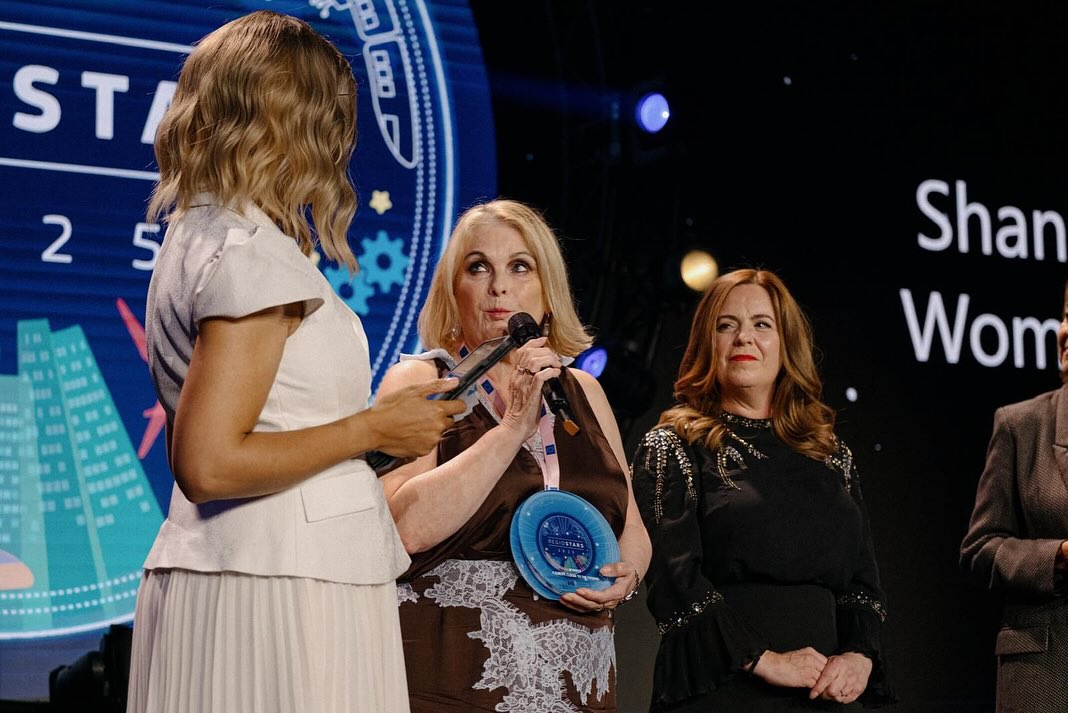
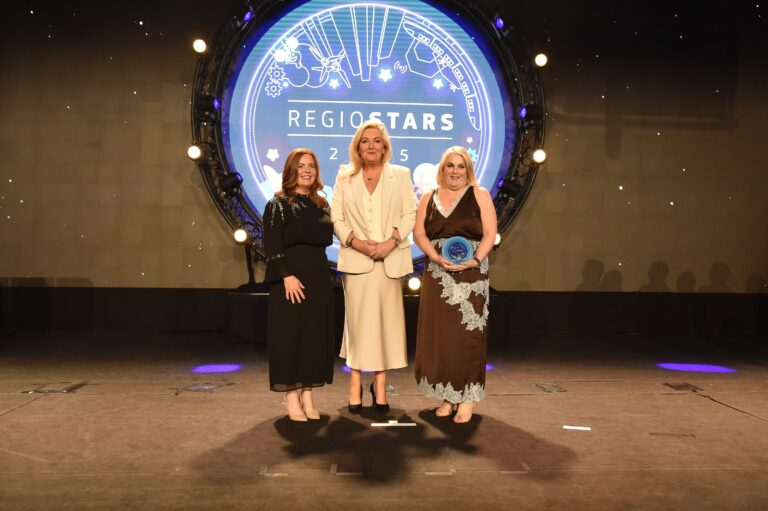
The centre is backed by the EU PEACE IV Programme, managed by the Special EU Programmes Body (SEUPB), and it won the ‘A Europe Closer to Citizens’ category at this year’s REGIOSTARS awards.

The award was presented at a ceremony in Brussels in October that brought together the best examples of EU-funded projects delivering transformational change, as part of the European Week of Regions and Cities.

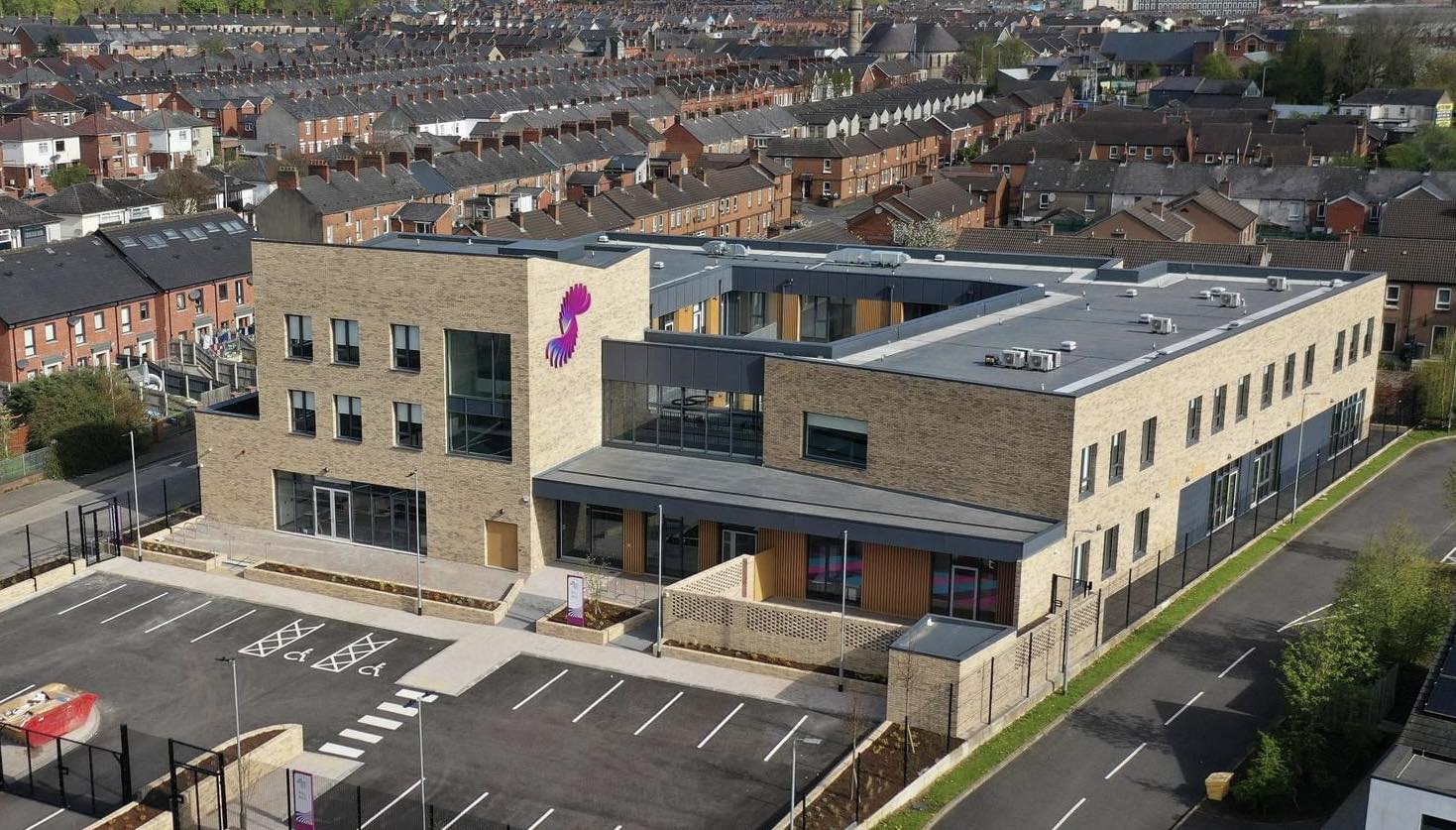
The £7.8m shared-space facility, which is situated close to the peace wall at Lanark Way in Belfast, delivers a broad range of vital services and support for women and their families from all community backgrounds. It aims to help create a more cohesive society through an increased provision of shared spaces and services.

The centre opened last year, providing a new, fit-for-purpose home to the Shankill Women’s Centre, who share the building and deliver services with partners.

Match-funding for the centre was provided by the Department for Communities in Northern Ireland, and the Department of Rural and Community Development and the Gaeltacht in the Republic of Ireland. Funding was also provided by project lead partner, Belfast City Council.

Shankill Women’s Centre from the air.

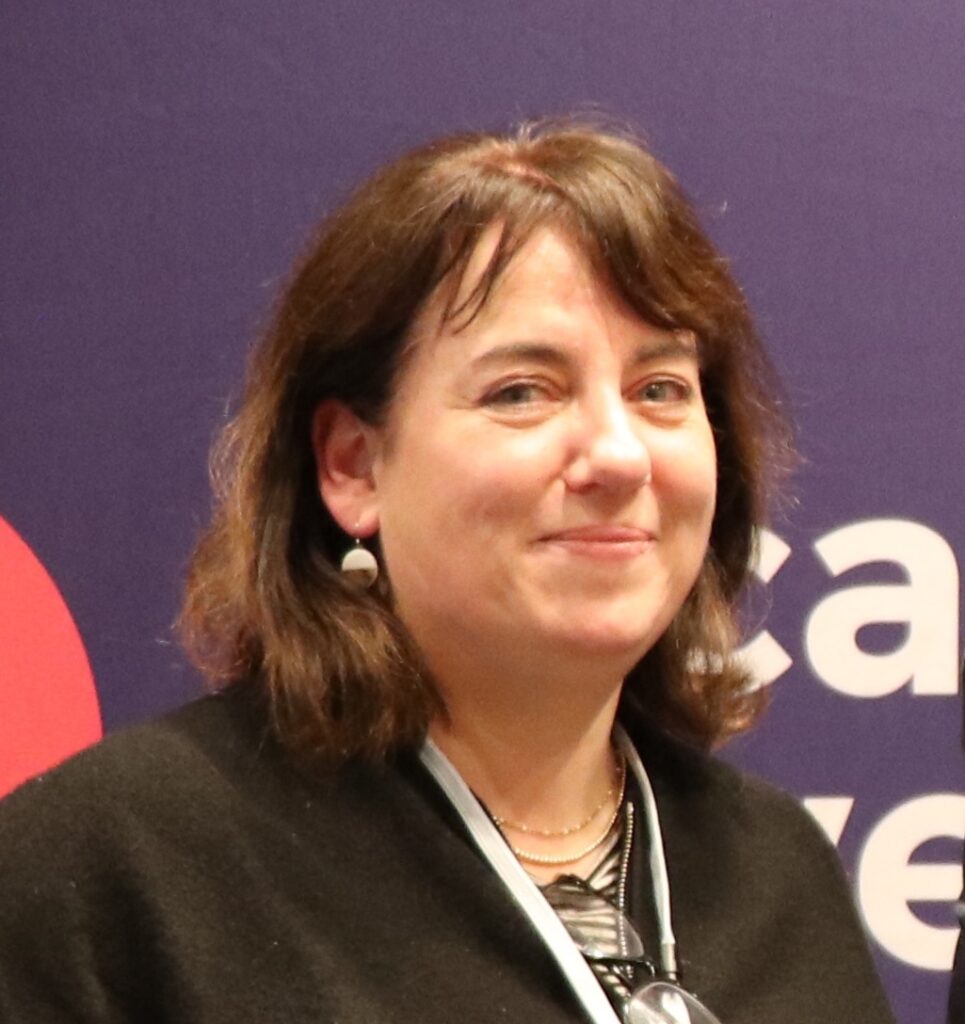
Betty Carlisle, manager of the centre, said: “Winning the REGIOSTARS Award is an incredible honour and a deeply emotional moment for everyone connected to the Shankill Shared Women’s Centre. This recognition at a European level affirms the transformative impact our work is having in the community and highlights the power of inclusion, collaboration and shared purpose.

“It’s a tribute to the tireless efforts of our staff, volunteers and partners, as well as the many women who have walked through our doors seeking support, connection and opportunity. From the early campaigners who dreamed of a shared space, to those delivering and participating in programmes every day, this award belongs to you.

“We are proud to stand as a beacon of hope and progress, showing what can be achieved when communities come together to build a better, more inclusive future.”

“I am thrilled. The centre was rightly named a shining example of promoting inclusion and delivering life changing impact within the local community. This is a monumental achievement and one that belongs to everyone who believed in and helped deliver this vision,” she said.

Betty Carlisle, manager of Shankill Shared Women’s Centre, in Belfast, accepting the REGIOSTARS award.

She congratulated volunteers, staff, Belfast City Council and all funding partners and the SEUPB team.

“This recognition underscores the power of collaboration, courage and community, and through PEACEPLUS, we will continue to build, grow and strengthen spaces that bring people together,” she said.


The REGIOSTARS Awards is an annual competition organised by the European Commission to recognise outstanding EU-funded projects that demonstrate excellence and innovative approaches in regional development.

The awards highlight the impact and inclusivity of regional development initiatives.

Here are the 2025 winners by category:

A Europe Closer to the CitizensShankill Women’s Centre (Ireland, UK).

A Competitive and Smart Europe – Satellite radar-based fertilisation maps, Fertisat (Poland).

A Green Europe – AGEO – Atlantic Geohazard Risk Management, Instituto Superior Técnico (Portugal, Spain, France, Ireland, UK).

A Connected Europe – MONOCAB OWL – New mobility on old tracks, MONOCAB OWL (Germany).

A Social and Inclusive Europe – Early support for families at risk, Perinatal.cz (Czechia).


Surprising benefits “if you present yourself as the CEO”

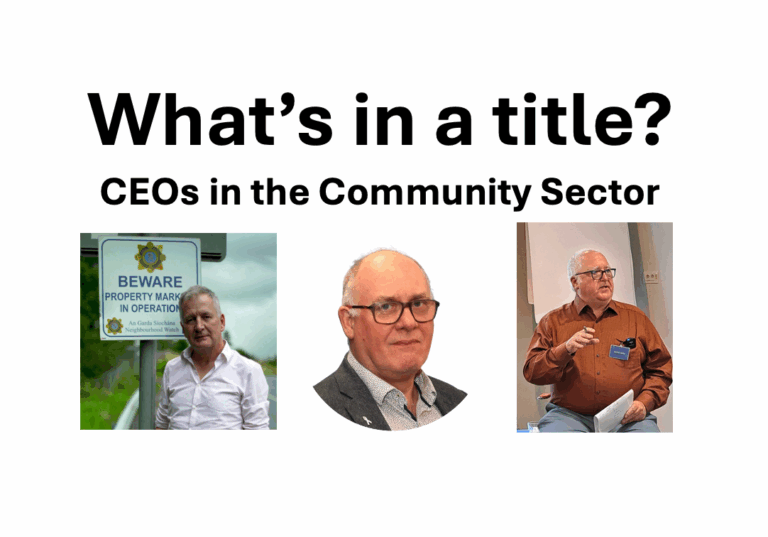
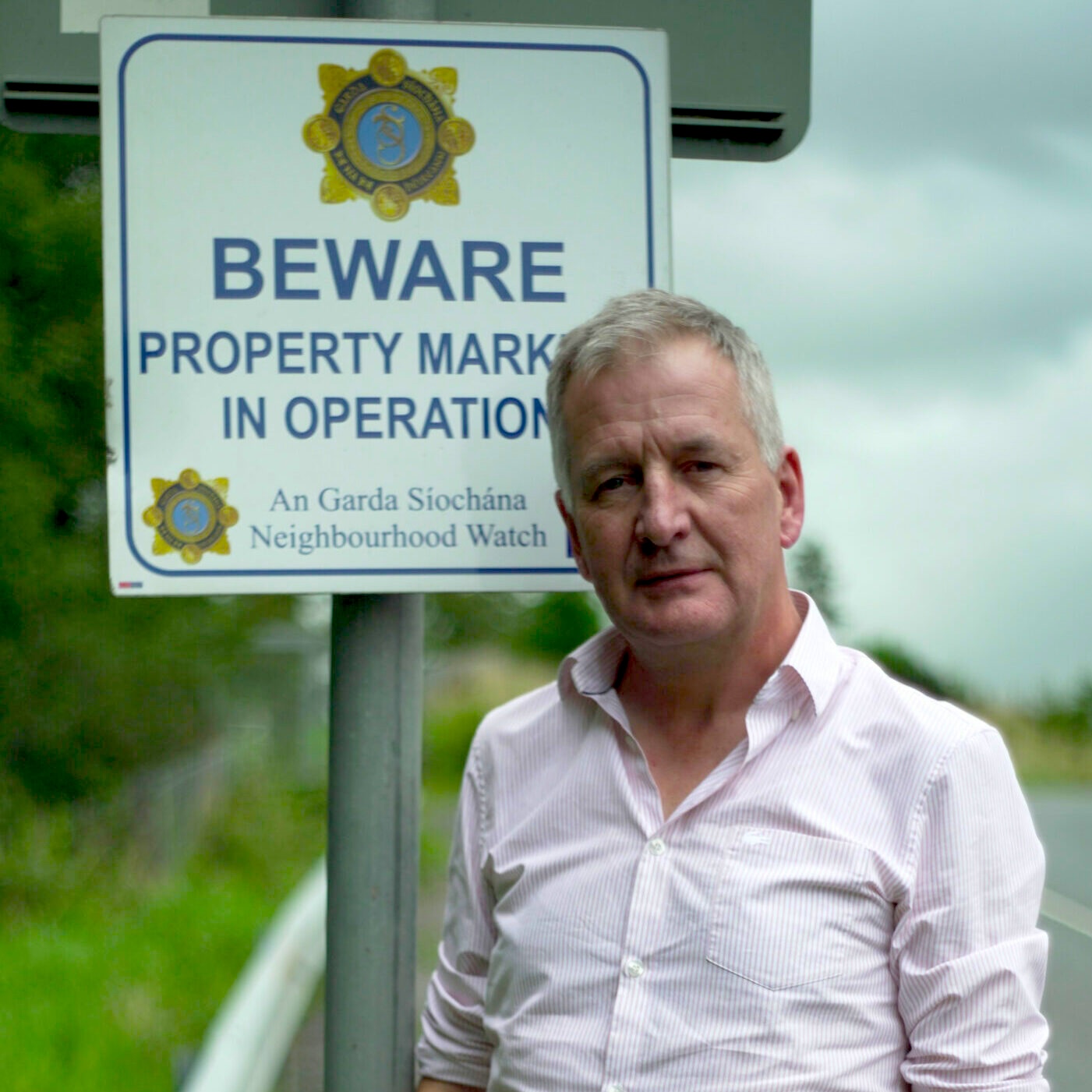
James O’Neill is the founder and CEO of Property Marking Ireland and he finds that, rightly or wrongly, the title of CEO attracts a greater level of respect. 

“I have a board that I report to. We thought about it and it’s for recognition (the use of CEO) as much as anything else. When you go to pitch your programme to senior decision makers, you might get more ‘active listening’ out of it than if you went in as a manager or an operations manager,” he says.

Zero interest to 100% with change to CEO

• James O’Neill.

In the early stages he went by the humble title of operations manager and met with little success while giving pitches. However when his title was changed he suddenly developed a Midas touch. 

“I made three pitches as an operations manager, and they  were not successful. Afterwards, 19 times in a row, with 19 local authorities I was successful (in that) they all found funding for me. It’s as if they found greater validation in having the CEO presenting to them. I could be wrong there, but that’s my experience.”

He acknowledges that there may have been other factors. Perhaps he was improving, perhaps the local authorities were talking to each other behind the scenes, but he feels people sat up and took more notice when a CEO stood opposite them. 

James also feels that using the title CEO impresses people even before they meet the holder. 

“It’s for validation. Even in Government circles, in the bureaucratic chain, if you were looking to meet a secretary general of a department or whoever, you’d probably get your appointment quicker if you present yourself as the CEO than if you presented yourself as operations manager or something like that.”

It’s not that he is in love with the title by any means, but he feels it does have surprising benefits. 

“I’d probably be more comfortable with community officer or development officer. However, for me to grow this organisation and have the greatest impact I have to use the title CEO and founder.”

Practical

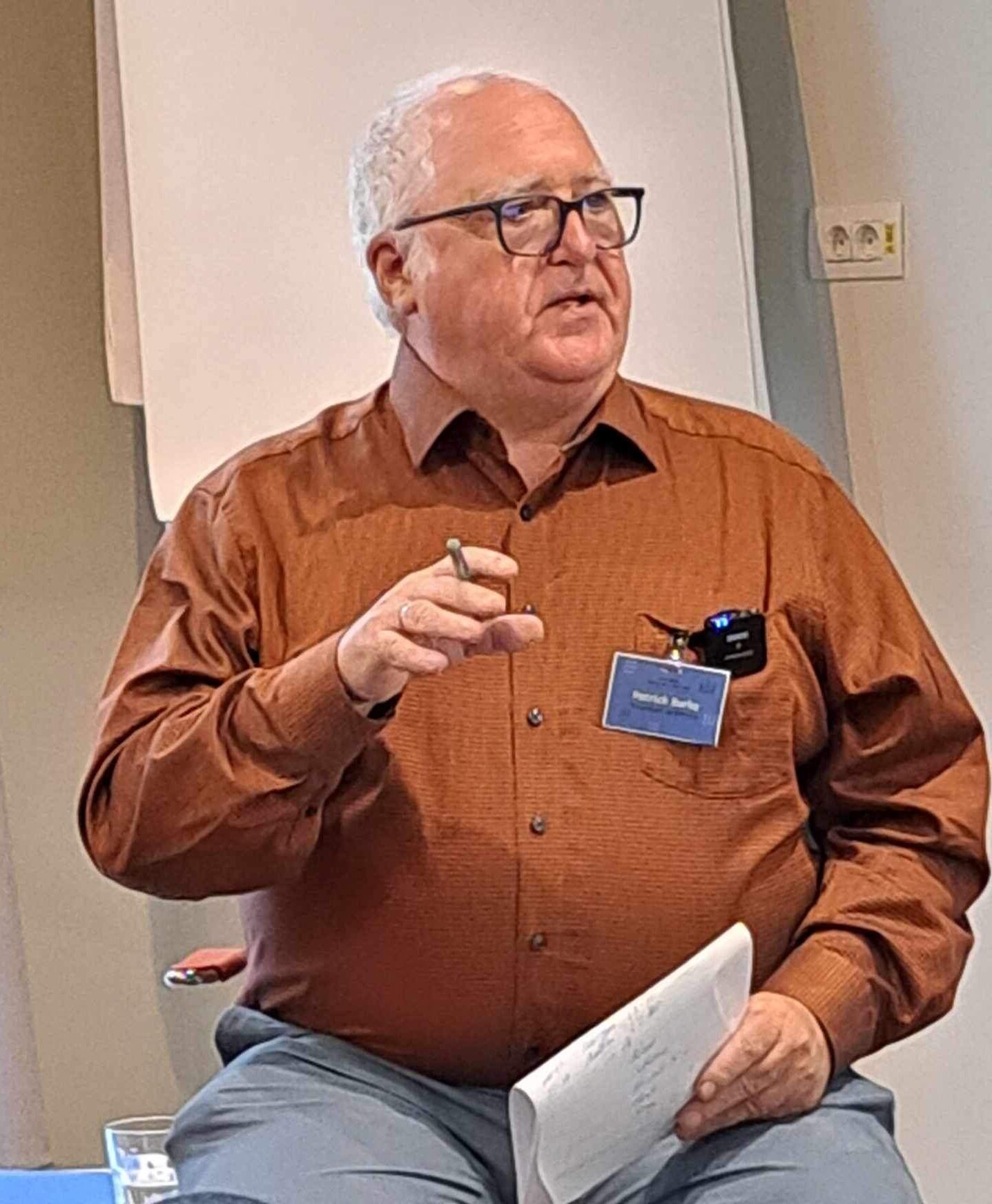
• Patrick Burke.

Patrick Burke is CEO of Youth Work Ireland and he feels the title became widely used in the sector for very  practical reasons.

“There was some confusion between paid staff and voluntary board, so for that reason it made sense to change it to CEO. I think that’s why a lot of people moved in that direction. It was around good governance, the board had a strategic role, while the paid staff including the CEO have the job of implementing the wishes of the board on a daily basis.”

He hasn’t noticed it having had an impact when funding is being sought, although he does feel there are similarities between the world of community development and that of commerce. 

“I’ve always been involved in the sector and there has been a very close relationship with the corporate sector, not so much in the job I am in now, but when I was in the area of homelessness there was a lot of sponsorship. They understood that we had a corporate body, we have to register as companies limited by guarantee so we are subject to company law in the same way as they are. So there would be a lot in common, and they’d understand where we are coming from.”

Pride and ego

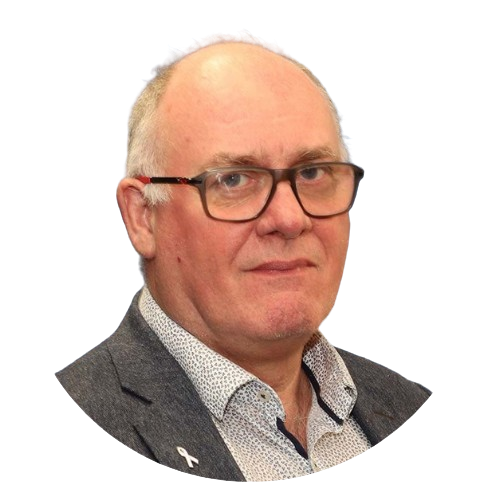
• Sean Cooke.

Sean Cooke is CEO of the Men’s Development Network and he has noticed how prevalent the title has become. 

“Going back maybe 15 years ago there was a proliferation of jobs becoming CEOs. I don’t know whether it was the egos of the individuals or if there was a strategic objective to it. My sense is that it was more of an individual preference. I could be wrong about this, but I don’t know if any organisation said it’d be a lot better to have a CEO rather than a director or a programme manager or whatever.”

He says that many people who become CEOs, himself included, tend to be ambitious, and were not in the least bit uncomfortable with the new term. 

While he does accept that there was a need to differentiate between managers at different levels, he doesn’t feel that alone explains the rise in popularity of the title.

Indeed, he thinks you could see how attached people have become to the title if it started being phased out again. 

“I think you’d get a lot of people objecting. They’d see it as potentially a diminishing of the function of the organisation or the status of their role or whatever, there definitely would be that. Some of it’s about future progression in other organisations and that kind of stuff. People who go into these roles, and I include myself in this, are ambitious people, both for themselves and the organisations that they’re working for. But there’s definitely a bit of ego attached to it, there must be. That’s my sense of it,” says Sean.