
Information for individuals on where to find free support and, if you wish – to join groups that appeal to you.
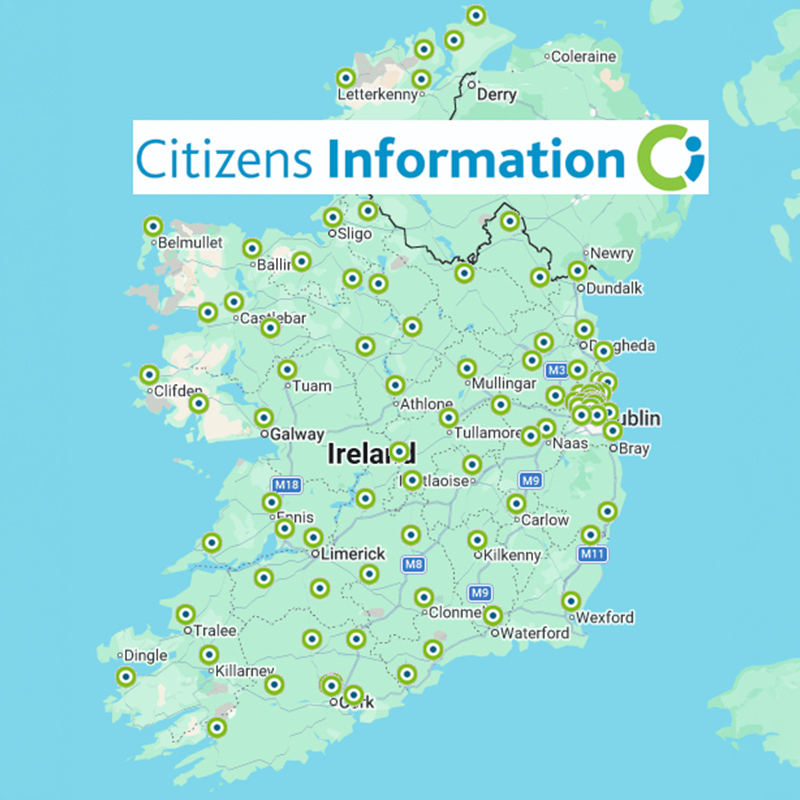
Citizen Information Centres, established over 50 years ago, do as their name describes by providing citizens with information, advice and advocacy on a very wide range of subjects: from what to do when your baby is born, to applying for a passport, consumer law, tenant and landlord rights, income tax and social welfare rules, employment rights, how to handle neighbourhood disputes and on and on. It is often the first port of call for people with queries about government services, the law, rights, responsibilities and supports provided on a national basis.
There are 90 Citizen Information Centres (plus seven more operating in prisons) and they handled over 760,000 queries across the country in 2024. They help with advocacy, application forms, making complaints, linking people with the Money Advice and Budgeting Service, and much more.
The website is fantastic too.
The UN-recognised Social Inclusion and Community Activation Programme (SICAP) provides free, tailored, one-to-one support to individuals whose life experience means they are among the programme’s target groups.
The supports are co-ordinated by professional community workers and can lead people onto education, into employment or another venture in life that is often truly transformative. Here are two examples of the kind of personalised action plans that have helped people in empowering ways. The programme won a United Nations Public Service Award in 2022.
You can find SICAP support through your local development company HERE.
You can get a full programme overview from the Department of Rural and Community Development and Gaeltacht Affairs which manages the programme at national level HERE.
This list would be endless if we were to count up sporting organisations, religious groups, charities, choirs, etc.
Separate to those, here are seven networks of projects found across the country that are open to people to join and aim to empower all involved.
We also point you to Activelink’s directory which connects to thousands more community groups.
We know there are more national networks that should be included here. Work in progress.
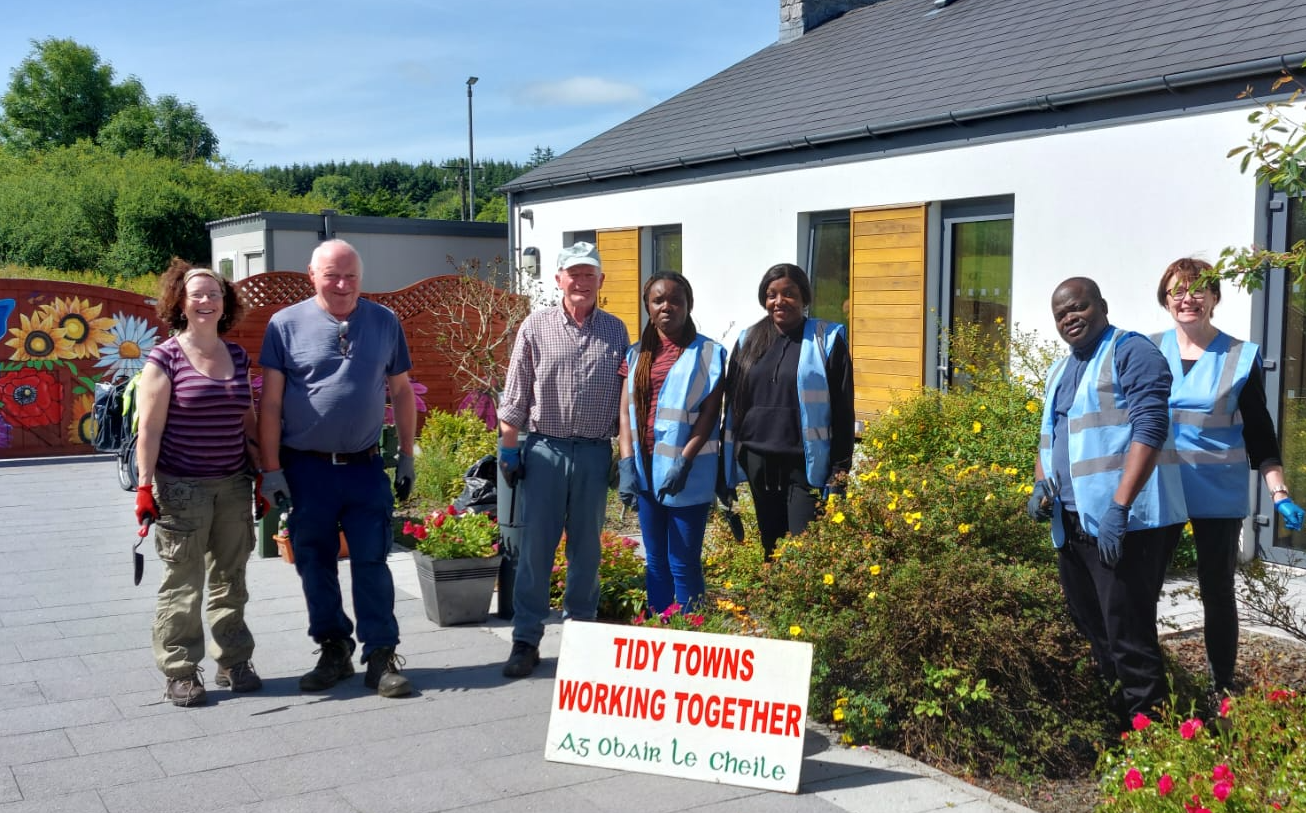
Tidy Towns offers popular volunteering opportunities with prizes for the communities who excel.
There are 17 women’s groups countrywide, including 5 in Dublin, that seek to achieve equality and empowerment for women through community development. Many date back to 2002 and nationally they are part of what is today known as Women’s Collective Ireland. You can see if there is one in your area on their website.
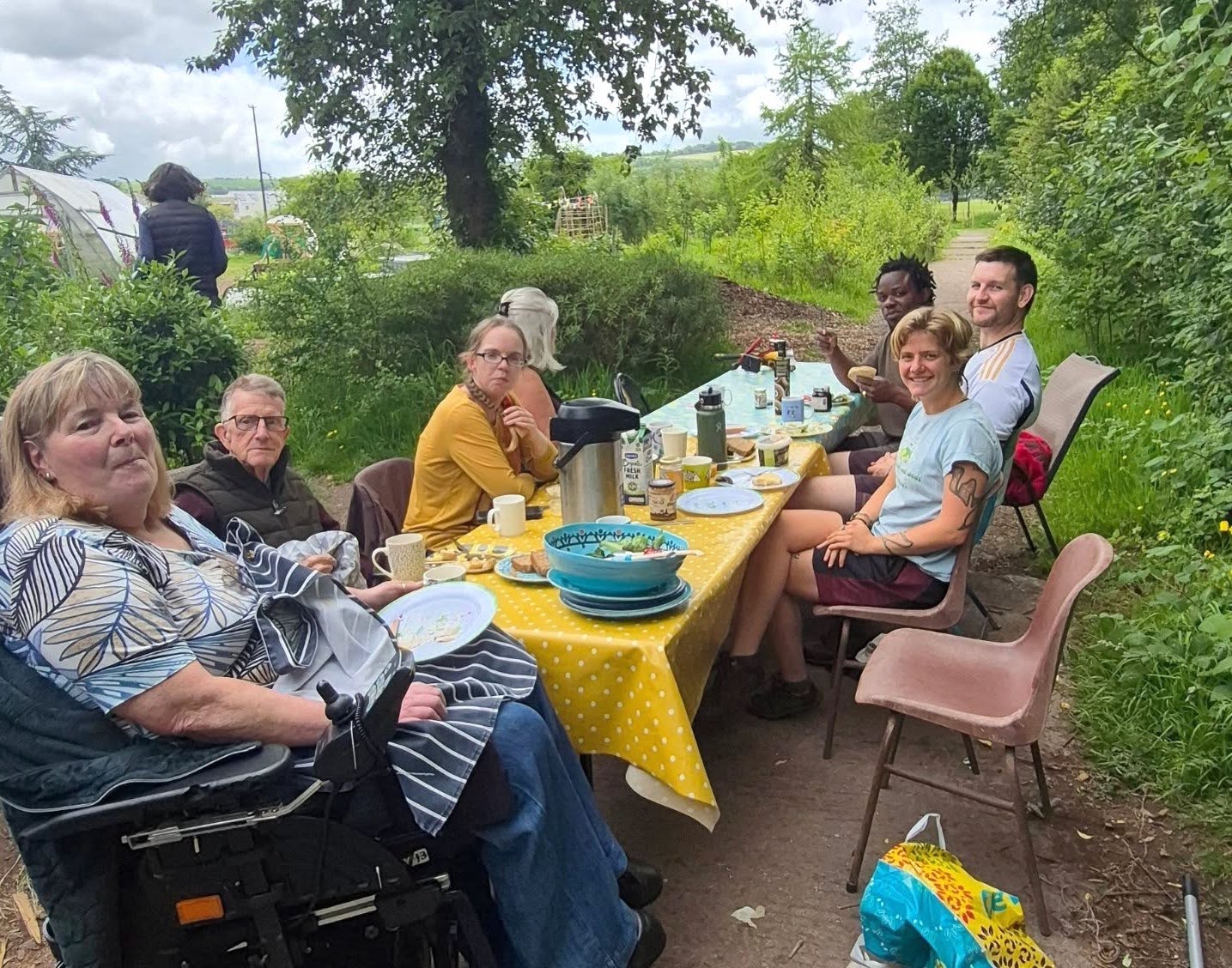
Community Gardens Ireland was founded in 2011 and is a voluntary, independent, inclusive group that works with all agencies and groups which support community gardening and food growing on the island of Ireland.
Sláintecare Healthy Communities also support dozens of community gardens in cities across the country. It is part of an all-island initiative promoted by the World Health Organisation.
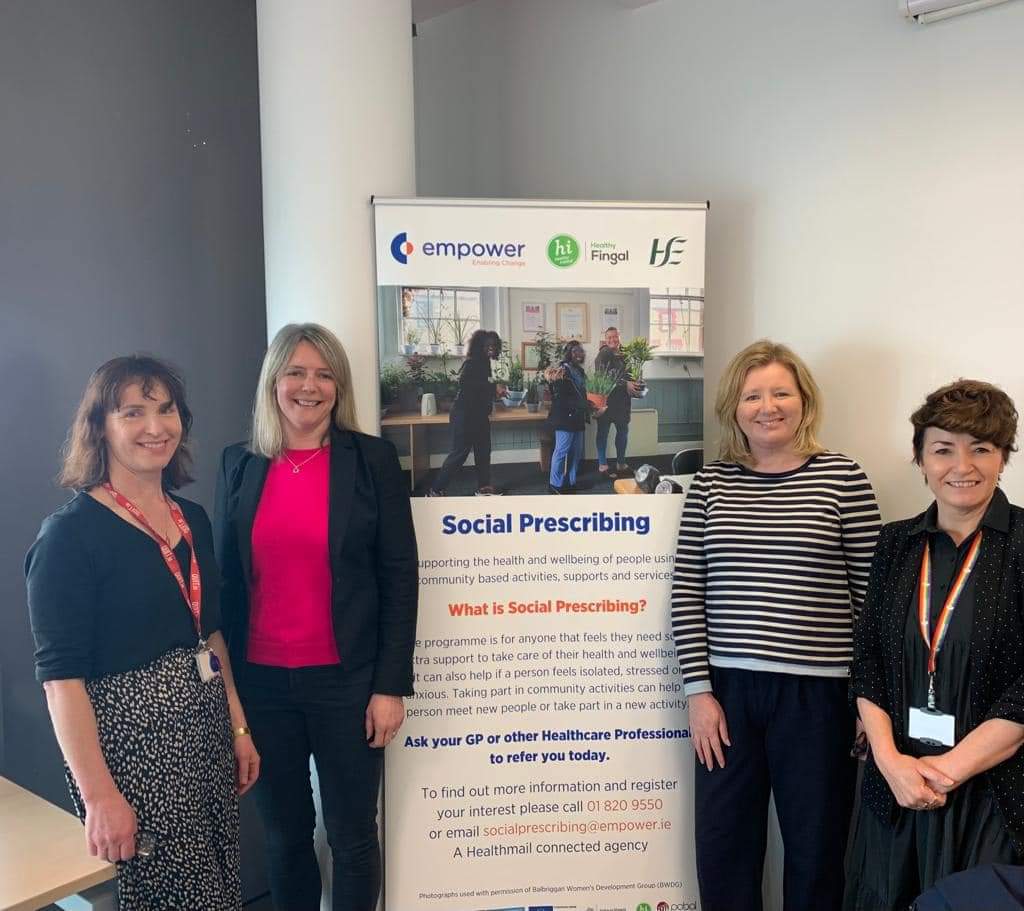
LGBT Ireland is a national organisation underpinned by localised knowledge and responses. Together with its network members, it provides support, training, and advocacy to improve the lives of LGBT+ people across Ireland.
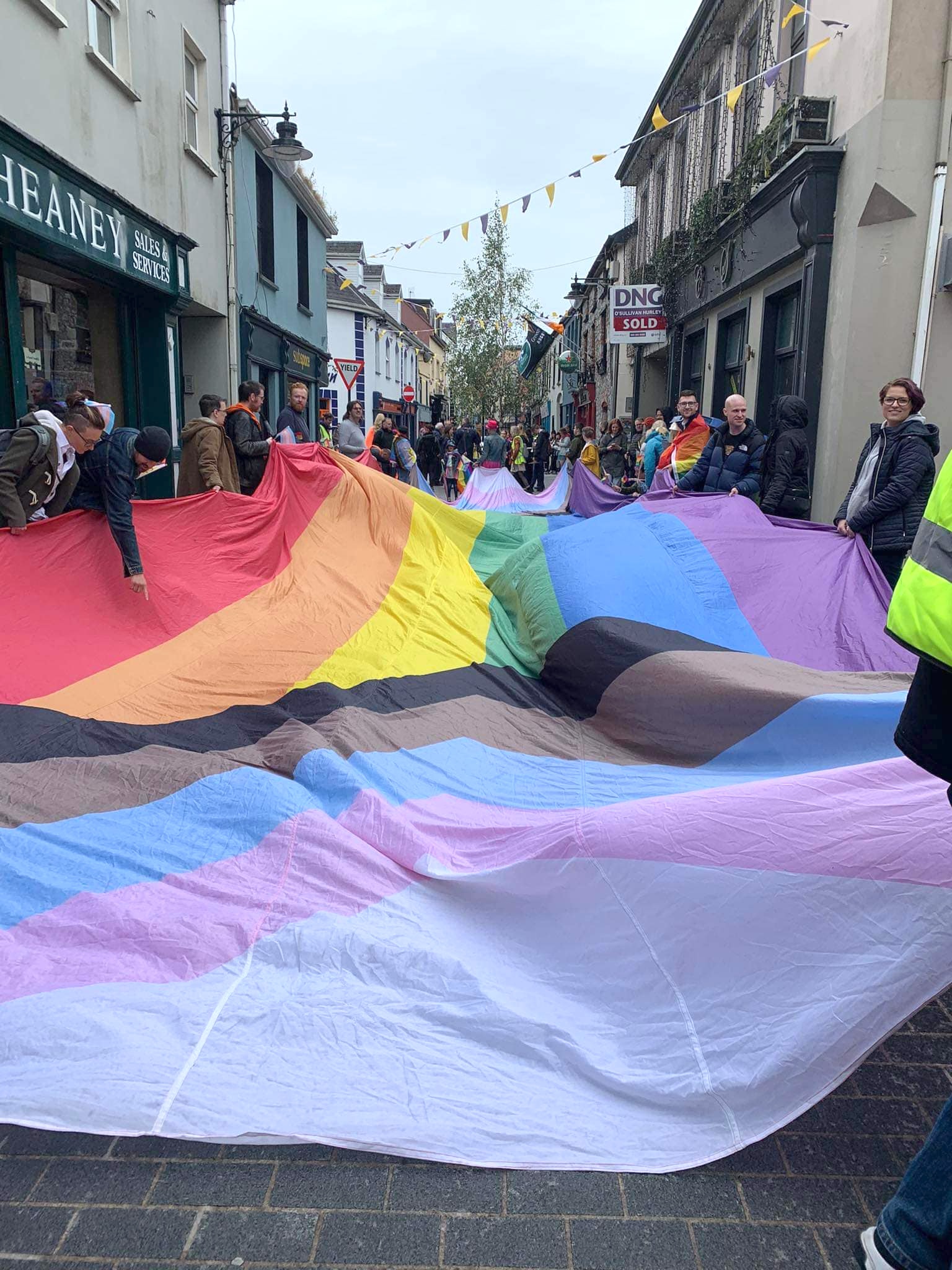
The Switchboard, in operation since 1974, is a 7-days-a-week helpline providing listening support and signposting for members of the lesbian, gay, bisexual, trans, queer, intersex, asexual and other members of the LGBT+ community.
While the Switchboard provides a national service, it is one of nine helplines listed on LGBT Ireland’s website. You can find all nine here.
Fáilte Isteach is a community project involving predominantly older volunteers welcoming migrants through conversational English classes. They have branches in every county in the state. You can see if there is one in your area on their website. If there isn’t they can help you to start a Fáilte Isteach class in your area.
There are 136 Family Resource Centres (FRCs) in the Family Resource Centre National Programme as of 2026 and they all involve local people in identifying needs and developing needs-led responses. All FRCs take a community development approach in their work. They are funded by Tusla – the Child and Family Agency – to deliver universal services to families in disadvantaged areas across the country. Find the nearest FRC to you HERE:
Read about the programme’s expansion HERE:
This impressive service freely connects people with 1,500 notable local and national non-profit and community organisations. While incomplete (not all organisations have logged their details) it is nonetheless the most comprehensive list Changing Ireland has come across. We even found ourselves listed!
Do note that the directory’s 26 categories exclude island communities, social enterprises and national networks. Also, while there are no explicit categories for Travellers and migrants, asylum-seekers and refugees – they may be covered under “Race-Ethnicity”. Other than that, it is excellent in the breadth of areas covered.
The categories are listed in alphabetical order as follows:
Animal Welfare Rights; Arts, Culture & Heritage; Carers; Children/Youth; Civil Liberties/Human Rights; Community Development; Disability; Education; Employment-Unemployment; Environment; Family & Parenting; Health; Housing & Homelessness; Media; Men; Older People; Peace & Reconciliation; Poverty & Exclusion; Rural Development; Race & Ethnicity; Sexual Orientation; Sexual Violence/Abuse; Volunteering & Community Service; Women; Workplace; World Development.
Visit Activelink here: https://www.activelink.ie/irish-links

All of the following schemes and initiatives seek to support people to find paid employment and all are supported in full or in part by the Department of Social Protection.
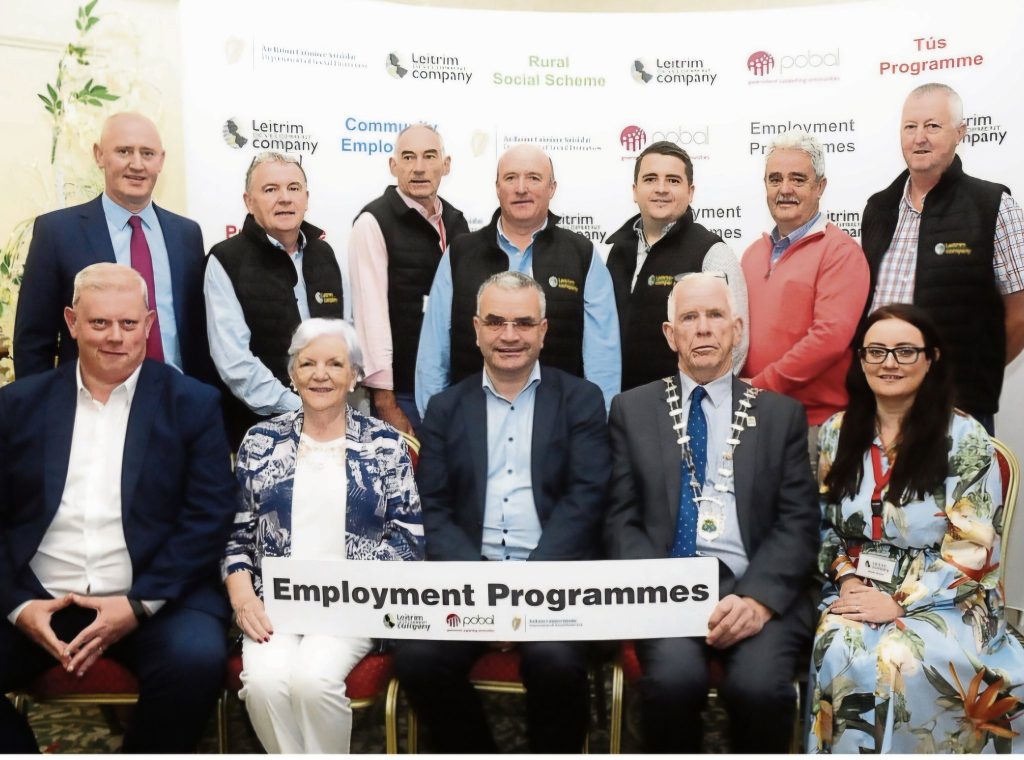
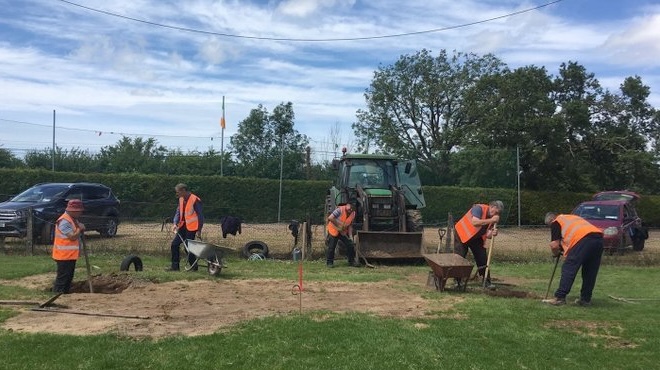
There are over 800 Community Employment (CE) schemes operating around the country supporting almost 20,000 participants nationwide. The scheme provides eligible long-term unemployed people and others experiencing disadvantage with an opportunity to engage in useful work within their communities on a temporary, fixed-term basis. It provides essential support to many communities and the participants gain from the work experience and training.
The Rural Social Scheme (RSS) provides income support for farmers and fishermen while delivering local services.
The Department of Social Protection has a dedicated webpage explaining everything about the BTWEA. For a shorter summary click below.
You can get a Back to Education Allowance if you are unemployed, parenting alone, or have a disability – subject to criteria laid down by the Department of Social Protection.
Provides one-to-one career guidance, CV preparation, and interview training.
There is a one-stop shop national website managed by the HSE for mental health services in Ireland. It includes links to organisations that provide mental health supports and services.
In Kerry, social farming is supported and overseen by a separate organisation called Kerry Social Farming.
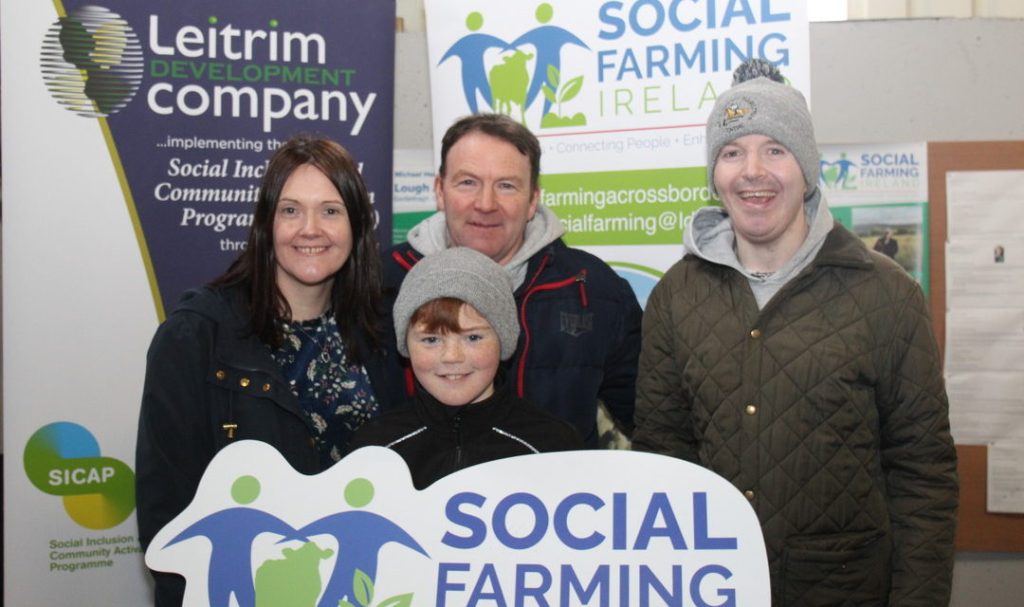
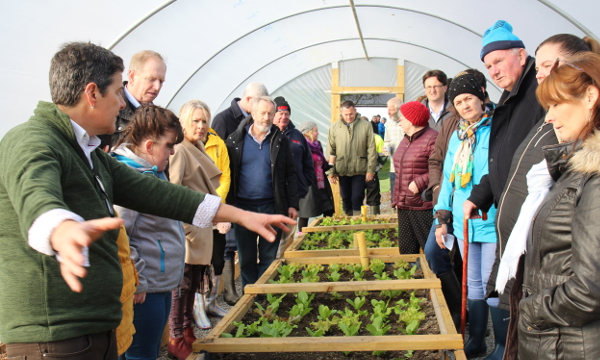
Social Farming involves farmers across the country offering farming experiences for people with disabilities, mental health challenges or those in recovery. The experience for participants can be transformative.
The national network Social Farming Ireland was set up in 2016 and is the go-to organisation for information and participation. The initiative is managed at county level by not-for-profit local development companies.
The Seniors Alert Scheme is a national service that is very popular among older people and their families in case of an emergency. The scheme is administered by Pobal on behalf of the Department of Rural and Community Development and the Gaeltacht. It provides almost free (there is a small initial charge) wearable monitored personal alarms to over-65s.

We encourage you to share our journalism when it is for non-commercial purposes, attributing it where practical to us. For anyone seeking to republish (not just share) our photographs, permission is required in advance.
Contact Us
Where to find us
© Changing Ireland Community Media CLG, 2026. Website by Design My Website