Friday, July 3, 2026
Home Blog Page 17

Social model of disability makes waves – EDITORIAL

0

Imagine if community-based, social enterprises were the preferred choice for delivering goods and services, even infrastructure. We would live in a fairer, more equal world, with more choices.

This aspiration ties in with the social model of disability, which says that many of society’s barriers can and should be removed. It is the opposite to the medical model of disability which is now a multi-billion euro industry and seen as generally disempowering.

As seen with the recent referendum outcomes, people take disability and work as carers seriously. The State and wider society needs to make transport, work and independent living truly accessible. Rights, not charity.
This edition features three examples where people have pursued the social model. With the right supports people can do the things they want to.

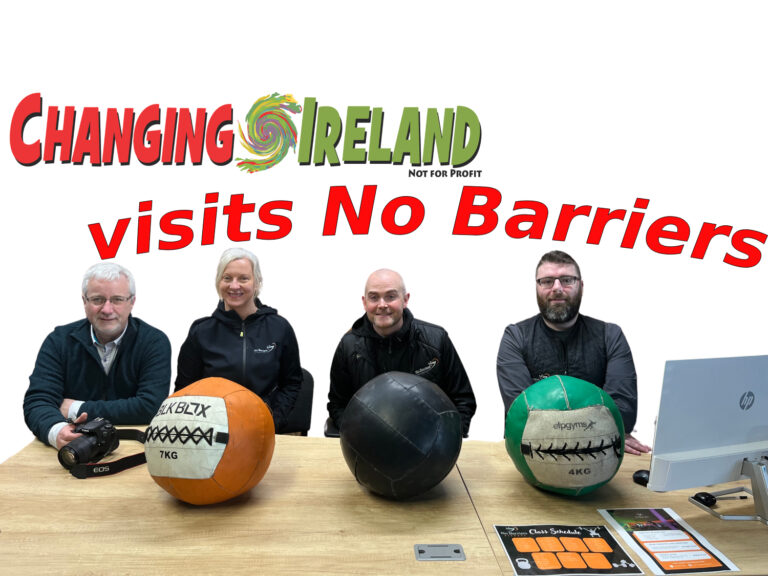
The No Barriers gym in Letterkenny takes a currently novel approach to equality and delivers a service that costs about 10% of what private companies would need to charge to provide the same (they currently offer nothing comparable).

Similarly, Lough Ree’s accessible fishing and boating venture – which features on our latest front cover – shows what can be done.

31 counties have now used Lough Ree’s accessible boat

In both instances, volunteer-managed social enterprises have turned ideas into successful ventures while tackling inequality.

Meanwhile, in Dublin, a local development company is using a council flat to provide real-life training in money management for people with intellectual disabilities.When Viv Sadd, co-ordinator of Mahon CDP and a member of our editorial team, read this article, he declared: “We have to have this in Cork.” What is rare could and should be commonplace.

MEASURING SOCIAL IMPACT MATTERS

Social enterprises often deliver goods and services that the private sector either cannot deliver or will not (eg if profit margins are low).
See pages 20-23 where six winners of a recent competition explain why they measure their social impact and how they do it.

• The six winners were the Shona Project, the Football Cooperative, Sensational Kids, ClareCare, The Together Academy, and Saoirse – Ethnic Hands on Deck.

VOLUNTEERS CAN’T FILL FOOD POVERTY GAP FOREVER

Food insecurity impacts more than 10% of households nationally. However, food banks are not everywhere and community groups fill the gap in some remote rural areas, but their funds and volunteer hours are not limitless. They want the Government to set up a national fund to support their food poverty work. If they are not listened to, they are able campaigners and will “make some noise”.

It augurs well that Minister for Rural and Community Development Heather Humphreys has made inroads in regards to food poverty.

Most recently she announced that, from this April, pupils in 900 more primary schools across the country will receive hot school meals. No doubt she will listen to the people of Donegal.

REALITY V RACISM

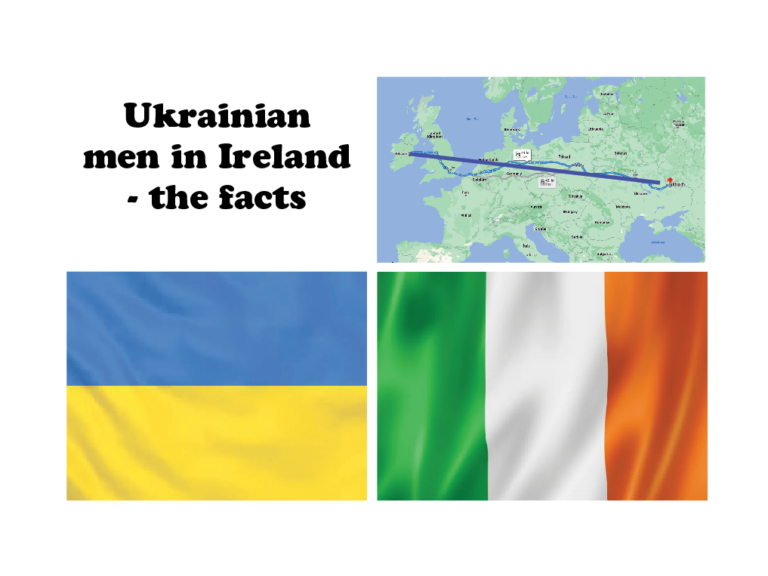
Negative stereotyping portrays Ukrainians coming here to avail of Ireland’s social welfare system. Some Irish now ignore facts including the war itself. While many refugees in rural areas have limited access to the labour market, official figures show over 24,000 Ukrainians are in jobs here. The true figure is much higher, Ukrainians here say.

It would be a disaster to let a small number influence others with their racist rhetoric. Irish people are known for standing alongside people experiencing oppression.

ISRAEL COMMITTING GENOCIDE

Which brings me to Palestine – never out of our minds since Israel moved from war to genocide. My heart goes out to all suffering hunger, thirst, bombing, daily grief and abandonment. Is boycott and protesting at every opportunity the best we can do?

Measuring social impact: Learn from those who won €45k

0

Empowering to measure your impact

Tammy Darcy, founder of The Shona Project, said groups need to dedicate time to measuring social impact. Then they can be sure that they work they do is as relevant and empowering as possible.

“We don’t just measure impact, we have created an ambassador programme so we can put the voices of our girls front and centre when it comes to decision-making. It is so important to us that we hear their voices, value their opinions and use this information to help us shape our impact projects, because they are the experts in what is best for the young women of Ireland.”

Listening to women helped in Cork

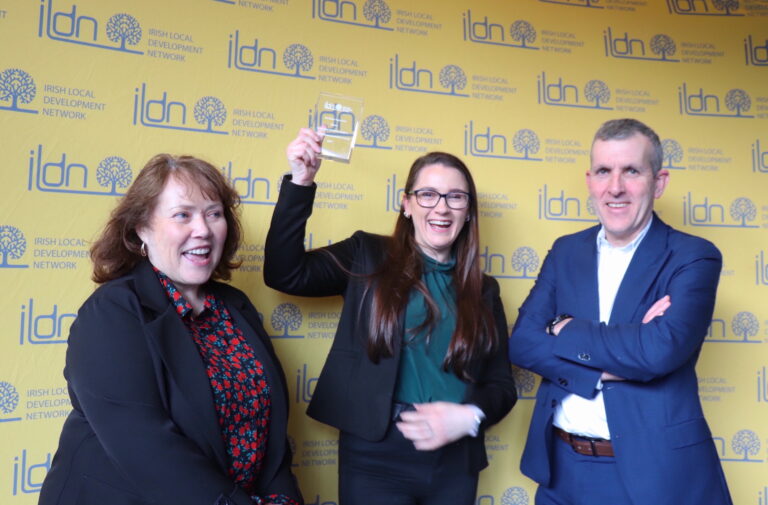
• Vera Stojanović with an ILDN impact award.

Vera Stojanović, programme coordinator at Saoirse EHD, said: “To fellow social enterprises, our advice is to establish robust feedback mechanisms, incorporating the authentic experiences of those we serve to guide and enhance the impact of our collective efforts.

“As a team run by, and dedicated to supporting, migrant women, we invest substantial time in measuring and monitoring our social impact to ensure our initiatives genuinely meet the needs of our members.

“Through this ongoing process, we’ve learned the importance of adapting our approach based on the evolving challenges faced by migrant women. We believe in the power of actively listening to their voices to drive meaningful change.”

Invest time to measure outcomes

Karen Leigh, founder and CEO at Sensational Kids, said it’s easy to report on the numbers of children supported, but it’s a challenge to prove your service is making a real difference.

“We are so happy that we can now report our proven outcomes. It takes time and investment, but it’s proven to be invaluable to know that our service is not only making a big impact but is also reaching clinical standards of change above and beyond the norms. Measuring our impact has been a very positive and valuable experience for us.”

More tips on why to measure your social impact

• Martina Earley, ILDN chair, Edel Lynch from the Together Academy, and Rob Nicholson from the Department of Rural and Community Development.

Edel Lynch, finance manager at Together Academy, said, “We try to adopt an approach of ‘measuring what matters’ and being open to continuous improvement as we cycle through new pilots and programmes.

“Being able to communicate the outcomes of our programmes in a clear and evidence-based way has been critical for us in both securing funding and understanding the effectiveness of our programmes,” she added.

Martina Minogue, social enterprise development officer at Clarecare, said: “The essential process of tracking, measuring, and monitoring social impact at Clarecare is not just about numbers for each of our service areas, it’s about learning, adapting, and continuously improving.

“By continuously refining your approach based on data and insights, your social enterprise can maximise its positive influence on the communities it serves.”

Steven O’Connell, founder of the Football Cooperative, said they aim to “do it once and do it right” and measuring social impact is central to that.

Download the tips toolkit from: https://ildn.ie/resources/

The Football Co-op gives a €17.60 social return on every €1 invested

Rob Nicholson gives heads up on new social enterprise policy

Trustworthy social enterprises essential to combat greenwashing and pinkwashing

The Football Co-op gives a €17.60 social return on every €1 invested

0

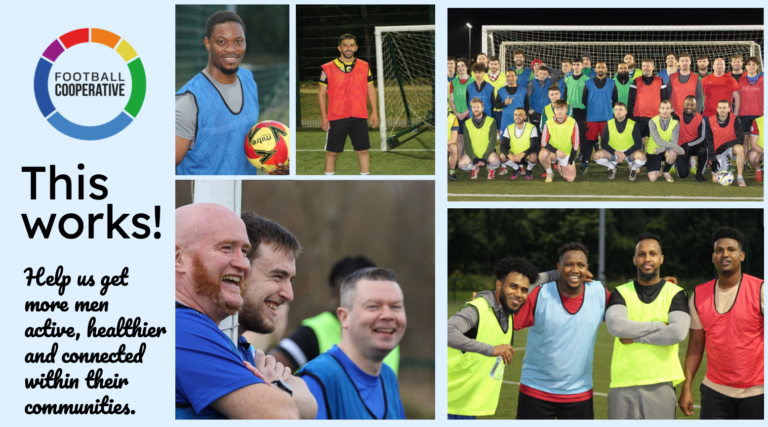
The Football Cooperative was one of the top Social Enterprise IMPACT Award winners this year (see more here), and it unveiled research undertaken with academic partners that showed their social enterprise represented incredible value for money.

After 18 months research as part of a PhD, Waterford-based Dr Steve Daly from the South East Technological University (SETU) concluded that the Football Cooperative generated a Social Return on Investment (SROI) of €17.60 for each euro invested. He said this is about double what most social interventions are valued at.

He was assisted in his research by colleagues Dr. Paula Carroll, Dr, Tom Egan, Prof. Michael Harrison and Dr. Noel Richardson from SETU’s Department of Health Sciences. All stakeholder groups reported benefits and the research showed that the Football Co-operative was suitable for scale-up.

“We conducted environmental and situational analysis at prospective sites for replication,” said Steve.

• The Football Co-operative used a Social Return on Investment (SROI) approach to calculate social value.

The expansion plan is ambitious. The project currently operates from just two sites, but hopes in the future to reach multiple communities not just in Ireland but internationally. It also wants to expand beyond holding cooperative football just one evening a week, and to scale outwards to get more hard-to-reach men to tog out for games.

• Stats from the Football Co-operative on participation and impact.

Steven O’Connell, founder of the Football Cooperative, said, “We can help people feel part of a place. Last year, we had 608 participants and now we can prove that this model works. Our early intervention and health promotion programme takes a gendered approach, targeting men, and has a co-operative ethos. Volunteer co-ordinators arrange pitches, bibs, times and so on. Ultimately there is no substitute for exercise,” he said.

• Steve Daly, PhD researcher and Steven O’Connell, founder of the Football Coop with their award. They also received a share of €45,000 awarded to six overall winners – full story here.

Below is the slideshow – click the image – as presented in Tullamore when the Football Co-operative won an award for measuring its social impact. The outcomes are all backed up by rigorous research. For anyone considering measuring impact, we highly recommend this as an example of best practice. It’s also jaw-dropping what the Football Co-operative was able to demonstrate in terms of outcomes and value for money.

• Above – click to view or download the Football Co-operative’s 20-slide presentation.

If you wish to see men in your community become more active, healthier and connected, email Steven O’Connell at: footballcooperativeireland@gmail.com

You can connect with the Football Co-operative via Facebook: https://www.facebook.com/footballcooperative/

Measuring social impact: Learn from those who won €45k

Trustworthy social enterprises essential to combat greenwashing and pinkwashing

Rob Nicholson gives heads up on new social enterprise policy

€50 million fund to support communities welcoming refugees

Minister for Rural and Community Development, Heather Humphreys, and Minister of State Joe O’Brien announced the 2024 allocation today for communities that have welcomed people from Ukraine and other countries.

The announcement brings the total investment under the Community Recognition Fund to €100 million.

The 2023 allocation saw funding of €50 million approved for some 900 projects in cities, towns and villages nationwide.

Local authorities, in collaboration with communities, will be funded to develop projects that will deliver long term benefits to those living in the areas selected.

Projects that will be funded include:

  • Development or refurbishment of community or cultural facilities, including play areas, walkways, parks, community/sensory gardens, allotments, and recreational areas
  • Development or refurbishment of local club and sports facilities
  • Enhancement to school/parish facilities which are open to use by all of the community after school hours
  • Purchase of equipment for local clubs, festivals, community events and organisations
  • Transport infrastructure such as community vehicles

Minister Humphreys said: “I know communities the length and breadth of the country have really stepped up to the plate in recent months in terms of welcoming families from Ukraine or those seeking asylum from other countries.

“This funding is about recognising the efforts and the generosity that so many communities have shown during what has been a challenging time for our country.”

Local authorities can submit funding proposals to the Department of Rural and Community Development in phases, which will allow them to respond to changing circumstances during the year.

Minister O’Brien added: “The Community Recognition Fund announced today gives local communities across Ireland another opportunity to expand and improve local facilities to continue to meet the needs of communities as they change and develop over time.

“I’d encourage communities to use this funding opportunity to consider projects that will add benefit and help meet local needs in their area.”

The €50 million has been allocated across all local authorities based on the number of new arrivals located there. The full details of the scheme, including funding allocations for each local authority are available here.

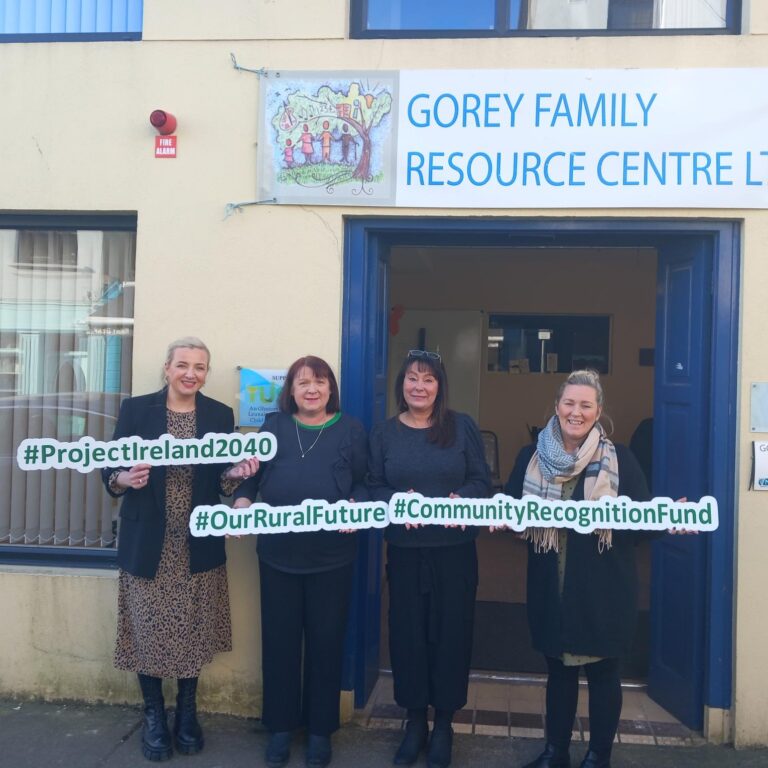
Minister Humphreys concluded: “Good progress is being made in the delivery of projects under the initial allocation of €50 million in 2023. These are projects which will provide long term benefits to communities for many years, such as community centre enhancements in Athboy in Meath, a walking trail adjoining the amenity park in Swinford in Mayo; and improvement works in the Family Resource Centre in Gorey in Wexford.

“I would encourage community groups in impacted areas to contact their local authority for more details and to discuss potential projects to be funded under this new round of funding.”


Ukrainian men, fathers, carers, aged – full facts on military conscription

Full details below, but in brief the following men are currently exempt from being called up:

1. Men who support three or more children under the age of 18;

2. Men who are single-handedly raising a child (or children) under the age of 18;

3. Men who are caregivers, guardians, foster parents, or educator-parents raising a child with a disability;

4. Men supporting an adult with a disability;

5. Adoptive parents, caregivers, foster parents, and educator-parents supporting orphaned children;

6. Men providing continuous care for a sick spouse, child, or their own parents or their spouse’s parents, as determined by a medical commission or a health care institution.

CRITERIA IN FULL:

The Law of Ukraine on Mobilisation, including amendments, is as follows as of March 10, 2024. The translation was provided to Changing Ireland by a Ukrainian refugee now working in community development in Ireland. Ukrainian speakers can read the original text here: Law of Ukraine on Mobilisation (with current amendments).

Article 23 Postponement of call-up for military service during mobilisation states the following:

The following persons are not subject to call-up for military service (for the period of mobilisation and for wartime by state authorities, other state bodies, local self-government bodies, as well as by enterprises, institutions and organisations in accordance with the procedure established by the Cabinet of Ministers of Ukraine):

– Those duly recognised as persons with disabilities or, in accordance with the conclusion of a military medical commission, temporarily unfit for military service for health reasons for a period of up to six months (with subsequent passing of a military medical commission);

– Women and men with three or more dependent children under the age of 18;

– Women and men who are raising a child (children) under the age of 18 on their own;

– Women and men, guardians, trustees, foster parents, foster parents raising a child with a disability under the age of 18;

– Women and men, guardians, trustees, foster parents, foster parents raising a child with severe perinatal nervous system disorders, severe congenital malformations, rare orphan diseases, oncological, onco-haematological diseases, cerebral palsy, severe mental disorders, type I diabetes mellitus (insulin-dependent), acute or chronic kidney disease of the IV degree, a child who has been seriously injured, needs an organ transplant, or requires palliative care, as evidenced by a document issued by the medical advisory commission of a healthcare facility in accordance with the procedure and form established by the central executive body responsible for the formation and implementation of state policy in the field of healthcare, but who has not been diagnosed with a disability;

– Women and men with a dependent adult child who is a person with a disability of group I or II;

– Adopters, guardians, trustees, foster parents, foster parents who depend on orphans or children deprived of parental care under the age of 18;

– Those engaged in permanent care for a sick wife (husband), child, or parents of their own or their wife (husband), who, according to the conclusion of the medical and social expert commission or the medical advisory commission of a healthcare institution, need permanent care;

– Those who have a spouse with a disability and/or one of their parents or the parents of their spouse with a disability of group I or II, provided that such persons with disabilities have no other able-bodied persons obliged by law to support them;

– Guardians of a person with a disability declared incapacitated by a court; persons engaged in the permanent care of a person with a disability of group I; persons engaged in the permanent care of a person with a disability of group II or a person who, according to the conclusion of a medical and social expert commission or a medical advisory commission of a healthcare institution, needs permanent care, in the absence of other persons who can provide such care;

– Women and men who have a minor child/children and a husband/wife who is performing military service;

– People’s deputies of Ukraine, deputies of the Verkhovna Rada of the Autonomous Republic of Crimea;

– Employees of military command and control bodies, military units, enterprises, institutions and organisations of the Ministry of Defence of Ukraine, the Armed Forces of Ukraine, the State Service for Special Communications and Information Protection of Ukraine, the Security Service of Ukraine, the Foreign Intelligence Service of Ukraine, the National Guard of Ukraine, the State Border Guard Service of Ukraine, the National Police of Ukraine, the Bureau of Economic Security of Ukraine, the National Anti-Corruption Bureau of Ukraine, the State Bureau of Investigation, the State Enforcement Service;

– Persons with disabilities, as well as persons referred to in paragraphs four to twelve of part one of this Article, may be called up for military service during the specified period with their consent and only at their place of residence.

The following persons are not subject to call-up for military service during mobilisation or for a special period:

– Students of vocational (vocational-technical), professional higher and higher education, trainee assistants, postgraduate students and doctoral students studying in full-time or dual forms of education;

– Research and teaching staff of higher and vocational higher education institutions, scientific institutions and organisations who have an academic title and/or a scientific degree, and teaching staff of vocational (vocational) education institutions, general secondary education institutions, provided that they work at least 0.75 times as full-time at their main place of work in higher or vocational higher education institutions, scientific institutions and organisations, vocational (vocational) or general secondary education institutions;

– Women and men whose close relatives (husband, wife, son, daughter, father, mother, grandfather, grandmother or sibling (full or half) were killed or went missing during the anti-terrorist operation;

– Persons liable for military service during partial mobilisation are not subject to call-up for military service within six months from the date of discharge from military service from among citizens who were called up for military service during mobilisation and discharged from reserve service (except for servicemen enlisted in the military operational reserve of the first priority). Such persons may be called up for military service during this period upon their consent.

– Men who have reached the age of 60 are not subject to mobilisation, as they have reached the age limit for remaining in the reserve of the Armed Forces of Ukraine and other military formations. Upon reaching the age limit a man is excluded from military registration.

Who in Ukraine can be mobilised in 2024?

According to the Law of Ukraine On Military Duty and MilitaryService, the following categories of men can be mobilised:

– military personnel (including contractors) who have completed their service before 24 February 2022, have not reached the age limit for service and are medically fit;

– men between the ages of 25 and 60 who are medically fit and have no prior military service experience;

– men aged 18 years or older who have agreed to contract service;

– men with and without military service experience who are restricted during martial law;

– those removed and excluded from the military register before 24 February 2022, fully or restrictedly fit for service during martial law by decision of the military medical commission ;

– persons with disabilities, if they mobilise voluntarily;

– persons entitled to deferment for family reasons may be mobilised only voluntarily for service at their place of residence.

More than 4,200 amendments were made to the draft law on mobilisation. Some of the proposals were rejected, but some remained, including those related to draft dodgers. Among them were a ban on travelling abroad and a ban on driving.

This bill is now due to be voted on by the Verkhovna Rada at the end of March. There may be more amendments.


 

Communities urged to sign up for Street Feast 2024

0

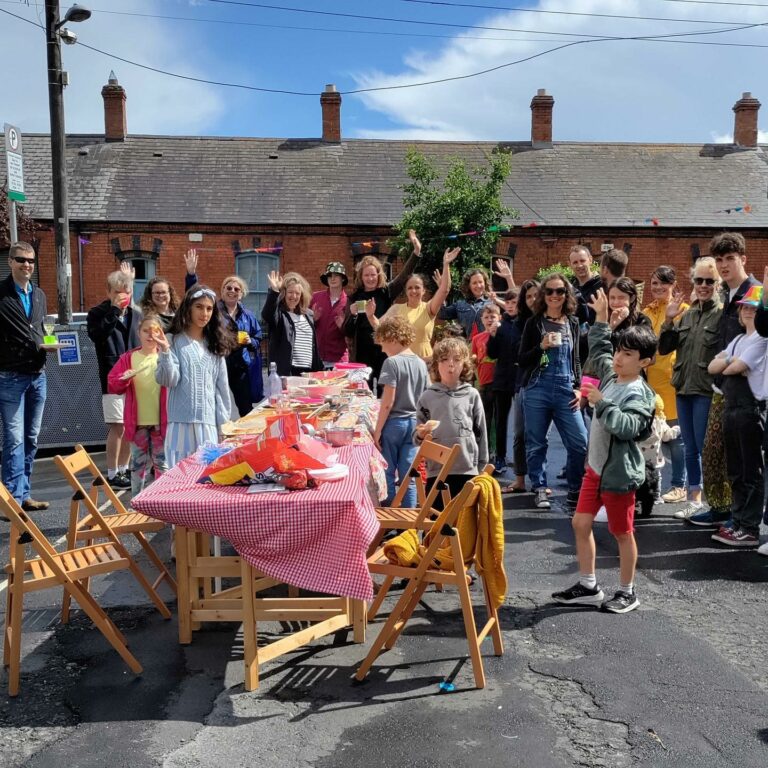
The organisers of Street Feast, Ireland’s annual neighbourhood get-together, are calling on communities to register for this year’s event.

Now in its 14th year, Street Feast will be held over two days instead of one for the first time, taking place on May 25 and 26.

Speaking about the changes, Neighbourhood Network CEO and founder of Street Feast, Sam Bishop, said: “Running Street Feast over two days instead of one will give people more opportunity to celebrate together and plan around Ireland’s ever-changing weather. But the essence of Street Feast remains rooted in our mission to encourage neighbourly connections and camaraderie through shared meals, gatherings, games and conversations.”

Everyone is invited to participate and host gatherings, whether you live in an apartment of house. All you need is a space where people can come together to share a meal. Street Feast has had parties organised in front gardens, on streets and greens, in car parks, laneways, local parks and community centres.

Street Feast 2024 will see more than 1,250 communities take part.

To get involved, register now at StreetFeast.ie to receive a free Street Feast party pack, including bunting, posters, invites and a DIY guide.


Trustworthy social enterprises essential to combat greenwashing and pinkwashing

Six winners shared €45,000 in prize money and they were:

The Shona Project, which supports girls aged 11-plus as they navigate the bullying, low self-esteem, and anxiety that have become far too prevalent a feature of the adolescent experience.

The Football Cooperative, whose recreational football brings adults together while promoting healthy ageing, positive mental health and community belonging.

Sensational Kids, which provides timely and affordable therapeutic supports for children with additional needs.

ClareCare co-ordinates and provides services for elderly people in Co. Clare.

The Together Academy runs culinary training as part of a two-year employability programme.

• Saoirse – Ethnic Hands on Deck is committed to the economic empowerment of migrant women in Cork.

Changing Ireland spoke to Philip O’Donnell from the Irish Local Development Network (ILDN) at the awards, the overall aim of which was to promote and reward good practice in the monitoring and measurement of social impact.

4 reasons to measure

Philip works as the ILDN’s research, policy, and rural affairs officer, and he explained why monitoring and measuring impact has become so important:

“Firstly, social enterprises operate in an increasingly competitive environment. Whether they rely predominantly on grant funding or on traded income, invariably there isn’t enough money to go around, and they need to be able to illustrate the organisation’s social impact,” he said.

“Secondly, in a world of greenwashing, pinkwashing, etc., the public need to know that they’re not being hoodwinked by hollow claims. The level of trust in individual social enterprises is generally strong, because these social enterprises tend to be firmly grounded in their communities. However, it is important for the image of the sector as a whole that there is an evidence base to show they are achieving real results.

“Thirdly, social enterprises themselves need to know whether their strategies are working or not.

“Lastly, measuring social impact is a challenge for social enterprises. A survey in Scotland showed it to be the issue of single greatest concern for social enterprises there, and we regularly hear Irish social enterprises voice similar concerns. We hope that this competition will help to demystify measuring social impact, and show that there is no single ‘right’ way to measure or monitor impact,” he added.

• At the awards – Philip O’Donnell, Martina Earley, Una Lowry, Rob Nicholson, Carol Baumann and Michelle Mullally

LDCs will be with you coming up to the deadline

• Martina Earley, ILDN chair, Ellen Conway from the Shona Project, and Rob Nicholson from the Department of Rural and Community Development.

Martina Earley, chair of the ILDN, told awardees in Tullamore: “We are fortunate to have so many social enterprises in Ireland and we must support you in every way we can.”

She said that social enterprises rely on “vital” support from each of the 49 Local Development Companies (LDCs) that the ILDN represents.

“LDCs are the ones who will be with you coming up to 12 o’clock when you’re trying to get a funding application in,” she remarked.
Martina congratulated the winners: “They provided a compelling account of the collective impact of our social enterprise sector.”
Una Lowry, CEO of Dublin South City Partnership, also spoke.

“Measuring is a luxury for most social enterprises, as they’re sometimes just so busy keeping the doors open. You’ve to be an expert in HR, management, all while running a business, and a lot of them can’t afford the time for measuring social impact,” she explained.
Una was delighted therefore with the level of interest in the awards – there were 62 applications.

“Dormant Accounts Funding from the Department of Rural and Community Development (DRCD) enabled us to run the competition and publish the toolkit,” she added.

The toolkit is available on the ILDN’s website: www.ildn.ie  or just click the image below.

Rob Nicholson gives heads up on new social enterprise policy

The Football Co-op gives a €17.60 social return on every €1 invested

Measuring social impact: Learn from those who won €45k

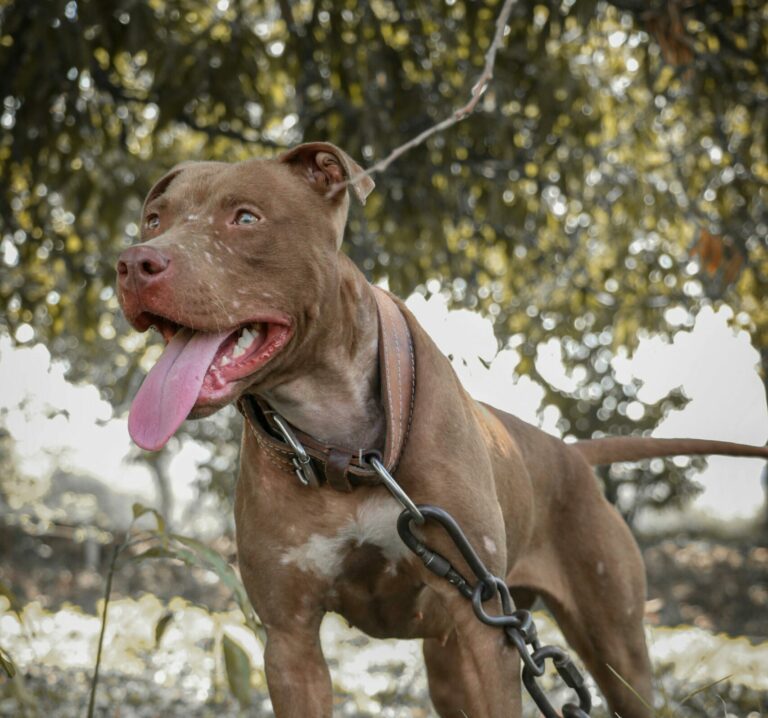
New dog control group to tackle issue of restricted breeds

The group is made up of representatives from key Government Departments and interest groups and will make recommendations on strengthening the policy and legislation around dog control.

Minister for Rural and Community Development, Heather Humphreys says she has asked the group to examine the issue of restricting certain breeds of dogs, in line with actions being taken by regions in the UK, including Northern Ireland.

She also announced the appointment of former Deputy Garda Commissioner, John Twomey, as the independent chairperson of the group this week.

“As a dog owner myself, and someone from a farming background, I’m very conscious of the public concern about dog control. We have seen horrendous attacks by dogs on people, including children, in recent months and the issue of sheep worrying in our countryside continues to be a huge problem for our farmers,” said Minister Humphreys.

She added: “As Minister for Rural and Community Development, I have taken a series of measures already. These include the trebling of on-the-spot fines for the most serious dog control offences, as well as the provision of €2 million for dog warden services.

“But I do believe we need to take further action and that’s what this Stakeholder Group is going to consider.”

The group includes representatives from a broad range of interest groups, including farming and animal welfare organisations, such as the IFA, Comhairle na Tuaithe, the Irish Kennel Club and the ISPCA.

The Group will consider dog control issues under the policy remit of the Department of Rural and Community Development.

Discussions will focus on immediate improvements within the limitations of the current situation, whilst also scoping a way forward for longer term changes and improvements.

Themes include ‘restricted dogs’ legislation, guidance on proper dog control, dog breeding establishment standards, and general awareness-raising.

Rob Nicholson gives heads up on new social enterprise policy

The public consultation on social enterprise policy was held late last year and the draft new national social enterprise policy will be published shortly. Watch Rob speak here or read on for a summary:

“It’s still a nascent sector,” said Rob, noting that change will come quickly in the years ahead as EU law comes into force: “We’ve been flagging that inside government and across all the aspects of government.”

There will be five themes under the new policy which will run until 2027.

They will include an awareness-raising strand, a strand on access to finance, support for social enterprises with capacity go grow, and sustaining support for those who cannot scale up.

“Also for first time we’ll have a dedicated section on the green transition, taking a lead from the UN Sustainable Development Goals,” he said.
“We are looking at national and international engagement. How do we make sure policy is implemented? And it’s a rapidly changing environment. We anticipate much more engagement with the EU in the future regarding social enterprise,” he added.

Rob said the Department’s policies have to be informed by evidence – which was one of the reasons he was present in Tullamore for the awards. Congratulating all who took part, he said measuring quantitative versus qualitative data is always a challenge. He thanked the ILDN for running the competition and adjudicating on the entries – read our awards report here.

Trustworthy social enterprises essential to combat greenwashing and pinkwashing

The Football Co-op gives a €17.60 social return on every €1 invested

Measuring social impact: Learn from those who won €45k

‘We Are Human Too’ book launch celebrates disability activists

‘We Are Human Too’ is a moving anthology of interviews with disabled activists edited by Ann Marie Flanagan and co-produced by the Clare Leader Forum (CLF) that documents their crusade for equality.

According to CLF: “We have written the first and only socio-political book by disabled activists and researchers for everyone on how the State views our independence in the 100 years of Ireland’s. We track 30 years of disabled people’s emancipatory activism.

“We decided to write this book to ensure history is written through the lens of disabled people’s activism. This book includes 100 voices of disabled activists and allies from Clare and across the country, past and present.”

– Anne Marie Flanagan and Jacqui Browne at the launch of ‘We Are Human Too’ in Ennis on March 1

Speaking at the book launch in Ennis this month, Jacqui Browne complimented the work of Ann Marie Flanagan, alongside the role played by the late Donal Toolan and the Forum of People with Disabilities.

She also spoke of “the need for a paradigm shift based on principles of dignity, autonomy, equality, and inclusion”, and said that disability rights are “fundamental to the fabric of an inclusive society”.

Anyone interested in obtaining a copy of the book can message @LeaderClare on X or Facebook at Clare Leader Forum, or email the CLF at clareleaderforum@gmail.com.


Biggest expansion of National Walks Scheme adds 62 new trails

0

Counties Monaghan and Wexford will welcome their first National Walks Scheme trails, with the development of the Monaghan Way, and five walks in Wexford, such as the Mount Nebo trail.

The expansion also includes five trails on two offshore islands – Inis Meáin and Oileán Chléire.

“I want to make Ireland an international destination of choice for walkers and hikers. We have a unique offering in terms of our natural landscape filled with mountains, forests, lakes, rivers and sea,” commented Minister for Rural and Community Development, Heather Humphreys.

Among the new Walks Scheme trails announced this week are:

  • Carrigmeal Woodland Loops, Co Laois
  • Strickeen Mountain Walk, Co Kerry
  • The Devils Chimney, Co Sligo
  • Ardmore Cliff Walk, Co Waterford
  • Six Fastnet Trails, Co Cork
– One of the new trails being added to the Walks Scheme is Bóthar Na Naomh Walking Trail in Cloone, Co Leitrim. Pictured with Minister Humphreys at the trail are local walkers Lily Mitchell (left) and Collette Charles (right). Photo: Brian Duignan

The total number of nationally recognised trails now stands at over 140, up from just 40 trails in 2019.

The initiative is designed to boost outdoor recreation and rural tourism, and is a key element of Embracing Ireland’s Outdoors, the National Outdoor Recreation Strategy.

Under the Walks Scheme, funding is provided to farmers and other landholders to maintain the walking trails that go through their holdings.

Over €15 million has been paid to farmers and landholders participating on the Scheme since 2017, with an additional €1.4 million spent on materials for the maintenance of trails.

This expansion will see an additional annual investment of over €500,000 to rural areas through the scheme.

Minister Humphreys said: “Often these amenities can only be truly appreciated by crossing through fields and land owned by local farmers. The National Walks Scheme is about working in partnership with landowners so we can open up access to local communities and tourists to enjoy these wonderful hidden gems we have all across Ireland.

“I want to acknowledge and thank the work of all the farmers and landowners involved in the Walks Scheme who provide access to their holdings and who help to maintain the trails to a high standard for the benefit of a huge number of locals and visitors.

“Without the goodwill of farmers, we would not have access to many of our favourite tracks and trails. It is incumbent on all of us to use these amenities responsibly, respect local landowners and of course – Leave No Trace.”

The Scheme is operated by the Department of Rural and Community Development in conjunction with Local Development Companies. The Department is now inviting expressions of interest from LDCs for new trails and substantial extensions to existing trails.

Potential applicants, such as trail management committees, community groups, local authorities, and other similar entities, are advised that expressions of interest must be made through LDCs.

The closing date is October 11.

The full list of trails approved in this expansion can be found here.


The search is on for Ireland’s humanitarian heroes

0

The event aims to shine a national spotlight on the selfless efforts of individuals, organisations and businesses in Ireland who have helped those in need and contributed to the betterment of society.

According to the Irish Red Cross: “A humanitarian is someone who has used their talent, time and passion to assist others. A humanitarian can be anyone, whether they are a world leader, local volunteer, business professional or community worker.

“They can be old or young, a journalist, a store owner, a musician, anyone at all.”

The nomination categories include: Humanitarian of the Year, Young Humanitarian of the Year, Humanitarian Group/Organisation of the Year, Humanitarian Journalist of the Year, Corporate Impact and Lifetime Achievement.

“Since 2018 the Irish Red Cross has celebrated this group of inspiring and remarkable people through our annual presentation of the Humanitarian Awards.

“In hosting this event we intend to publicly recognise the inspiring examples of compassion demonstrated by our nominees and award winners,” added the organisation.

Nominations can be made on the awards website: irchumanitarianawards.ie/submit-a-nomination.

The deadline for submissions is March 23, and the 2024 Irish Red Cross Humanitarian Awards presentation will take place on May 14 at the Royal College of Physicians on Kildare Street in Dublin.


Members of public invited to join Advisory Group on Racism and Racial Equality

The group will be tasked with monitoring and helping to progress the implementation of the National Action Plan Against Racism (NAPAR) 2023-2027.

The NAPAR was developed by an independent Anti-Racism Committee, and accepted by the Government in 2023.

The Department of Children, Equality, Disability, Integration and Youth is now seeking expressions of interest from members of the public who feel they can contribute to the successful implementation of the NAPAR through membership of this Advisory Group.

According to the Department: “The NAPAR proposes actions to help make Ireland a place in which the impacts of racism are fully acknowledged and actively addressed. It was developed by an independent Anti-Racism Committee and published in March 2023. The Advisory Group will assist in the ongoing implementation of the plan. The Ireland Against Racism Fund, a key action under the plan, committed €1.2 million to anti-racism projects across Ireland through 2023 and 2024.”

Minister O’Brien commented: “The establishment of an independent Advisory Group underlines the government’s commitment to tackling racism throughout society. This group will be integral to the support systems established under the NAPAR and will be critical to the successful implementation of the plan.”

Applications can be made online here. The closing date is Friday March 8 at 1pm.

‘Town Teams’ of local residents to help develop Ireland’s rural towns and villages

The funding for rural towns and villages announced by Minister for Rural and Community Development Heather Humphreys today also includes €50,000 each for the development of a number of projects designed to breathe new life into rural communities.

Additional funding will be provided for such projects in counties in the North West.

Towns will also be provided with up to €30,000 in funding to develop their own Town Centre First (TCF) Plans.

In addition, financial supports will be provided for smaller towns to tackle vacancy and dereliction.

Minister Humphreys commented: “This is about empowering our communities to realise their vision. It’s about giving them the tools and supports they need to generate investment, attract tourism and above all, become better places to live, work and raise a family.

“Central to this multi-million Euro initiative is the establishment of a new Town Team Support Fund. We all know that our Town Teams do fantastic work in many parts of the country. But in other parts, there is no Town Team at all.

“So under this new fund, we are going to provide up to €10,000 per town to help them establish a new Town Team or to build up the one already in place.

“This significant package of supports will be administered through the local authorities and the Town Regeneration Officers and I’m encouraging all communities to get involved.”

A Town Team is a group of local residents, businesspeople, community representatives and other stakeholders. They are supported in their work by Town Regeneration Officers.

Details of the Town Centre First initiative can be found here

A full list of towns who have previously completed Town Centre First plans can be found here


Charity sector calls for engagement on changes to legislation

Minister for Community Development, Integration and Charities, Joe O’Brien last week introduced the Charities Bill 2023 to the Dáil as “a key step that needs to be implemented to allow for the appropriate regulation, particularly financial regulation, of the sector”.

The proposed changes aim to provide “greater transparency for the public in relation to finances and operations of registered charities” with an “enhanced legal framework”.

The Bill also includes the establishment of “the advancement of human rights as a recognisable charitable purpose under Irish law”.

“The provisions contained in this Bill will ensure that we are striking the right balance between the regulations necessary within the charity sector and ensuring that these measures are proportionate to the size and operation of the charity,” commented Minister O’Brien.

In response to the announcement, a joint statement released by The Wheel and Charities Institute Ireland said the initiative “represents a welcome review 15 years after the adoption of the first legislation”.

The organisations praised certain proposals, including recognition of the advancement of human rights as a charitable purpose, and ensuring that company secretaries are not automatically classified as charity trustees.

“An increase in the audit threshold to €250,000 and clarifying that court-appointed trustees do not carry liability for matters preceding their appointment are common sense proposals in the area of governance,” added the statement.

However, Colette Bennett, director of Advocacy and Research at The Wheel, said: “While there are many positive aspects to this Bill, it does not address the strong potential for reputational and financial damage to charities from the current practice of publicising an investigation in advance of any findings being determined”.

She warned that it would also “allow charities to be de-registered for minor areas of non-compliance and this proposal is made more threatening by an inadequate appeals process”.

Áine Myler, CEO of Charities Institute Ireland (CII) added: “Regulation has been welcomed by our sector and works best when it’s proportionate. We are concerned that, in addition to the missed opportunity to address anomalies in the existing legislation, the Bill could have the effect of placing a sword of Damocles over both charity trustees and staff alike and may further serve to seriously distract from delivering on the charitable purpose.”

“The impact of the increased cost of legal, accounting and auditing compliance will add significant financial burdens, particularly impacting mid-size charities. In this regard, the absence in the Bill of any reference to compliance funding supports for charities is highly regrettable and policymakers need to address this funding gap. It will increase the strain on volunteer boards and the many charities reliant on few staff and a volunteering culture,” continued Ms Myler.

“It is vital that significant time be allowed to allow for comprehensive and fully balanced amendments to be put in place,” Ms Bennett advised.

The Wheel and CII have called for sufficient time to fully review the proposed new provisions and “the opportunity to present more detailed analysis, findings and proposals to the Committee at an early opportunity”.