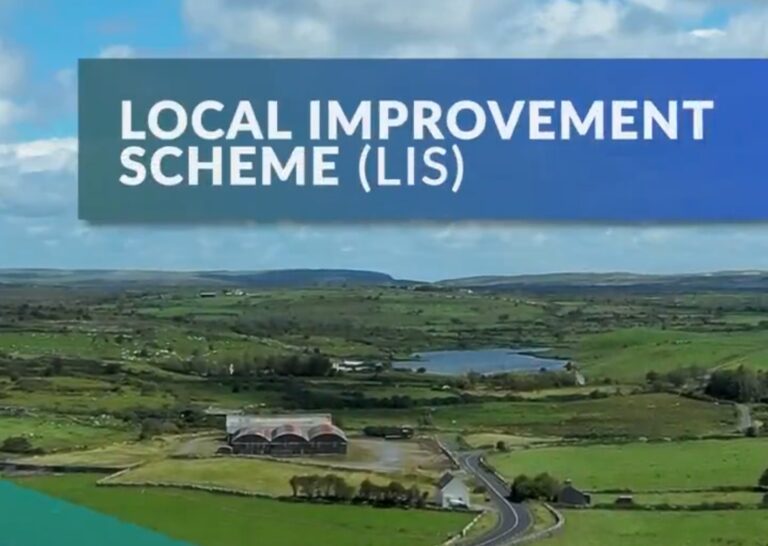
It marks the highest ever allocation for the scheme, and aims to provide essential funding to improve road access to homes and farms in rural areas.
The allocation includes €1.1 million in ring-fenced funding for road upgrades on offshore islands in Cork, Galway, Donegal, Mayo and Sligo.
Speaking as she announced the allocation this week, Minister for Rural and Community Development Heather Humphreys said: “LIS is a critical source of funding for small non-public roads not normally maintained by local authorities.
“It’s a fantastic scheme under which the homeowners and farmers who use the lane make a small local contribution and the Government provides the balance of funding to ensure that people can access their homes and farms on good quality surfaces.”
The Minister revealed that in response to feedback, she has amended the LIS criteria so that only one herd number will be necessary for a valid LIS application; previously two were required.
She added that she is providing “greater flexibility so that local authorities can use their allocation throughout 2024 and 2025”.
This announcement brings to a total of almost €170 million that has been allocated to local authorities under the scheme since it was reintroduced in 2017.
The total allocations per local authority area are as follows:
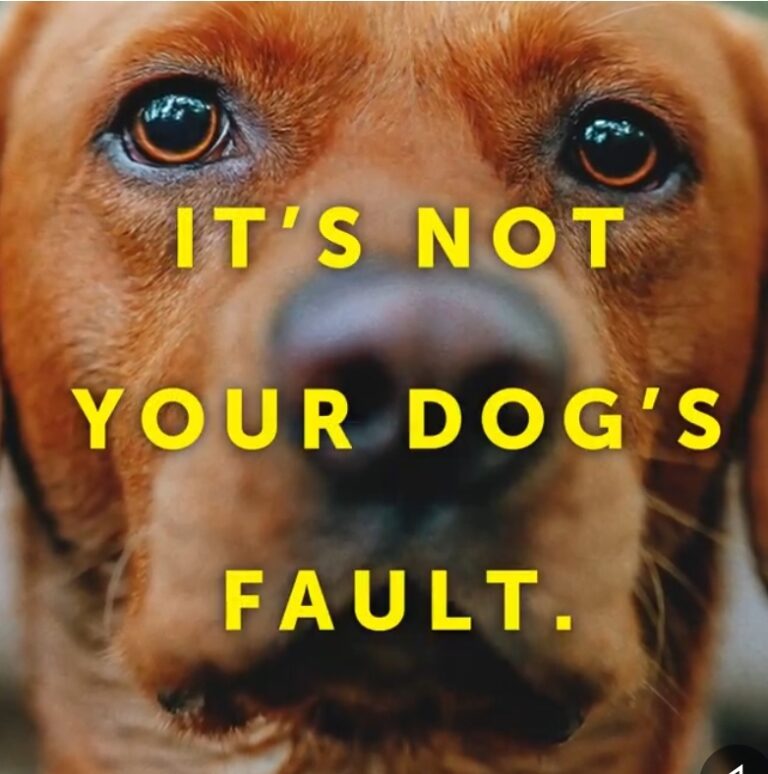
The campaign, entitled ‘It’s not your dog’s fault, it’s yours’, is aimed at increasing awareness of the harm that out of control dogs can do to people and to livestock.
The goal is to change behaviour and to remind owners that they must always have their dog under control.
“Being a dog owner is a privilege, but it comes with a lot of responsibilities. We have seen far too many devastating attacks by dogs on people, especially young children, in recent times.
“I know the majority of dog owners are responsible and do the right thing. But we can all be guilty of thinking our dog wouldn’t hurt a fly,” said Minister Humphreys.
“No matter how harmless a dog might seem, they can be capable of causing a lot of damage. Ultimately, as the campaign says: it’s not your dog’s fault, it’s yours. Dog owners must make sure their dog is under control at all times, not running wild endangering people, livestock or other dogs,” she added.
– Minister for Rural and Community Development, Heather Humphreys with retired Deputy Garda Commissioner John Twomey, chair of the Dog Control Stakeholder Group.
This campaign follows closely from a series of related initiatives:
Increases in on-the-spot fines up to €300
An additional €2 million to support dog pounds
The establishment of the Dog Control Stakeholder Group.
Minister for Agriculture, Food and the Marine Charlie McConalogue also welcomed the campaign, sharing his hope that it will encourage wider conversations on dog owner responsibilities.
He commented: “I know how traumatic dog attacks can be to people, especially children. I am also acutely aware of the devastation done to livestock by marauding dogs, causing terrible suffering to the animals and both emotional and financial distress to farming families.
“I believe it is essential we have conversations about responsible dog ownership and illustrating the dangers of marauding dogs, protecting people and animals from dog attacks.”
An investment of more than €30 million to provide 12 new community centres across Ireland was announced this week.
It is the first time in the history of the State that a dedicated fund has been set up to deliver new-build community centres in rural Ireland.
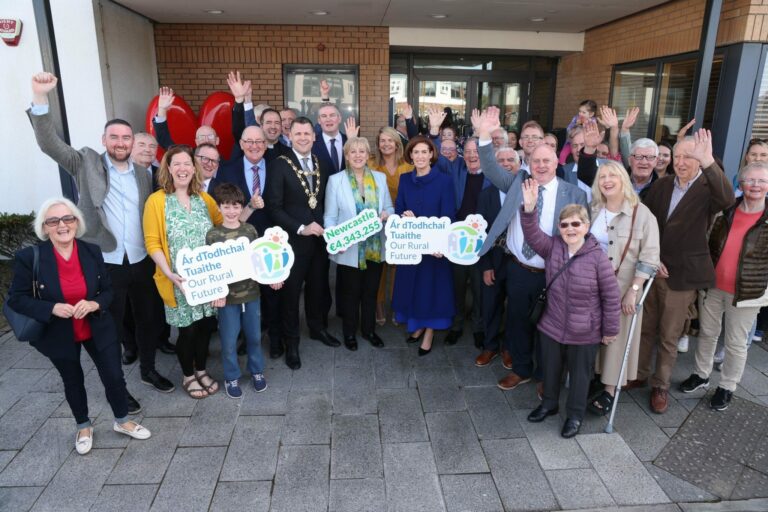
Minister for Rural and Community Development, Heather Humphreys made the announcement while visiting Newcastle in Galway, which is to receive over €4.3 million to build a brand new community centre.
The successful community centre projects will receive capital grants of between €1 million and €6 million to build multi-functional centres in areas that currently lack community facilities.
The Community Centres Investment Fund was launched in March 2023 to provide investment for new and ambitious community projects in towns and villages nationwide.
After providing funding of €45.8m to over 860 projects for refurbishments, Minister Humphreys said she decided to put a renewed focus on supporting communities that have no community centre at all.
The 12 projects to receive funding are:
Aras Lae, Maigh Cuilinn, Co Galway – €6,000,000
Tullow Road Community Hub, Carlow Town – €4,135,178.
Newcastle Community Centre, Galway City – €4,343,255.
Rylane Community Centre, Co Cork – €1,595,574
Ballina Scouting Den and Community Centre, Co Mayo – €1,152,193
Kilcloon Community Centre, Co Meath: – €1,915,000
Rockcorry Community Centre, Co Monaghan: – €2,667,785
Moneygall Community Centre, Co Offaly – €1,407,660
Ballymote Community Centre, Co Sligo – €2,650,991
Kilglass Community Centre, Co Sligo – €1,163,710
Ballymitty Community Development, Co Wexford – €1,398,035
Riverchapel Community Centre, Co Wexford – €1,797,919
Minister Humphreys said the investment would be “transformational for our rural towns and villages”.
“Our community centres bring people of all ages together, whether it be for sporting, educational or social occasions. They are vital for engaging with those who may find themselves marginalised and they give everyone in the community a great sense of belonging.”
She continued: “They build, stronger, more vibrant communities – places that for so many people act as a home from home. You could say that the community centre is the cornerstone of community life in many towns, villages and cities around the country.”
The projects are all on brown or green field sites and have all the necessary planning and consents secured so they are already at an advanced stage and ready to commence following a tender process.
The fund targets areas without an appropriate facility to meet their community’s needs. The centres range in size from single storey to two-storey buildings and will be located in rural and urban settings across nine counties.
Items Procured: Supply of youth worker and essential skills tutor / Workspace and mechanics tutor / Materials / Technology / Dry Cleaning.
The Garage Project, which educated over 130 young and future drivers in Co. Donegal about road safety, took place over 18 months with €88,000 of funding from LEADER. It is over now, although groups in other counties might like to run something similar.
The programme trained boys and girls aged 14 and above, providing them with hands-on experience working on real cars, learning mechanical and bodywork skills, and the importance of road safety.
Each five-week session of the programme had ten young participants. Under the expert guidance of instructors Denis Ferry, Leslie O’Donnell, and members of the Donegal Youth Service, these budding mechanics learned about cars in a fully functional garage in Letterkenny. Young people queued up to do the course.
Denis Ferry, trainer on The Garage Project, said, “The Garage Project harnessed the passion young people have for cars. It educated them about safety before they hit the road, reducing the potential risks and ensuring they do not jeopardise lives. The course is designed to instil respect for cars, an understanding of how they function, self-respect, and respect for all road users.”
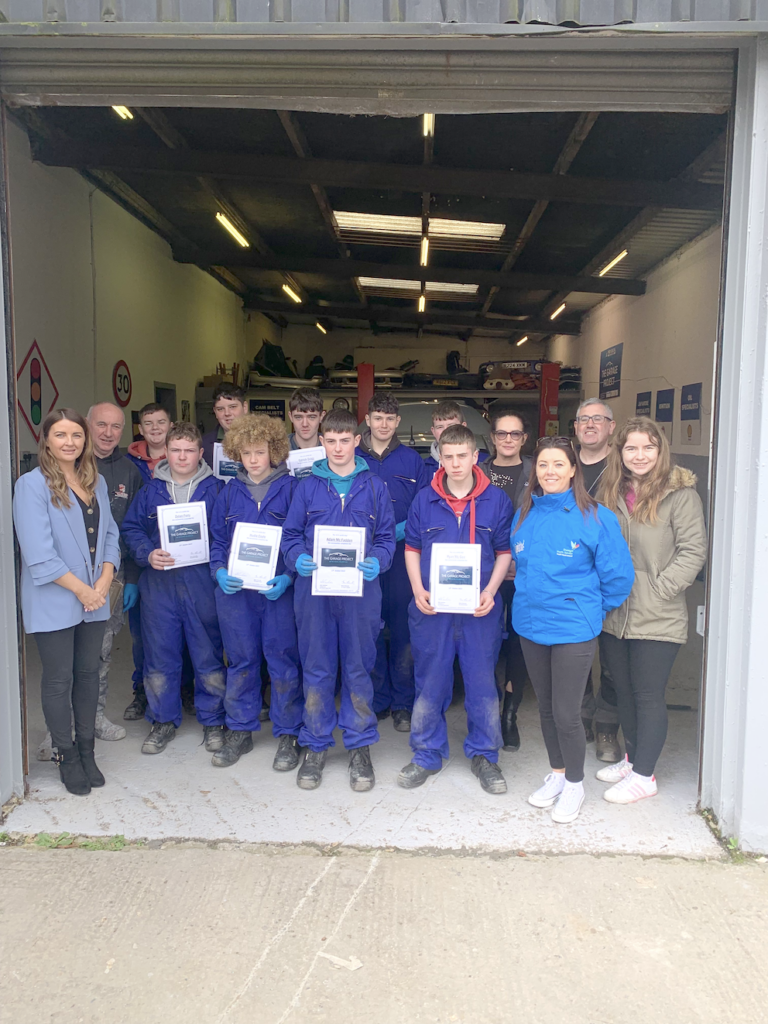
• Leslie O’Donnell and Denis Ferry with students taking part in the Garage Project from Pobalscoil Chloich Cheannfhaola school in Falcarragh, Co. Donegal.
PART OF A BIGGER PROGRAMME
The Garage Project is one component of the Pro Social Ireland Driving programme, which was established in Donegal in 2012 at the request of Judge Paul Kelly, Inspector Michael Harrison and Tim Coughlan from the probation services. They had seen too many tragedies, many involving young people, on the county’s roads. This publication reported on the programme’s progress in 2015 and 2016, since which time it has gone from strength to strength.
The goal of the Pro Social Driving programme is to educate young people by challenging their existing thought patterns and attitudes toward driving. It aims to get them thinking about their behaviour while behind the wheel.
KNOWING THE DANGERS
Mick Quinlivan, chairperson of Pro Social Ireland said, “A major concern is that young people modify cars, cut springs, and lower them, which is extremely dangerous. This programme educates them as to why this practice is wrong and unsafe.” He said the Garage Project channelled the interest young people have in cars in the right direction, educating them before they go driving.
LEADER FUNDING
Aisling McGee, LEADER project officer with DLDC said, “The joy of this project was that all the young people would show up at the drop of a hat. They were really interested.”
“Those behind this course used to be boy-racers themselves and they wanted to see this project run successfully. But now it’s over. While we would rarely propose LEADER funding for the same project twice, we might argue for an exception here and recommend it to the Local Community Development Committee.”
In the meantime, she wished to publicise the project’s success as it could be run in other counties.
Aisling’s colleague, rural development manager, Sinead McLaughlin, said, “The Garage Project was a great example of how LEADER funding can (pardon the pun) drive positive change in our communities. It empowers our youth with invaluable skills and instils a strong commitment to road safety. We are proud to support initiatives like this that make a difference in the lives of young people in Donegal. If this project can save just one young life on our roads, it will have been worth it.”
The Garage Project received support through LEADER, the Department of Rural and Community Development, Donegal Local Community Development Committee, Donegal Local Development Company, and Donegal County Council.
The investment is designed to open up our countryside to visitors and make Ireland a world class destination for adventure tourism.
The funding will improve trail surfaces, drainage, waymarking and signage, enhancing these trails and the surrounding countryside.
It will also provide seating, picnic and recreation areas, and reroute some trails which will enhance the experience of those using them. These projects are being delivered in partnership with landowners, Local Development Companies, Community Trail Management Organisations and other stakeholders.
Under the Walks Scheme, funding is provided to farmers and other landholders to maintain the trails that cross their land.
The successful projects to receive a funding allocation include:
Hymany Way, Forum Connemara: Resurface trail and install drainage – €10,000
Dingle Way, North East West Kerry Development: Path upgrade, installation of new trail head map board in Tralee and installation of a self-closing pedestrian gate. – €10,000
Leitrim Way, Leitrim Development Company: Resurface trail, drainage and installation of a bog bridge, 2 picnic benches and a stile. – €10,000
Multeen Way, South Tipperary Development Company Ltd: Resurface trail and install drainage – €10,000
Western Way, South West Mayo Development Company: Replacement of damaged wooden bridge with galvanised version – €10,000
Wicklow Way, County Wicklow Partnership: Resurface trail and install reverse grade waterbars to assist drainage – €10,000
Sheep’s Head Way, West Cork Development Partnership: Upgrade of signage on trail and improving trail at Gortnakilla & Funeral Path – €10,000
– Pictured with Minister Humphreys at Bóthar Na Naomh Walking Trail in Cloone, Co Leitrim are local walkers Lily Mitchell (left) and Collette Charles (right).
Minister for Rural and Community Development, Heather Humphreys said: “There is no better way of seeing our beautiful countryside than to use the many trails and walkways that are dotted around the country.
“These trails, many of which were created by volunteers and community groups, need to be cherished and maintained, so they can continue to be enjoyed by all.
“These projects will also see investment into the local economy as they are carried out by small contractors using materials from local suppliers.
“The collaboration between community groups and local development companies behind the upgrade and enhancement of these trails is wonderful to see and I commend everyone for their great work.”
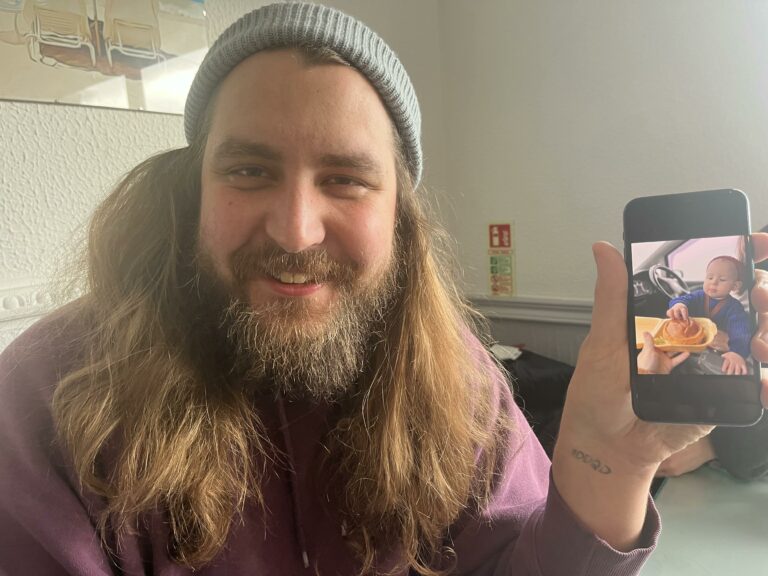
“Our baby is called Marvin. If it was a girl we were going to call him Maire,” said Alexander.
“Everyone asked did we go by helicopter or by boat (as expectant mothers normally do). “I said, ‘Neither’. They said ‘How then?’ and I told them. I was sleeping and Slava gave birth to the baby in the next room. I was asleep with two of our children and I woke up to the sound of crying, so I looked at the children in the bed and neither was crying. It was then my sleepy brain told me that our baby was born.”
Marvin is the first baby born on Árainn Mhór since the 1970s.
“For the baby it’s very good here, quiet and peaceful,” said Alexander. “When he was a newborn we used to walk to a beach with him while he was sleeping, enjoying the quiet. We used to live in a city and it was so loud, there were so many people. It’s a huge contrast to be here. It’s perfect for the children.
“I used to work as a graphic designer and we had an e-commerce store,” he said.
Could he find work here?
“Right now I am too busy home-parenting. I do some part-time jobs for my Ukrainian friends (abroad), but we don’t have many friends here yet so it’s hard to find a babysitter,” he said.
When his family first came to Ireland, they were allocated accommodation in a village in Co. Sligo. Then they were brought to Árainn Mhór and Alex says there is no comparison: “I think Arranmore’s community is just perfect.”
He pointed, for example, to the Active Arranmore activities on the island for all ages: “I met Alex (another Alex, also Ukrainian) through the chess tournament. Then our sons met.”
For more on Arranmore’s Ukrainian community, read here about how some of the island’s new residents are adapting to the change from city life.
Talking to a student recently, she was discussing her home country and how modernisation, while it has brought material benefits, is crushing the innate wisdom and solidarity of its people. She described how people work long hours, living lonely lives in large cities, residing miles away from their original communities and feeling disconnected from their culture and history.
As I was listening to her recount her sadness for her homeland and people, I realised she was not just talking about her homeland, but also about the very spirit of humanity itself. She was making a plea to save humanity, somehow.
As she talked, I realised all the forces that suppress the human spirit – from state violence to grinding poverty, endless hours of work, addictions, powerlessness, crushing bureaucracy and administration, endless noise, colonialisation in all its forms, and on and on. All these forces prevent us connecting with our own innate wisdom and inhibit us also from connecting with others.
In the days following my meeting with this student, I wondered – if these forces suppress the human spirit, what forces enable its emergence? Crisis seems to be one such mechanism, but what would enable its emergence in everyday ordinary life?
Philosophers Martin Buber, Emmanuel Levinas and Mikhail Bakhtin argue for the importance of being open to one another’s presences without intention, or as our own philosopher the late John Moriarty put it – approach people and nature with an empty head.
Normally, we communicate with each other through the lens of our political views, our interests, our opinions, our class and so on. It is no surprise, that when we communicate like this, with our treasured positions, we remain disconnected.
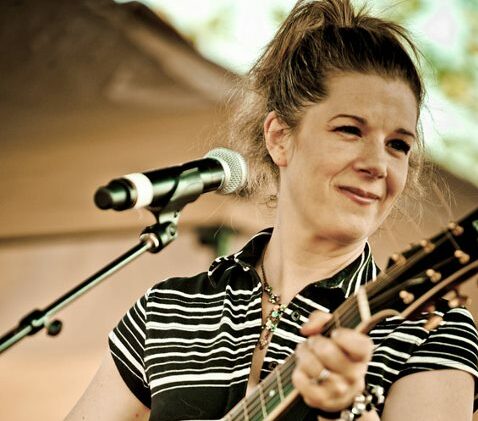
American folk singer Dar Williams has toured a thousand US towns and she wrote a book on what makes for a thriving town. She said it is not any particular value system, but proximity between people that matters and when they start doing simple things together in their community. At this level differences dissolve and true solidarity develops.
However, we don’t often tap into that commonality, as our world is designed to keep us busy and distracted fighting with each other about this and that. And when we tire of the way things are we are directed towards paying for a retreat, doing a yoga session, going on a holiday, getting counselling or buying ourselves something and so on. Apart from this commodification, this neatly boxed off approach ensures that delving into this space does not disrupt business as usual. We also approach this work as an individual exercise whereas it is really a relational and communal one. Perhaps the true work of humanity is building solidarity.
When a group in another part of the globe wins a battle against the forces that undermine the human spirit, we all win.
Locally, building solidarity is reaching out to people in our communities, all sorts of people, approaching them with an empty head and without any intent of changing them. See what happens and keep on doing that. If we do, it may no longer be business as usual where we are easily distracted and maybe a new world of solidarity among people and between people and nature will start to emerge.
And to my student I say – thank you for allowing me a glimpse into your world and reminding me of all the things I had somehow forgotten.
Noreen’s article is published in the latest edition of Changing Ireland.
Máire Uí Chomhail, manager of Ionad Naomh Pádraig in Gweedore, Co. Donegal – a Gaeltacht region – said politicians seem unaware of the extent of the issue.
She said that where previously, Christmas was a time when families struggled, now it is all year round. And while people on social welfare always struggled, now people in low-paid jobs cannot pay all their bills and keep food on the table.
Around Christmas time, her centre spent close to €5,000 distributing 48 food packages as well as vouchers for food, for toys and for pharmacies. They continued through January and February to provide food to people experiencing hidden poverty. However, the funding is all local and this is common across the network’s 21 areas.
“We are not centrally funded to provide food packages. And I may not always have €5,000 worth of vouchers. I may not always have 48 food packages to give out. Imagine if there was another economic crash. I’m worried about the people depending on us,” revealed Máire.
NO FUND FOR OUR FOOD RESPONSE WORK
“At present there is no fund out there where I can apply for €10,000 so that I can ensure that people in my area will not be struggling to put food on the table,” she added.
On top of that, nobody is paid in Co Donegal to do food distribution.
“Community centres like this are filling the gaps for state bodies. I see it all the time. We do massive voluntary hours. We’d be rich if we got paid for all the work we do,” Máire remarked.
• Máire Uí Chomhail.
Part of the difficulty is that food poverty work is not publicised.
“What happens in Naomh Pádraig stays in Naomh Pádraig. Nobody really knows why anybody comes through our door. That is crucial in any organisation dealing with people who are struggling. You have to be confidential as well as helpful,” explained Máire.
“Community centres are not a secret, but a lot of what we do is a best kept secret. Here we have people coming to us for our daily activities, cancer services, counselling, support for people with mental health issues, or who need a hand to pay their bills, put food on the table or just need someone to listen to them.
“We are very much for the bottom up approach. We work closely with the public health nurse, the parish priest and the local community and if we see families struggling we will help in any way we can,” she continued.
DELEGATION HEADING TO DÁIL ÉIREANN
“We want to go to Dáil Éireann, because I don’t think politicians are aware of how difficult things are for people on the ground, how much they’re struggling.
“When we had a Food Equality Forum open day in Letterkenny with keynote speakers. Not one politician turned up to that – not one. If they’re not going to come and meet us, the next thing we want is for a delegation to go Dáil Éireann to meet the politicians,” Máire said.
One gets the sense that if the community centre was not there, some people would go hungry, that their plight would not be known.
“Let’s not forget there is St Vincent de Paul and they give out vouchers, while we mostly give out food. We work very closely with them. They redirect people to us for food.
“We don’t publicise the food aspect of our work, but it is known of by word-of-mouth and we’ve a massive community behind us, supporting us, but we’re relying entirely on the community,” she said.
What government department might be responsible for a food poverty fund?
“Part of me would think the Department of Family and Children, but it probably should come from the Department of Rural and Community Development.”
NEXT MOVE
“First we want to agree on our terms of reference and our vision on behalf of the people we serve and then we are going to write to Minister Heather Humphreys.
“The vision I have is to be able to help families who are in a difficult situation, most of the time through no fault of their own, to get out of that situation,” she said.
NATIONAL ISSUE
“Food poverty is a national issue,” noted Máire, who recently visited Brussels with 60 female community leaders from around the country to brief MEPs on issues on the ground. “It was a big learning curve for them,” she added.
Now, she and her fellow food poverty campaigners in Donegal want to bring their anti-poverty message to Leinster House.
Food insecurity in Donegal is more pronounced than elsewhere. The county has the second highest levels of deprivation in Ireland and is lacking in services and good public transport.
When the pandemic broke, Donegal Local Development Company (DLDC) saw the need to establish what became known as the Donegal Food Response Network (DFRN). It is made up of 21 community and voluntary organisations geographically spread all across the county that support people experiencing food poverty.
Five of the Network’s member organisations are in the Gaeltacht and none of them receive any funding from outside to support local families. Food insecurity is exacerbated in Donegal’s Gaeltacht as many families have to travel up to 35km (each way) to the nearest big supermarket.
The network believes that no-one should ever go hungry and its crucial voluntary work comes under four different UN Sustainable Development Goals. Its members have power together and are working to establish their network as an independent legal entity, to then apply for funding and to set up a permanent food hub in Donegal.
The network receives a range of supports from DLDC through the Social Inclusion and Community Activation Programme (SICAP). It has connected the network with others. For example, DLDC now receives three tonnes of root vegetables fortnightly from FoodCloud and distributes these to network members.
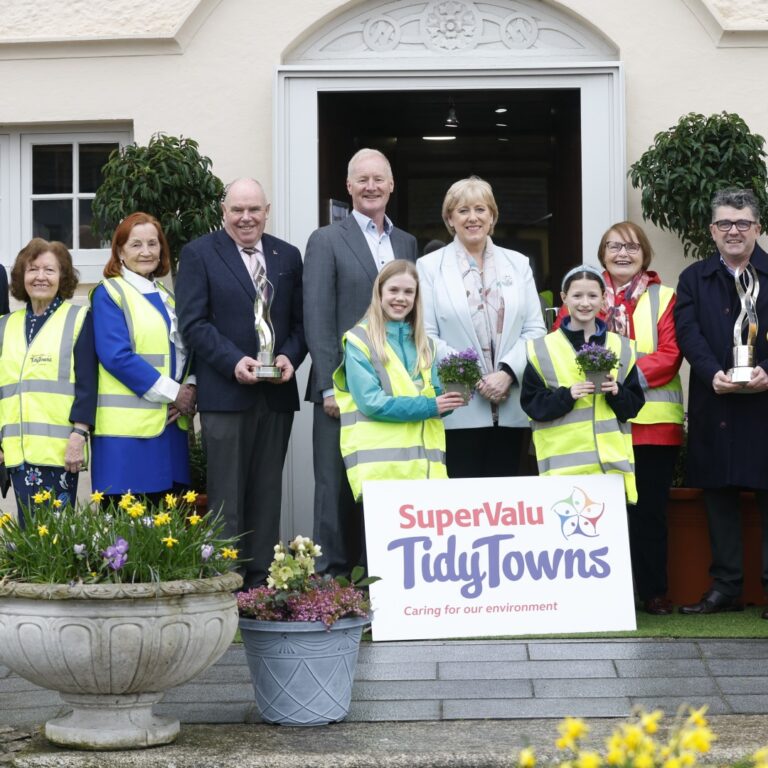
At the recent launch of the competition, Minister for Rural and Community Development, Heather Humphreys urged people to get involved in their local Tidy Towns group, especially young people.
Taking place annually since 1958, the competition, administered by the Department of Rural and Community Development and sponsored by SuperValu, has grown into a national sustainability movement.
“Tidy Towns is all about people, places and possibilities. Everywhere is unique and the competition provides a platform to share what is best about communities across Ireland.
“Being part of your local Tidy Towns group is a great way to transform your town into a vibrant, inclusive and sustainable place for everyone,” said Minister Humphreys.
Also speaking at the launch was Ian Allen, managing director of SuperValu. He said: “SuperValu Tidy Towns has become an integral part of community life in towns and villages across Ireland. It is a powerful, uniting force, which shows what can be achieved when communities work together towards the common goal of improving their local areas to make them better, more sustainable places to live, work and play.
“I have been particularly delighted to witness in recent years how the initiative has evolved to increase its focus on sustainable climate action and biodiversity projects mobilising thousands of people to make a positive and lasting impact in their communities. I am also deeply heartened by the mix of young and experienced volunteers ensuring that SuperValu Tidy Towns goes from strength to strength and continues to innovate each year.”
The competition features a number of Special Awards, such as the All Ireland Pollinator Plan Award, the Young Persons in Tidy Towns Award, the Heritage Award and the Leave No Trace Award among others.
Following on from last year’s inaugural Town Centre First Award, the category is continuing this year as an official Supervalu Tidy Towns Special Award, to recognise exemplary efforts made by towns in driving forward town centre revitalisation in line with Town Centre First policy.
The closing date for receipt of entries for this year’s competition is Wednesday, May 8. Entry will only be accepted by email to tidytowns@drcd.gov.ie. Entry forms for the SuperValu Tidy Towns competition are available at www.tidytowns.ie and will be emailed to all registered groups.
“Burning down places that might be used. I don’t understand that. It’s crazy stuff. You don’t know where we come from. I just don’t get it,” he remarked. “My mum and dad worked away. It was an Irish thing back then – when we didn’t have work, when you couldn’t go fishing anymore.”
He suggests people thinking of arson “should be using their time to add to their community, trying to improve things, and if there’s an issue there, sit down and sort it out. Don’t be burning buildings, throwing stones, burning buses. It’s getting like famine time evictions,” said John.
“Who knows, in ten or twenty years down the road, we may be in that same boat. We may have to go somewhere. My kids might have to go somewhere.
“At the moment West Donegal is cleared out with kids who have gone for a while. My two nephews are in Australia. I’d love my two kids to stay local, but they might go. If I thought Australians were going to burn accommodation for them…”
His island has welcomed dozens of refugees.
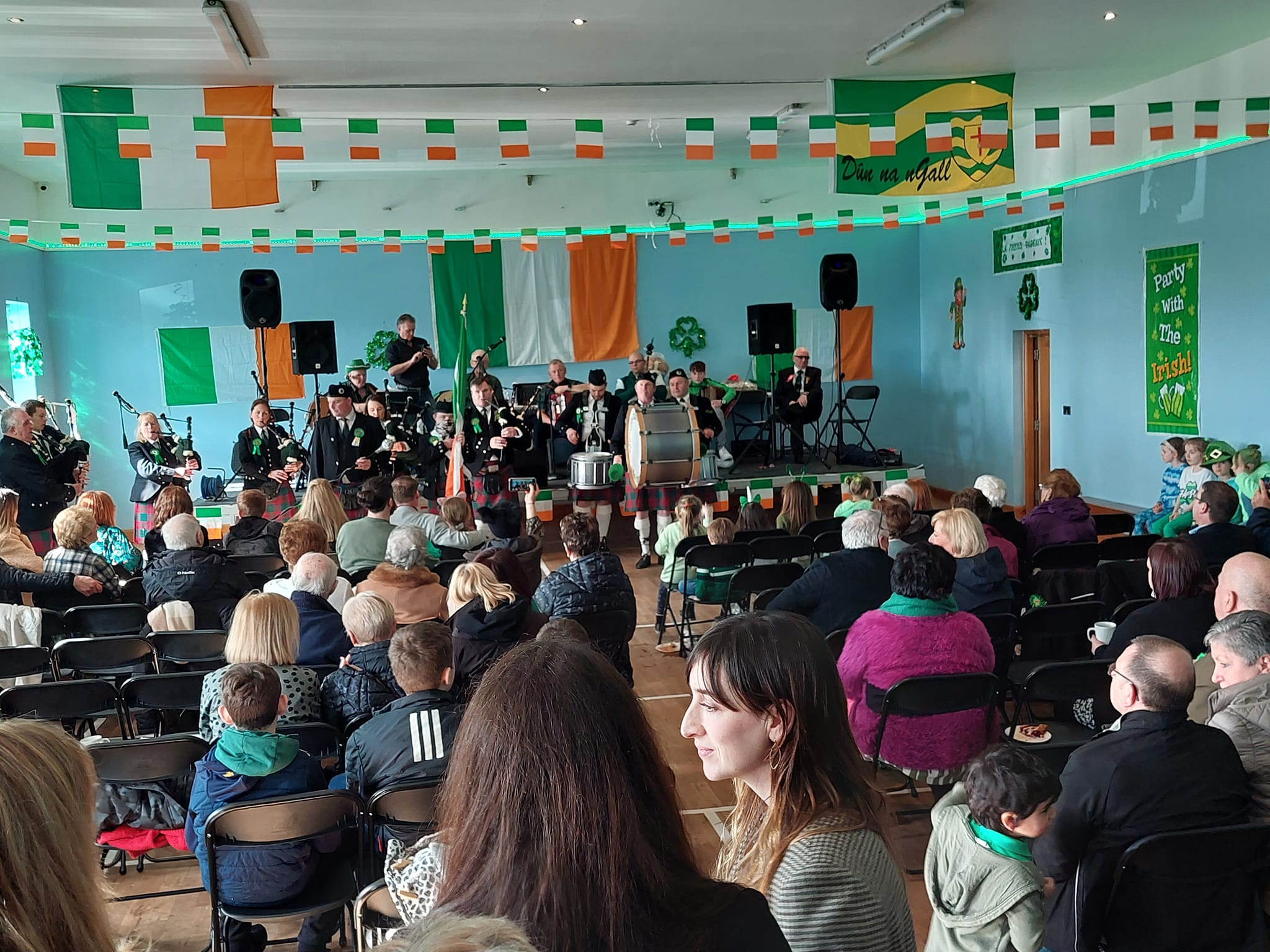
• Arranmore’s community centre on St Patrick’s Day-photo courtesy CFFAM.
“Those people who have come here and are actively taking part are adding to communities,” he revealed.
John was dismayed at the way Irish identity may be changing.
“The Irish have always been known for being welcoming and open and willing to help people. I’d hate to see Ireland change so much that we lose that. That’s our identity.
“People from Ireland have gone to far-flung places trying to help others. I would hate Ireland to lose that identity,” he added.
Árainn Mhór has a permanent population of just under 500 people, including 30 or so Ukrainians. The summertime population rises to between 1,500 and 2,000 people.
“If we had the housing and the infrastructure here, I’d happily welcome another 100 or more Ukrainians, Syrians or whatever. They’re in desperate need. They’re not leaving their country for a jolly, they need help. The people already here are actively involved in the community, they’re trusted.
“I’d love to think that if the shoe was on the other foot the option to leave was available to me and my family,” said John.
Driving two of us around the island, we passed a 16-bed hotel the government could consider purchasing which has been up for sale for the past four years.
Árainn Mhór’s population is concentrated on the sheltered eastern side of the island and is not as exposed or as isolated from the mainland as some of Ireland’s other offshore islands. Teenagers from the mainland even take the ferry to Árainn Mhór to attend secondary school.
For Ukrainians, they do not mind the weather so much. Vlad (who now runs Zumba classes on the island) arrived in a t-shirt during an August heatwave and was relieved when he found the winter not as cold as back home.
The only downside is the hour-long walk often in the dark from his house to the community centre. In fact, the Ukrainians are spread out in different houses on the island and have taken time to get to know each other.
The biggest change for Vlad was moving from a city to a rural part of Ireland. Oleg said: “It’s so safe and calm here. The people are good.”
Alex recalled: “When we first looked at the map of Ireland and found Arranmore, it was a rock. That was a shock.” He deeply appreciates the quality of education available on the island for his children aged 16 and four.
As an engineer, he has many ideas for community development – “every day” says his wife Yulia, who lost her job as a civil servant when her city was invaded. She likes the wild weather here, enjoys walking and she is now employed in the Day Care Centre on Árainn Mhór. Alex wants to join the RNLI as a volunteer.
“It is a very, very friendly and welcoming community. They stop us and have chats,” said Yulia.
“100%,” agreed Alex.
For more on Arranmore’s new Ukrainian community, read our story here about the first baby born on the island since the 1970s.
Since our meeting, Yulia’s mum Natalia had a mishap. The Arranmore community, having warmly welcomed the family, launched a fundraising campaign and asked Changing Ireland to share the link. It is a testament to the bonds formed between islanders and newcomers that they have raised over €4,500 in a short space of time.
The local development company has developed a handbook for the sector and a training programme to support people with intellectual disabilities when it comes to financial wellbeing.
On Dublin’s northside, they help people in very practical ways to learn how to safely use ATMs, bank cards, Revolut, and how to be wise to scam artists.
“If there’s a need for this where I am in Dublin, there’s a need in the wider sector,” she says. While Angela’s team cannot deliver country-wide, she encourages anyone interested in developing services in their area to make contact.
Since 2020, Northside Partnership has been working on projects that are helping people in their catchment area to manage their finances more effectively. As well as providing courses for their core client base, they have created programmes specifically tailored to people with intellectual disabilities.
Angela spoke to Changing Ireland about financial inclusion, how to encourage it, about their handbook, and why we should never go fully cashless.
SICAP SUPPORT FOR MONEY MADE SENSE
In 2020, Northside Partnership created a programme, with funding from JP Morgan, called ‘Building Financial Capabilities in Ireland’ to address what they saw as an “education gap” around financial products, and limited awareness of the supports available through the Money Advice and Budgeting Service (MABS).
“It was developed as a result of research* undertaken by the Think-tank for Action on Social Change (TASC). A lot of their research was in the areas where Northside Partnership is based.
“So we developed and piloted the Money Made Sense programme in response to that. The original programme was targeted at low-income groups, unemployed people, unwaged people, and lone parents. Since we’ve mainstreamed it into our SICAP supports, the net has been cast wider,” she explained. The SICAP programme also supports Travellers, Roma, refugees, International Protection applicants, people with disabilities, people impacted by educational disadvantage, people with a criminal past, and islanders.
OVERCOMING RISKS AND BAD EXPERIENCES
The Money Made Sense programme places a strong emphasis on identifying risks in regards to technology and digital financial products – such as scams or high interest loans.
Angela says money is more complex than people realise and is about more than knowledge or skills: “Your relationship with money often can determine how you handle it on a day-to-day basis. You might have had bad past experiences with money.
“I had a woman whose ex-partner was a gambling addict. She was terrified of using banking apps because she was afraid of what it would lead to. It’s often about exploring people’s values around money, and looking at what suits you. What are the best ways of managing your money, whether it’s using cash or having more access to digital products that can benefit you and make you financially included,” she added.
NERVOUS ABOUT BANK CARDS
The training offered to people with intellectual disabilities can be tailored to the learners’ individual capabilities and motivations. Angela explained that, within the intellectual disability sector, people’s capabilities and what they can manage varies. The motivation to manage money also varies.
Said Angela:
“Particular challenges might be around things like everyday cash-handling, counting. The training is kind of going back to basics a little, understanding where money comes from, understanding where your money gets spent, looking at needs versus wants.”
“It could be little things like how to use an ATM. A lot of people feel nervous about using a bank card. It’s often a psychological block.
“More and more people are using Revolut, and that’s true of people with disabilities as well. It has pros and cons. They don’t have to worry about being shortchanged and they can keep track of the spending. It’s about teaching people how to use the app, and that every time you tap, your balance goes down.
“Staying safe online – that’s a big one. We can never be 100% savvy when it comes to scams, no one is, it’s about safeguarding, understanding when a text message or phone call is legit or not. A lot of these are topics that we tackle in the mainstream course as well. It’s just that we approach it differently.”
– The financial inclusion handbook created by Northside Partnership for the intellectual disabilities sector
LEARNING TO LIVE INDEPENDENTLY
Angela works with the Horizons programme, which is run through St Michael’s House, an intellectual disability service in Dublin. The programme aims to support people with intellectual disabilities to move towards independent living.
“We deliver the training out of a flat that they have assigned to this project. The financial inclusion training is part of a suite of supports. People practice their shopping skills, and with that comes daily budgeting and understanding the cost of groceries because normally, people will be used to someone else in the family doing the weekly shop. They might stay a few days in the flat to practice living independently.
“Everything we’re teaching them goes into practicing those skills. It’s a nice example of where our programmes can interact with what other services are trying to achieve and how we can support that,” she revealed.
HANDBOOK
Angela has also worked on the creation of a handbook for the sector, aimed at supporting services, families, and carers of people with intellectual disabilities to assist them with financial inclusion. It was launched in January and includes a money assessment, to determine the person’s level of interaction with money. It also has practical tasks and cut-out sheets, and resources such as a bill calendar, budgeting tools, and a meal planner to help with food shopping.
REPLICATING GOOD PRACTICE
Angela and her team at Northside Partnership have also worked on financial inclusion training with Praxis, a national service for young people with intellectual disabilities, and have plans to work with other services in the sector.
“With our SICAP programme, we are limited to working within northeast Dublin, our catchment area, but we’re lucky in that some national services exist within our area. We have plans to work with the Central Remedial Clinic to bring this programme to their service users, which is great.
“I feel if there’s a need for this where I am in Dublin, there’s a need in the wider sector and certainly the services that I’ve worked with have taken a great interest in this. The challenge for us is it’s not something that I can go across the country and deliver. So how do we create those capabilities in other services? I just want to put it out that this work is happening and if you’re interested, get in touch.”
Angela finds her work very rewarding, particularly when she can see how the training benefits learners in their everyday lives. “Often as instructors, we might feel that we’ve only made a small impact, but the people who are used to being around the service users see the difference. It’s incredibly rewarding working with this sector, you get an awful lot out of it.”
CASHLESS SOCIETY
Asked about the potential impact of a cashless society on people who might already struggle with financial inclusion, Angela says, “It’s something that services, families, and carers are aware of and want to leverage to the benefit of people who are vulnerable. Leveraging those products for the better so that it creates financial inclusion rather than leading to financial exclusion.”
She believes education about using digital, cashless methods of payments is essential: “The more technology that you’re using, the more risk you have of falling foul of a scam. With cash handling you don’t have those risks.
“Digital transactions are all well and good in terms of safeguarding people from their cash being mishandled, but there’s the temptation of tapping (too much) – tap, tap, tap pays for everything. Education around that really needs to be addressed, especially for vulnerable groups.”
She concluded: “I don’t think cash should ever be removed as an option for anyone, especially vulnerable target groups, older people, people with disabilities, if that’s what people are comfortable with.”
What is financial inclusion? Angela Shafer explains:
“It’s about having the ability to effectively manage everyday money handling and financial matters. It could be as simple as confidence with cash handling, access to a bank account, access to financial products, especially digital financial products, in a way that is financially healthy for you.
“It involves an understanding of financial products, as well as access and leveraging those products for the better. For example, understanding how interest is applied to loans, understanding and shopping around for bank accounts, being able to use a banking app, budgeting. It’s a whole set of life skills.”
* In 2022, TASC, Northside Partnership and North Dublin Region MABS published a 108 page report titled ‘Financial Capabilities – A Framework for Integrated Delivery’.
To download that report: https://bit.ly/TascCashCapable
To contact Angela and her team at Kish House, Greendale Road, Kilbarrack, Dublin 5: T: 087 925 4095. M: 087 925 4095. E:angela.shafer@nspartnership.ie
Organisation type: Social enterprise Aim: Inclusion Cost per person: €20 for 90mins. (€5 for carers/PAs) Boat capacity per trip: 10 people Engines / speed (main boat): 2x 150HP / limit of 7 knots No. of passengers to date: 5,500 To book, call: 089 2625505 W:https://www.loughreeboattrips.com
The super-accessible reception centre at Lanesborough, on the lake’s northern end, has also helped make it a popular stop-off destination for wheelchair users.
Skipper Lisa Fayne looks after the organisation’s sales and marketin, she spoke to Changing Ireland about the project and the importance of full accessibility for wheelchair users.
“We offer our boat trip service for people with disabilities primarily, but it’s not just for people with disabilities, it’s access for all. We do three trips a day, and the trips last for 90 minutes. You don’t need to worry about accessibility when you come out here. Families don’t need to plan; all they need to do is ring us and see if we’re available.
“It’s such a personal experience, the boat only takes 10 people. It caters for three to four wheelchair users. Wheelchairs come in different sizes, so when people are booking we will have to ask them ‘How large is your wheelchair?’ so we can accommodate them as best we can,” Lisa explained.
“They’re locked down in place when we’re going out on the lake, and then you can unhook the wheelchair, go out onto the bow of the boat for your Titanic photos and all that!”
ROLL-ON/ROLL-OFF DESIGN
• ABOVE LEFT: The original boat. ON RIGHT: The two boats purchased newly for 2024. Fishing and pleasure cruising have so far attracted over 5,500 customers. For fishing trips, gear and bait is supplied by Access for All.
Lough Ree Access for All CLG’s funders include the Department of Rural and Community Development, the HSE, Inland Fisheries Ireland, Roscommon Integrated Development Company under the EU LEADER Programme, and Waterways Ireland, among others.
Access for All’s unique wheelchair-friendly vessel was specially designed in Tallinn, Estonia.
“It’s like a little car ferry. You just roll on and off; there’s no lifting, no hoist. I’m not saying hoists are bad, but my wheelchair-using friends tell me it’s mortifying ‘when you’re hoisted up like a bag of spuds’, as one of the lads put it. Here you’re treated like everyone else,” Lisa noted.
“We have two other open boats that are wheelchair accessible as well. We’re hoping to get the numbers up to 30 people per trip because we have the three boats now. So that’s where we’re starting from this year.”
PEOPLE PRAISE THE TOILETS
Access for All are also proud of their Changing Places toilet suite, which opened last year and is one of just 25 such facilities registered in Ireland so far. These differ from standard accessible toilets as they are more spacious and offer additional facilities such as a hoist and adult-sized changing table.
According to Lisa: “It’s opened up more travel options for people. Even if they don’t come on a boat trip, they can stop off here. There’s a local man only 20 minutes down the road from us, he’s a wheelchair user and he said: ‘I love coming for my walk, or my roll, but I had to split up my day and go back home to use the toilet and then go back’. And now he doesn’t have to go home, he can stay in the town. So it’s bringing lots of people here.”
KEEP EDUCATING THE PUBLIC
The importance of accessibility for all cannot be underestimated.
“It is so important; I never realised the barriers before I began working in this job. We’re only a snippet of breaking down the barriers to the waterways for people, and society in general. We’d like to keep educating people; we do mental health talks, we have accessibility targets.
“We bring in schoolkids and we say: ‘When you start driving a car, don’t park on the kerb. Pick up after your dogs – wheelchair users have to put their hands on the wheels’, and stuff like that.
“Even the heights of desks and sinks in our building, everything we have is adjustable. That costs more money, but we have great activists and fundraising campaigners here that keep at it.
“Dorothy Coyle, our director of disability, equality and inclusion, designed the building. But she considered that just because she’s in a small manual chair doesn’t mean that everybody will be at that height,” said Lisa.
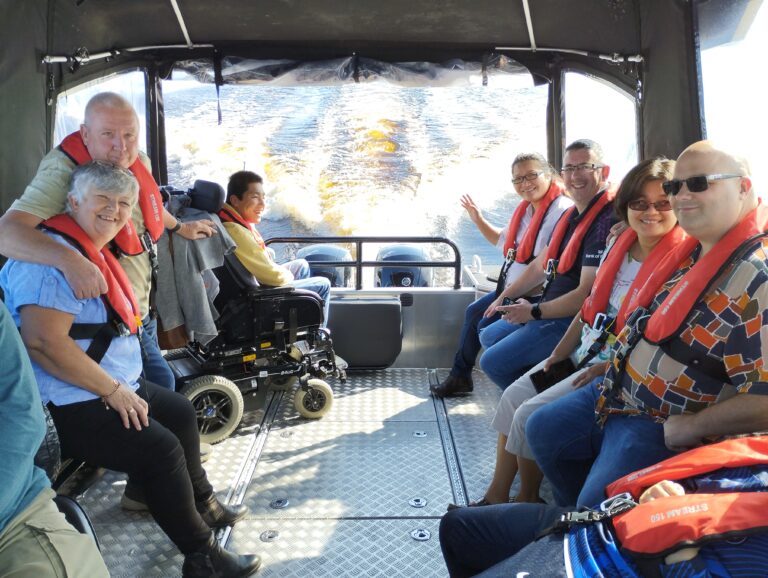
• Lough Ree visitors enjoying their boat trip. Photo supplied by Lough Ree Boat Trips.
ACCESSIBLE FISHING RODS
It is not only the boat and the building that are accessible for all, even the fishing rods can be used by people of all abilities.
“We have special motorised reels that you don’t need much movement or dexterity in your hands. It’s like a little game controller, you put it on your lap, and the fishing line literally casts out and reels in.”
Lisa recalled: “I drive the boat as well, so I do the fishing trips, and I can see how therapeutic it is. I look back at them (the passengers) and I see how relaxing it is.
FIRST PIKE CATCH
“Recently a man came to us who was totally paralysed, bar movement in the tip of two fingers. And he brought out his family and a banquet of snacks with them and caught a pike for himself. That was the first pike he ever caught in his life, and that was not for want of trying.
“He had fishing experience years ago on the River Shannon with his son. His son sadly died in a car crash and he got sick himself and ended up being a wheelchair user. He had thought it wasn’t even possible to ever fish again. So he came out on the water with us, and even though his son is not with him anymore, he said it brought back memories of his son.
“We have to pinch ourselves sometimes and say ‘We’re getting paid for this. This is brilliant!’ Some people you’d see their white knuckles at the start, they’re holding on and they’re so scared. And by the end they don’t want to get off at all. It’s a powerful thing.”
WATER GOOD FOR WELLBEING
The health benefits of being in or near water have been long documented, and many who have travelled on Access for All’s boat will strongly agree. Lisa’s colleague Mark McClean has an acquired injury following a car accident. He became paralysed from the waist down and is now a wheelchair user.
According to Mark, the worst aspect of his disability is the frequent and uncontrollable muscle spasms he suffers in his legs. However, after he began working at Access for All, he found that the only time the spasms fully stopped was when he was on the boat.
STAFFING / EXPANSION PLANS
As part of the eight-strong staff, Access for All employs two people with disabilities through Employability Midlands. “They say to me on a daily basis: ‘I never thought I’d have a job in general, never mind this job’. They’re the faces of our company now and they love it,” Lisa remarked.
The Irish Wheelchair Association are among the most frequent users of Access for All’s boat and facilities. People involved with other organisations like Ability West, Enable Ireland and day and residential services are also regular passengers.
Access for All also receives funding from the Galway Roscommon Education and Training Board to provide boat trips for students of DEIS schools taking health and wellbeing classes.
In addition, Access for All has established an Irish Sailing Association training school to provide powerboat training. The two-day national powerboat certificate course is open to people of all abilities.
The organisation is planning to expand its sightseeing and heritage trips with improved access to the islands in Lough Ree.
“We want to get on to the islands that we do our heritage and history talks about,” said Lisa. She and her team have high hopes for one island in particular.
“We are in talks with the owners of the most famous island, Inchcleraun, also known as the Quaker Island. It has the monasteries of the seven churches on it from the time of Saint Diarmuid. He was a mentor of St Ciarán, who founded Clonmacnoise. There are no jetty facilities on the island. The owner is supporting us and we just need to get that ball rolling,” she said.
Meanwhile, the organisation hopes to host visitors one day soon from County Antrim. That would truly make the Access for All boating venture an all-island, all-Ireland success.