

Imagine if community-based, social enterprises were the preferred choice for delivering goods and services, even infrastructure. We would live in a fairer, more equal world, with more choices.
This aspiration ties in with the social model of disability, which says that many of society’s barriers can and should be removed. It is the opposite to the medical model of disability which is now a multi-billion euro industry and seen as generally disempowering.
As seen with the recent referendum outcomes, people take disability and work as carers seriously. The State and wider society needs to make transport, work and independent living truly accessible. Rights, not charity.
This edition features three examples where people have pursued the social model. With the right supports people can do the things they want to.
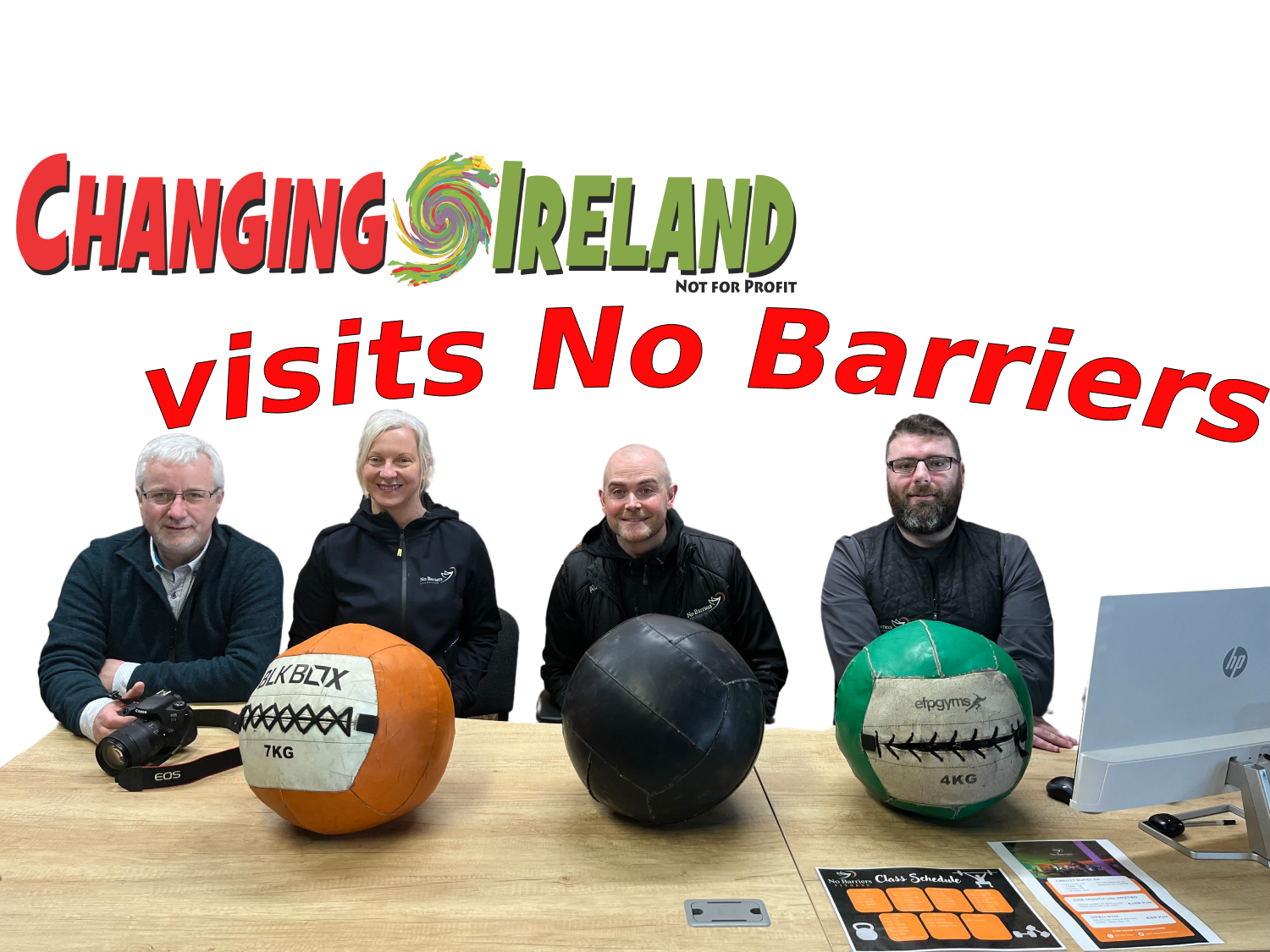
The No Barriers gym in Letterkenny takes a currently novel approach to equality and delivers a service that costs about 10% of what private companies would need to charge to provide the same (they currently offer nothing comparable).
Similarly, Lough Ree’s accessible fishing and boating venture – which features on our latest front cover – shows what can be done.
In both instances, volunteer-managed social enterprises have turned ideas into successful ventures while tackling inequality.
Meanwhile, in Dublin, a local development company is using a council flat to provide real-life training in money management for people with intellectual disabilities.When Viv Sadd, co-ordinator of Mahon CDP and a member of our editorial team, read this article, he declared: “We have to have this in Cork.” What is rare could and should be commonplace.
MEASURING SOCIAL IMPACT MATTERS
Social enterprises often deliver goods and services that the private sector either cannot deliver or will not (eg if profit margins are low).
See pages 20-23 where six winners of a recent competition explain why they measure their social impact and how they do it.

VOLUNTEERS CAN’T FILL FOOD POVERTY GAP FOREVER
Food insecurity impacts more than 10% of households nationally. However, food banks are not everywhere and community groups fill the gap in some remote rural areas, but their funds and volunteer hours are not limitless. They want the Government to set up a national fund to support their food poverty work. If they are not listened to, they are able campaigners and will “make some noise”.
It augurs well that Minister for Rural and Community Development Heather Humphreys has made inroads in regards to food poverty.
Most recently she announced that, from this April, pupils in 900 more primary schools across the country will receive hot school meals. No doubt she will listen to the people of Donegal.

REALITY V RACISM
Negative stereotyping portrays Ukrainians coming here to avail of Ireland’s social welfare system. Some Irish now ignore facts including the war itself. While many refugees in rural areas have limited access to the labour market, official figures show over 24,000 Ukrainians are in jobs here. The true figure is much higher, Ukrainians here say.
It would be a disaster to let a small number influence others with their racist rhetoric. Irish people are known for standing alongside people experiencing oppression.
ISRAEL COMMITTING GENOCIDE
Which brings me to Palestine – never out of our minds since Israel moved from war to genocide. My heart goes out to all suffering hunger, thirst, bombing, daily grief and abandonment. Is boycott and protesting at every opportunity the best we can do?


