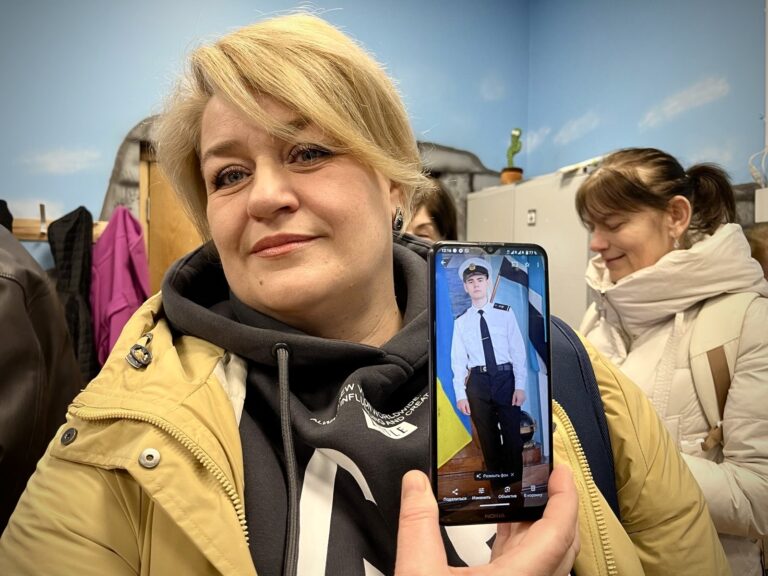
“Everyone has been so helpful to us over our last two years here in Donegal,” said Victoria Moreva, from Mariupol, who is a doctor of chemistry and was professor at the university there. “My husband Alexander, my daughter, Victoria, and I were twice displaced from our homes by the war. We had to flee from Donetsk first and then driven out of Mariupol two years ago by Russian aggression. Since moving here, I’ve been very lucky to conduct research at the Cill Ulta organic centre.”
Alexander, a construction engineer, said he’s also lucky: “I’m very excited, having just started a new job this week in Dunlewey as an environmental officer.”
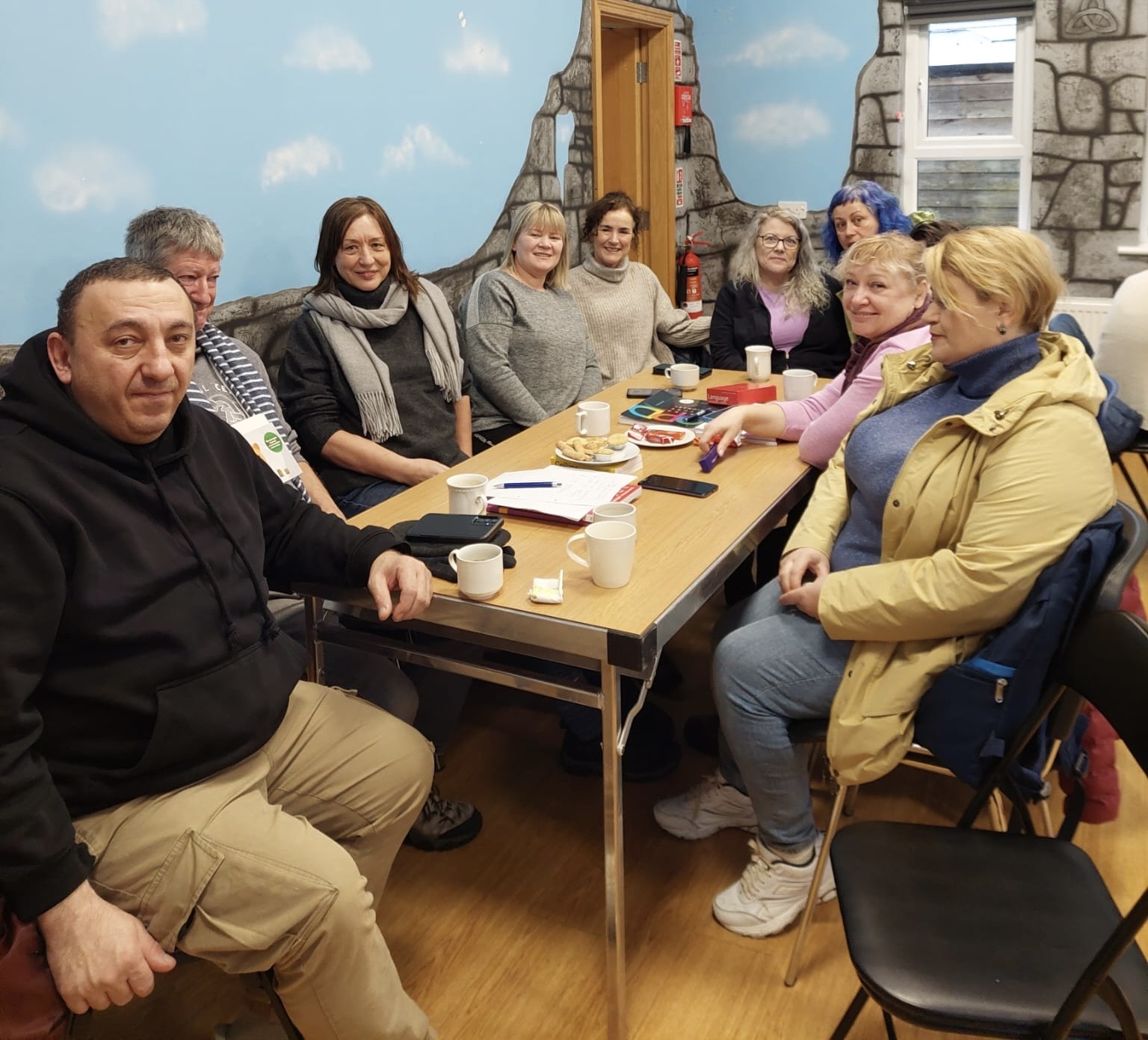
• A group attending a Fáilte Isteach meeting in Falcarragh, Co. Donegal.
Oleh Sobol, who fled from the Black Sea port of Odessa after being bombed by Russians, said Pobail Le Chéile’s initiative eases his loneliness. “The English speaking club is very important to me. It gives me a chance to talk to local people. I don’t feel so lonely when I have the group to look forward to.”
Sonja Wilson from Leeds, who has lived in west Donegal for 18 months and worked as a nurse for more than 30 years in paediatric cardiology, at a children’s hospice and in a school for children with profound medical needs, explained why she is a project volunteer.
“Many years ago my mother was a refugee and because she and her family were welcomed in Germany, they went on to live happy, fulfilled lives. I believe as human beings we are all stronger when we stand together. I have learned a lot from my Ukrainian friends and my life is so much richer for knowing them. I hope what we do helps them feel welcomed and valued.”
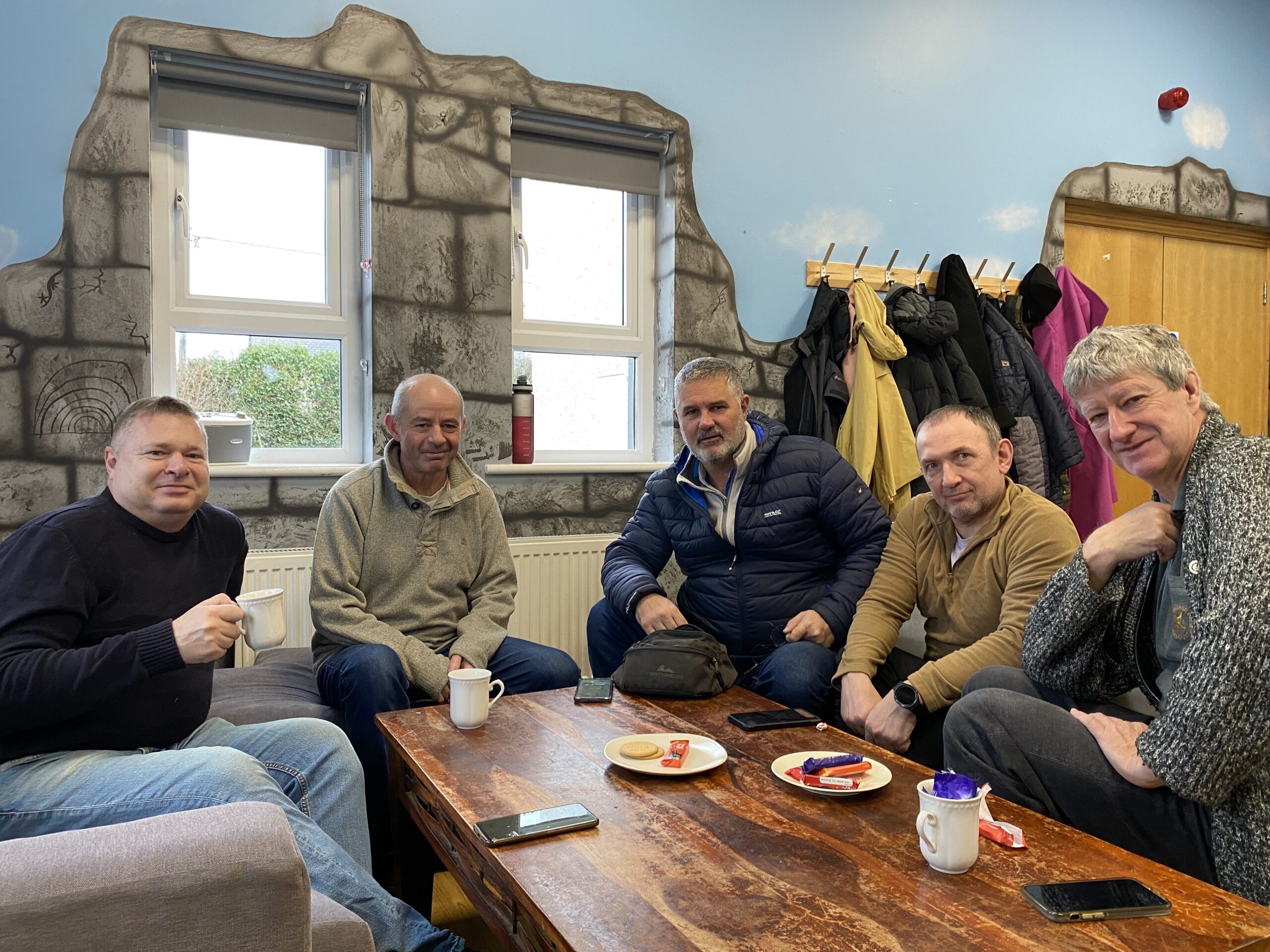
• Having a cup of tea at a Fáilte Isteach meeting in Falcarragh, Co. Donegal.
Maggie Maclean, a retired midwife from Ontario, Canada, said, “I have first-hand experience living in a country where I didn’t speak the language so I wanted to help our Ukrainian friends adapt to their new life. Every week I come away with my spirits uplifted because of the joy, determination and tenacity of these lovely people who have experienced and lost so much. It’s a privilege to share time with them.”
Joan Sweeney, from Philadelphia, said, “I really appreciate all the work Pobail Le Chéile has done, especially the weekly Ukrainian conversation group. I understand how difficult it can be navigating a new country, especially challenging when you don’t speak the language. Our little group assists our Ukrainian friends with a myriad of needs – from completing important paperwork to making shopping lists. Sometimes just having a stress-free cup of tea and making new friends makes a world of difference.”
More volunteers are welcome. Phone: (074) 918 0111.
This article appeared in our Spring 2025 edition, alongside other stories on integration and refugees (eg click below to see what they are doing in Carlow). You can read the full Spring 2025 edtition HERE (free to read/download).
*Sean Hillen is an author and former foreign correspondent for The Irish Times. He is also co-founder of Ireland Writing Retreat in rural Donegal and the Wild Atlantic Writing Awards (WAWA).
During the summer, a Palestinian farming organisation called UAWC – the Union of Agriculture Work Committees – issued an urgent call for solidarity. The organisation wanted fellow farmers from the global peasant farmer movement La Via Campesina to come and see the “severe and critical conditions” on the ground in the West Bank in Palestine.
Attacks on farmers by settlers, the stealing of land, water and other resources, the intensity of military occupation, and injuries and deaths, were all increasing.
UAWC wanted to show people directly, to empower people to advocate back home for Palestinians. They also hoped to foster ongoing solidarity.
I jumped at the opportunity – and then spent months worrying.
There are many things you learn taking on a trip like this, and more properly understanding real fear is one of them. I never worried so much and for such a prolonged period.
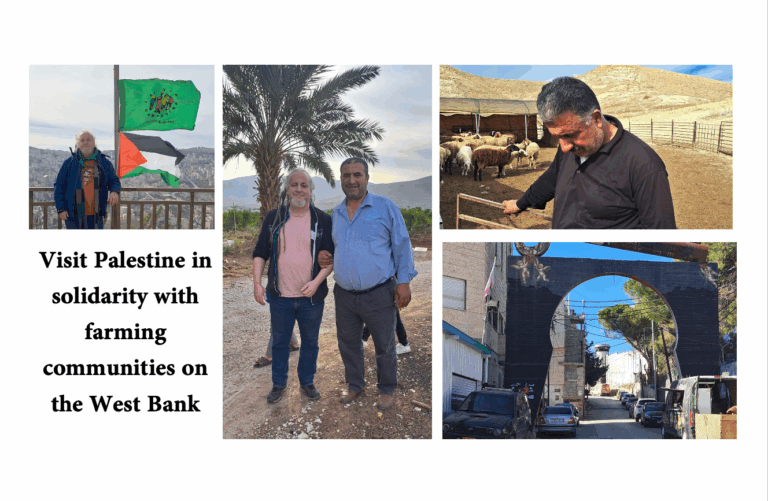
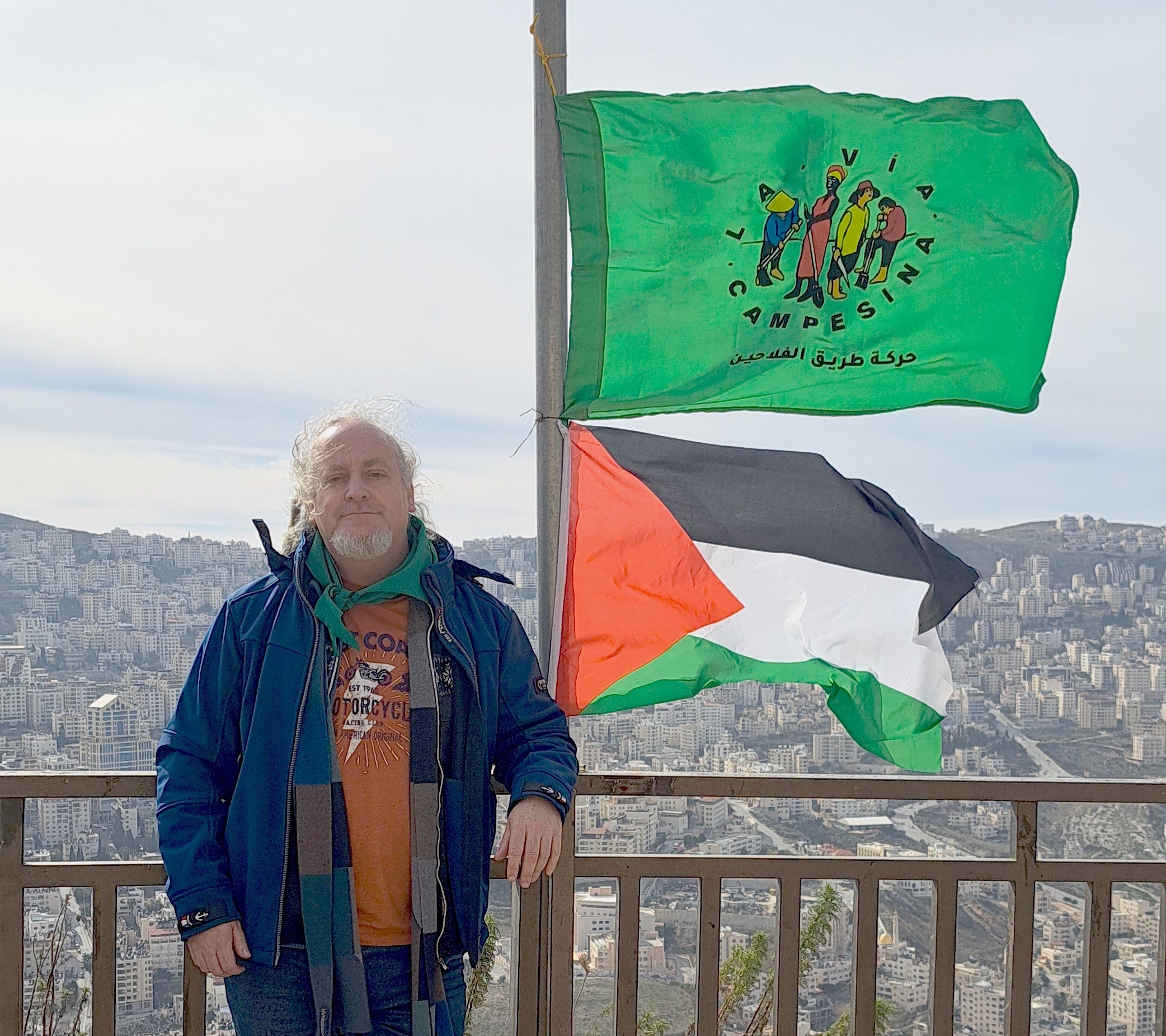
• Oliver Moore in Nablus, West Bank, Palestine. He was nervous before travelling, but put it in perspective by comparing it with the daily struggles of Palestinians. PHOTOS (c) La Via Campesina.
I didn’t know others in the group and didn’t speak Arabic or Hebrew, and while I know about farming, I’m not an actual farmer. So, I wasn’t even especially handy should that be needed!
No matter what else was going on in my life, the clock seemed to gallop inexorably towards landing day, December 10th. Family time became especially precious.
Every pulse of dread (which always came at night-time) was accompanied by the guilt of comparing this to anything a typical Palestinian faced.
These months were a great lesson in understanding my own privilege – not knowing fear – and what to do with it.
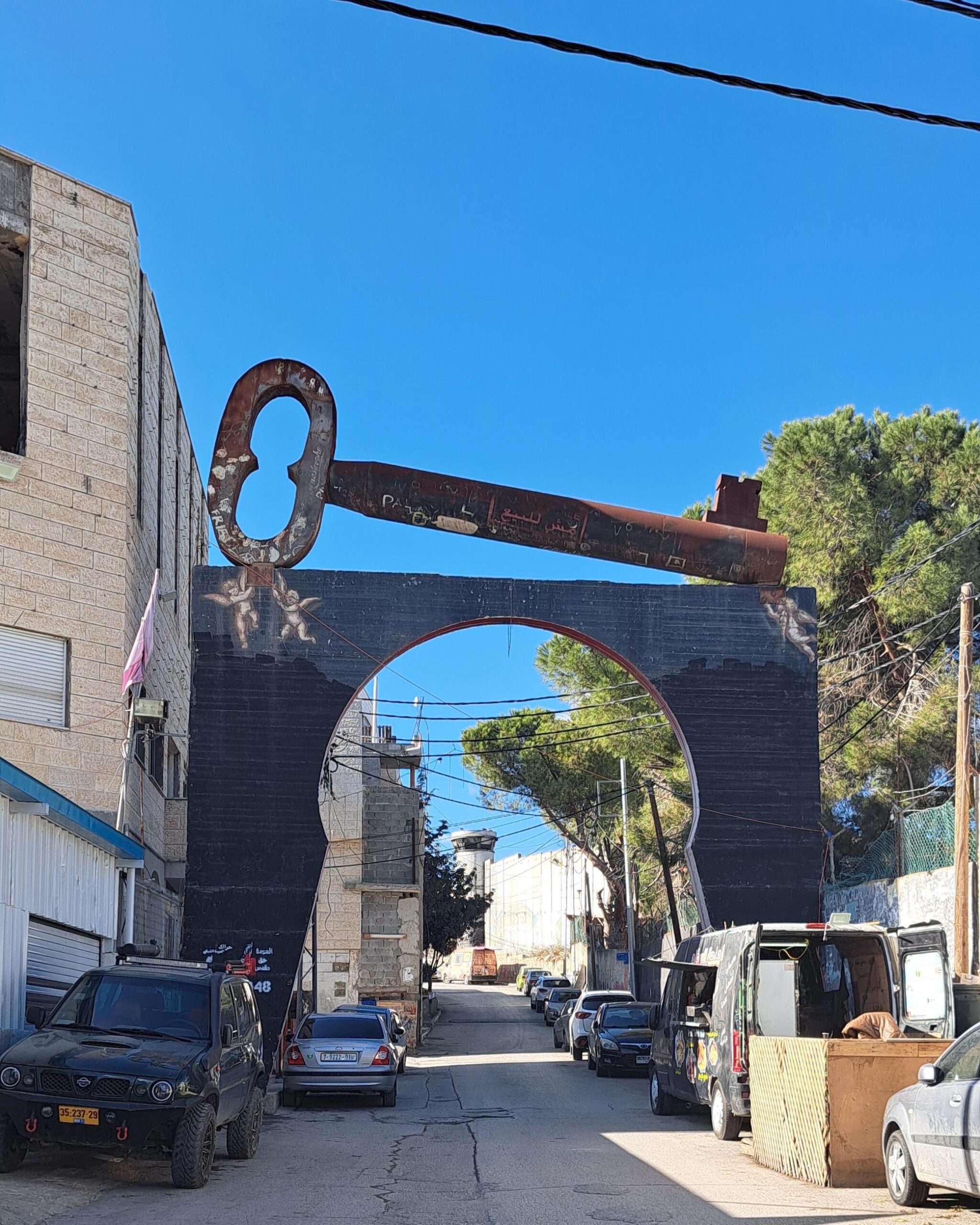
• The entrance to Aida refugee camp in Bethlehem – the giant key symbolises the right of return for refugees.
ARRIVAL
Once we got there, UAWC were incredible hosts, so welcoming and warm. They really took us under their wing.
Our team of nine internationals lived in each other’s pockets – along with Fuad, Agsan, Sanna and Tamam, the local UAWC crew who spent every day with us. We found camaraderie over shared meals and stories, songs and laughter in people’s own homes. And daily tears.
The ten-day itinerary was intense. We visited six cities – Nablus, Hebron, Ramallah, Bethlehem, Jericho and Occupied East Jerusalem; four villages – Qusra near Nablus and Bardala, Al Farsiya, and Jiftlik in the Jordan Valley; two refugee camps, Dhesheh and Aydah, in Bethlehem; and one school in the Masafer Yatta region.
SMALLER THAN COUNTY CORK
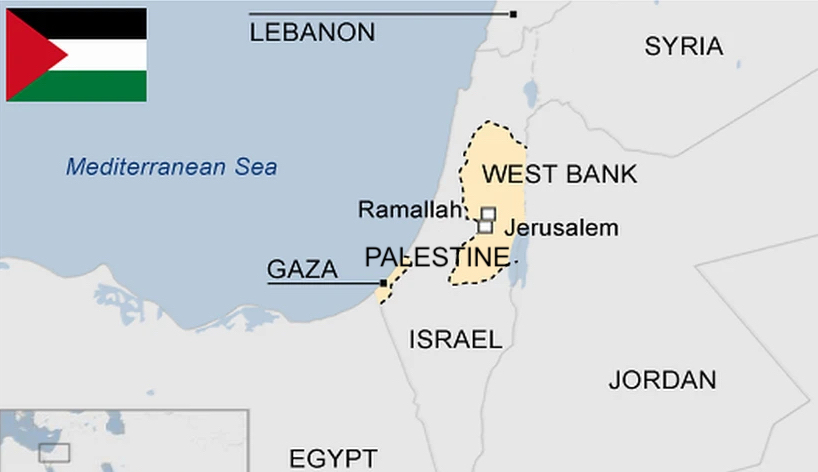
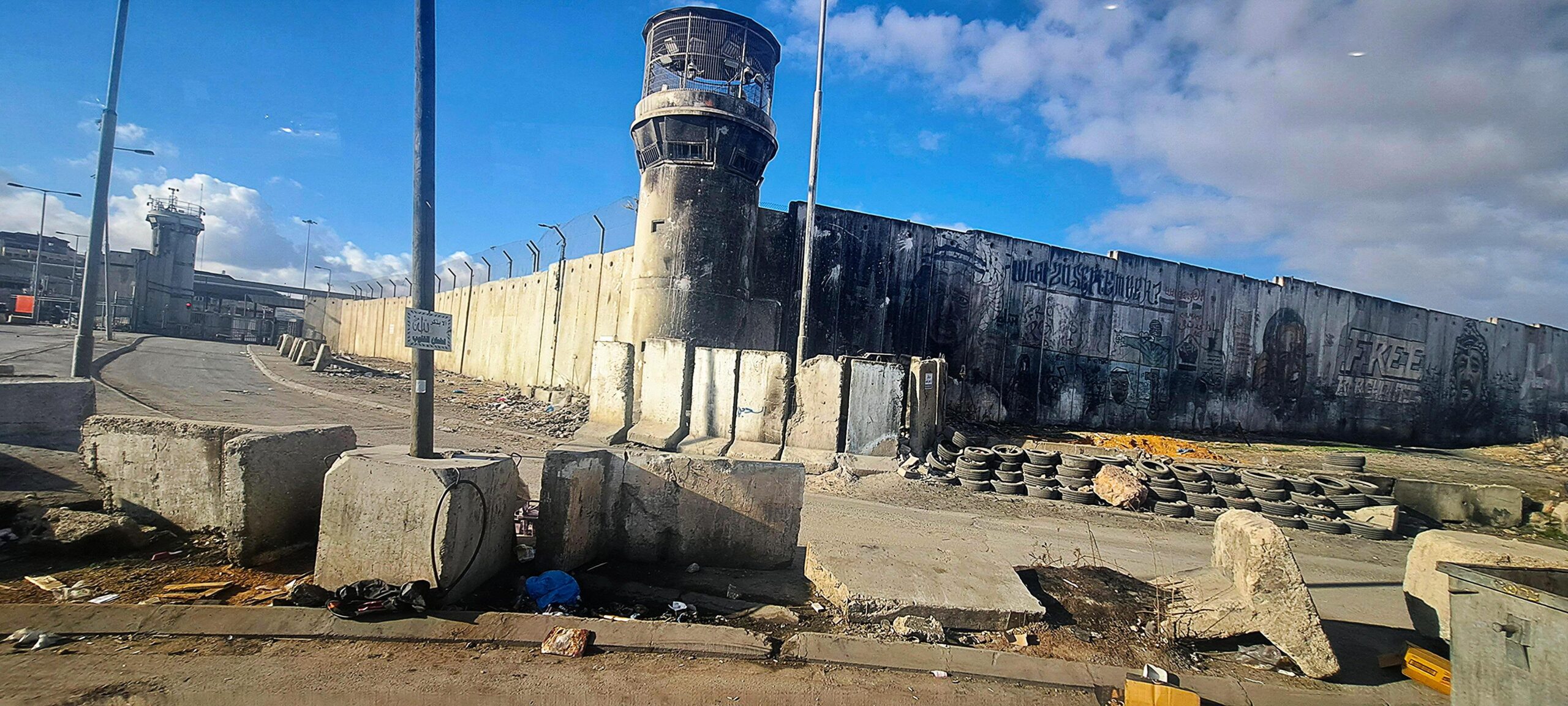
Palestine is smaller than people think. The West Bank is smaller than County Cork (5640 sq km vs 7500 sq km) and one of the first things you feel is trapped. Getting around was a long winded, stressful undertaking. Everywhere there are barriers. There were 800 or so roadblocks when we visited.
Cities like Nablus – the size of Belfast – have over 130 barriers to entry and exit. Some of these are fully militarised checkpoints, while others have huge orange gates closed without information or warning. All travel and trade, all trips to school, to hospital, to work, is impaired by these closures.
For us, this meant delays. For locals, this means the basics of life, whether routine or emergency, cannot be done easily or with certainty.
While settlers have their own well-built roads, Palestinians have winding ways to get around, on badly kept back roads full of traffic and roadblocks. Israel has been retaining tax revenue generated in the West Bank from the Palestinian Authority since October 7, 2023, so little investment is happening in upkeep.
WE HEARD TESTIMONIES
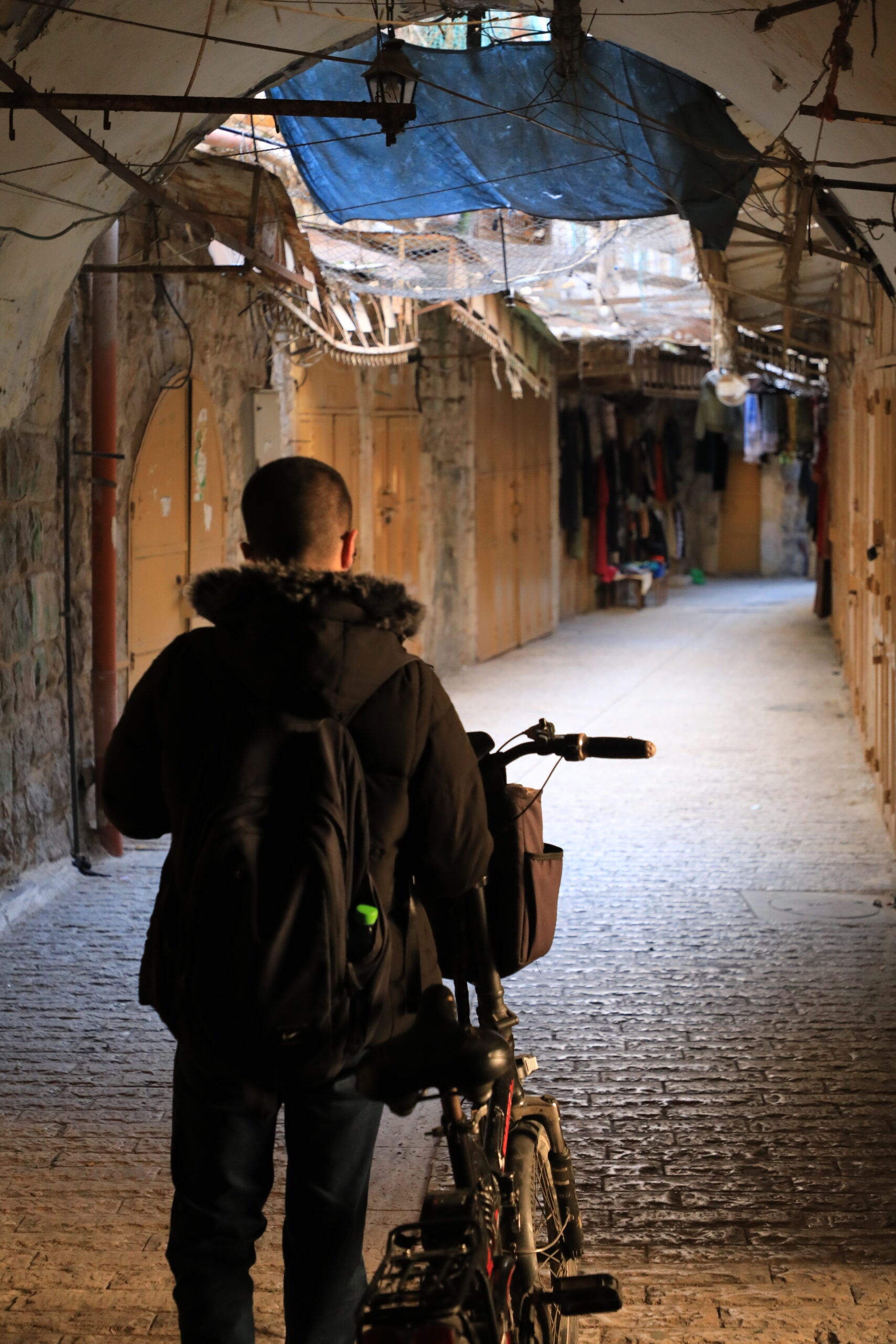
• An empty market in Hebron. The protective netting is to prevent materials from being thrown onto Palestinians by settlers.
When stop-start moving, we also felt the suffocation of being surrounded by hilltop settlements. They were everywhere. For the UAWC team, the landscape was constantly changing. Two staff who are regularly out in the field visiting farmers and herders, kept pointing out the huge imposing Israeli flags indicating new land claimed by illegal settlers. Flags, outposts, settlements – increasing everywhere and always on the hills.
Outposts and settlements come with increased attacks on locals. Dozens of settlers can attack villages and go on the rampage. Many people had their story of their village being attacked by settlers, or family members being beaten up or arrested for the smallest of things by soldiers.
We heard testimonies about how the army often comes in after a settler attack and fires teargas and rubber bullets at people gathered to check-in on each other, compounding the abuse of the attacked.
Since January 2023 over 1,000 Palestinians in the West Bank have been killed and over 16,000 injured. One million people have been arrested since the occupation began in 1967. The situation in prisons is deteriorating rapidly, including restrictions on visits, overcrowding, and arbitrary detention.
RURAL PALESTINE
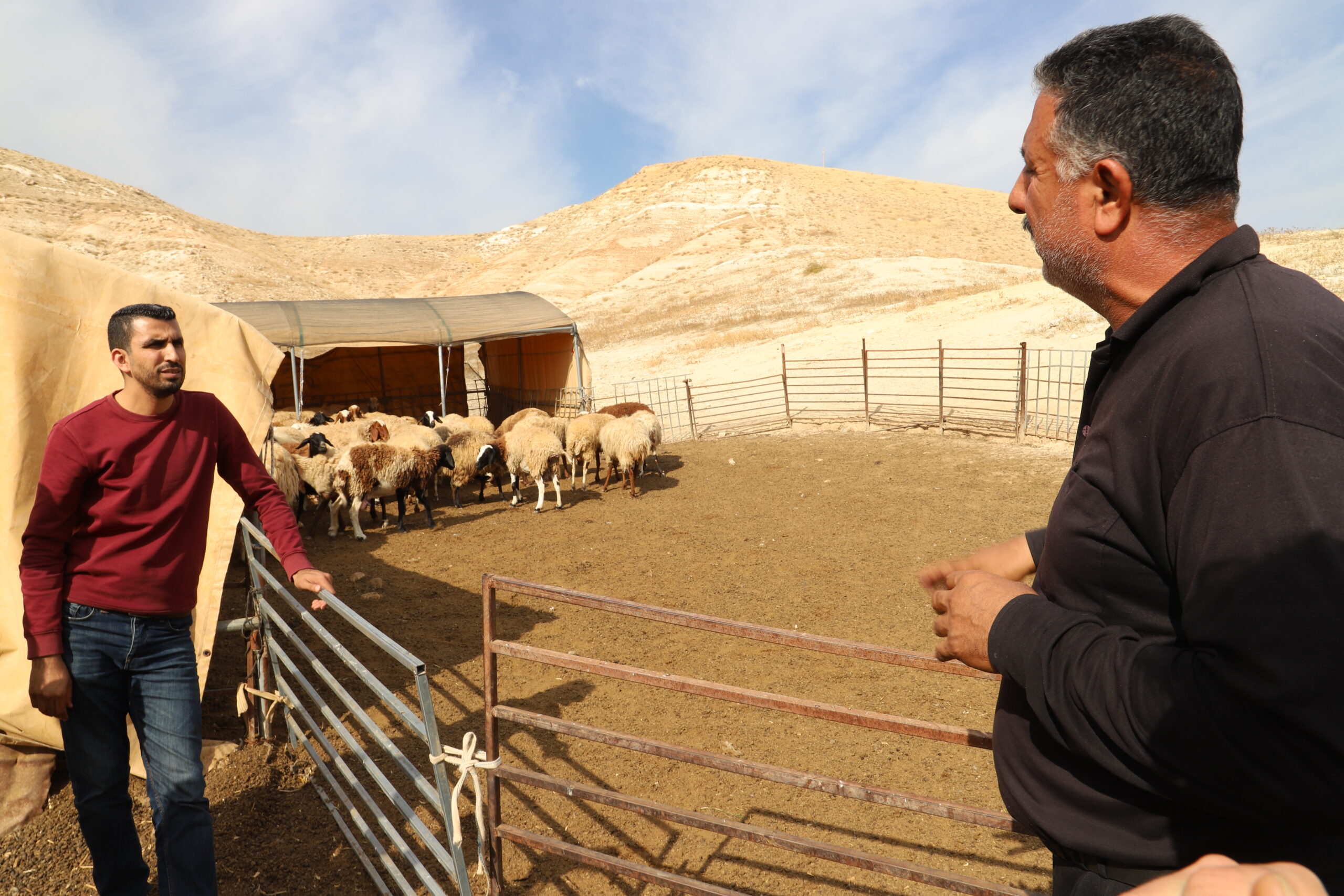
• Moayyad Bsharat of UAWC with Mansour Abu Amer, a bedeoin herder in the Jordan Valley.
We spent much time in area C – rural Palestine, where the Palestinian Authority has no authority (about two-thirds of the West Bank). This means the Palestinian police aren’t allowed in, so people must simply lock their doors and if caught outside, take their beating when settlers attack.
Ostensibly, the Israeli army protects locals from extremist, violent settlers. In practice, the two are largely in cahoots, moreso since thousands of weapons were distributed to settlers by the government.
Community after community was pressurised to abandon their land and homes. People faced constant attacks on themselves, their livestock and property. We saw many demolished houses and more about to be demolished.
CROPS DESTROYED BY MILITARY
Israel grants Palestinians about five permits annually to build homes, while demolishing about 2,000 structures annually.
As we went into the Jordan Valley, we encountered low-flying military planes. 20% of the West Bank is now a ‘firing zone’ – an area closed to Palestinians and kept for military use only. Nearby crops are destroyed by military manoeuvres and the sounds of war echo through the valleys constantly.
Firing zones are getting bigger and bigger. Once this designation happens, farmers face restrictions in accessing roads and their land, forcing them out.
Concurrently they face ever more illegal outposts and settlements also taking more and more land.
RURAL RESILIENCE IN A WARZONE
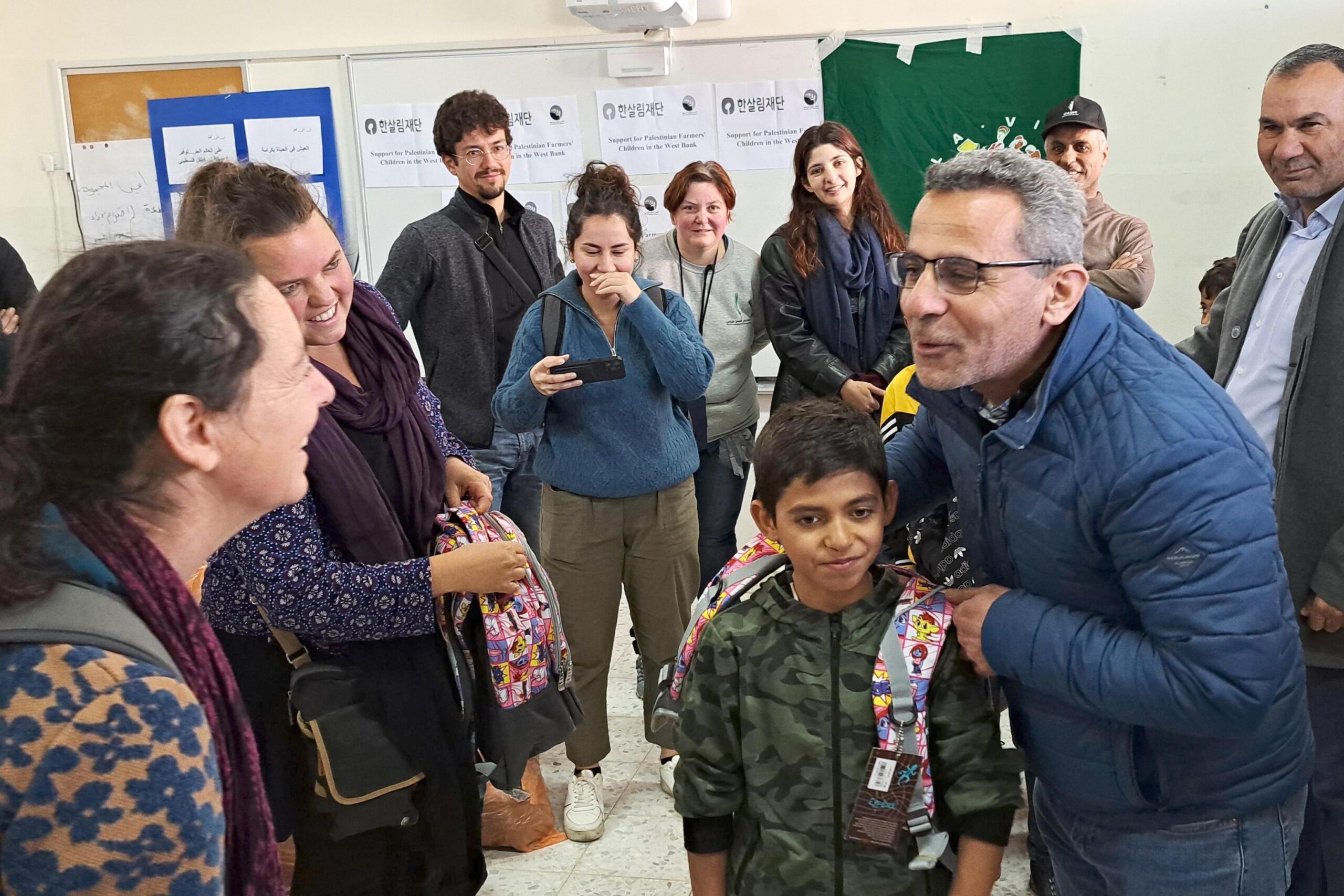
• Morgane Oddy of ECVC chatting with Fuad Abu Saif of UAWC at a school in Masafer Yatta, a municipality in the southern West Bank.
In the face of all this, how do people keep their resilience? People work out ways to keep supporting each other through sumud, a particularly Palestinian iteration of sometimes static, sometimes creative, steadfastness.
Staying on the land is the core of sumud (sometimes passively, sometimes with resistance). For example, UAWC’s seed bank enables sumud – by providing farmers with hardy, free, drought-resistant seeds with a 90% germination rate.
Against huge odds, court cases are won – people have won the right to return at least to the region they were intimidated from (as happened in Khirbet Zanuta near Hebron in early February). In this case, the community demonstrated sumud. All acts of return – including the return to northern Gaza – is sumud.
ROADS, WELLS AND OLIVE TREES HELP COMMUNITIES
UAWC is amazing, acting like a cross between LEADER, the Department of Agriculture and a huge farming organisation with thousands of members. Simply put – UAWC helps farmers stay on the land and helps communities stay together. It has built dozens of roads, drilled wells, planted olive trees, grant-aided machinery, helped establish dozens of coops, runs an incredible seed bank and a rooftop hydroponic garden for refugees, and helps farmers assert their legal rights.
UWAC also brings international volunteers to help protect and monitor the harvest, a proactive action credited with increasing the olive harvest by over 1,000 hectares in 2024, according to the Nablus governor Ghassan Daghlass we met.
There are numerous other human rights-orientated organisations doing similar work.
Occupation and colonisation has a thousand little ways to relentlessly beat people down; resilience and resistance has a million multi-layered manifestations.
Talamh Beo is a small farmer and agro-ecology* organisation established in 2017. It has over 300 members, and is part of a wider European and International movement of farmers called La Via Campesina.
There are 200 million+ farmers in La Via Campesina, fighting to defend peasant farmer rights.
As Talamh Beo describes it: “We believe that farmers and communities should be at the centre of decision-making for food and agriculture systems and developing agricultural policies.
We stand for a system which puts the power back into the hands of farmers, communities and citizens instead of corporate interests and industrial agriculture and food production.”
Currently Talamh Beo is campaigning for support for the many small-scale horticulturalists who lost polytunnels and other core growing infrastructure in the recent storm.
* Agro-ecology is about new farming methods that increase yields while reducing environmental impacts.
Both ask for an initial contact by email, using an email address that does not include your full legal name. For ISM the email is ismtraining@riseup.net. Faz3a has a form here: https://www.defendpalestine.org/en/join.
Two weeks is the minimum stay, with longer preferred. Both provide initial online training. Volunteers usually self-fund the cost of travel (often doing local fundraisers to help).
According to Faz3a intensive on-the-ground training includes “orientation, legal rights and obligations, principles and tactics of non-violent intervention and de-escalation, effective documentation practices, and adherence to Palestinian leadership and local community needs”.
Volunteers are then stationed in threatened communities and they may also be mobilised for emergencies.
The Ecumenical Accompaniment Programme in Palestine and Israel also provides a protective presence. Here, ‘accompaniers’ spend up to 3 months helping through activities like walking children to school. For more see:www.oikoumene.org.
• Welcome to East Jerusalem.
About Oliver Moore
Fairness around food and farming has always been core to me. In the early ‘90s I volunteered to sell what was to become fair trade coffee in the corridors of UCD; now I work in agri-food policy.
Where I live in Cloughjordan, I volunteer with and am a member of a community-owned farm. We use participatory budgeting to work out production costs, to pay our farmers decent wages, and we charge ourselves accordingly. We have a ‘take what you need/should’ policy for distribution.
Talamh Beo was established in 2017 at ‘Feeding Ourselves’ – an event we organise in Cloughjordan every April.
I’ve been a member since then, and Talamh Beo is a member of La Via Campesina. And this membership is how I ended up in Palestine. The purposes of the trip for me and for all the team were solidarity, knowledge building, and advocacy.
(Ed’s note: While he doesn’t say it, Moore also has a PhD in the sociology of farming and food).
You can download our full Spring edition for free to read Oliver’s report along with many other articles on community development.
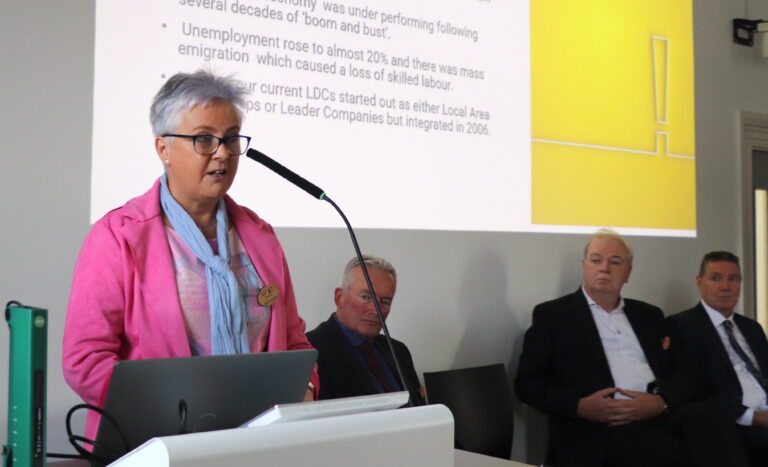
Shauna McClenaghan, joint CEO with Inishowen Development Partnership, urged people to sign up.
“At a time when rural areas face increasing challenges, the EU needs to redouble its efforts to empower rural communities by enabling them to design and implement solutions tailored to local needs, as Local Development Companies like Inishowen Development Partnership have done for the last 30 years,” she wrote in a post on Linkedin.
The petition, which was shared by the European LEADER Association for Rural Development, said that rural areas are facing numerous problems right now:
“Rural areas across the European Union face growing challenges: an ageing population, youth outmigration, economic stagnation, limited access to services, and increasing pressures from geopolitical shifts. These regions are also at the forefront of critical EU priorities, including food security, climate adaptation, and territorial cohesion. For Europe to thrive, its rural areas must remain vibrant, resilient, and well-connected.”
It claimed that LEADER and CLLD have the answers to many of the problems.
“For over 30 years, LEADER and community-led local development (CLLD) have demonstrated that bottom-up, participatory approaches can successfully address rural challenges. Through Local Action Groups (LAGs), these tools mobilise local knowledge, build social capital, and implement innovative solutions tailored to each community’s specific needs,” it said.
The petition makes five demands of the European Commission:
1 Make participatory rural development tools mandatory across all EU member states in the next multiannual financial framework (MFF), ensuring that LEADER/CLLD remains a core pillar of EU territorial policies.
2 Integrate LEADER/CLLD into multiple EU policies and protect its budgetary allocation with earmarking, including the Common Agricultural Policy (CAP) and Cohesion Policy, recognising that rural development extends beyond agriculture.
3 Strengthen and recognise the role of Local Action Groups (LAGs) as key facilitators of EU policies at the local level, and as key stakeholders in preventing and fighting disinformation.
4 Simplify access to funding by reducing administrative burdens and ensuring multi-fund mechanisms support efficient, community-led initiatives
5 Increase funding for LEADER-CLLD, at a level that matches its proven impact and expanded role in tackling rural challenges.
You can read the full petition wording here and as pointed out signing it takes merely a minute.
“CLLD is a tool for involving citizens at local level in developing responses to the social, environmental and economic challenges we face today. CLLD is an approach that requires time and effort, but for relatively small financial investments, it can have a marked impact on people’s lives and generate new ideas and the shared commitment for putting these into practice.”
Social enterprise aims to turn the coffee industry “on its head”
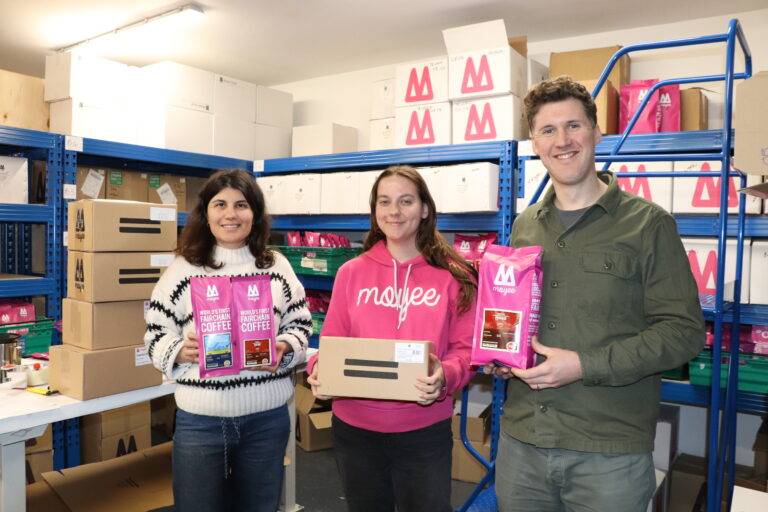
Moyee Coffee (moyeecoffee.ie/) roasts coffee at origin in Africa, ensuring that more jobs and profits remain in the producing countries, then sells it to outlets in Dublin and beyond.
And co-founder Shane Riley could not be more enthusiastic about his business location on Constitution Hill, Dublin 7.
“We roast coffee at origin in Ethiopia and Kenya so more of the jobs and profits stay there. We call our model FairChain. It’s about turning the coffee industry on its head and making sure it’s a 50-50 split between coffee producing countries and consuming countries. We’re a limited company. We kind of see ourselves as a for-profit social enterprise,” he said.
“We fit in completely with the vibe and the atmosphere here in Hub on the Hill,” he added.
Asked about the coffee that Changing Ireland enjoyed upstairs in the common meeting area, he said, “That’s the Kenyan roast! It’s roasted by a partner roastery outside Nairobi where 15 staff are employed.”
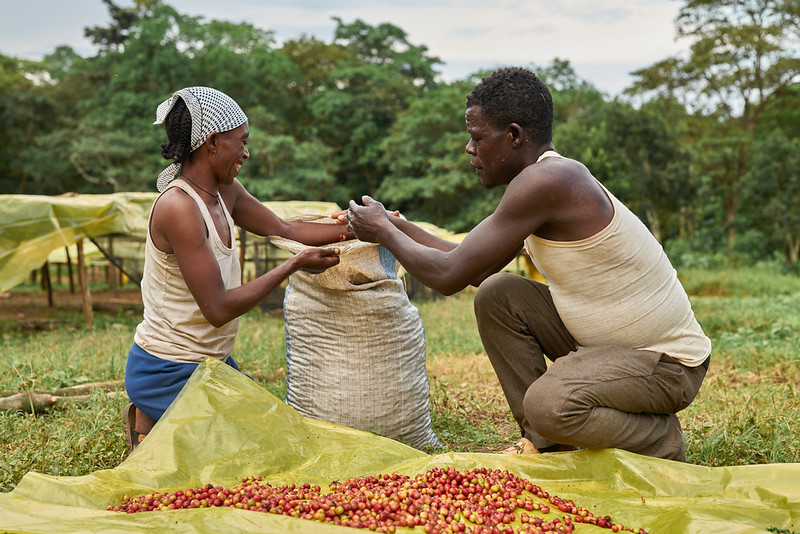
• Coffee beans being dried, roasted and packed for Moyee Coffee at source, boosting local employment.
Shane named three attractions to working in the hub:
“There’s a great atmosphere here. There’s a great link between established for-profit companies and social enterprises. The location is fantastic as well for us, so we supply to a lot of tech companies in the city centre and we can deliver by cargo bike,” he said.
Being in the city centre is also handy for “popping into meetings” and clients are always impressed when they visit the hub for meetings. He gave examples of new customers that came his way thanks to networking at the hub.
He said the hub’s new plans “look fantastic” and will lead to more opportunities for all.
“It will be great to welcome more businesses in. That can only help us collaborate more,” he said.
Solicitor and her clients like “the ethos”
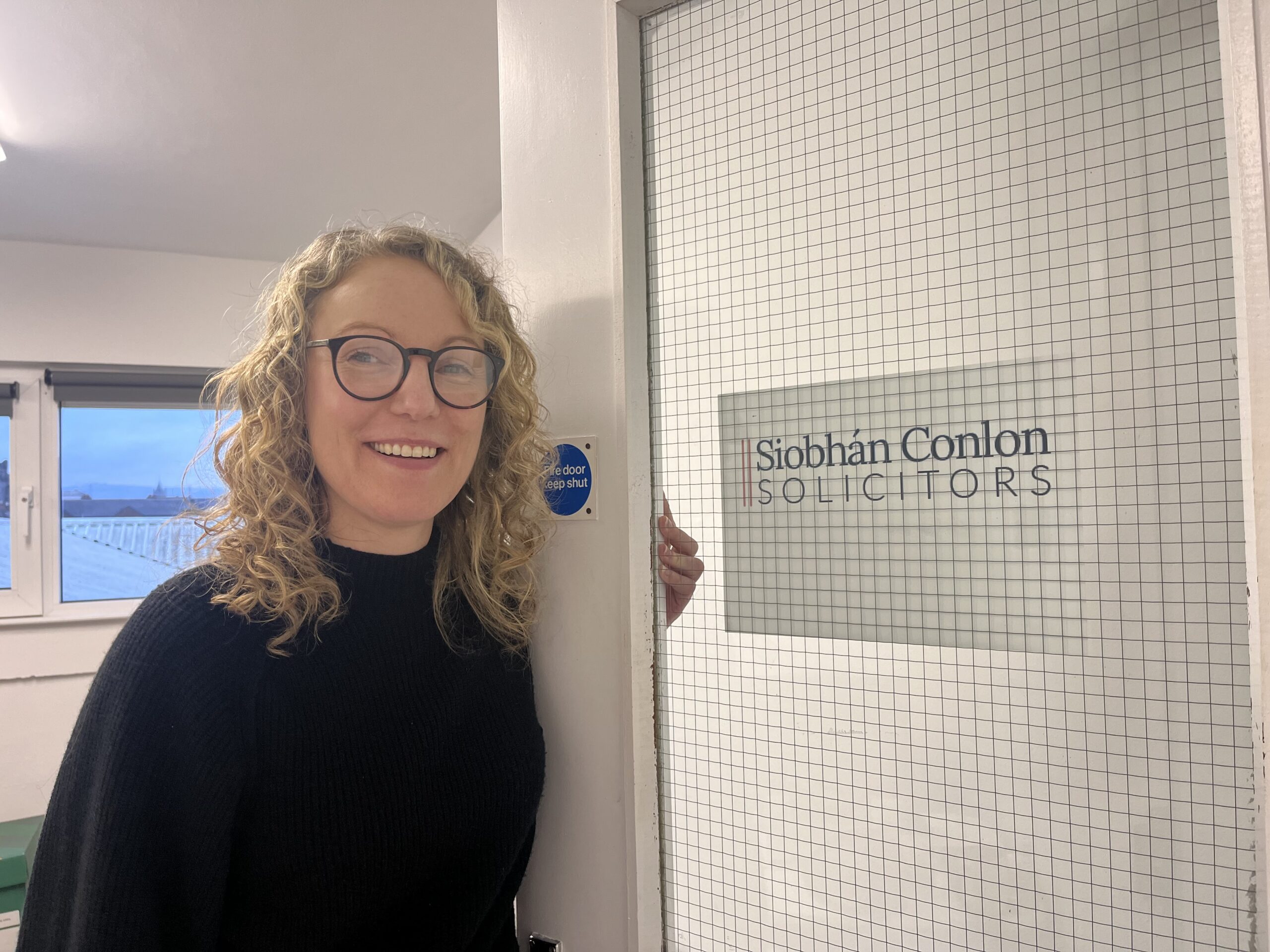
• Solicitor, Siobhan Conlon at work in the Hub on the Hill. Photo by AM.
Siobhan Conlon (pictured) is a solicitor working in human rights, based out of the Hub on the Hill.
“We represent a lot of asylum seekers and immigrants and other vulnerable people,” she said. “For me, this place works really well because diversity and inclusion is a big aspect of the hub. So my clients feel very welcome here. I feel very welcome here and my staff feel welcome.”
She said businesses operating from the hub “all kind of have the same ethos” and she appreciates when collaboration occurs. For example, some of her clients go on to receive support through ICE to set up in business.
“The hub just really works. I think the main reason is the people,” she said.
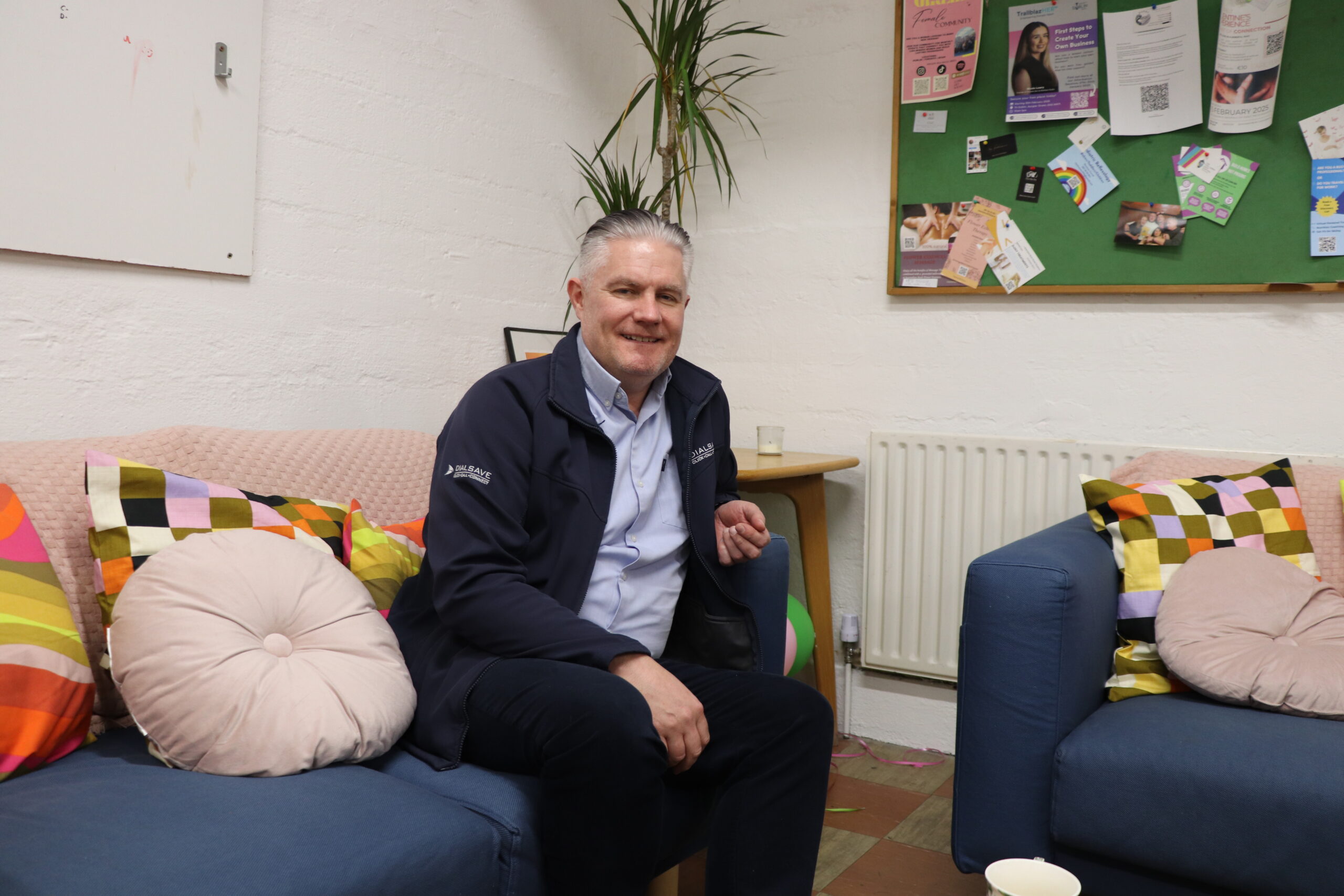
• David McDonald relaxing in the common area in the Hub on the Hill. Photo by AM.
David McDonald (pictured) is the managing director of Dialsave (dialsave.ie) which is based one of seven businesses currently operating from the Hub on the Hill. In an interview with Changing Ireland, he highlighted the benefits of working in a collaborative environment compared to a corporate setting.
His company specialises in internet telephony, but working alone can be hard on self-employed people and he enjoys the good company at the hub. There are plans to provide space for more businesses and social enterprises.
ICE works closely with the Department of Social Protection’s Intreo Officers who refer clients to the organisation wishing to become self-employed and establish their own businesses. [Editor’s note: Evanne is referring here to the Back to Work Enterprise Allowance (BTWEA) scheme which operates nationwide and is administered locally by local development companies].
ICE also runs the Dublin City Social Enterprise Awards on behalf of Dublin City Council (the only such awards event in the country) as well as a range of youth and refugee and asylum-seeker programmes. It also provides a range of pre and post enterprise support services for its extensive client portfolio.
HOW THE HUB BEGAN
Access to affordable workspace has always been a problem for our clients, so in 2018 the ICE board decided to look into the possibility of setting up an ICE social enterprise hub. The idea was to run it as a social enterprise with 40% of ICE’s marginalised tenants paying well below the market rate while the remaining 60% of the tenants paid the current market rate. First off we had to find a suitable building in the middle of the inner city. No pressure!
We finally persuaded Dublin City Council (DCC) into leasing ICE a derelict former Council Housing Depot in Dublin 7. A friendly quantity surveyor inspected the building and estimated the 12,500 sq ft premises would cost around €250,000 to refurbish. (If only he’d been right).
Then Covid struck and the Council needed the building back to house homeless people during those bleak months. Eventually, in November 2022, we signed the lease. The hub was back on track.
The jolly quantity surveyor appeared again only to deliver the gut-wrenching news that the building would now cost around €1.3 million to refurbish. Even my ice cool chair Vincent Crowley reeled ever so slightly as he absorbed this body blow. There was no going back, but the 10 mark question was: Where would we source the funding?
AMBITION FRIGHTENED CELEBRITY
Optimistically, I persuaded a well known celebrity and a wonderful sponsor of ours, who had been exhorting us to establish an enterprise hub, to visit. The visit lasted a mere five minutes and then she ran for the door shrieking for a taxi!
Fortuitously however, some Government funding via the Department of Rural and Community Development came on stream and by year’s end our finance officer Ger Russell and I had amassed a war chest of €167,000. Then, through a friend, architect Peter Kavanagh entered the picture. Himself, myself and Ger sat around a wonky desk downstairs looking at floor plans and discussing some initial thoughts for the new hub. Our plans included hot-desking, co-working spaces, individual offices, a training room and a community space, as well as a craft-makers’ space.
RAY WILSON’S SURPRISE VISIT
In February, 2023, Ray Wilson, ICE’s patron – but better known for owning half of Shamrock Rovers F.C. – surprised us with a flying visit from Sydney. He took one look and suggested an immediate meeting with Liam Kenny, managing director of John Paul Construction (JPC).
Strolling in on Good Friday, Liam assessed the depot with an eagle eye and spoke the magic words – “Yes! John Paul Construction can do something to help. ICE can be our charity of choice for 2023.”
Within a fortnight, Liam had dispatched his crack team of head honcho and a fizzing bundle of energy Gary Howard, bean counters Gary Mitchell and Christian Gibney, and their head of health and safety Norman Keville. Over the following weeks, Ger Russell, the JPC lads and I huddled in the hub’s icy kitchen, discussing possible refurbishment plans and bonding over mugs of tea and jammy dodgers. They were talking in terms of millions. Much laughter was heard, especially when I told them that the budget was €167,000.
WORKING IN PHASES
It was decided that on such a tight budget the best way of aligning ICE’s strategic needs with the refurbishing requirement would be to undertake the work in three phases. Phase A included the top floor of the Depot and the outside Annex; after that we could tackle the ground floor.
Next, laconic site manager Paul Reynolds joined the team. He, like the rest of the JPC lads, took to the project straight away. A best practice mode of delivery was chosen by the lads, inspired by the U.S. model of Integrated Project Delivery. This meant that the ICE and the JPC teams worked as a single non-hierarchical unit with a shared goal, optimising open communication and ensuring timely planning and decision making. Within four and a half months, the designated area was completely gutted and bought ‘up to fit purposes’ standards.
The JPC lads gave so much – a huge amount of pro bono time, enthusiasm and sheer good humour. They also persuaded all of their suppliers to provide either free labour or hugely discounted rates. This generosity was one of the keys to the project’s success. The true cost of the project was €338,008, but pro bono support meant that the final cost was €91,820, a saving overall of 73% for ICE. This allowed ICE and four other anchor tenants to move into the hub in mid-September last.
PUBLIC-PRIVATE PARTNERSHIP
The way in which this collaboration was undertaken was truly innovative. John Paul Construction, Dublin City Council and ICE created a Private-Public Partnership which delivered a very successful project for the greater social good. The phased nature of the project was unusual but necessary. The decision to focus the budget on key areas aligned with ICE’s strategic goal of getting into the building as soon as possible so as to provide accessible workspace for their clients.
From the socially innovative perspective, JPC created a sustainable supply chain partnership that would work for other projects; it is replicable. Our original once-off project has become a long-term partnership with Liam Kenny who is now an ICE board director. The ICE project gave the lads and their suppliers a huge ‘feel good factor’ and showed them the tremendous value of a partnership united towards a common goal.
GAINING A REPUTATION
The hub now houses ICE and six other anchor tenants, so there are now 24 or 25 entrepreneurs all working out of the hub. When fully refurbished ICE’s hub will house between 60-70 tenants, all working in a supportive, nurturing environment. The hub will provide a ‘safe space’ for clients of all nationalities to develop businesses with a wide range of in-house supports and services to help them grow in a sustainable fashion.
Even though only partially refurbished, the now christened ‘Hub on the Hill’ is quickly gaining a reputation throughout the community and voluntary sector as a warm welcoming space – many community groups are now utilising its training rooms, and lots of sole traders and social enterprises are availing of the hot desking facilities.
STILL NEED HALF A MILLION
At the time of writing this article, ICE had required €900,000 to finish off the large ground floor space. However, on February 24th, we received a most welcome grant of €400,000 under the Department of Rural and Community Development’s Community Recognition Fund for Phase 2 of the refurbishment. Huge thanks to my favourite department!
ICE and John Paul Construction are picking up their tools again and then it’s onto sourcing a further half a million for the final phase of the ‘Hub on the Hill’!
Visitors are welcome to call into the Hub on the Hill – at 49/50 Coleraine Street, Smithfield, Dublin 7 (D07 XW62). T: 01 6174852. More info: innercityenterprise.com
More info on the Community Recognition Fund at: gov.ie/en
She said her father was alcoholic and he stopped drinking when she was aged 4.
“But I had his traits, because when I was 11, I picked up my first drink. Everyone used to say I was wild. I’d be drinking all the time, and when I got a bit older, I’d be partying and it spiralled out of control, to the point where I lost everything. I lost my house, I lost my job, I lost everything.
“It was through my sister’s persistence that she got me to the door of Tiglin. I went in there straight off the streets and I was very traumatized when I arrived.
She said that as well as drinking and taking street drugs she was also on psychotic medication.
“So you’re detoxing on that as well. For the first two to three months, I was shell-shocked. I didn’t know where I was. I wasn’t even broken, I was shattered, and they put me back together again.
“It’s a really tough programme, but one of the highlights was that we do therapeutic programmes, and we do rehabilitation classes and stuff like that.
“I did a foundation in adult learning, which was great, because I hadn’t any other qualification bar the Leaving Cert. To actually learn how to learn again was really good.
“I did communications, and enabling health and wellbeing, and critical thinking, and then community development. It took the focus away from the therapeutic stuff. It was good to focus on something else, and you come out with a certificate at the end of it. It doesn’t look bad on your CV.
“The community development one spoke to me more than any of them. The tutor John Balfe was different from any other tutor that we’ve had. He was different in the approach to took.
“He basically sat us down on our first lecture and said, ‘Right I’m gonna meet you where you’re at.’ He said, ‘We’re going to teach this to you however we can get it to you’.
“We’re all coming from different backgrounds – some people are coming from prison, some people are coming from the streets. We have different addictions. And we’re all coming from very different upbringings as well.
“There were some people on the first day saying, ‘I’ve no interest’, ‘Not interested’, and ‘Not gonna really put anything into this’ – and by the end of it they were all loving it. We all passed it and we all got our certificates.
“Instead of death by PowerPoint, it was interactive learning. We were brought out on the streets – John had us walking around Greystones taking photographs on ‘poverty walks’ and on ‘wealth walks’,” she said.
During these walks, the group took photos that to them represented poverty, or wealth, and later discussed what they saw as a group, with the aim of identifying ways they could help the community.
“We did everything as a group,” she added.
She made friends for life: “I trust them 100 per cent. They know me inside out. They’ve supported me through difficult times and they’re very special people,” said Eimear.
Tiglin has a Christian ethos and attendees must take part in religious services. Nonetheless, it has a good reputation, according to people we spoke to, including an independent HSE addiction support worker. The residential courses it runs are for a longer duration than most treatment centres.
It didn’t take long to understand why. Many in the room had lived through an Irish education system that shamed them, told them they would amount to nothing, and in some cases, subjected them to physical and emotional violence. The Christian Brothers era loomed heavily in their pasts, and with it, the trauma of being made to feel small, unheard, and powerless. Here they were, decades later, in recovery from addiction, and being asked to engage in a system that had already failed them.
But this time, education looked different. This time, it was built on principles of empowerment, participation, and social justice—the very foundation of community development. The first step was unlearning the past: moving away from a top-down approach where knowledge is deposited into passive learners, and instead fostering a space where lived experience held value.
I structured the classes around open dialogue, collective problem-solving, and experiential learning. Instead of lecturing, we engaged in discussions that linked learning to emotions, feelings, and real-world issues. We debated topics like democracy, climate change, immigration, and corruption—not as abstract concepts, but as forces shaping their lives.
One moment stands out. I had introduced a case study on how communities in Sub-Saharan Africa use community development approaches to challenge inequality. What started as a lesson on grassroots activism soon spiralled into a passionate discussion about race, immigration, and Ireland’s own treatment of migrants. Initially, extreme views were voiced – unfiltered, direct, and in some cases, problematic. But rather than shutting down debate, we leaned into it. Through guided discussion and respectful challenge, participants began to reconsider their positions. They listened to each other. They saw the perspectives of others, sometimes for the first time.
That was the shift.
By the end of the module, conversations had evolved from reluctant engagement to deep, respectful debate. “I actually enjoy this,” Peter admitted, surprising himself. Another, who had started the course with visible reluctance, later reflected: “I never thought I’d be talking about politics and power, but now I see how it all connects to my own life.”
The change was tangible – not just in their understanding of community development, but in how they saw themselves within it. They began to see how they, too, could take back control, become active citizens, and shape their own futures.
What made this work? It wasn’t just the content – it was the approach. Learning was rooted in real-world experiences. We simulated social issues, engaged in role-play exercises where participants had to argue perspectives they disagreed with, and facilitated a deep sense of connection between peers. The key was shared power: recognizing that knowledge isn’t just held by the lecturer but is built collectively in the room.
This wasn’t the first time I had seen education transform people who had been excluded from traditional learning spaces. Previously, I had delivered in-reach education in Portlaoise Prison, the first of its kind in Ireland where university lecturers taught undergraduate modules behind bars. I saw the same shift there – initial scepticism giving way to engagement, empowerment, and a reclaiming of identity through education.
At the South East Technological University, we are now proposing to work with Common Knowledge, a build school where University of Sanctuary scholars – migrants and refugees – learn not just construction skills, but a philosophy of rebuilding: physically, psychologically, and socially. Community development, at its core, is about giving people a voice and making them feel heard.
The experience at Tiglin was not just transformative for the students – it changed me as an educator. It forced me to confront my own assumptions, to listen deeply, and to let go of power in order to empower others. In university settings, knowledge often flows in one direction. But in community education, learning is reciprocal.
Higher education institutions need to do more of this. Not just in name, but in real, community-rooted collaboration. Too often, education remains the privilege of the elite, while those who need it most are structurally excluded. But this model – one based on relationship-building, active participation, and respect for lived experience—shows what’s possible when we break down those barriers.
It’s time for universities to stop seeing outreach as an add-on and start seeing it as essential. More of this is needed. And the transformation isn’t just for the students – it’s for all of us.
* John Balfe is a lecturer with the Department of Humanities in the South East Technological University (SETU). E:john.balfe@setu.ie
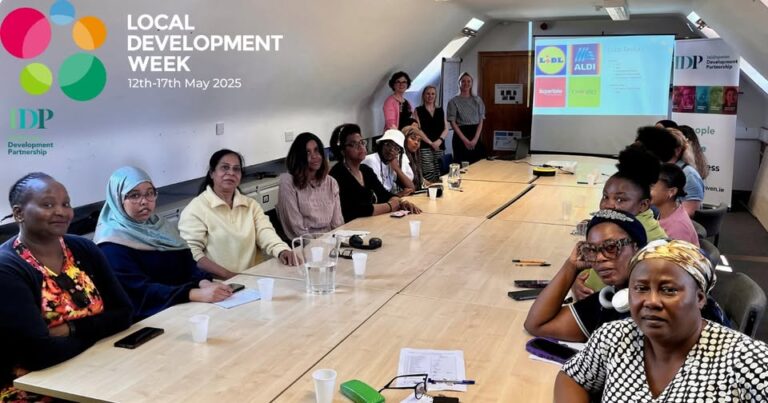
Galway City Partnership held an event to shine a light on the work being done under the Social Inclusion and Community Activation Programme (SICAP) to address climate change at a local level. The keynote speaker was environmental activist and broadcaster Duncan Stewart. The day also saw the Partnership launch its new video ‘Our Community, Our Climate’.
In Drumshambo, Co. Leitrim, a fantastic morning was spent celebrating the graduates of a number of programmes developed through a partnership between the Mayo, Sligo and Leitrim Education and Training Board and Leitrim Development Company. Minister of State for Further and Higher Education, Research, Innovation and Science Marian Harking presented certificates to learners who completed Culinary Skills (Level 5) and Horticulture (QQI Level 4).
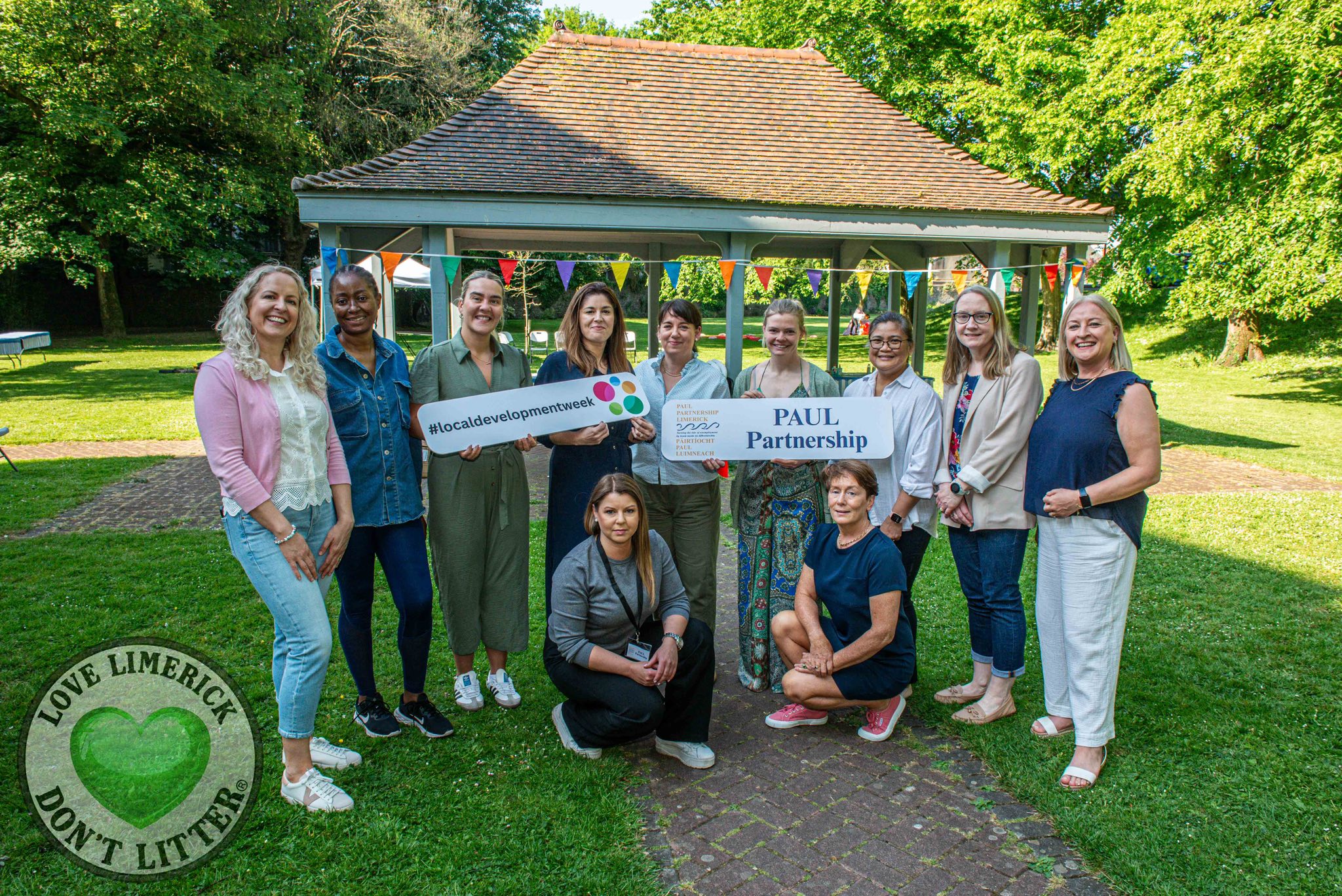
In Limerick, the PAUL Partnership hosted A flagship event in the People’s Park, on a sundrenched Thursday, May 15. It showcased community-based services and programmes available in Limerick city and celebrated social inclusion, health, wellbeing, and making connections.
“Summer in the City” in Limerick’s People’s Park this Thursday, 2025. Picture: Olena Oleksienko/ilovelimerick, May 15, Paul Partnership celebrated Local Development Week 2025 by hosting their flagship event
Also in the west, Sligo LEADER Partnership supported the official opening of the Hello Goodlife Health and Wellbeing Hub in Ballinalack Community Park which it describes as an example of “a strong, proactive community making the most of LEADER funding”. The park has community gym tailored to the needs of the over-50s population.
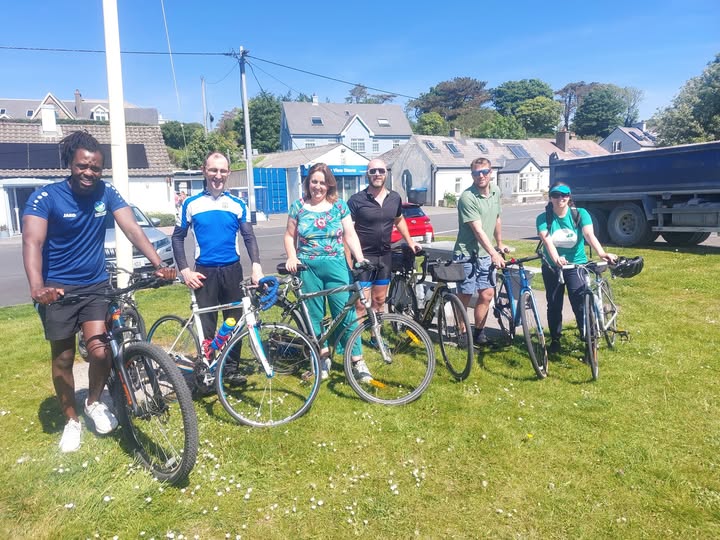
Also as part of Local Development Week, Sligo LEADER Partnership hosted a networking cycling event to Rosses Point entitled ‘Hello, How Are You?’. Staff from the HSE and the Atlantic Technological University took part in the cycle.
• Also as part of Local Development Week, Sligo LEADER Partnership hosted a networking cycling event to Rosses Point.
Midleton based SECAD Partnership paid a visit to Fota Wildlife Park — one of the region’s key tourist attractions and a long-standing local non-profit organisation dedicated to conservation, education, and public engagement with wildlife. Over the years, SECAD has supported Fota’s development, including helping the venue earn grant funding. Its ongoing support also includes work placements through the Tús programme, and opportunities for training, marketing, and networking through the Ring of Cork initiative. During the visit, the SECAD team heard Fota’s assistant CEO Suzanne Kearney tell about Fota’s evolution.
Cathy had 450 wins in a remarkable career spanning 4,500 races.
“That’s ten percent,” she said proudly as youngsters looked at her agog. “I had a good time of it. I worked hard, it needs a good work ethic,” she said.
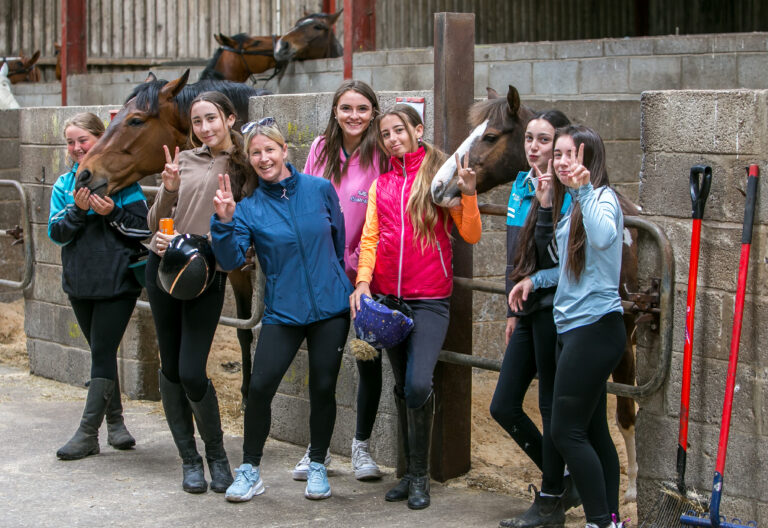
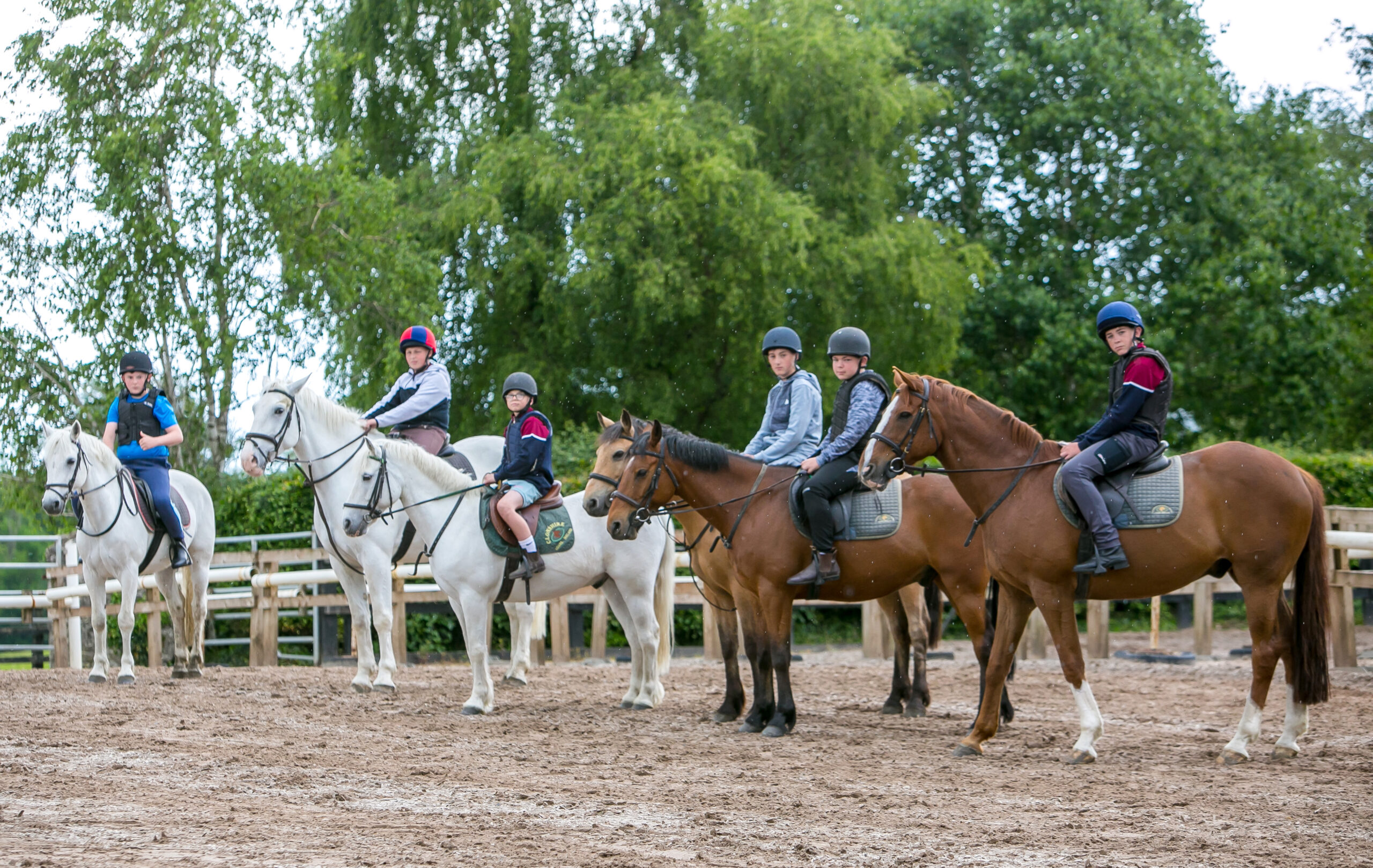
She was well placed to empathise with the teenagers who gathered in Clonshire Equestrian Centre outside Adare, Co. Limerick.
“I used to love horses and wasn’t very good at school. I used to ride the pony down to school and tie it up outside,” she recalled.
“We just wish we had a place somewhere like this in Dublin when we were starting, you know. This is great, great facilities, great for the kids,” she said.
“It’s not all about being a jockey, you could be a stable hand, or a rider, a farrier, a vet, a physio, or a dentist – there’s lots of work in horses,” added Cathy.
Of course, the youngsters almost all want to be jockeys. One of MYA’s graduates Terry Casey recorded his first win as a jockey at Roscommon on May 12 and, among others, he made sure to thank Moyross jockey Wesley Joyce, also a graduate of MYA, for his support as his career takes off.
In Clonshire, the aspiring youngsters – male and female – got a real feel for what it’s like to be a thoroughbred racehorse jockey because Niall Byrnes from the Racing Academy and Centre of Education (RACE) brought a simulator to Limerick for the occasion.
Tommy O’Donnell from Ballinacurra Weston and Crescent College Comprehensive was reluctant to mount the machine: “It’s a horse with no legs,” he said. Afterwards, he said he would like to go again and he hopes to follow others on training visits to Kildare.
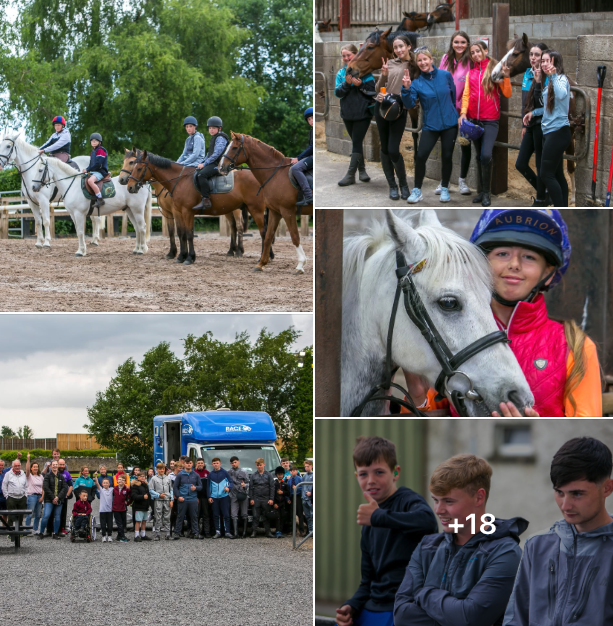
• Participants in the Limerick Equine Education and Therapeutic Programme pictured on horseback at Clonshire Equestrian Centre, on May 20, 2025. Photo by Tony Grehan.
Nathan Devereux, who joined Moyross Youth Academy’s programme when he was in fourth class in Corpus Christi Primary School, and is now a student in Thomond Community College, has been up to Kildare where RACE is based.
“You experience the speed on a racetrack and what it’s like to be around thoroughbreds and how to tack them up and what to do with thoroughbreds. It’s a good experience up there,” he said.
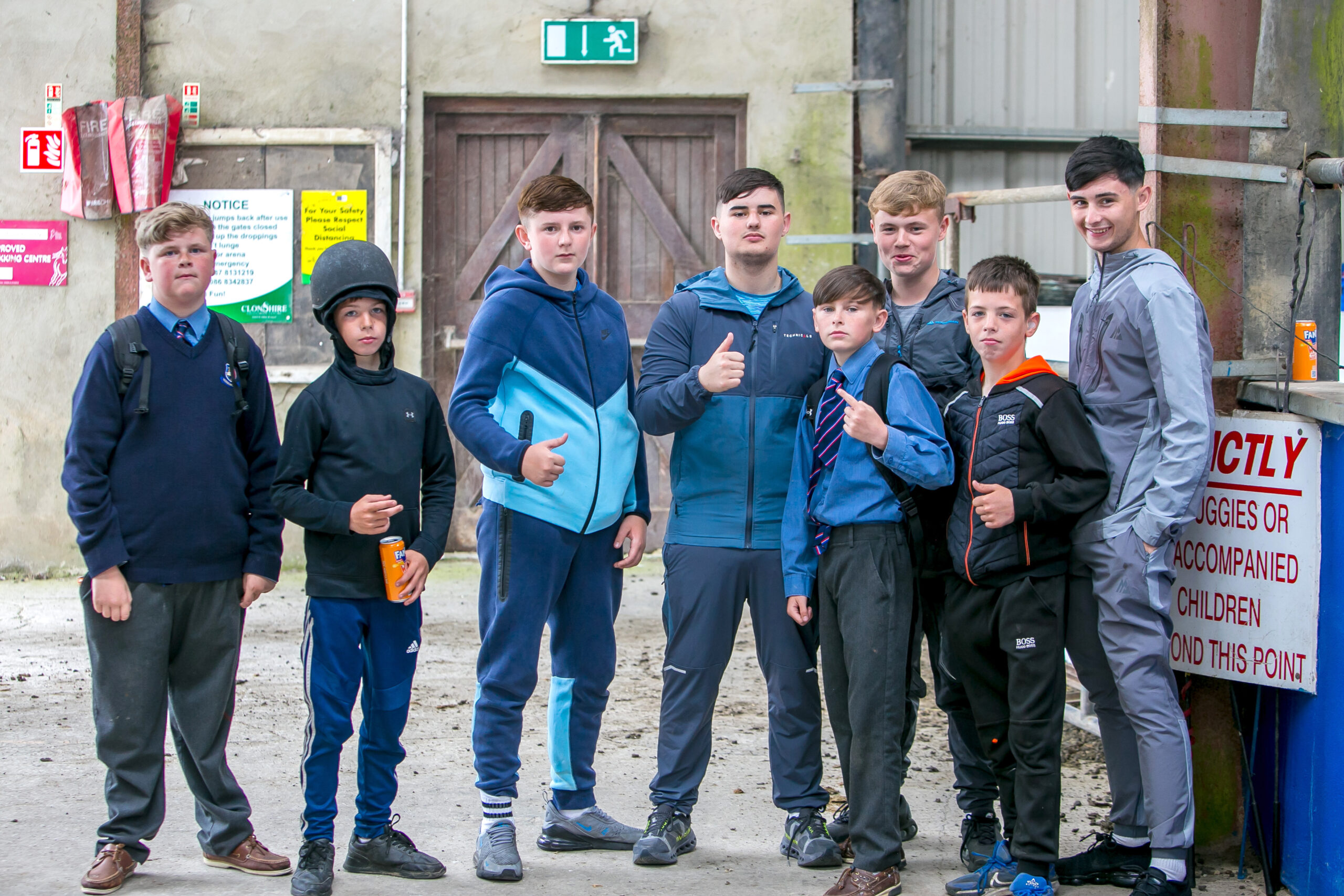
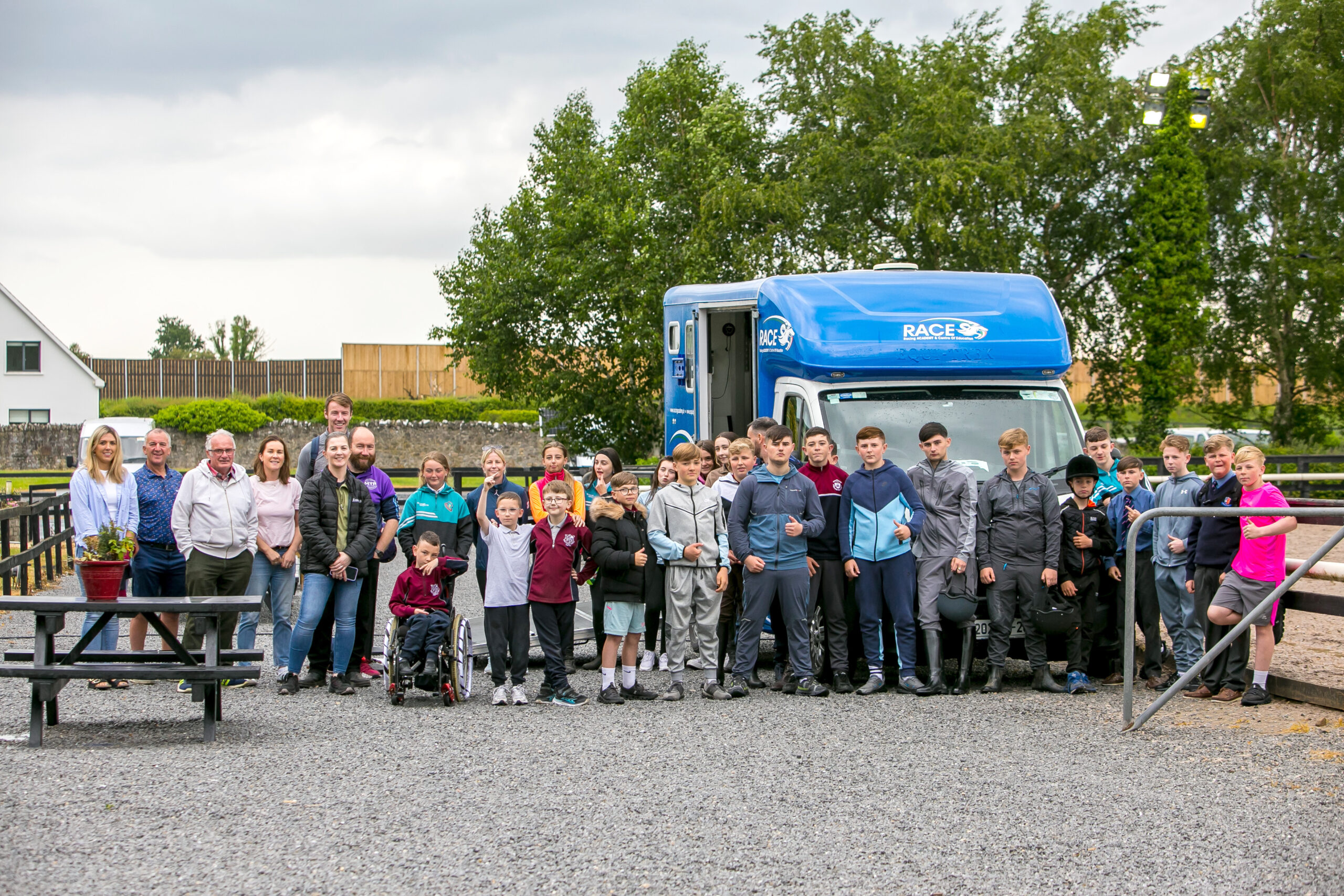
• Participants in the Limerick Equine Education and Therapeutic Programme pictured in Clonshire Equestrian Centre, on May 20, 2025. Photo by Tony Grehan. See all Tony’s photos from the day at this link. Moyross Youth Academy (MYA) oversees a project it calls the Limerick Equine, Education and Therapeutic Programme (LEETP) which connects with and educates children from five secondary and seven primary schools in Limerick city. The plan is to bring the youngsters together again over the summer.
Andrew O’Byrne, MYA’s development manager, said, “We’re grateful to Cathy Gannon and all volunteers and staff and to Clonshire Equestrian Centre for their support on the day.”
MYA staff present in Clonshire included Damien Gavin, Tony Carey, John Quinlivan, Catherine Normoyle, and chef Eoin Ruane who works in MYA as a tutor and who provided a barbeque.
The horse industry and local government were represented by Stephanie Scully, education officer with Horseracing Ireland, and Tommy Barrett from the regeneration office of Limerick City and County Council.
Also present were teaching staff from the five secondary schools involved, namely Crescent College Comprehensive, St. Clement’s College, St. Munchin’s College, Thomond Community College, and CBS Sexton Street.
• Participants in the Limerick Equine Education and Therapeutic Programme pictured in Clonshire Equestrian Centre, on May 20, 2025. Photo by Tony Grehan. See all Tony’s photos from the day at this link. Moyross Youth Academy is funded by the Department of Justice and the LEETP project is funded through the Department of Agriculture, Food and the Marine, in conjunction with Limerick City and County Council’s Economic and Social Intervention Fund (ESIF), with support from Limerick and Clare Education and Training Board (LCETB).
MYA also delivers a programme at primary school level and one of the schools was represented by Liam Kelly from Corpus Christi Primary School as part of the therapeutic element of the programme. As part of the primary schools element, MYA has five ponies based with John and Marie Burke of Clare Equestrian Centre in Doora, Barefield, Co. Clare. They have been a strong supporter of the project and its development since 2007.
Long-terms plans include setting up an employment programme for young people from Limerick interested in finding work in the horse industry – which is why Horse Racing Ireland and the LCETB are involved.
“Rural areas have a higher rate of consistent poverty which leads to social exclusion as people struggle to participate in community life due to financial constraints and limited access to services,” he says.
“It’s also less visible than urban poverty, making it harder to address. In addition, as we have seen recently with Storm Eowyn, government policies seem to favour semi-state bodies such as the ESB focusing on the bottom line rather than the power line, leading to the most vulnerable being completely isolated. Poor infrastructure such as lack of broadband and public transport hinder overall economic development in rural areas.”
Fund communities more, increase Garda visibility and address anti-social behaviour
Rather than just criticise prevailing policies, Pat has his own ideas about tackling the challenges of rural living and lists them confidently as someone who understands the situation well.
“Fund community centres, social clubs and other initiatives that promote social inclusion and reduce isolation in rural areas,” he says.
“Provide home care services, social activities and transportation assistance for older people to combat loneliness and isolation. Increase Garda visibility and support community safety programs to address concerns about crime and anti-social behaviour,” he says.
“And encourage more collaboration between government agencies, local communities and other stakeholders to develop and implement effective solutions,” he adds
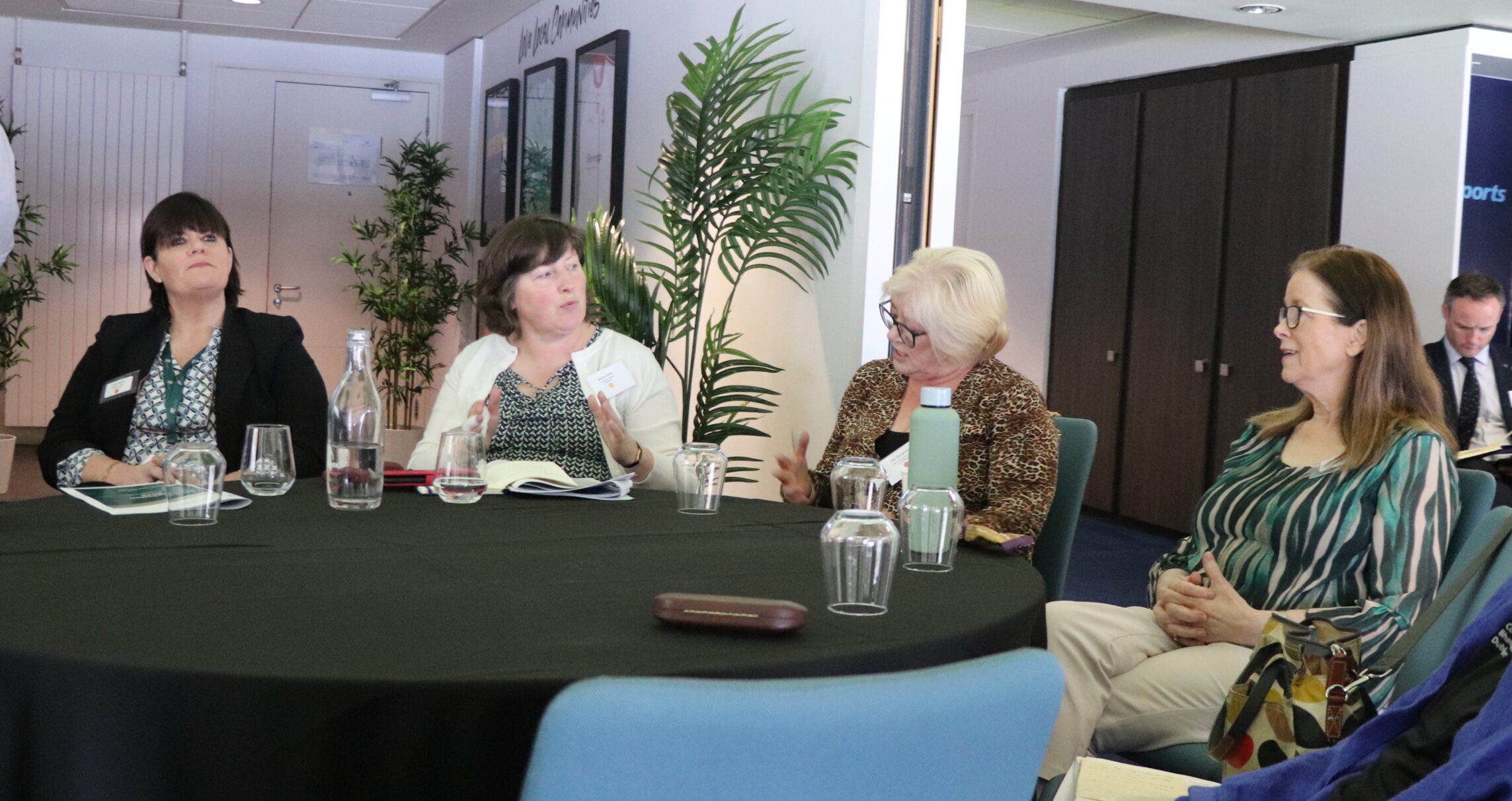
• Sharon Casey, was appointed the Irish Senior Citizens Parliament’s membership officer in February of this year. She is pictured here (2nd from left) engaged in conversation last week at the Social Inclusion Forum, held in Croke Park, with (l-to-r) Linda Walsh, County Kildare LEADER Partnership, Rita Shaughnessy, Galway City Partnership and Liz Dunne, Bray Family Resource Centre.
ISCP works at local, national and EU levels
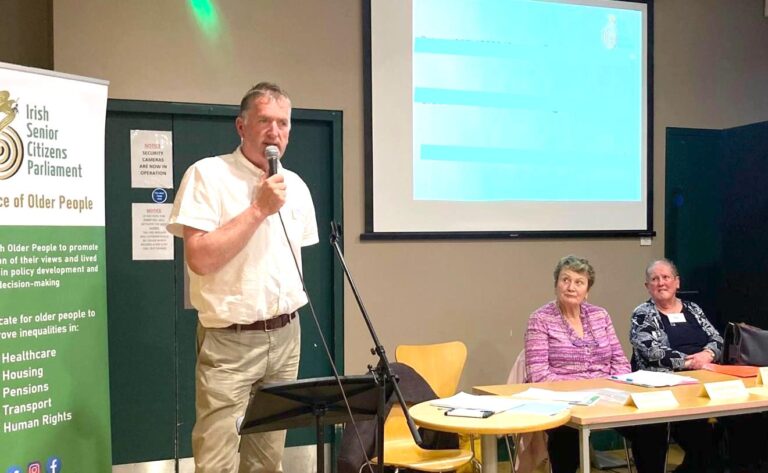
For Pat, the quality of rural life is but one aspect of his work at the ISCP, which he proudly points out is a “non-profit, non-political, non-sectarian, member-focused and member-driven organisation.”
“Our work is to ensure that the voices of older people are heard at local, national and European levels. As we age, we become more aware of the issues that surround us and the inequalities that affect the aged sector,” he says.
“The ISCP is one of the few organisations that actually puts the needs of its members front and centre,” he claims.
He points specifically to the group’s continuing work on issues such as lobbying for an Independent Commissioner for Older People, pension equality, homecare initiatives, pension entitlements of retired workers, retraining opportunities for older people and means-tested social welfare, as well as home care.
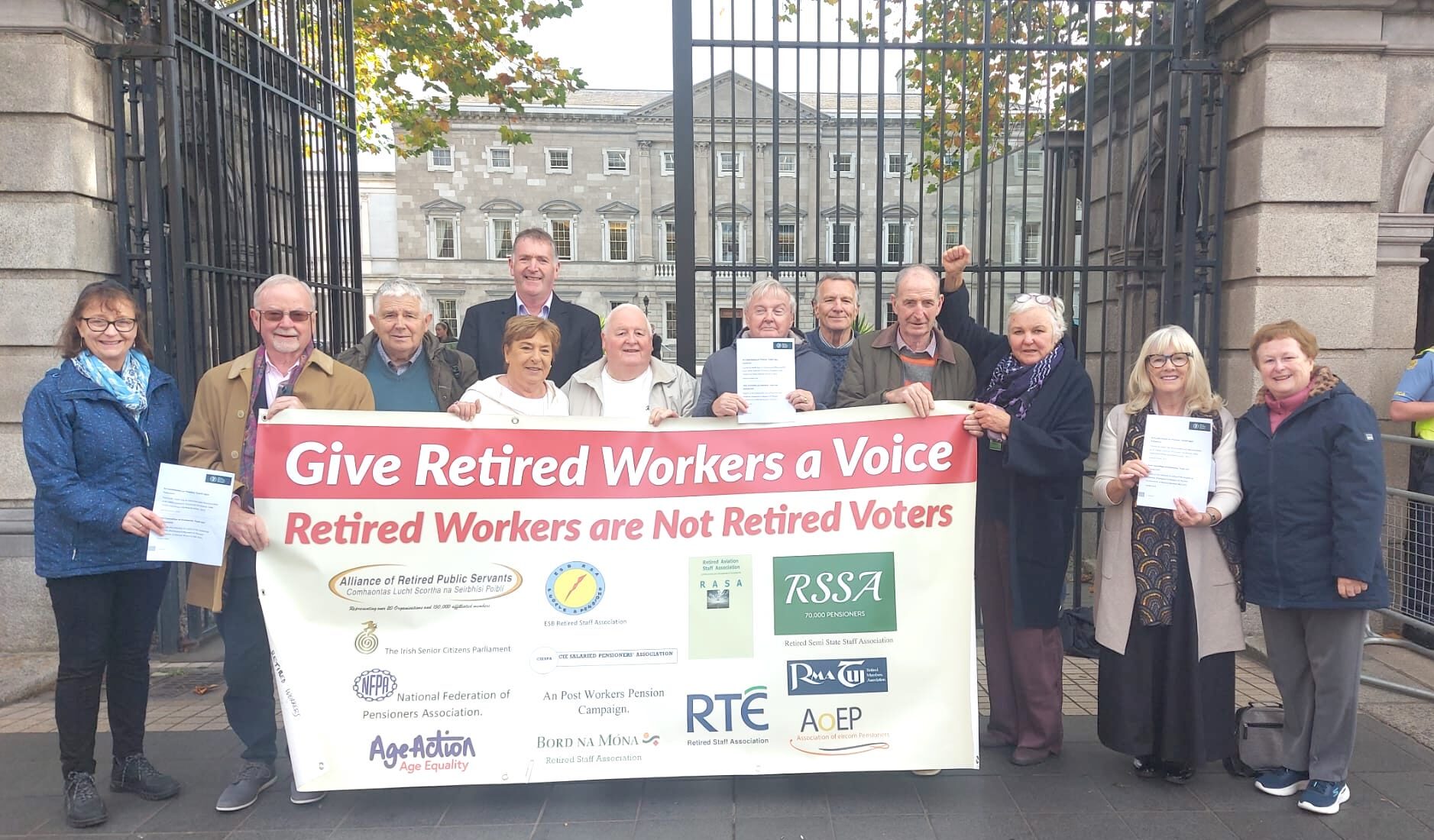
• After 15 years of campaigning to see that retired workers have a voice when their pension income is being impacted, a bill to ensure this was moved in the Dail in October, led by then TD Brid Smith. Pat Mellon (at back, tallest) represented the Irish Senior Citizens’ Parliament as it campaigned with affiliated groups outside Leinster House in November.
Community development
Appointed to his position at the ISCP just over a year ago, Pat has been married to Ann for 33 years and is father to two daughters. He is a man of seemingly limitless energy and enthusiasm and has been involved in community activities prior to this.
His experience includes being project managerfor a Community Services Project (funded by the Department of Rural and Community Development) overseeing sixteen staff members on three different projects, as well as a resource centre manager, his duties including presenting financial reports to the Board of the Glendalough and District Development Association and supporting business development, as well as employee training. He was also a rural recreation officer in county Wicklow and a social inclusion manager, where he helped clients access community medical, housing and transportation resources.
His previous positions also included being boardchairperson of Wicklow County Tourism and board member of Wicklow Uplands Council. He helped develop south Wicklow as a walking tourist destination and the Blessington Greenway and also represented Failte Ireland at International Trade Shows and Ireland at the international Adventure Travel Trade Association Conference.
Boards chairs should not overstay
Having seen what he terms “too many publicly-funded bodies exhibiting extreme governance issues where chairs and boards exist for their own egos,” he’s keen on greater oversight. “Any public funded bodies where chairs last more than five years or where unhealthy relationships exist between boards and auditors need much more public scrutiny,” he said.
The ISCP is currently seeking views from people for its pre-budget submission. You can make submissions up to May 31 by downloading this form, filling it out (5 minutes) and returning by post or email.
Producer Peter Kelly feels the show touches on an important new social reality:
“The series is celebrating multicultural couples getting married, which is a feature of modern Irish society, we all know that. We’re used to people from different communities and ethnic groups in our workplaces and in our neighbourhoods, but when they get married, they are coming into our families. That’s the new phenomenon. Going by the CSO statistics, nearly one in four marriages has at least one nationality other than Irish.”
• Greg and Vaidehi from Series 1-Episode 2.
He feels the series has a positive message about integration.
“There’s a lesson for the whole of society in this. Two people falling in love from very different backgrounds, that’s a living, breathing symbol of people overcoming any sense of prejudice. With our series we’re trying to make sure that people are talking about ‘us’ rather than ‘them’ all the time. This is us, this is Irish society, this is the way we are now and let’s try and make it normal.
“The second thing to say about it is in the name, it’s about a ring and a prayer. We’re looking at people getting married, but it’s also an opportunity to learn about their religious heritage, their faith background and cultural traditions. We’re trying to prioritise examples of weddings where people bring their religious heritage, their faith background or cultural practices into the ceremony itself.”
The six part TV series will broadcast on RTÉ One in early 2026.
Esra Films researcher Ingrid urged people to spread the word:
“If you or someone you know is getting married soon, and you’d like to be considered for participation in this heartwarming documentary series, we would love to hear from you,” she said.
You can in the meantime watch the previous series which is available to view here on the RTE Player.
Let’s imagine it’s 2027 and that instead of hosting refuges Ireland is invaded by Great Britain and we are the ones seeking refuge:
How did this happen, we keep asking ourselves. Perhaps the English never forgave us for getting independence in 1922, and of course many were not happy when Tony Blair apologised in 1997 on behalf of the British Government for An Gorta Mór.
However, ostensibly it was the election in Britain of a right-wing fascist politician called Nigella which was the catalyst for the invasion. Nigella wanted to be at the table with Trump and Putin as an imperial fascist leader and took electoral advantage of the worldwide rise in neo-fascism.
The new British government moved at lightning speed to re-establish Britain as an imperial power, starting with bringing semi-autonomous domains such as Bermuda and Montserrat under direct control, and establishing the Commonwealth as an economic and political power in opposition to the EU. The devolved governments in Scotland and Wales were disbanded, and the Northern Ireland Assembly were next to go.
The malfunctioning assembly was overshadowed by the British Government’s desire to follow Trump and a number of other right-wing regimes in rolling back years of progress on equality and human rights. The equality legislation which attempted to redress inequalities suffered by Catholics in Northern Ireland was criticised as being “woke”,” divisive “anti-Protestant and anti-union”, and the British government and loyalists in the assembly wanted to have it revoked.
The excuse for the invasion however was trade. The UK backtracked on the post-Brexit deal with Ireland and the EU and tore up the Windsor Framework. Protests and chaos at various ports, followed by loyalist violence in the North, led to with Irish nationalists rioting. The UK sent thousands of troops to the North and declared martial law. On February 20, we woke to news reports that thousands of British troops and tanks were now massed just north of the border.
Protection from Irish nazis
On February 24, 2027, British tanks and troops in armoured vehicles rolled across the border into Monaghan, Cavan and Meath meeting only ineffective resistance and they were soon camped outside Dublin. Resistance increased but ultimately lasted only weeks as Irish troops had to withdraw to hold the Midlands and Munster. Surely the world will come to our aid, we thought, as towns and villages were being taken over, men arrested and tortured and women raped.
Various countries pointed however to the fact that we are not in NATO or the new EU defence pact, so while we can purchase EU arms we have only our own troops on the ground. In fact, right-wing governments in the EU are calling for all military aid to Ireland to cease and are describing the invasion as “just another historical domestic squabble within Britain which has been going on for centuries”.
The majority of the world condemns this imperial thuggery, but the British prime minister insists the invasion was to protect British citizens from Irish nationalist nazis.
The British Prime Minister justifies this description by saying that Ireland didn’t support the allies during WW2 and that our president sent condolences on the death of Hitler.
The Taoiseach met Trump to ask for American aid and was humiliated with Trump directly backing Britain and saying:
“You know I have heard those mother and baby homes were like concentration camps, so maybe we need a fresh start there.”
Rewriting history and spreading lies until truth becomes a meaningless concept is part of the fascist playbook, and the best lies contain a kernel of truth.
Life as a refugee
Life in Germany: As a refugee I experience gratitude, incredible generosity, despair, uncertainly, prejudice, and lack of empathy and understanding. As a community worker I am a good communicator; it is one of my key weapons. However, I no longer have this as I am still learning German and feel that I come across as uneducated.
A lovely German family took in me and my wife and kids to stay in their large apartment for free which showed kindness beyond measure. The picture is complex however – the other day my wife was shopping and a local on hearing her speak said to her, “The UK are a great nation, they’re just trying to look after their own people and I don’t know why you are at war with them.”
I drive a BMW, I drove it here as the best means of escape and I need to it to drive to work, to the construction site outside Munich. On seeing it in the car park I was asked why I have an expensive car if I am a refugee? People don’t realise that what is a conceptual debate for some is very real for us and all these interactions are traumatic. There are stories in the media saying the Irish are loaded, they drink too much and are messy on the streets after bars close in city centres.
There are a number of Irish not working due to having to mind children, lack of German language proficiency or qualifications not recognised and the recent news that government payments have been cut to €38.80 means big stress on families and poverty, making is harder to integrate into society. It looks like the warm welcome is becoming a little colder.
Editor’s Note:
Ireland of course looks forward to continuing warm, friendly and co-operative relations with Britain. The scenario pictured here is about promoting empathy.
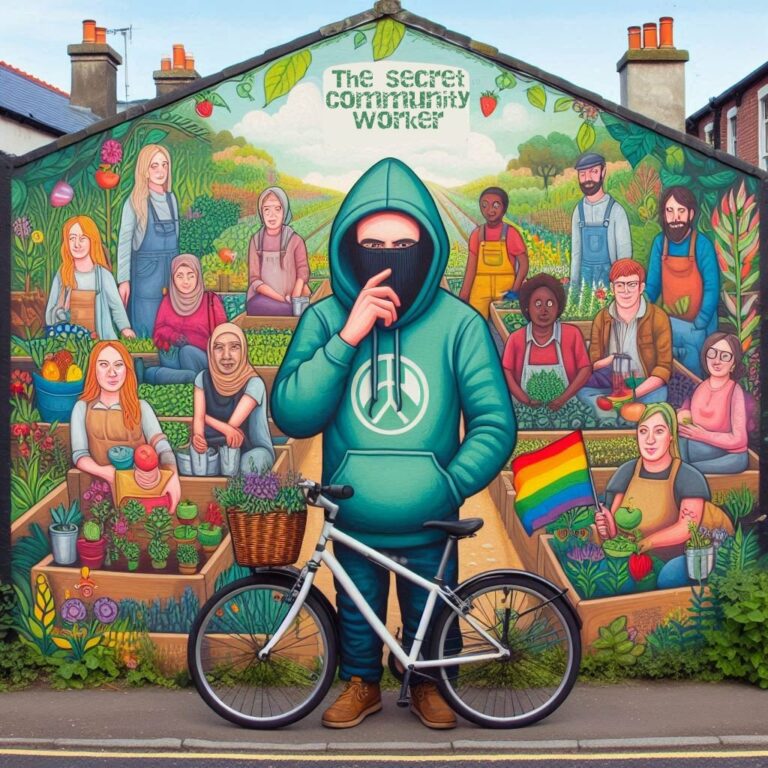
To suggest ideas or propose a submission as The Secret Community Development Worker, email: editor@changingireland.ie
The idea for the facility came after the introduction of the Control of Horses Act, which made it almost impossible for young people in urban areas to legally keep horses.
However, many of them had grown up in families who had a tradition of keeping horses, and they wanted to work with them. The founders were keen to skill up local young people to give them a route to employment in the equine industry.
Sheilann Monaghan, community development worker with South Dublin County Partnership, recalled that era:
“Our big thing at that time, and still, is that horses were here long, long before the houses. Horses were economic animals and that’s where the whole interest came from with the guys in Fettercairn. One of the founders, John Phelan, worked in Finglas where horses were used there to pull milk lorries. Another guy Noel was in Ballyfermot and he used horses to pull the scrap carts.
“Both John and Noel ended up having sons and daughters who saw photographs and said: ‘How come you had horses when you were young?’. They had an interest, so they got wandering horses. And there were most definitely issues at that time around horses being on football pitches and going out in front of cars and stuff,” she said.
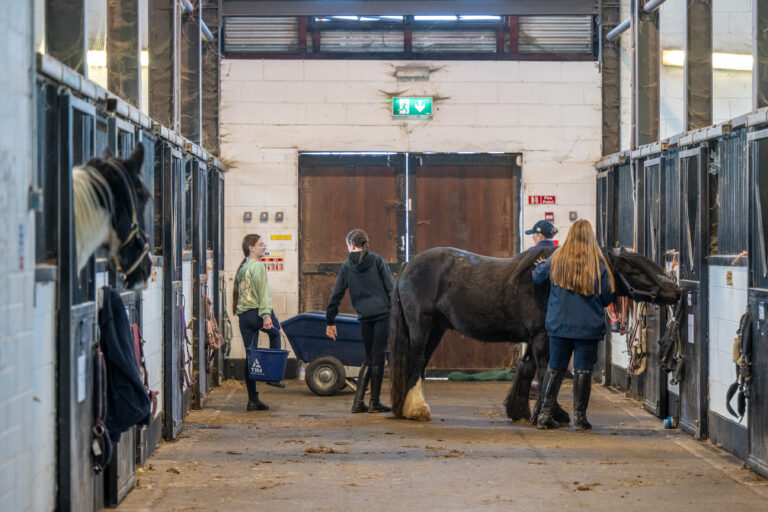
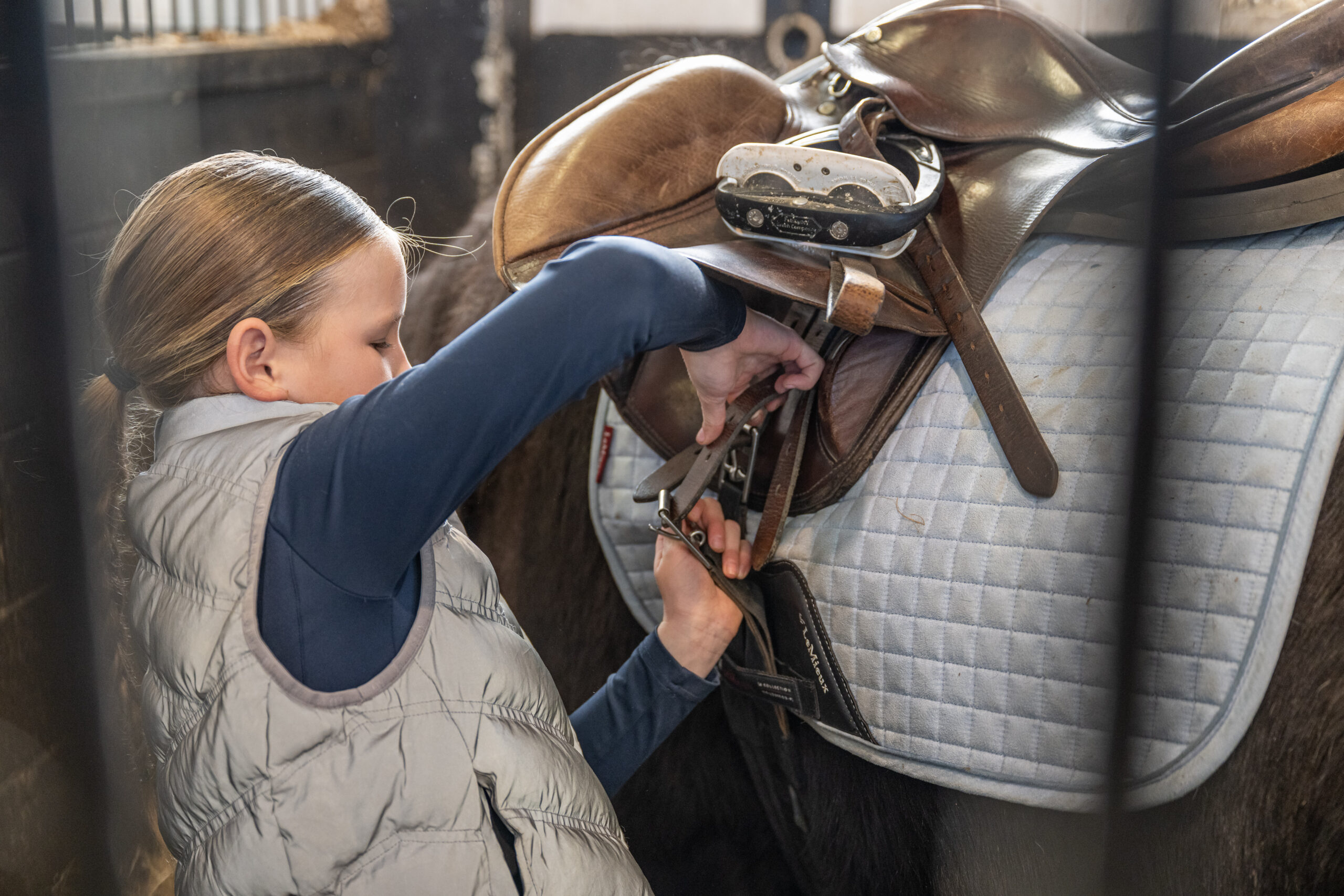
One of the volunteers getting Bella ready for a lesson at Fettercairn Youth Horse Project. Photo by Ben Ryan.
MAKESHIFT STABLES
Sheilann said they met with the local authority at the time “and the council chairperson said, ‘I will give you this piece of land, if you promise to keep the horses within that’, and that was the start of it.”
The project began with between 10 to 15 makeshift stables. Then the Irish Horse Welfare Trust became involved and began to teach children how to look after the horses properly. They also held educational day trips to show young people how to get into the equine industry.
Sheilann said the founders were “very clear” that the project should have a strong focus on youth education.
“They wanted young people from Fettercairn to be able to handle a horse as well as anybody else from any other part of the country.
She recalled “huge opposition” to the project:
“Horses were seen as for people in Kilkenny or Killiney or whatever, people who had money and who had stables, not for young fellas or girls from disadvantaged communities.”
NOW AND THEN
In the project’s early days, young people owned the horses and paid a membership fee to use the centre. As time went on, the project began to provide horse-riding lessons to the general public to generate more income. The project bought, and was donated, horses suitable for lessons.
Colette said, “We now offer mainstream and therapeutic lessons to all the local groups, schools, and the general public. All walks of life use us,” she said. The project has up to 25 different groups regularly using the centre and they come mainly from Tallaght, the North Inner City and Blanchardstown.
“Weekly we have five or six local schools, and they’re on a rotation. We have a waiting list of schools,” said Colette.
BENEFITS
Horse-riding provides many benefits. On the educational side, children receive lessons and learn what it takes to care for a horse in the right way. In terms of therapeutic benefits, the children lead other kids on out on horses and this helps to develop empathy.
The project has a contract with the HSE where an occupational therapist with equestrian experience carries out sessions with young patients.
“For kids (with additional needs) that come in and have the lessons, it helps with their motor skills, their balance. Parents tell you ‘It’s helped so much with regulating their emotions’ and stuff like that,” said Colette.
FUNDING
It costs roughly €200,000 annually to run the FYHP, although costs fluctuate depending on the price of feed and veterinary bills.
The project receives ongoing funding through the Department of Rural and Community Development’s Community Services Programme and recently it was also a beneficiary of the Department’s Community Recognition Fund which enabled the project to completely refurbish Fettercairn’s arena. It also hopes to soon open a sensory garden.
The project generates regular additional income through running programmes and providing lessons and pony camps.
However, costs are rising and animals need to be fed and looked after 24/7, so the project regularly applies for grants and seeks out corporate sponsorship.
“We have to generate income continuously all the time, no matter what the outside circumstances are,” said Colette.
EMPLOYMENT
All of the staff at the FYHP are local, with all the instructors having started out as volunteers, helping to feed horses and muck out stables as young people.
“It’s a full cycle, we now employ the people we trained,” said Colette.
Sheilann added: “The founders were completely right. If you get skilled with a horse, you can use that in any place, at any time. For every aspect of the life of a horse, there is a skilled job.”
ROLE MODELS
Several former members of the project have gone on to train at RACE, the Racing Academy and Centre of Education in the Curragh, Co Kildare, where the competition for places is fierce and standards are high.
“One year RACE had three people from Fettercairn who applied and got spaces, they thought some sort of a deal had been done, but that wasn’t the case! One of those was Samantha Wynne,” said Sheilann, speaking of Fettercairn’s greatest success story in the industry.
Today, Samantha is one of the top female jockeys in New Zealand and she runs her own yard.
“She has her own racehorse who competes, who she actually named ‘Fettercairn’, said Sheilann.
“Orla Casey is a jockey and rides out over there too. She has opened up a yard as well, where she takes in racehorses that are retired and can’t compete anymore, and she retrains them. We also had another girl Lynsey Spellman that went on to become a groom in the Army Equitation School,” she said.
Colette believes that having more horse projects like FYHP around the country “would make a huge difference” to many young people and their communities.
A new study by the Economic and Social Research Institute (ESRI), published as part of the Institute’s joint research programme with the Department of the Taoiseach’s Shared Island Unit, compares child poverty and related factors and policy measures in Ireland and Northern Ireland.
The report uses two measures of poverty: income poverty, which means having a household disposable income that is less than 60 per cent of median income; and, material deprivation, which occurs when families are unable to afford at least two of five basic essentials like paying their bills on time or keeping their home warm. Over the period 2004 to 2023, child income poverty declined quite consistently in Ireland while rates fluctuated more in Northern Ireland. Throughout the period income poverty rates remained higher in Northern Ireland finishing at about 21 per cent on average in 2021-2023 compared to around 14 per cent in Ireland.
However, Ireland and Northern Ireland show a much more similar trend in child material deprivation, which follows the pattern of economic boom and recession that characterised much of the period.
Throughout 2010-2023, child material deprivation rates were higher in Ireland than Northern Ireland, however, in 2022-2023, deprivation in Northern Ireland rose to the same level as that in Ireland, to stand at 24 per cent in both jurisdictions.
The contrasting comparison for child income poverty and child material deprivation levels North and South, suggests that families on low incomes in Ireland have been less able to convert household income into an adequate standard of living compared with families at the same position in the income distribution in Northern Ireland. This could be attributable to a higher cost of living in Ireland.
Speaking in Galway city, Minister Naughton said, “Projects funded under the WorkAbility Programme incorporate a strong focus on employer engagement, raising employers’ awareness and building their capacity to recruit, retain and progress people with disabilities in their workforce.”
She commended all involved in developing the toolkits saying they had “risen to the challenge of the programme in a very relevant and unique”.
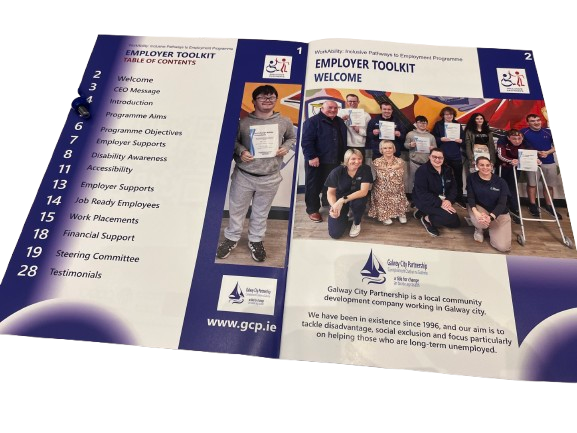
The toolkits highlights practical ways that employers can benefit from a more inclusive and innovative workplace.
Both publications were funded through the Department of Social Protection’s WorkAbility – Inclusive Pathways to Employment Programme. It previously supported the launch of a toolkit designed for County Roscommon.
• GCP’s WorkAbility toolkit.
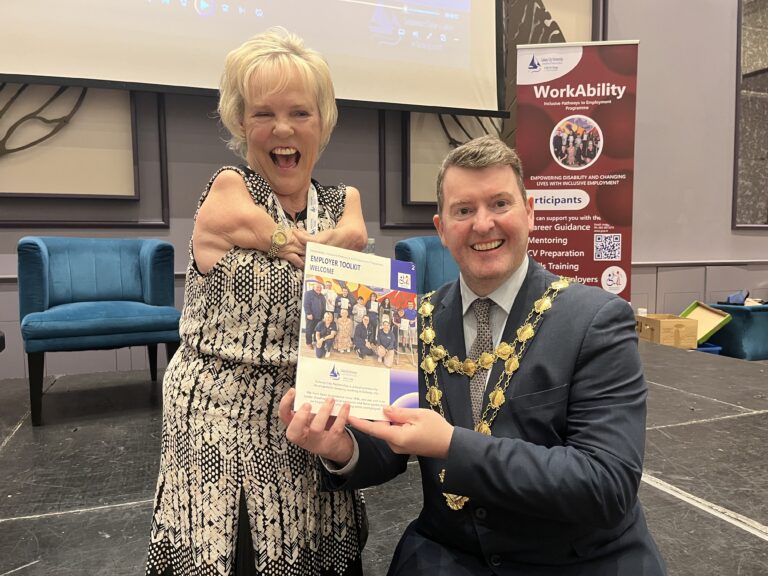
Changing Ireland attended the city launch organised by Galway City Partnership where the Mayor of Galway, Peter Keane, urged everyone present to recommit themselves to inclusion. He described the toolkit as “a fantastic achievement” and said Galway County Council “stood foursquare behind everything you’re trying to do in Galway City Partnership”.
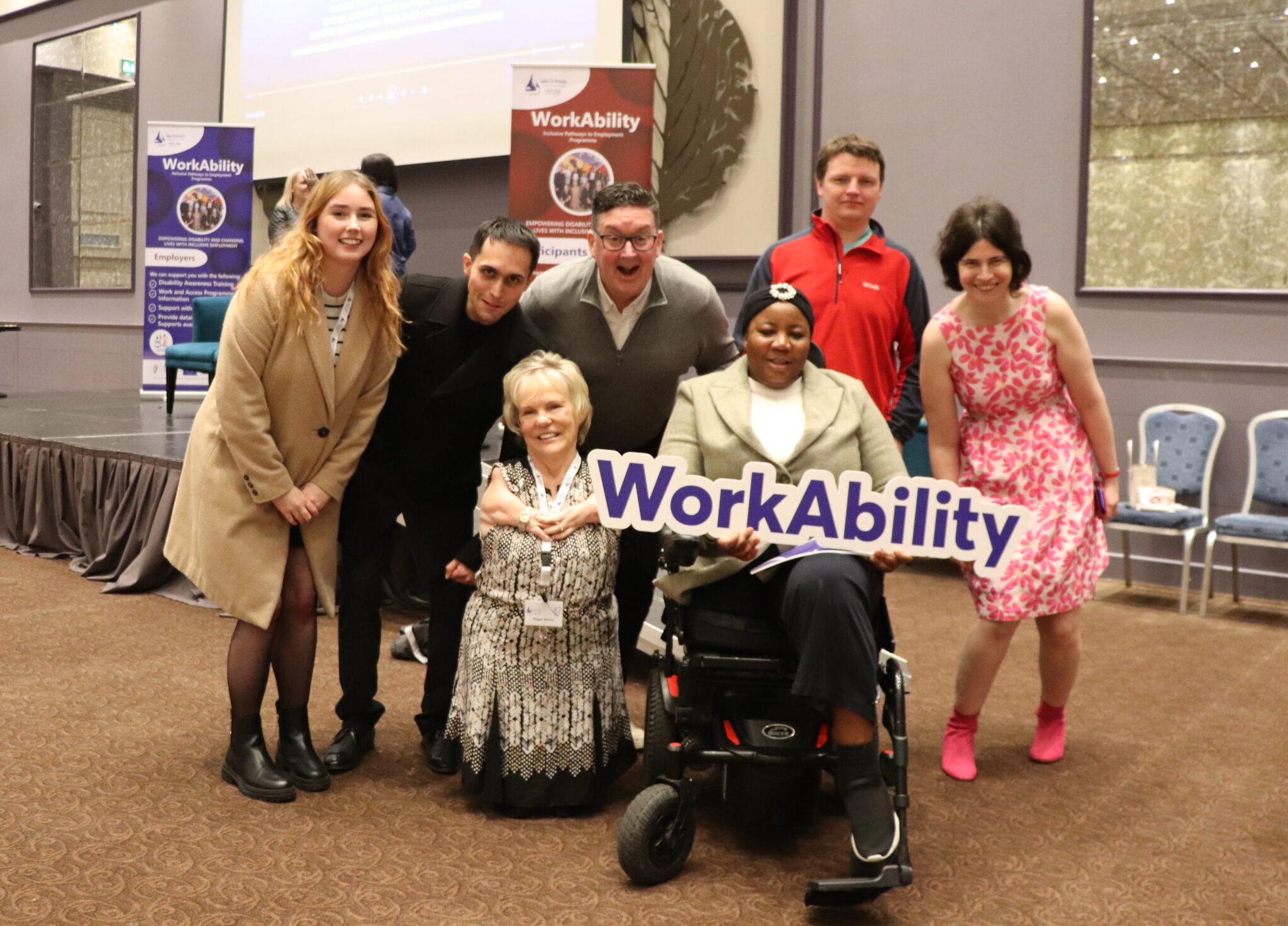
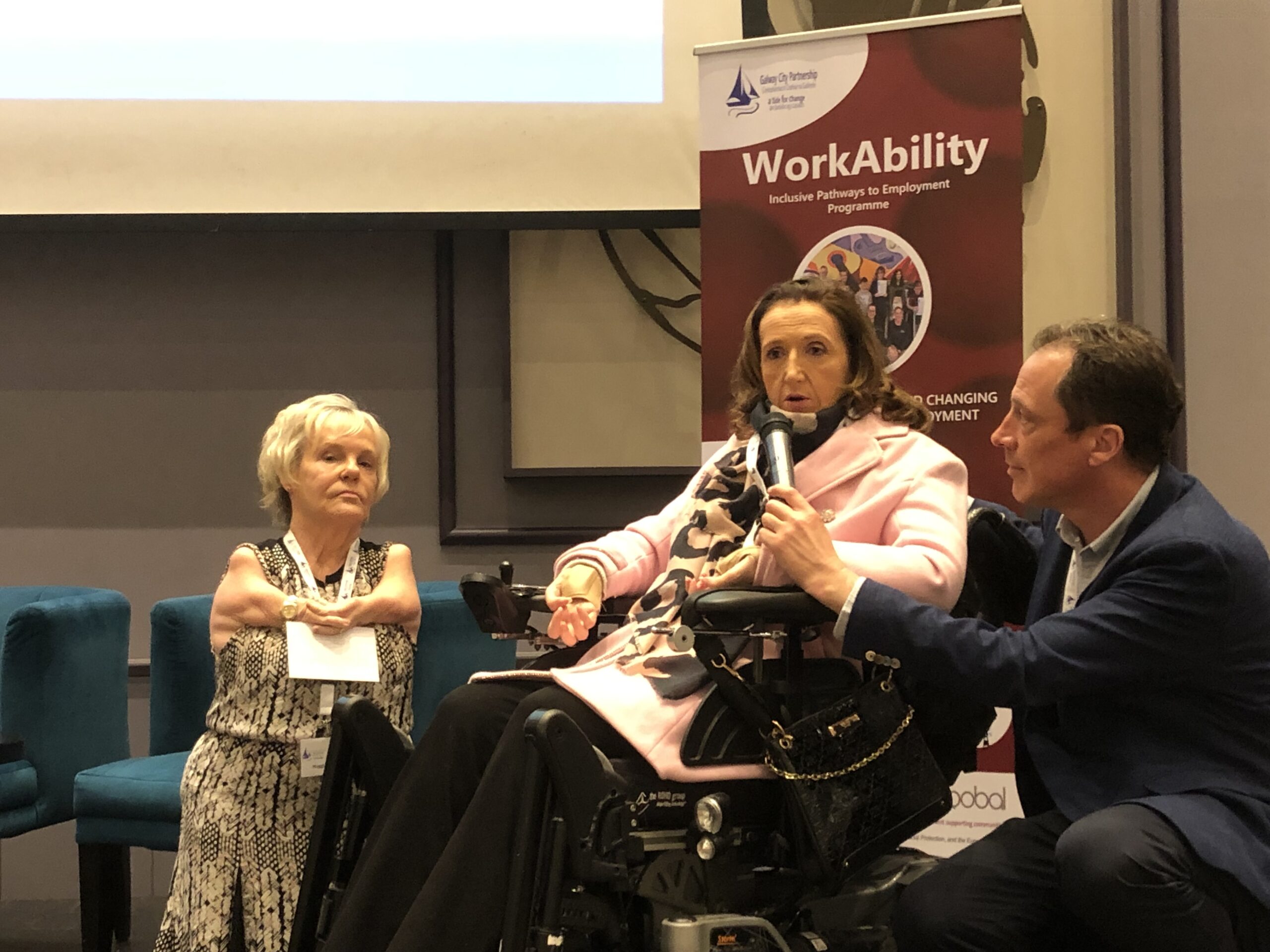
• Staff and participants in the WorkAbility programme: Amy McGrath, programme mentor, Ali Loughnane, Maggie Woods, programme co-ordinatory, Brian Clancy, Esther Koroma, Eanna O’Cosgora and Lisa Madden.
The toolkit launch was attended by many with direct experience of hitting barriers to the workplace. They described not only their experience, but the loss to businesses and society in general when people’s potential is denied.
Lisa Madden was one who shared her workplace story.
“Meeting with the team on WorkAbility has given me a strength I didn’t think I had. I can stand up for myself particularly in work situations and even have been able to take on extra hours,” she said.
• People with experience of seeking employment told their stories, including how finding work changed their lives.
Maggie Woods of Galway City Partnership encouraged employers to use the toolkit,
“Being part of this programme, you are building an inclusive workplace and this is also a strategic advantage. Employers who hire individuals with disabilities are guaranteed to see increased productivity, creativity, and employee loyalty.”
Summing up its value, she said the toolkit “provides practical, step-by-step resources to help you implement inclusive hiring practices. Whether you’re just starting or looking to enhance your efforts, this guide will support you every step of the way.”
Programme partners in the development of the city’s toolkit include Galway City Partnership, Galway Chamber of Commerce, Galway Roscommon Education & Training Board, EmployAbility Galway, Access for All and Brothers of Charity Western Region.
The Workability – Inclusive Pathways to Employment Programme is co-funded by the Government and the EU.
The toolkits are available from Galway City Partnership (email – info@gcp.ie / tel. 091-773 466) and through FORUM Connemara (email – info@forumconnemara.ie / tel. 095-41116.