Friday, July 3, 2026
Home Blog Page 22

Legendary lessons in rarely told stories of grassroots struggle and change

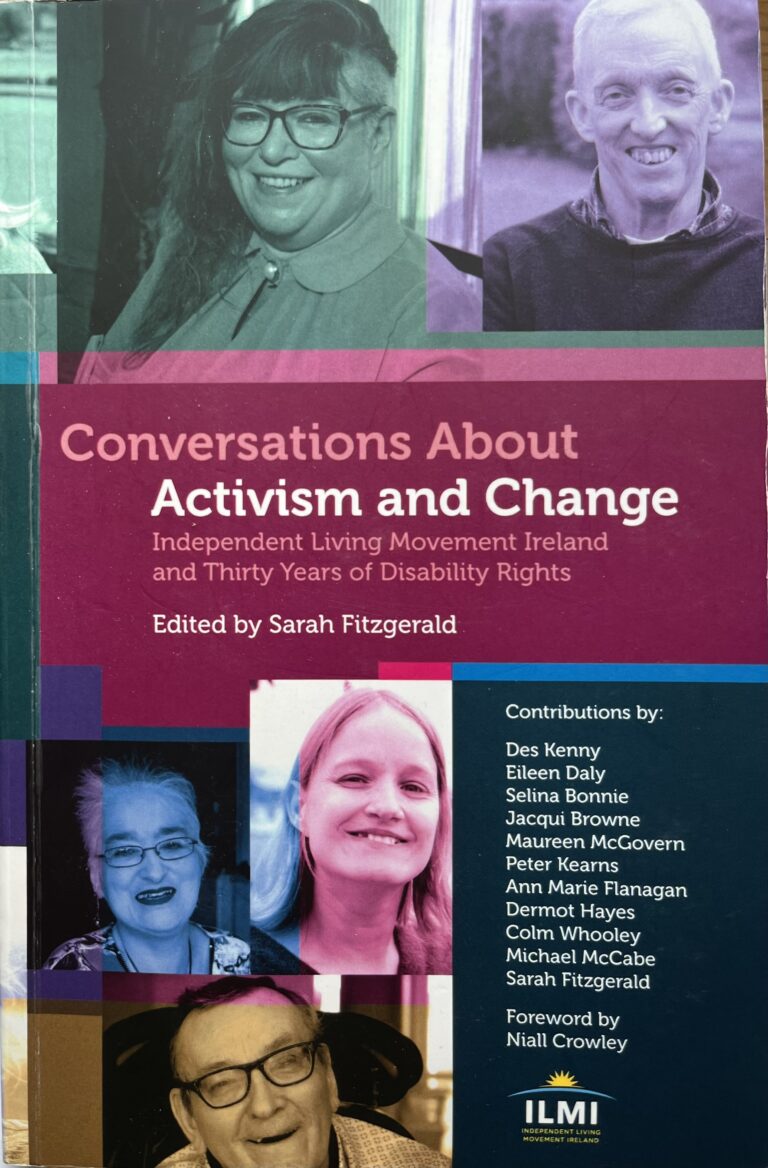
Books about activism are rarely published in Ireland or abroad, however the Independent Living Movement Ireland (ILMI) has just published one such book and immediately won international interest.

As Damien Walshe, the ILMI’s CEO says, “Books from the disability activist community are internationally rare. Sales to the USA were notable from the first week the book went on sale in early May.”

An easy, enjoyable read, ‘Conversations About Activism and Change’ warns against activist complacency, rails against the multi-billion Euro disability industry and calls for Ireland to move away from the medical model of disability (seen as disempowering) and replace it with the social model (many of society’s barriers can and should be removed).

– Damien Walshe, CEO of Independent Living Movement Ireland

Other campaigners could learn from these disability activists. They used their time during Covid lockdowns to produce a series of podcasts that led to the publication of this fantastic publication.

“From start to finish and cover to cover, it was people with disabilities who ran this project, coming up with the concept, running with it, writing, editing and funding the publication,” said Walshe.

A neat 138 pages, it features pieces from 11 disabled activists from across Ireland – Des Kenny, Eileen Daly, Selina Bonnie, Jacqui Browne, Maureen McGovern, Peter Kearns, Ann Marie Flanagan, Dermot Hayes, Colm Whooley, Michael McCabe, and Sarah Fitzgerald, who also edited the book.

“The book is authentic in every aspect of its creation and is a true oral history of the disability rights movement,” she said.

The ILMI’s vice-chair Selina Bonnie says: “Most of the Irish disability rights movement’s stories have only been shared orally, transmitted mainly from activist to activist, or have been lost when treasured comrades have passed.”

Often, younger disabled people are unaware of what went before, of the struggle, the heroes and the torch that is being passed onto them.

“This book is part of reclaiming that “hidden history” about the struggle for the liberation and self-determination of disabled people in Ireland,” added Bonnie.

– Independent Living Movement Ireland vice chairperson Selina Bonnie

I like how the story is told in 11 chapters by the very people who became radicalised, who began to look at themselves anew and wanted social change in the world around them.

Upholding disability rights is now an international obligation on the State since Ireland ratified the UN Convention on the Rights of Disabled People in 2018. However, there are warnings from contributors that the future may not be a bed of roses for disabled people (the term preferred by many activists).

“I would remind people of activism fatigue,”warns Des Kenny. Calling for collective action, he says, “There is a danger that in having won some rights, we are regressing from an equality perspective.”

– Des Kenny, former CEO of the National Council for the Blind

He, among others, is anxious for Article 19 of the UNCRPD to be implemented in Ireland.

“People don’t want to be locked up in nursing homes. To achieve this, are we prepared to crawl up the steps of the plinth at the Dáil like (US campaigners did)?” he asks.

All the contributors espouse community development principles. As Maureen McGovern says, “Once people build themselves up, nothing can bring them down.”

She hated herself for years. “I didn’t think I deserved to be here, but that was due to all the negative attitudes coming at me.
“Disabled people must build capacity with each other and must be employed at disabled people’s organisations,” she says.
Disability activists often die younger, and one person who gets repeated mentions by contributors is Martin Naughton. He passed away in 2016 at the age of 62, having had a profound influence on others.

Bonnie recalls her first sight of him: “Out of nowhere this man in a hat I’d never met before flew in the room in his power-chair. There was this sense that the king had arrived. Even the highest-ranking politician seemed to respect him. I remember thinking, Who is that? It was Martin Naughton.”

Bonnie, who feels “quietly optimistic” about the future, ended up working for Naughton, including preparing placards for protests and bringing flasks of tea down to campaigners outside the Dáil. Bonnie later led campaigns, including battling to have society recognise that people with disabilities are sexual beings and can be parents.

“Although it’s not as unusual for disabled people to become parents today, many improvements are needed to make life easier for disabled parents,” she writes. “For example, baby-changing areas in public spaces are often not accessible to me and other wheelchair-using parents.”
Wider society is unlikely to think about these barriers unless they are brought to people’s attention.

However, as Jacqui Browne says, “We can bring about physical changes, but getting the more hidden but really important social issues addressed can be much harder.”

– Disability equality activist and consultant Jacqui Browne

She also tells readers of her definition of a true disabled people’s organisation (DPOs): “The situation at the moment is that we have a lot of disability organisations, especially disability service providers, that claim to represent us but are not run or directed by us. In a true DPO we are not clients. We are the organisation.”

Little if anything at all would change, as Fitzgerald adds, without teamwork, “We all know that real social change can only be brought about if we work together as a collective.”

– Co Clare activist Dermot Hayes

County Clare’s Dermot Hayes recounts his time doing just that, as a shop steward fighting for women’s rights in the 1970s. That activism fed into a life of campaigning for broad social change, including for disabled people.

“The charity model is still there,” he writes. “The big organisations are embedded in the charity model and jobs and livelihoods are dependent on it. …We want rights, not charity,” he says.

“We need to build a movement of disabled people who see independent living and human rights as a way forward. The charity model is not the solution., he says.

Co-authors agree. Colm Whooley, who acquired a disability in a motorcycle accident, says however that disabled people have “lost ground” and “the disability industry has become stronger”.

He said that if disabled people do not “take back control” then “we’re just going to become a commodity generating an income for an ever-growing disability industry.”
#On a positive note, as he points out, “When I had my accident, the general public’s attitude to disabled people was in the Dark Ages compared to where we are now.”

‘Conversations About Activism and Change’ is published by Martello Publishing and is available to buy or order in all good bookshops (€12.95 RRP)
Buy online: https://linktr.ee/ilmiconversations
49-member network has new team

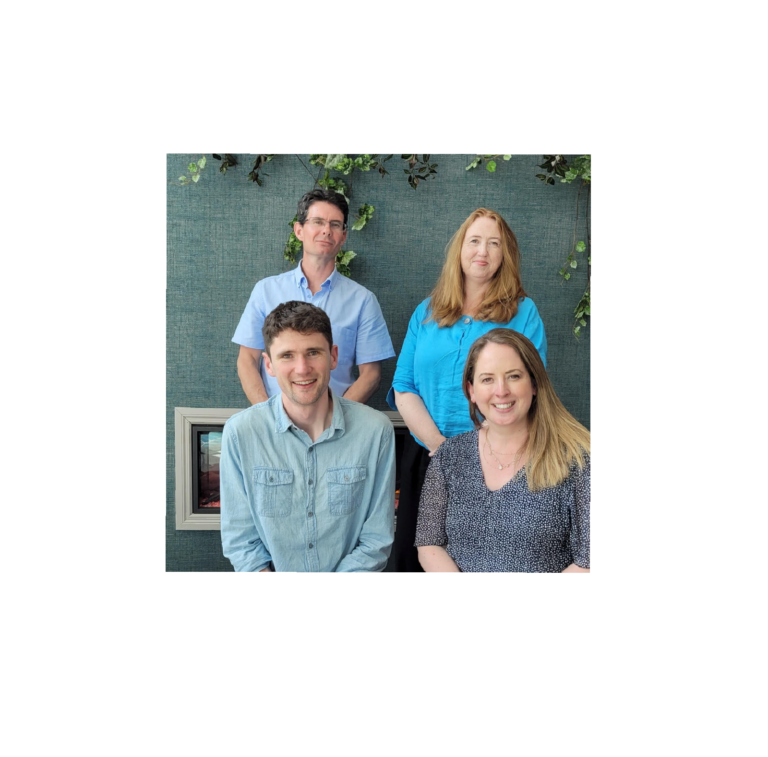
The new staff are:

Carol Baumann is a Dublin native, long settled in Galway. Her career in local development began 25 years ago and her career has always had social justice at its core. She has a track record leading complex organisations in challenging operating environments.

In building this team, Carol says she “hopes to draw on its wide range of competencies, experience and expertise to drive the local development sector forward”.

– Carol Baumann, CEO of the ILDN

She worked with Galway City Partnership as education and training co-ordinator, before joining Money Advice and Budgeting Service (MABS) supporting the then network of 51 local companies. Her most recent role was as a senior manager with COPE Galway, delivering social services to a range of groups.

In joining the ILDN, Carol sees the unique strengths and capacity of the local development sector and is committed to working with ILDN members and stakeholders in building further on the successes of the past. She was hired as CEO in September last year and leads a new four-person team at the ILDN.

 – Conall Greaney, ILDN finance and admin officer

Spiddal, Co Galway-based Conall Greaney has a deep interest in the environment, sustainability and social justice issues and is the ILDN’s finance and administration officer.

He studied at Dundalk Institute of Technology (spending a year on Erasmus in Bremen) then transferred to Leeds Metropolitan University, where he graduated with honours in European Finance and Accounting. He worked in Dublin as an accounts assistant for a contract cleaning company and was promoted to finance manager there before returning to the city of the tribes in 2008.

Before joining the ILDN, he was responsible for finance at Galway-based safety clothing and equipment company Anchor Safety Ltd.

– Michelle Mullally, ILDN programme, impact and communications manager

Michelle Mullally is the ILDN’s new programme, impact and communications manager. Her role centres on understanding, measuring and demonstrating the impact of the work of the ILDN’s 49 member organisations.

Michelle’s career has been varied with a common thread of impact measurement and stakeholder engagement. She graduated from UL in Business and French and gained NGO experience with Sightsavers International before moving into event management. She spent ten years with Google before moving back to her hometown of Kilkenny in the early days of the pandemic, where she worked with Veri Connect, who partner with LDCs on biodiversity and social inclusion projects (eg Wild Work, Nore Vision).

Outside work, Michelle is the vice chairperson for her local community-led creche. She has also dipped her toe back into team sports, joining her local ‘Mothers and Others’ Ladies Gaelic football team.

– Philip O’Donnell, ILDN research, policy and rural affairs officer

Donegal native Philip O’Donnell joined the ILDN as research, policy and rural affairs officer in April 2023. His role at the ILDN involves identifying and articulating key policy priorities for ILDN members – particularly rural members – and working to ensure that these priorities are embedded in relevant policy.

Before joining the ILDN, Philip held various research and lecturing positions at DCU Business School while he completed his PhD. Most recently, Philip was involved with an international programme of research titled ‘Towards Inclusive and Sustainable Economic Development’.

Philip’s research has focused primarily on informal economic activity in poor and marginalised contexts, and his work has been published in leading academic journals and presented at various research conferences worldwide. His other research interests include social entrepreneurship, community-based entrepreneurship, and family business. Away from work, Philip has a keen interest in sport, and is a playing member of his local GAA club.

New strategy to place libraries at the heart of the community

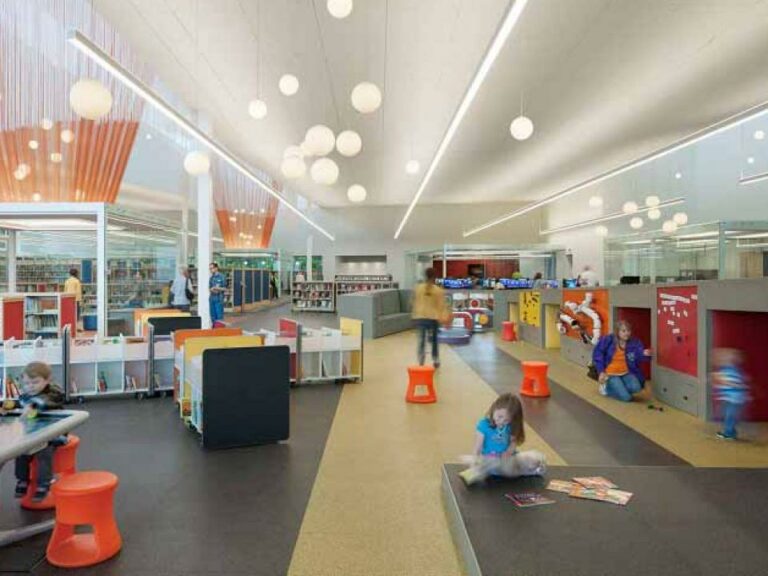
The strategy contains a 66-point action plan that, according to the Department of Rural and Community Development, aims to “develop every library in the country into a multi-purpose education and social space for all members of the community”.

The strategy also aims to treble the number of ‘My Open Library’ facilities to more than 90. These facilities provide library access 365 days a year from 8am-10pm to registered users.

Increased funding for books and additional Outreach Library Services and mobile libraries are other points included in the action plan.

The strategy also aims to increase the number and range of activities taking place in libraries, such as computer and language classes, cultural events and exhibitions.

Other commitments contained in ‘The Library is the Place’ include a new national network of Gigabit libraries to offer superfast internet services to users, and the expansion of the Right to Read Programme and the Right to Read Local Networks.

‘The Library is the Place’ is available to view here

Also announced today was a €550,000 allocation in funding for library supports for marginalised and disadvantaged communities under the 2023 Dormant Accounts Action Plan.

The Department says the funding will support a Digital Equity and Social Inclusion programme to purchase library equipment, the Little Library Programme for incoming Junior Infants pupils, and events and programmes targeted at disadvantaged communities.


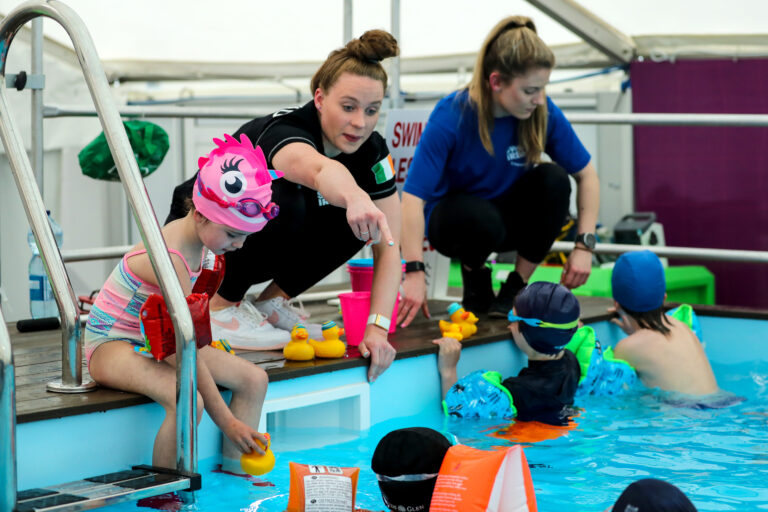
Can’t get to a pool? Swim Ireland can bring a ‘Pop-Up Pool’ to you

Ashley Hunter, head of participation at Swim Ireland tells Kathy Masterson more about the Pop-Up Pool initiative.

The pools stay in a location for five to six months, which enables us to have as much impact as we can. When the third pool is up and
running, there will be a pool moving to a different location every two months.

Our procedure for identifying suitable locations goes two ways: a local authority or local sports partnership can approach us and request information on the pool, and to host it. Or, Swim Ireland will look at locations that have poor provision for swimming, and we will approach the local authority in that area.

The first step (for community workers seeking a pop-up pool for their area) is to engage with an executive or council member in your local authority, or your local sports partnership, and have a conversation to see if it’s a possibility.

It costs €25,000-€30,000 to move the pool each time. There’s a considerable amount of work involved. While it is a temporary structure, there are water and electricity connections, there are groundworks, you have to get planning permission. It’s a substantial structure.

The local authority and the local sports partnerships work to identify locations and find a suitable site. Then we will engage with the local
schools and community groups to let them know how it works, and the costs. Then we will start to engage with the general public and let them know about the general swimming sessions, and the Learn to Swim programmes – we run a variety of different programmes.

Swim Ireland purchased the first pool, and the marquee and equipment as part of a pilot initiative, which was supported by the Department (of Tourism, Culture, Arts, Gaeltacht, Sport and Media). The pools were funded by the Department through Sport Ireland.

We don’t receive funds for the running costs of the pool, but there are some funding streams that are allocated to the pop-up pools. We
work collectively with the local councils and local sports partnerships in funding and running the pools.

We reach out to the harder-to- reach groups, like the lower socio-economic groups, and support them to bring their members to the pool.
We try to reduce our costs where we can so that the pool is affordable for schools and community groups.

The pools are fully accessible. They have a ramp, a hoist, and large changing areas. The water is heated to 30 degrees, and the temperature
inside the marquee is heated as well, so it’s a really pleasant environment. We work with a huge number of people with physical disabilities,
visual impairment, learning difficulties, autism.

When the pool is in use by a particular group, it’s a private environment, so that works really well for people who are body conscious, or people with autism.  The feedback we get from people is that the private environment is a really big plus.

We recruit staff from the local communities where the pools are based as well. For applicants who are unqualified, we can provide lifeguard training. Or for anyone who hasn’t completed their swim teacher training, we can support them to do that. It gives people the ability to
seek work elsewhere when the pool moves on.

– One of Swim Ireland’s pop up swimming pools

“The impact we’ve seen has been massive”

To date, the pool has been to Donabate in Co. Dublin, Blessington in Co. Wicklow, and Tobercurry in Co. Sligo. The impact we’ve seen has
been massive. The pools have been really well received by all parts of the communities using it.

We’ve heard so many stories from people about what it has meant to them. We’ve had schoolkids who had never been in a swimming pool
before, and we get them in, get them water confident. The mother of one child with autism said the pop-up pool changed the way he looked at
that type of environment, and he really enjoyed going.

A lot of people who have poor mobility have used the pools also – older people, or people who have injuries from accidents. One man who had chronic back pain after an accident used the pool every morning before work and he found it really helpful, he felt he was in less pain. That meant that he was then less reliant on healthcare services, he was able to reduce his physiotherapy visits. There are a long list of benefits, it’s a fantastic facility for everybody in the community.


AI will push communities in new directions

Will AI be a help in community development? “Definitely,” says Pat Kennedy, CEO of eTownz. Does AI have the potential to destroy humanity? “Absolutely”, he replies, quoting warnings from its inventors.

To many in rural Ireland, the acronym remains associated first and foremost with impregnating cows, and Kennedy agrees that AI is coming at society at a “headspinning” speed.

Nonetheless, his community-focused company is currently putting it to good use and he was able to easily, over the phone, list a half-dozen ways that AI can be of benefit to community-based organisations and not-for-profits.

6 WAYS TO USE AI

“The community development sector in general should take advantage and use AI tools designed for business in a community development setting,” he said, listing for example:

1. It could help you write your social media content.

2. It’s going to be a help writing legal documents.

3. It can help with storytelling – you might have a report on Tidy Towns, or a match, and you might not be good at writing stories, but if you provide a summary of what’s happened at a match, or a Tidy Towns update, it’ll write a proper version for you.

4. It can also help with reports, for example your annual report. It will be helpful with structured documents such as tenders, grant and planning applications. It won’t do them for you, but it will take some of the hard work out of it.

5. It could help with administration, setting up emails and setting reminders and so on.

6. Creating images. People can use it to come up with posters, with cover pages for your plans – you might want an AI-generated image of what a playground in your area might look like in the future.

SAFE FROM MASS LAYOFFS

AI in forms such as ChatGPT and ChatPDF is already free online, for anyone to use – including community development workers.

“This has been going on for years. There are thousands of AI tools out there now, but ChatGPT made AI famous because it is user-friendly,” explained Kennedy.

He, like many, believes it will truly change society.

“People in law firms and in marketing are doomed, but if you’re a chef, a plumber, or a youth or community worker – AI isn’t a threat to your job.

“Looking at the bigger picture, the world is in drastic need of huge change and this tool may be what was needed,” he said.

Kennedy added that AI will present challenges and opportunities within communities – such as what to do when people have more time in the community as industries experience mass layoffs and high-tech societies move to shorter working weeks.

“We’re going to have to rethink the five-day working week,” he noted.

Meanwhile, community development workers will be freed from “a lot of the paperwork” and they will have more time to do their actual work.

“It’s a gamechanger. In eTownz, we’re helping towns come up with plans. There is nothing more complex than the community and AI has ways of analysing huge amounts of information quickly.

“On the downside there’s likely to be a bigger digital divide,” he warned.

“AI will take over many roles done by humans. Human-like AI machines will work in old folks homes and some people will love them, some
won’t.”

The stuff of science fiction is becoming reality.

Dormant Accounts Fund provided €54.6 million in 2022

The Dormant Accounts Fund can be used to fund measures that address economic, social, or educational disadvantage and to support people with a disability.

The €54.6 million spent in 2022 was spread across 46 measures aimed at addressing a diverse range of issues, such as programmes for children and young people; the Traveller and Roma communities; prisoners; carers; victims of crime; people living with dementia; and those experiencing homelessness.

Three case studies of measures supported in 2022 are included in the report:

  • Works Jigsaw School Hub – €20,000 was provided to develop the Jigsaw School Hub, which is an interactive online platform that strives to provide teachers and school staff with easily accessible, mental health resources and material for use in the classroom. This now provides a valuable resource to help schools and teachers in supporting mental health and wellbeing in schools, with the platform having over 13,000 users in 2022.
  • STEPS+ in Oberstown Campus (Skills, Training, Education, Person-Centred, Support) – The Dormant Accounts Fund provided €364,000 in funding to support initiatives in the Oberstown Campus in 2022. One focus is on career guidance and development, which the STEPS+ (Skills, Training, Education, Person Centred Support) programme supports.
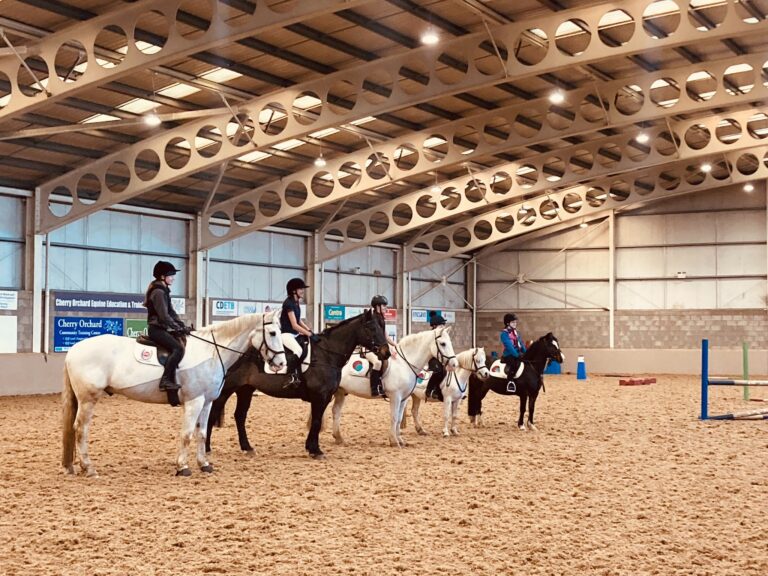
  • Cherry Orchard Equine Centre – The Centre received €123,200 from the Department of Rural and Community Development to address disadvantage in 2022. The funding for the Equine Centre has assisted the financial sustainability of a vital community resource and centre and supported multiple events taking place in 2022.
The Dormant Accounts Fund provided €364,000 in funding to support initiatives in the Oberstown Campus in 2022

Seven measures administered by the Department of Rural and Community Development received monies from the Dormant Accounts Fund in 2022.

There were: Social Enterprise Measure (€2.3 million), Senior Alerts Scheme (€3 million), Targeted Social Inclusion (€728, 538), Pres-social Social Cohesion (€125,021), Public Libraries (€448,031), Participation and Engagement by marginalised and disadvantaged communities in the Local Economic and Community Planning (LECP) Process, (€200,000), and Rethink Ireland (€5.5 million).

The 2023 Dormant Accounts Fund Action Plan has approved funding of €54.5 million for 44 measures across nine Departments for this year.

These include seven measures under the Department of Rural and Community Development.

These are: Social Enterprise Measure (€2.3 million), Senior Alerts Scheme (€3 million), Targeted Social Inclusion (€970,000), Pre-social Social Cohesion (€150,000), Public Libraries (€550,000), Participation and Engagement by marginalised and disadvantaged communities in the Local Economic and Community Planning (LECP) Process (€100,000), and Rethink Ireland (€5.5 million).

The reports are available to read in full here: https://www.gov.ie/en/collection/769773-dormant-accounts-fund-annual-action-plans-and-reports/

From Home to Home – Ukrainians in Wicklow celebrate opening of new community centre

The centre, located in St. Andrew’s Presbyterian Church Hall in the Quinsborough Road, has been a lifeline for the Ukrainian community in Bray and North Wicklow over the last year.

Minister for Community Development and Charities, Joe O’Brien, and the Ambassador of Ukraine to Ireland, Larysa Gerasko, joined more than 100 people from the local community last Thursday, June 29, for the opening ceremony.

Bray Area Partnership’s chairperson Aoife Flynn Kennedy said that the word ‘community’ summed up what the centre was all about.

She added that it had provided “a warm and welcoming space over the past year for local Ukrainian people to meet, get support and information and take part in a wide range of activities”.

Guests take part in the traditional bread and salt welcoming ceremony at the official opening of the Ukrainian Community Centre in Bray, Co Wicklow

Alina Vylka, a Ukrainian woman currently living in Wicklow remarked:

“The war ravaged my homeland, Ukraine, left me without a home, a job, and the comforts of my familiar life. Having lost everything dear to me, I found solace here, in beautiful Ireland. I would like to particularly acknowledge the Ukrainian Centre, which has become a hub of unity and support for me. Your boundless love for Ukraine and the multitude of programmes for children and adults have inspired me and helped restore my faith in the future.”

The lively event featured performances of Ukrainian songs, and guests were served borscht and other national dishes.

Ukrainian children proudly showed off their artwork in an exhibition called From Home to Home.

Each child had created a drawing in the shape of their own region of Ukraine depicting their personal experience of their first year in Ireland and their journey from a home in Ukraine to finding a new home in Ireland.

Minister Joe O’Brien and the children then stuck the last piece of the artwork onto a jigsaw map of Ukraine to complete this impressive art installation.

The Minister commented:

“I am really impressed by this symbolic ‘From Home to Home’ jigsaw. We have some extremely talented artists among us. The last piece of the jigsaw puzzle fittingly represents the final step in your journey; your journey toward unity and inclusiveness.”

A choir of Ukrainian adults and children sing to guests at the Ukrainian Community Centre opening ceremony in Bray

Bray Area Partnership works closely with local organisations in Bray and North Wicklow to provide a space that is warm and welcoming and offers information and support across a wide range of social, educational and recreational group activities.

The Ukrainian Community Centre for Bray and North Wicklow is funded through the Social Inclusion and Community Activation Programme (SICAP) which is the country’s primary social inclusion programme.

Nationally, by the end of last year, 5,331 Ukrainians received one-to-one supports through SICAP. In 2022, SICAP als0 supported 496 events targeting Ukrainians, with over 17,000 attendees. SICAP also supported 205 activities specifically for children and families from Ukraine with over 14,000 people participating.

Government urged to increase child benefit by €50 to alleviate child poverty

The independent think tank pointed out that the payment is “a key route out of child poverty, and should be one of the key elements of proposed reforms”.

Other suggestions include a new €20 weekly ‘cost of disability’ payment, and the introduction of an aviation tax at €5 to €30 per passenger.

Overall, SJI advised that “Budget 2024 should be guided by one core principle, that the measures adopted prioritise the protection of the most vulnerable groups in our society”.

The organisation’s co-founder and CEO Fr Sean Healy remarked that there should be “no repeat of the disgraceful outcome we got in Budget 2023”.

The ‘Budget Choices 2024’ briefing also suggested the introduction of “a new social contract, which would commit the state and social partners to improving economic management with a view to enhancing the standard of living, quality of life and wellbeing of all the republic’s residents”.

The organisation said that the social contract should have five core goals: to deliver a vibrant economy; decent services and infrastructure; just taxation; good governance; and sustainability.

“Crucially, however, these five outcomes must be addressed simultaneously. It is not sufficient to prioritise economic development with the argument that this will produce the resources to achieve the other four outcomes,” SJI warned.

“All five Pillars of Social Dialogue (employers, trade unions, farmers, community/voluntary and environmental) should be involved in its development and implementation.”

SJI added that if the Government is serious about meeting its own poverty targets, it must increase core social welfare rates by a minimum of €25 in Budget 2024, adding that income adequacy “cannot be addressed by one-off measures”.

The Budget Choices 2024 document also pointed out: “The budget arises in the context of large windfall corporation tax revenues (€5 billion) flowing to the exchequer from a very small number of multi-national companies. Budget 2024 needs to articulate a clear strategy for the management of these funds framed in the context of the long-term interests of Irish society.”

With that in mind, SJI has proposed that Budget 2024 should be split in two, with the once-off windfall tax gains to be invested only in one-off and infrastructure projects, and accounted for separately.

The normal budget would then be presented using the regular budget process.

Summary of Key Packages

Windfall €5 billion:

– Infrastructure investment in Sláintecare – €600m

– Increase social housing construction – €1.4bn

– Invest in off‐shore wind energy infrastructure – €1bn

– ODA (Overseas Development Aid), Climate Finance and Loss and Damage – €1bn

– World Hunger Fund – €1bn

Regular Budget

Housing:  €170.3m net package including an increase in stamp duty for transfers of property exceeding €1m, an end to the Help to Buy Scheme and investment in homelessness prevention.

Just Transition: €339.6m net package including investment in renewable energy, biodiversity, just transition and the circular economy (including the introduction of a pilot circular economy town), investment in climate research. The introduction of an aviation tax per passenger of €5 to €30 on commercial flights to yield €215m.

Healthcare, carers and disability: €942.3m investment prioritising social and community care, disability, and mental health. Including a new cost of disability payment of €20 per week at a cost of €228m.

Children and Families: €1,147.7m investment in an increase to child benefit, early childhood care and education, and child protection.

Rural, Regional and Community Development: €667.9m investment prioritising the regional development and transition, rural transport, integration, and community schemes.

Education: €402.4m investment in areas such as reducing class sizes, adult literacy, DEIS, skills development, community education, digital education and higher education.

Pensions and Older People: €1,143.7m prioritising a universal pension, investment in social care and Home Care Packages and increased funding for nursing homes.

Taxation Reform:

Minimum Effective Rate of Corporation Tax to yield €1bn

Increases to capital taxes to yield €176m

Introducing a Financial Transactions Tax to yield €350m

Budget Choices 2024 is available to download here.   

Social Justice Ireland’s work is partly supported by the Department of Rural and Community Development via the Scheme to Support National  Organisations.

Cork project aims to create most eco-friendly town in Ireland

Minister for Community Development, Integration and Charities, Joe O’Brien was in Co. Cork this morning to officially launch the Youghal Blue and Green Community Network at Cumann na Daoine’s Community Development Centre in Youghal.

The project is co-funded by the Department of Rural and Community Development and Tomar Trust.

Speaking at the launch, Minister O’Brien said the initiative is “paving the way for a sustainable future, revolutionising the way we live, work and interact with our environment”.

The aims of the Network include promoting renewable energy and the reduction of carbon emissions and supporting the development of clean energy efficient communities.

The organisations and individuals in the Network plan to support each other’s work in relation to responding to climate change and enhancing biodiversity.

The Minister added: “This project is the culmination of extensive planning, collaboration and community engagement. It’s great to see local organisations, government agencies, passionate community members and volunteers coming together to ensure the success of this visionary project. You are creating a lasting legacy of resilience, innovation, and environmental stewardships for your future generations.”

Later in the afternoon, Minister O’Brien visited Trabolgan Holiday Village to join in a celebration and showcasing of successful integration initiatives, including SECAD Partnership supports and programmes, volunteer and community group supports and local agency supports.

He said: “Today, we celebrate the integration of new arrivals into local communities and the collaboration and responsiveness of local agencies, local communities, new and existing community groups coming together to ensure that a warm welcome was extended here in East Cork.

“I am aware the numbers availing of your vital services have increased significantly over the last few years and I know this has required a huge response from you, your staff, your communities and your volunteers, all who have gone above and beyond in providing supports to those who need it most.”


Learning hubs to bring third level education to rural communities

This pilot programme is targeted at adult learners, and there are plans to extend the initiative to other parts of the country in the future.

‘Learning in the Hubs’ will see students carry out course work and attend classes in a group setting in the Connected Hubs facilities.

The Connected Hubs scheme was first launched in May 2021, there are now 319 participating facilities nationwide.

The following programmes will take place exclusively in the 11 Connected Hubs:

  • Certificate in Business in Entrepreneurship (Level 6) – the objective being to support potential entrepreneurs, start-ups and others locally with an interest in the world of entrepreneurship;
  • Bachelor of Business (Hons) (Level 8) degree programme with plans to widen participation in third-level education through general business.

Speaking at the launch today in Athlone, Minister for Rural and Community Development Heather Humphreys said: “‘Learning in the Hubs’ is the latest in a range of exciting new initiatives that we are rolling out as part of our bold ambition to make remote working a reality.

“This is about bringing remote working and learning into the education sphere and into the heart of our rural communities. It’s about working with our education institutions so that everyone can benefit – the students, the colleges and our rural towns and villages.

“I believe that by giving our students that choice to do a course in their local hub, we will breathe new life into towns and villages and change the way education is delivered for the better.”

The TUS Faculty of Continuing, Professional, Online and Distance Learning accredited 11 hubs as TUS Learning Gates in 2022 to support its online learners, and recognise the value of leveraging the technology in hubs all over Ireland.

The two new programmes will be run exclusively through the TUS Learning Gate network ‘Learning in the Hubs’ initiative. The 11 TUS Learning Gates are dispersed across Longford, Westmeath, Laois, Offaly, Galway and Roscommon.

The collaboration between TUS and Connected Hubs will enable this concept to be built nationally, providing higher education opportunities online across the country, particularly in rural areas where it may not have previously been accessible.

It is envisaged that all counties will have a Learning Gate by September 2023.


100 organisations mark International Men’s Health Week with ‘Action Man’ challenge

0

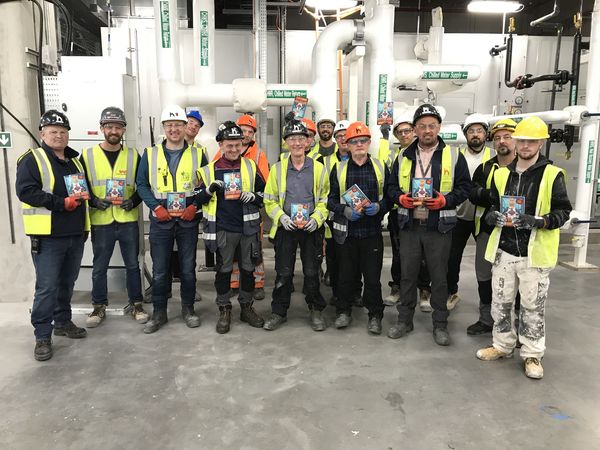
PHOTO CAPTION: Staff from PJ Hegarty Building Contractors – famous for building the M50, Thomond Park and Dublin’s Terminal 2 – got Mens Health Week off to a fine start when they received copies of the ‘Action Man’ manual.

Thousands of events have been arranged to celebrate this occasion on the island of Ireland, according to MHFI. The week always begins on the Monday before Father’s Day and ends on Father’s Day itself, so this year runs to Sunday June 18.

The week aims to raise awareness of preventable health problems, to support men and boys to live healthier lives, and encourage them to seek help or treatment at an early stage.

At the heart of the week’s activity is a new tips manual called ‘Action Man: Ten top tips for men’s health’, written specifically for males in Ireland. It was  officially launched yesterday. However, to date, 30,000 hard copies of this publication have been handed out, in addition to over 40,000 electronic downloads.

It comes on the back of research showing clearly that the health of men and boys on the island of Ireland is unnecessarily poor. While the health of men generally in Ireland is poor, it can be improved by various means.

“The manual doesn’t preach or lecture, it simply explains why an action is needed, what can be done about it, and how to find support,” says Colin Fowler of MHFI.

The publisher’s slogan for the tips manual reads: “Reading this booklet could seriously improve your health!”

Of interest, Ireland was the first country in the world to have a National Men’s Health Policy which was succeeded by the Healthy Ireland – Men Action Plan (itself, currently being updated).

More information:

Why focus on men’s health?

Not too long ago, society was unaware of the full extent of men’s poor health status and the specific health issues that face them. However, this is no longer the case. In recent years, a broad range of research has highlighted the health challenges which face men in Ireland and further afield.  The MHFI provided the following examples:

Men’s Health in Numbers: Trends Report (PDF, 10.7MB)

Irish Men’s Health Report Card (PDF, 1.7MB)

Northern Ireland Men’s Health Report Card (PDF, 1.9MB)

Getting Inside Men’s Health (PDF, 1.5MB)

Men’s Health in Northern Ireland: Tackling the Root Causes of Men’s [ill] Health (PDF, 965KB)

A Report on the all-Ireland Young Men and Suicide Project (PDF, 2.73MB)

Facing the Challenge – The Impact of Recession and Unemployment on Men’s Health in Ireland (PDF, 1.9MB)

A Report on the Excess Burden of Cancer among Men in the Republic of Ireland (PDF, 2.95MB )

The State of Men’s Health in Europe (PDF, 3.63MB)

Middle-Aged Men and Suicide in Ireland (PDF, 4.49MB)

Islands policy provides “a good foundation” – Comhar na nOileán

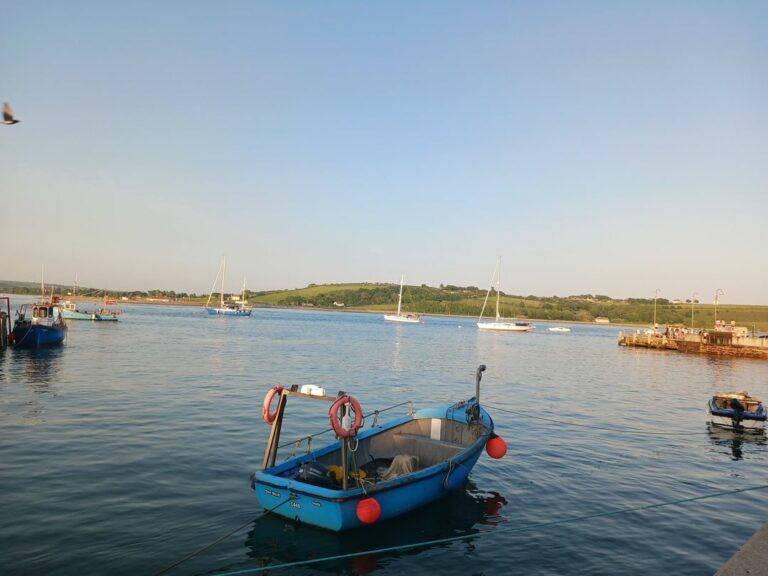
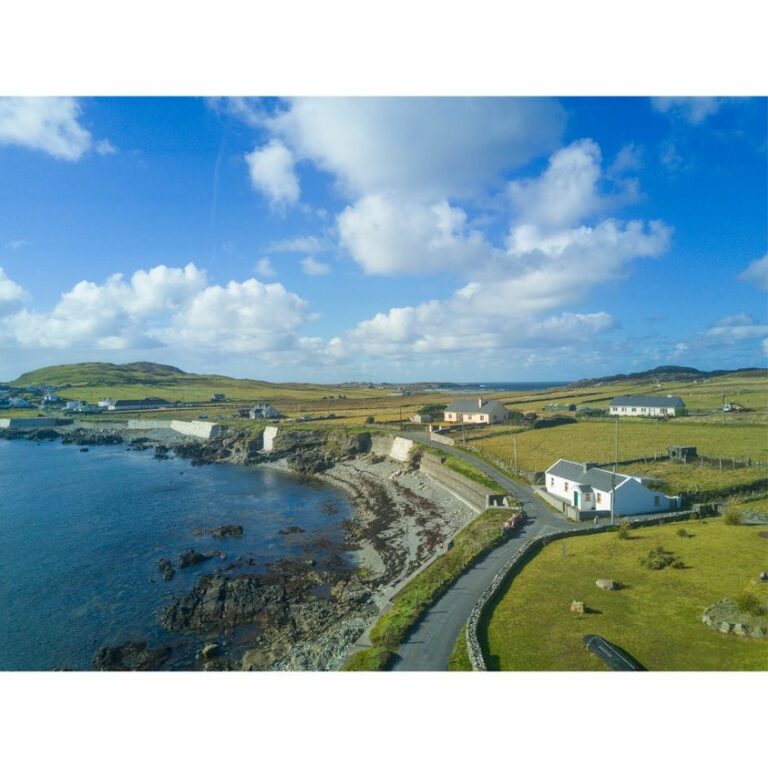
The ten-year national policy, entitled ‘Our Living Islands’, was launched by Minister for Rural and Community Development, Heather Humphreys in Arranmore Island, Co Donegal on Wednesday.

The document is the first whole-of-Government policy for the islands to be published in 27 years.

Máire Uí Mhaoláin, CEO of Comhar na nOileán, the Local Development Company for the inhabited offshore islands of Ireland, told Changing Ireland: “Comhar na nOileán and many islanders welcome the national islands policy. We feel that it is a good foundation on which much can now be achieved.

“Without going into the detail of the action plan, we especially welcome the formation of an interdepartmental group on which Minister Humphreys will sit as well as representatives from the islands.  This will allow many challenges to be addressed in real time.”

Ms Uí Mhaoláin added: “We believe that Minister Humphreys and her officers had a job of work to do to engage other departments in accepting that they also have a role to play with regard to the Irish islands. We commend them for that work.

“The policy and action plan is a living document and there will be challenges, but it is a significant development and the islands are now all the better for having a specific policy and action plan than heretofore.”

A scheme to boost the islands’ housing supply through the renovation of derelict and vacant buildings, as well as supports for remote working facilities on every island feature in the policy.

The document also contains a three-year action plan with 80 commitments focusing on improving housing and water infrastructure, access to essential services in health and education, delivering high speed broadband, supporting remote working and further developing outdoor amenities and sustainable tourism.

The policy was developed following an extensive consultation process with island communities and other stakeholders, taking into account their views on the challenges and opportunities associated with living on offshore islands.

Our Living Islands can be downloaded in full here


First national policy in 27 years aims to help islands thrive

The policy, entitled Our Living Islands, is the first whole-of-Government Policy for the islands to be published in 27 years.

A scheme to boost the islands’ housing supply through the renovation of derelict and vacant buildings, as well as supports for remote working facilities on every island feature in the policy.

The document also contains a three-year action plan with 80 commitments focusing on improving housing and water infrastructure, access to essential services in health and education, delivering high speed broadband, supporting remote working and further developing outdoor amenities and sustainable tourism.

The policy was developed following an extensive consultation process with island communities and other stakeholders, taking into account their views on the challenges and opportunities associated with living on islands.

Capital funding of €1.9 million across local authorities in Cork, Donegal, Galway, Mayo and Sligo was also approved today, as part of the first tranche of minor capital works on island infrastructure projects around the country.

Among the highlights of the Action Plan are:

  • Additional levels of support through the Government’s Property Refurbishment Grant Scheme Croí Cónaithe as part of a major effort to turn vacant or derelict buildings on islands into long-term homes. Under this measure, the existing grant ceilings will be increased by 20% in recognition of the additional costs involved in construction on offshore islands.
  • Vacant Home Officers will identify vacant and derelict properties on the islands
  • The Government’s forthcoming planning guidelines for rural housing will recognise the unique challenges that island communities face.
  • E-Health Pods will be piloted on offshore islands to give residents and families improved access to health appointments.
  • Supports will be provided to Remote Working Facilities on islands so that people can live and work within their own community.
  • The delivery of high-speed broadband to island-based schools, digital hubs and Broadband Connection Points (BCPs) to ensure a reliable connection to the internet for both education and remote working.
  • Supports for Outdoor Recreation Activities such as cycling and swimming, and expanding the Walks Scheme to more island projects.
  • Working with Partners and Government Agencies to increase job opportunities, including Apprenticeships on islands.
  • Investment in infrastructure such as piers and roads, and the completion of the upgrade of coast guard stations of units servicing islands
  • Support the development of Waste Management Plans for island communities.

Speaking at the policy launch on Arranmore Island, Co Donegal this morning, Minister Humphreys said: “It’s all about improving housing, better access to essential services in health and education, delivering high speed broadband, and further developing our outdoor amenities, which will in turn increase tourism and support sustainable island communities.

“It’s about ensuring our islands have proper infrastructure in terms of water, roads and piers. And it’s about supporting island communities to develop remote working facilities, ensuring people can live and work in their own community.”

The Minister continued: “As a result of delivering this policy, we will see more people living on the islands and more people working on our islands, with good career prospects, regardless of where their employer is headquartered.

“We will see islands contributing to, and benefiting from, the transition to a low-carbon economy and a climate-neutral society. And we will see our Island communities, and especially young people, having an active role in shaping the future for their own islands.”

Our Living Islands can be downloaded in full here

Minor Capital Works Programme 2023 – Tranche 1 approvals

Island Details of works Grant
Donegal Total grant to Donegal County Council €471,622
Árainn Mhór Resurfacing – Ring Road/Screig Link road €292,500
Árainn Mhór Resurfacing – Staca Mór Pier to Leadhb Gharbh €58,500
Árainn Mhór Surface Dressing Works €32,400
Árainn Mhór Playground safety works €16,222
Toraigh Playground safety works / boundary wall €72,000
Sligo Total grant to Sligo County Council €11,700
Coney Island Replacement of ramp to access beach from pier €5,400
Coney Island Replacement of existing pier guards/barriers €6,300
Mayo Total grant to Mayo County Council €207,000
Inishturk Road surfacing and drainage works €180,000
Inishturk Pier improvement Works – main pier €18,000
Inis Bigil Doran’s Point carpark improvement works €9,000
Galway Total grant to Galway County Council €806,474
Árainn (Inis Mór) Resurfacing – L-5200-115 Eoghanacht €298,464
Árainn (Inis Mór) Resurfacing – L-52008-0 Low Road €233,325
Árainn (Inis Mór) Resurfacing – L-5200 Cill Mhuirbhigh / Gort na gCapall €138,175
Árainn (Inis Mór) Resurfacing – L-5200-31 Cill Rónáin €90,610
Árainn (Inis Mór) Works at Cé Chill Mhuirbhigh €35,100
Inis Meáin Coin operated telescopes €6,300
Inis Oírr Railings for Lifeguard Safety & Hut improvements €4,500
Cork Total grant to Cork County Council €399,256
Bere Island Asphalt concrete surfacing and drainage improvement works prior to taking in charge – road adjacent to L8959-0 €122,000
Bere Island Asphalt concrete surfacing – L-49227-0 €94,500
Bere Island Asphalt concrete surfacing and drainage improvement works – L-49227-0 €54,000
Heir Island Installation of pontoon – East Pier €24,005
Sherkin Island Asphalt concrete surfacing – sections of L8202-0 and L4201-0 €46,665
Sherkin Island Asphalt concrete surfacing – sections of L8202-0 and L4201-0 €35,100
Sherkin Island Dock Pier slipway – concrete works / safety railings €22,986
Total Total grant funding approved across 5 counties €1,896,052


Islands face obstacles, but also never-before seen opportunities

IN PROFILE: MÁIRE UÍ MHAOLÁIN INIS OÍRR

Remote Working: Humphreys attends cabinet meeting by logging on from Bere Island

Islands embrace remote working – but need more hubs & houses

Humphreys: Draft islands policy by year’s end

Islanders film life on one of Ireland’s few Covid-free spots

Island projects seek some independence

Whole of Government approach needed to tackle poverty and social exclusion

CWI and EAPN Ireland reported that the key issues participants wanted heard at the Social Inclusion Forum (SIF) “are not new and are not unknown”.

“They have been stated and repeated in one guise or another at many of the SIFs and in other policy spaces.”

Nonetheless, Minister of State Joe O’Brien said that “really important conversations” take place at SIF.

“This event is crucial,” he said. “It allows us as politicians and the relevant officials to listen to the lived experiences of people and hear how policy directly impacts lives.”

He said it will help inform the government’s next budget.

The SIF is part of the Government’s structures to monitor and evaluate the State’s strategy to address poverty and achieve social inclusion for all.

Launched in 2020, The Roadmap to Social Inclusion 2020 – 2025 is the current national strategy, and the theme of Social Inclusion Forum 2023 was Revitalising the Roadmap: Progress and Priorities.

In advance of the Forum, Community Work Ireland (CWI) and the European Anti-Poverty Network (EAPN) Ireland hosted a series of workshops to identify issues of concern to people affected by poverty and the organisations working with them.

The workshops reflected the four themes of Social Inclusion Forum 2023: core essentials – the cost of living and income adequacy; social inclusion and children; social inclusion and older people; and expanding opportunities for employment.

              – Paul Ginnell, of the European Anti-Poverty Network (EAPN) Ireland addressing the Social Inclusion Forum

CWI and EAPN Ireland reported that the key issues participants wanted heard at the Social Inclusion Forum “are not new and are not unknown”.

“They have been stated and repeated in one guise or another at many of the SIFs and in other policy spaces.”

Nonetheless, Minister of State Joe O’Brien said that “really important conversations” take place at SIF.

“This event is crucial,” he said. “It allows us as politicians and the relevant officials to listen to the lived experiences of people and hear how policy directly impacts lives.”

He said it will help inform the government’s next budget.

Addressing the Forum, Paul Ginnell of the EAPN noted that emergency measures can be effective in the short term in tackling poverty, but in the long term, specific interventions are required. He also said that people on the ground stress that “there should be zero tolerance of child poverty”.

A report on the key messages for the Forum that were gathered during the workshops stated: “There should be a zero-tolerance policy for children and young people in poverty. There are significant, long-term impacts on the life chances of people that experience poverty and social exclusion as children. Addressing child poverty requires a whole of Government approach, with a focus beyond the immediate need in order to ensure long-term, sustainable goals.”

CWI and EAPN Ireland reported, “The legacy of Covid-19, current international events and unprecedented inflation have deepened the poverty and social exclusion experienced by many people and communities to levels that will be difficult to address without immediate, consistent intervention by the State.”

Addressing the Forum, Athlone-based community development worker Jeyald Antony suggested: “The recognition of qualifications for migrant workers needs to be drastically improved to avoid displacing talents and expertise.” He also called for recruitment quotas for people from marginalised communities.

Maura, another Forum attendee, pointed out that “while Ireland in economic terms is at full employment, many still can’t access work”.

Carol Baumann, CEO of the Irish Local Development Network offered some suggestions from the workshop on better opportunities for employment. She said jobs must be sustainable, and well paid. She also noted that transport issues posed a major barrier to employment, particular for people with disabilities.

Access to transport was described as ‘critical’ in terms of the Roadmap to Social Inclusion’s goal of expanding opportunities for employment.

Workshop participants reported that transport was “often inaccessible and expensive, making work pay more difficult”.

“The free travel pass is a joke,” remarked Ann Irwin of Community Work Ireland, reflecting the views of community representatives consulted in the pre-forum workshops.

During the workshops, another participant said of the free travel pass: “There is no transport to access. An allowance should be paid in lieu of the pass to those that live in rural areas and where there is no public transport.”

Tracey Noone, network development officer with Irish Rural Link attended the inclusion and older people workshop. She issued three recommendations to the Forum: Restore the spending power of the State pension to pre-2020 levels; remove barriers to digital exclusion; appoint a Commissioner for Older People to oversee policy, which should have a whole of Government approach.

On the theme of cost of living and income adequacy, one workshop participant spoke of being “appalled at the standard of accommodation” while carrying their Census enumerator role.

Another warned: “People are forced to choose between eating and heating – it is much worse than we actually thought, way beyond what we could even imagine.”

Minister Heather Humphreys opened the day’s proceedings, saying the forum was “an important event in the government’s diary” because it “allows for constructive engagement between government departments, people experiencing poverty and social exclusion, and the community and voluntary sector groups representing them.”

Commenting on the findings of the mid-term review, Minister Humphreys said:

“I welcome the commitment towards the delivery of the Roadmap ambitions and goals across Government, which is highlighted by the addition of new commitments assigned to nine departments, including my own. Government remains fully committed to the implementation of the Roadmap and the mid-term review will be used to realise its goals.”

Minister of State Joe O’Brien, said, after hearing about issues such as an overreliance on food banks, and a shortage of community workers: “I’m picking up on feelings of urgency, frustration, but also solidarity.”

The forum and research conducted in advance (all available for download from the Department of Social Protection’s website) examined homelessness, food poverty, fuel poverty, digital poverty, and access to healthcare as other challenges faced by households with inadequate incomes.

The report added: “Short term measures, such as the energy subsidies provided by the Government, are needed, but they are not sufficient to address the issues in the long term. More proactive approaches and whole of Government work is needed to effectively address the underlying and root causes of poverty and social exclusion. It was also felt that Government should put more efforts into targeting supports. Regulation of energy prices is urgently required, and schemes to retrofit houses needs to be fast-tracked.”

Separate to the main mid-term report you can also download the Department’s December 2022 Report on Stakeholder Consultation which was conducted as part of the overall review at:

For yet more, see here.

New report shows slight increase in number of Travellers sitting Leaving Certificate

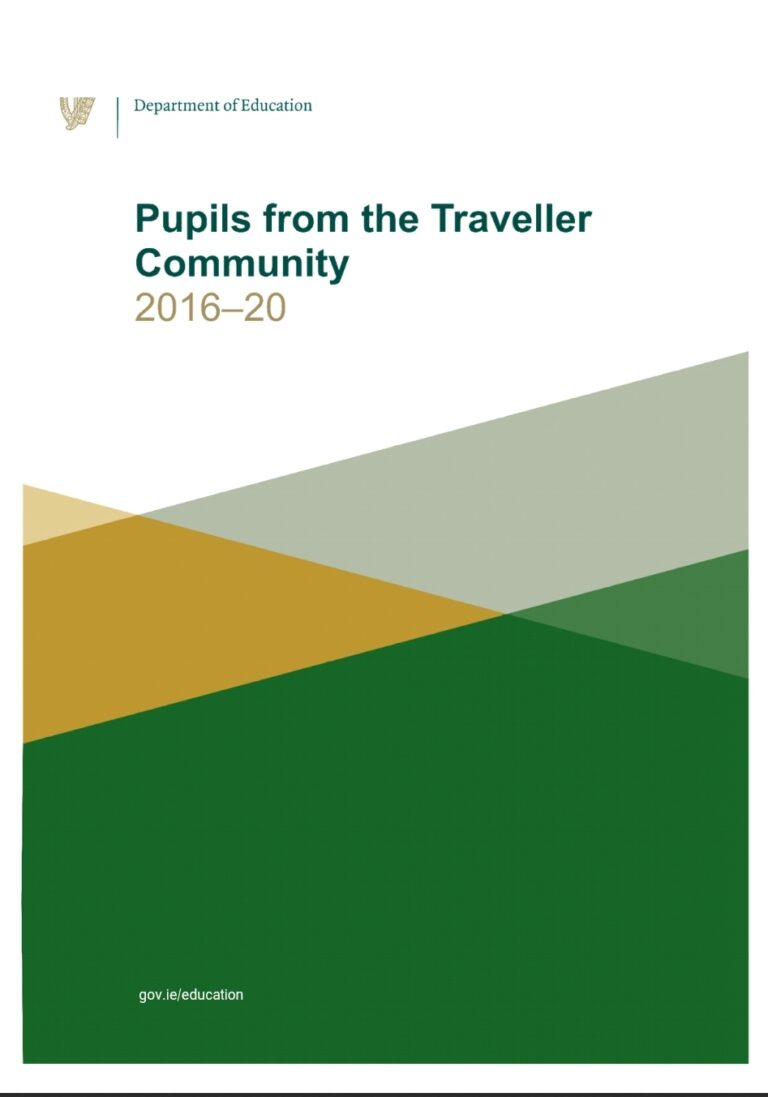
The Department of Education report, entitled ‘Pupils from the Traveller Community 2016 – 2020’ is the second publication related to statistics of pupils who are members of the Traveller community in mainstream classes.

The figures show that in primary schools, the number of Traveller pupils nationwide increased from 7,965 in 2016-17 to 8,148 for the 2020-21 academic year.

The report also noted that Traveller pupils consistently attended primary schools with DEIS status in more significant numbers than non-DEIS schools.

For the academic year 2020-21, 4,234 Traveller pupils attended schools with DEIS status compared to 3,914 in non-DEIS status schools.

The report stated: “These enrolments are uneven compared to all pupils in mainstream classes, with 80.5% attending non-DEIS status schools and only 19.5% attending DEIS schools. During the analysis period, Traveller primary students are 2.5 times more likely to benefit from the supports available under the DEIS Programme relative to their peers.”

With regard to post-primary education, the highest number of Traveller pupils in post-primary schools was recorded for the 2020-21 academic year, at 3,292.

The highest number of Traveller pupils (412) participating in the Leaving Certificate programme was also recorded for the 2020-21 academic year.

The retention rate for Traveller pupils to the Leaving Certificate from the cohort that began first year in secondary school in 2015 was 27.1%, up from 23% for the 2011-2015 cohort.

“Since the 2013-14 academic year, Traveller pupil enrolments in post-primary schools have climbed steadily from 2,563 to 3,292. The growth represents the highest number of Traveller pupils in post-primary schools since ethnicity has been recorded on P-POD (the Post-Primary Online Database),” said the report.

The figures also showed a steady increase in progression and retention rates in the Junior Cycle, with increasing percentages of students sitting the Junior Certificate.

The report stated: “Of those who entered post-primary school in 2011, 61.6% completed the Junior Certificate examination. The retention rate for the Junior Certificate for the 2014 cohort was 69.3%. For the 2015 cohort, 90% of Travellers progressed to third year, with 69% sitting the Junior Certificate examination.”

Pavee Point welcomed the publication of the report and said: “Data, and in particular disaggregated data on the basis of ethnicity, is essential for ethnic equality monitoring, which can help create conditions for Traveller equality in education access, participation and outcomes at all levels.”

However the organisation warned that given the end dates for certain categories “the well-reported negative outcomes of COVID for Travellers in relation to education are not included”.

Pavee Point also noted that the figures “indicate continued low levels of Traveller retention to Leaving Certificate compared to the national average”.

“This highlights the urgent need for the development, resourcing and implementation of the National Traveller Education Strategy as promised in the current Programme for Government. Urgent action is particularly needed at first and second levels.”

To read the full report, click here: Pupils from the Traveller Community 2016 – 2020.