Thursday, July 2, 2026
Home Blog Page 2

€4m investment in rural social enterprise through new PEACEPLUS project

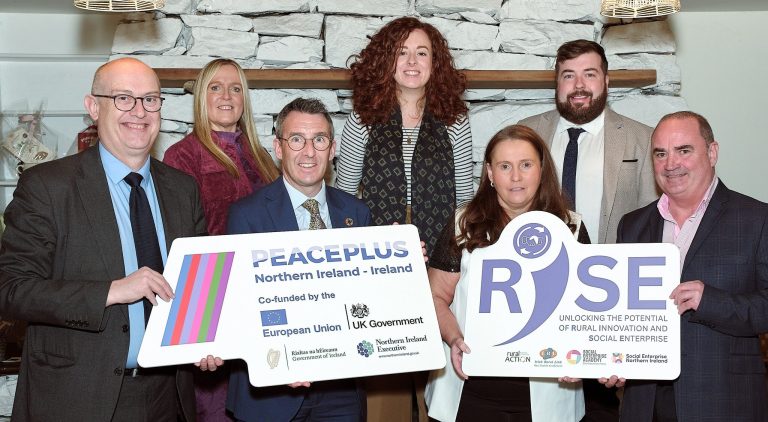
RiSE is supported by PEACEPLUS, a programme managed by the Special EU Programmes Body (SEUPB). It aims to strengthen rural communities by providing training, networking opportunities, and practical support to help organisations enhance sustainability, expand income generation, and increase access to vital community services.

SEUPB chief executive Gina McIntyre said, “By investing in developing approaches to social enterprise and innovation, we are helping communities work together across borders and traditions, creating opportunities that build trust and future economic opportunities. Projects like RiSE are vital to peacebuilding because they turn shared challenges into shared solutions, with cooperation and inclusion at the heart of community life.”

She noted that, “Significant developments have been made in the provision of collaborative cross-border services in recent years, providing equality of opportunity for citizens in rural areas.”

Through networking, events, and activities, RiSE will encourage and facilitate collaboration between rural communities on a cross-border and cross-community basis. Participating groups and organisations will benefit from shared learning and tailored training designed to maximise income generation, strengthen long term sustainability, and widen access to essential community services. A dedicated element of the project will also focus on inspiring the next generation of social entrepreneurs through a programme of youth-focused training and collaboration.

Ministers welcome RiSE project

The Minister for Rural and Community Development and the Gaeltacht, Dara Calleary, and Minister of State with Responsibility for Community Development and Charities, Jerry Buttimer, welcomed the announcement.
Minister Calleary congratulated everyone involved in creating the RiSE project.

“I am happy that my Department of Rural and Community Development and the Gaeltacht (DRCDG), working with the Special EU Programmes Body and the Department of Agriculture, Environment and Rural Affairs in Northern Ireland, will continue to provide assistance for this remarkable project. This project will bring lasting advantages to the area”.

Minister Buttimer said, “This important financing will enhance the availability of communal areas and services in rural locations. Planned investment will empower communities to flourish and achieve their complete economic, social, and environmental capabilities”.

Minister of Agriculture, Environment and Rural Affairs, Andrew Muir, said: “I am delighted that my Department, along with DRCDG and SEUPB, is providing funding to the RiSE project, which will strengthen rural social enterprise and build on a connected, collaborative cross border community.”

He said the project will “support new social enterprise initiatives and provide opportunities for young people to design and lead meaningful social action.”

Includes young people aged 14-25

The project brings together a multi-stakeholder partnership comprising of Rural Action which will lead the project along with Irish Rural Link, Scotland Social Enterprise Academy and Social Enterprise NI (SENI) – with Community Finance Ireland as an associate partner. Rural Action was formed in 2019 as a regional delivery organisation with a focus on supporting grassroots communities.
Speaking at the launch, Rural Action’s chief executive Teresa Canavan said the RiSE programme brings together three strands: Social Enterprise Leadership and Development, Making it Happen (which focuses on turning ideas into action and offering practical support and guidance), and Youth Social Enterprise, aimed at supporting people aged 14–25.

More information

Further information is available at ruralaction.co as well as on the websites of all programme partners.
Kerry Social Farming going strong, seeks more farmers

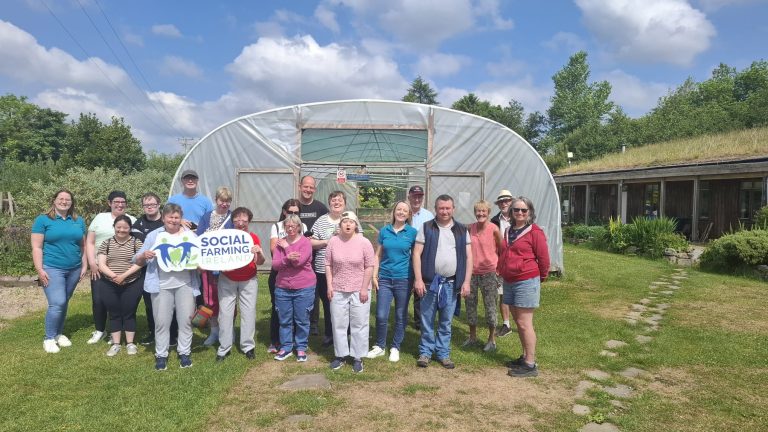
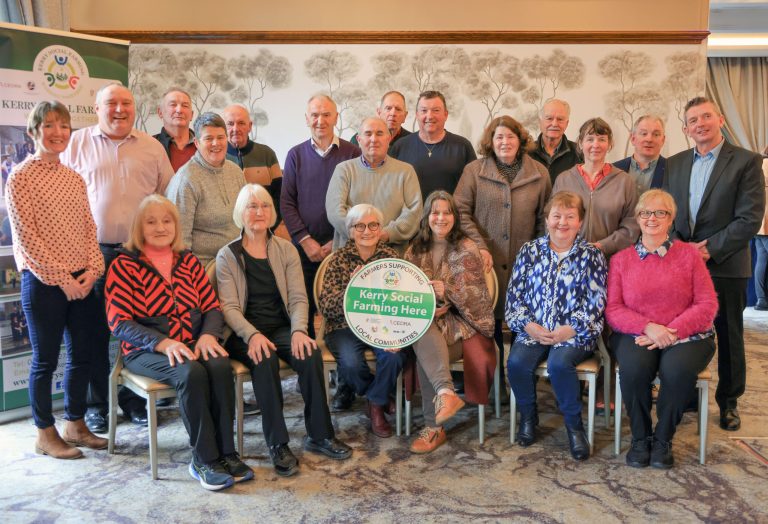
Over 70 participants and 40 farms are now active in Kerry Social Farming (KSF) with five new host farmers joining last year.

Éamon Horgan, a host farmer from Kilgarvan, speaking at the organisation’s AGM, said that there are many people in Kerry waiting for a chance to go social farming and he urged other farmers to come forward and volunteer.

Since 2013, Kerry Social Farming has operated a voluntary model of social farming. It provides meaningful weekly working farm visits for people with disabilities and those accessing mental health services and the impact on participants has long been recognised as beneficial.

Over 90 people attended the AGM, held in Killarney, showing the interest in the county in social farming. The attendees included host farmers, participants and their families, service provider agencies, project partners and representatives of social farming projects.

At the AGM, social farming participants Pat O’Connor, Tracy McCarthy, Antoinette O’Sullivan, Seamus McCarthy and Tim Heffernan shared their social farming stories.

Other speakers included Marie Carr (outreach manager, Kerry Parents and Friends Association), Brenda McNamara (a manager of day services with St John of God) and Patrice O’Neill (HSE day service opportunities co-ordinator).

Peter Johnston, assistant principal officer with the Department of Agriculture, Food and Marine also attended, as did Noel Spillane, CEO of South Kerry Development Partnership. Their respective organisations are supportive of KSF’s voluntary and collaborative work.

Last year, almost 2,500 days of social farming were held in Kerry.

For more information visit: www.kerrysocialfarming.ie

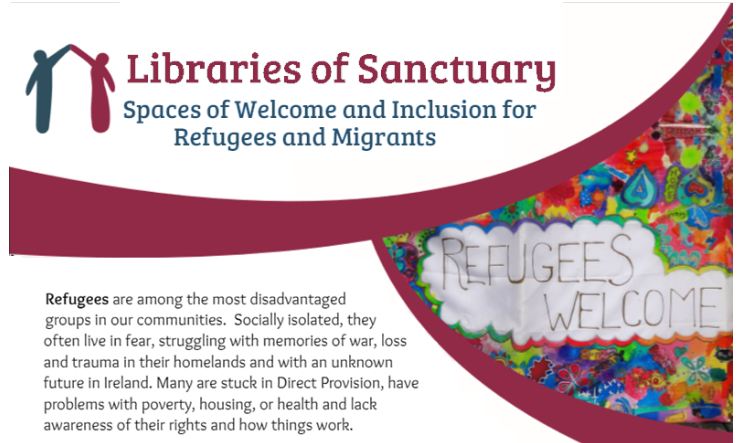
Ireland now has 25 “Libraries of Sanctuary”

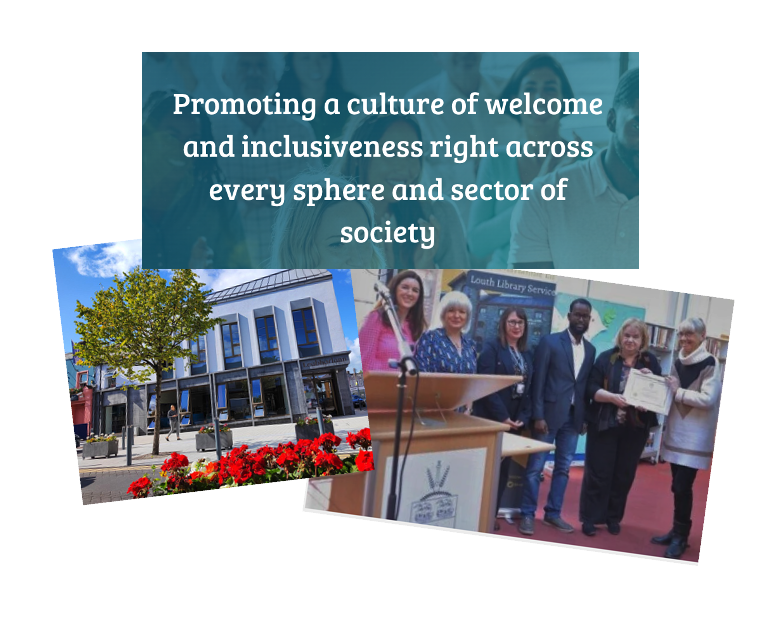
Many libraries have included offering solidarity with refugees in their action plans. Portlaoise Library was the first to become a library of sanctuary, followed by:

  • Louth County Libraries (5 libraries)
  • Westmeath County Libraries (5 libraries)
  • Wicklow Libraries (13 libraries)
  • Plus libraries in Offaly and Fingal.

An organisation called Places of Sanctuary Ireland provides support. Pointing to examples from around the country it says that many libraries “have responded proactively and creatively to the arrival of refugees and migrants.”

As a library user in Dundalk, a teacher who came from Zimbabwe, said:

“When I moved to Dundalk with my children, the library soon become our safe haven. We received a hearty welcome and felt such a sense of belonging, it was a wonderful way to start integrating in Dundalk.”

The east coast has seen major population growth. For example, the population of Drogheda and Dundalk combined is 139,000 people with 19% of its residents born outside Ireland.

For more information on Places of Sanctuary, including libraries, visit: posi.ie

Co-op model is “a good fit” to really care for our older people

By Caroline Crowley and Carol Power

The rise in this age-group has already outpaced the rise in the workforce. Over 5,000 older people who are approved for home care are waiting for care workers.

As care work in Ireland is increasingly outsourced to the for-profit sector, price competition drives a “race to the bottom” of precarious contracts and poor terms and conditions for workers.

With the older population growing and care workers exiting the sector, family care becomes even more essential. Addressing these challenges calls for joined-up thinking.

  • It also raises questions such as:
  • How can a more effective care system be developed?
  • How can a system that fails to value and reward care workers survive?

How can families support older members while trying to make ends meet in an economy driven by individualism, competition and extraction?

Wellbeing needs

Our wellbeing depends on our needs being met throughout life and that happens through care.

Long taken-for-granted by a “distorted economy”, care is a gift that flows through relationships with loved ones in households, unpaid volunteers in communities, and nature herself. The great unravelling of the social and natural fabric on which the economy (and life) depends reflects the existential risk of such care blindness.

Research findings

Care co-operatives are organisations based on values of self-help, democracy, equity and solidarity and their business model focuses on people, not profit, combining quality care with fulfilling work. To raise awareness and stimulate discussion, a UCC project called CO-AGE, funded by Research Ireland, examined this social model of care.

The research sought to answer the question: “Do care co-operatives have a role to play in meeting future care needs?”
In support of the CO-AGE research, the Great Care Co-op in Dublin and Equal Care Co-op in Yorkshire, England, shared details about their work with the UCC researchers.

Then, CO-AGE explored the approach of these co-operatives with older people, family carers, care workers, and managers.

Care co-operatives

The research found that re-imagining an integrated and resilient care system in Ireland calls for designing a more holistic continuum of care – one centred on a social care approach. The co-operative model fits with this vision as care co-ops do not have to maximise profits for external shareholders. Instead, surpluses are re-invested in their mission and members. Since care co-ops are embedded in communities, this enriches local areas too.

But the co-operative may be compromised if it must conform with existing care systems. Also, social innovators attracted by this model may be dissuaded by its unfamiliarity or cumbersome regulations.

The CO-AGE project highlighted the need for a supportive ecosystem to champion care co-ops by raising awareness and securing funding, along with training members and workers.

Such an ecosystem will depend on the State showing care by developing the legislation, regulation, funding and contracts needed to weave a tapestry of community-led care co-ops across Ireland. In that regard, Sláintecare’s new HSE health regions and the Commission on Care for Older People offer timely opportunities.

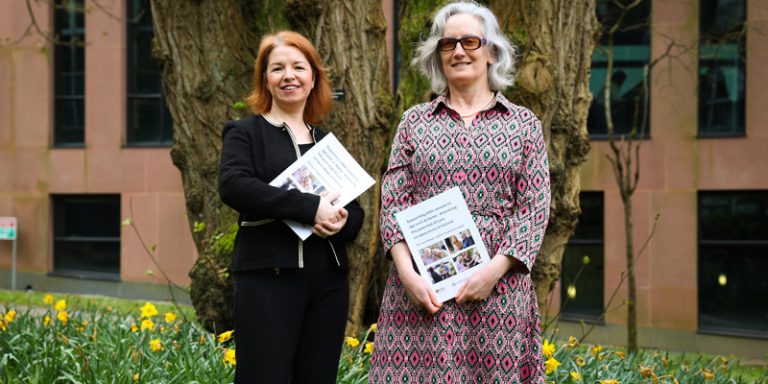
You can freely download the report (138 pages) here: https://bit.ly/UCC-CO-AGE-CareCoops

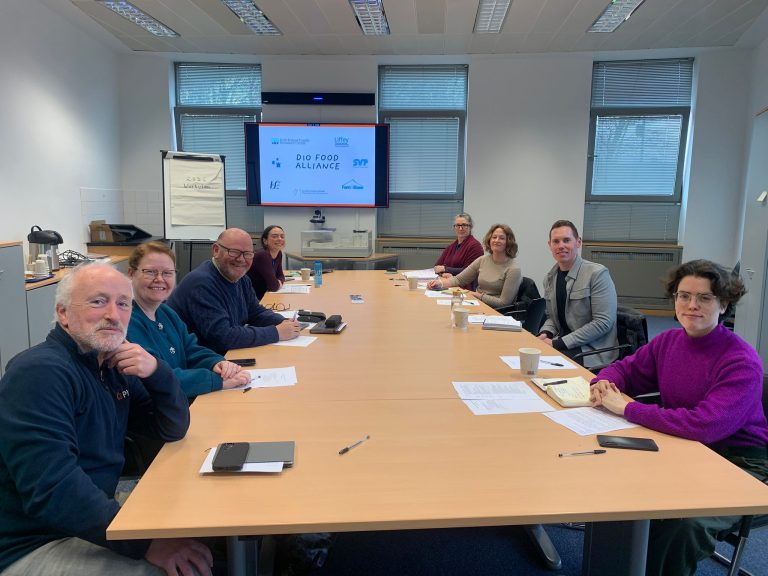
Shocking data led to Dublin 10 Food Alliance

The Alliance brings together key stakeholders “to combat systemic food insecurity by creating a vibrant and sustainable food system in the area”.

The cross-sector partnership includes formidable partners – Liffey Partnership, Dublin City Council, the HSE, the Department of Social Protection, the Society of Saint Vincent de Paul, FamiliBase, Ballyfermot Family Resource Centre and local councillors, Ray Cunningham and Daithi Doolan.

Drawing inspiration from progressive Scandinavian and European models, the alliance is launching several initiatives designed to empower the community.

These include:
• Collective Advocacy: Using local data to drive change in national health and social welfare policy.

• An Open Community Kitchen: A hub for cooking clubs and community dinners to foster shared connection through food.

• Not-for-Profit Meal Kits: Helping people with access issues to cook fresh, varied dinners at home.

• Co-ordinating Local Services: Bolstering local services and installing new free fridges, freezers and dry pantries to make healthy food more accessible.

• A Co-operative Community Shop: An affordable, community-owned grocery shop with high-quality produce.

As Lauren Corbet said after the launch, “You can’t make good choices without good options.”

Lauren is employed as community food and nutrition worker by Liffey Partnership and she believes that it is “fundamentally wrong” that fresh, nutritious food is often considered a privilege in Ireland. “We believe in the power of food to bring people together, so our mission is to fight for income equality, build a healthful, dignified food environment, and end the isolation of food poverty by creating warm, inclusive spaces, where everyone has a seat at the table,” she said.

This new initiative does not yet have an online presence and can easily be confused with another “Food Alliance” also based in Dublin but operated by a private company to reward customer loyalty.

For more information email Lauren directly at: lcorbet@liffeypartnership.ie

Record-setting Limerick jockeys and equine students receive awards

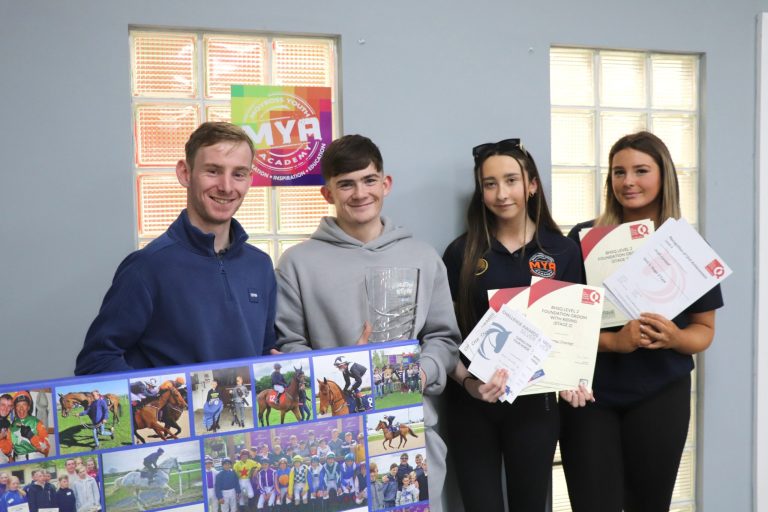
Jockeys Wesley Joyce and Terry Casey and showjumpers Aoife Leonard and Emma Downey were honoured by staff and supporters at a ceremony on Monday, March 23, for their achievements.

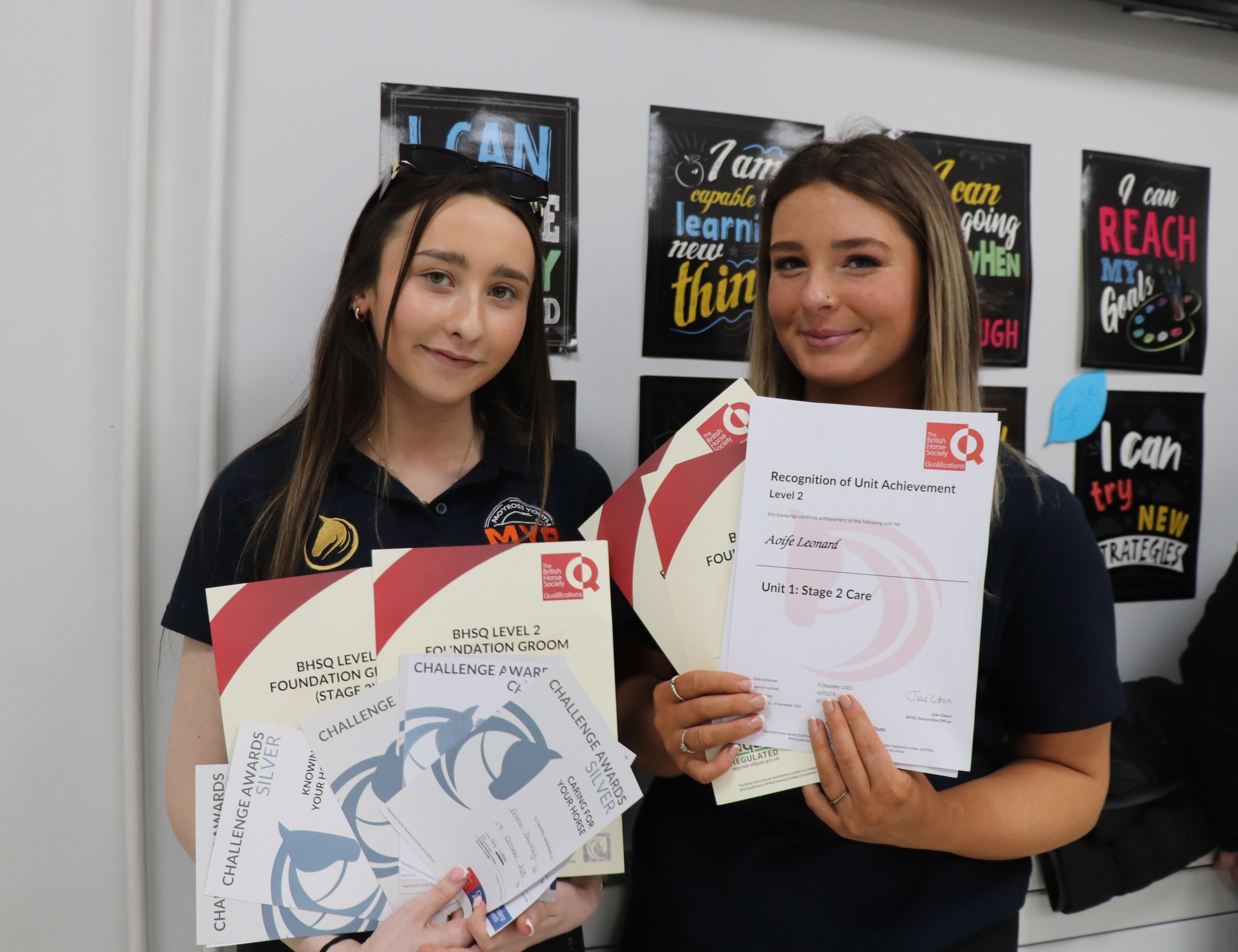
Wesley’s winning ways in the saddle are well known, Terry has three wins to his credit, while Aoife and Emma recently achieved their British Horse Society (BHS) Stage 2 certificates. They are among the youngest candidates ever to sit the BHS exams.

• Emma Downey and Aoife Leonard.

Aoife is 16 years old and lives in Cosgrove Park, Moyross, and Emma, also 16, lives in Meelick. Both received support on their journeys from MYA and Clonshire Equestrian Centre. Having earned the internationally recognised BHS qualification, they can now find employment in the industry and they are already working to progress onto the next BHS award level.

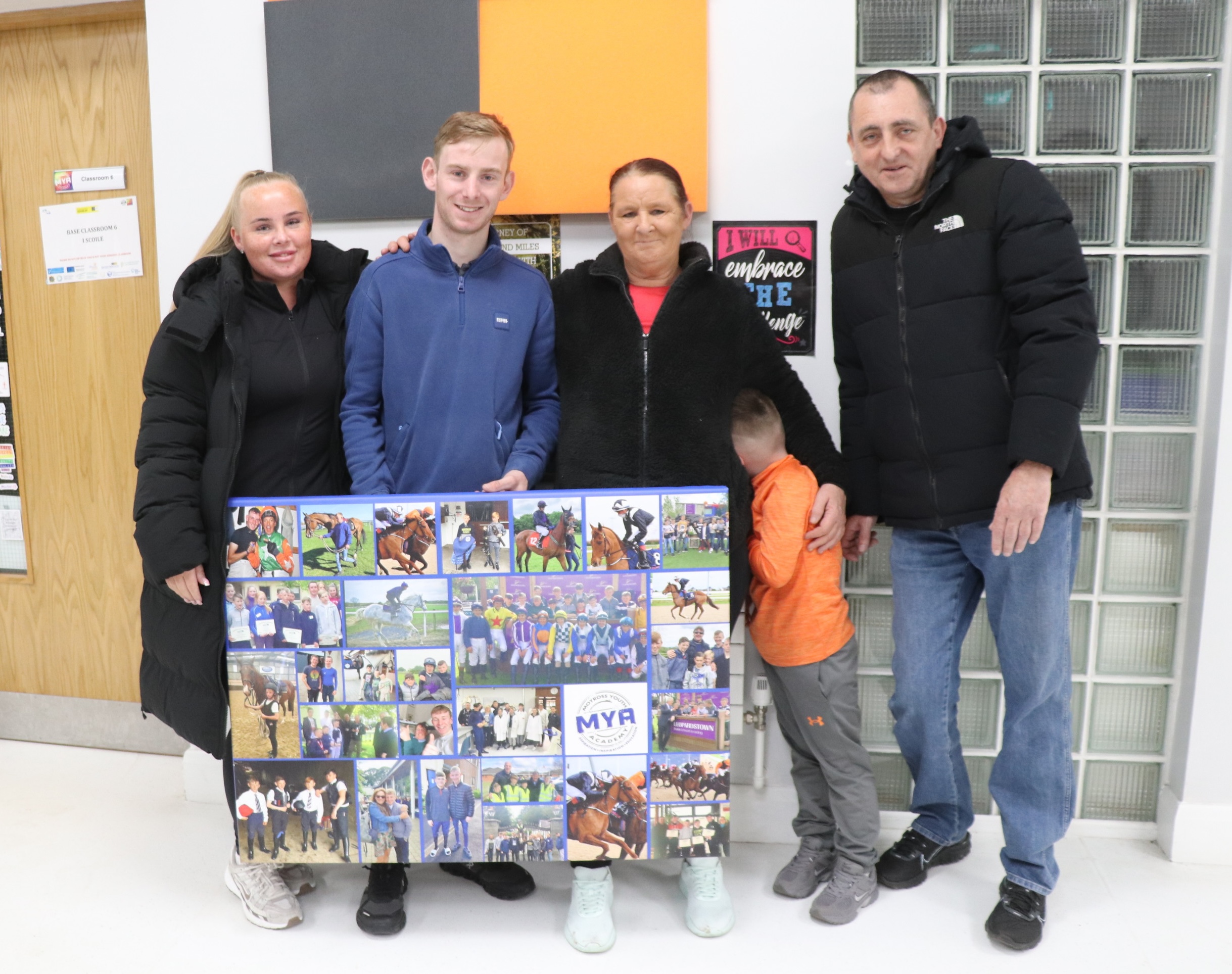
• Wesley Joyce and family.

Wesley is hugely admired nationally for his winning ways, his determination, and his courage in overcoming great adversity.

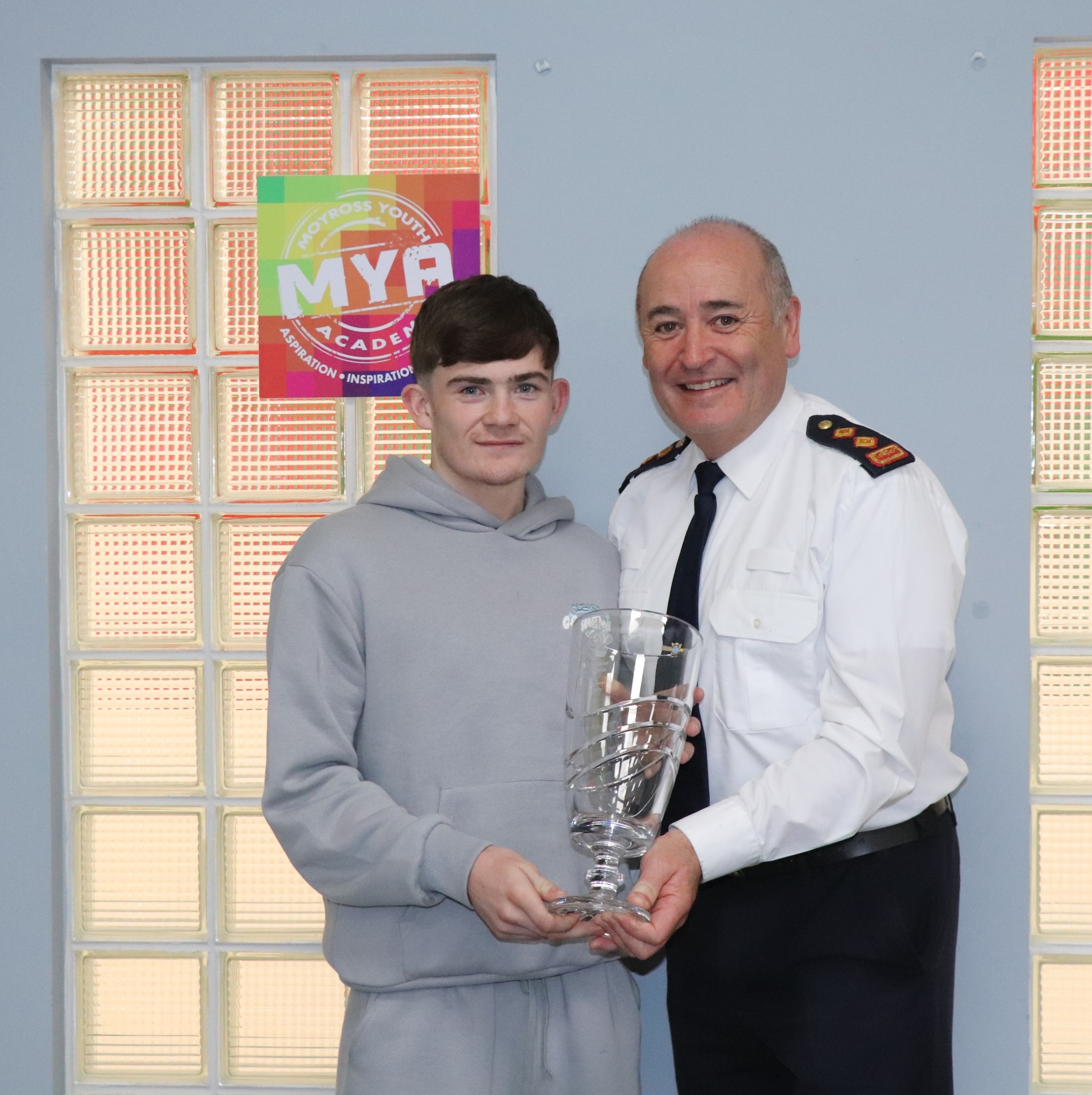
Terry Casey from Southill has three race wins to his name. He won a Limerick Divisional Garda Youth Award in 2025 and went on to receive the National Award just before Christmas – which was officially presented to him at the ceremony in MYA by Chief Supt. Derek Smart.

• Terry Casey is presented with his trophy by Chief Superintendent Derek Smart.

Both Terry and Wesley received support from MYA in their youth and Aoife and Emma continue to receive support and encouragement. All the awardees were accompanied by family members for the special occasion.

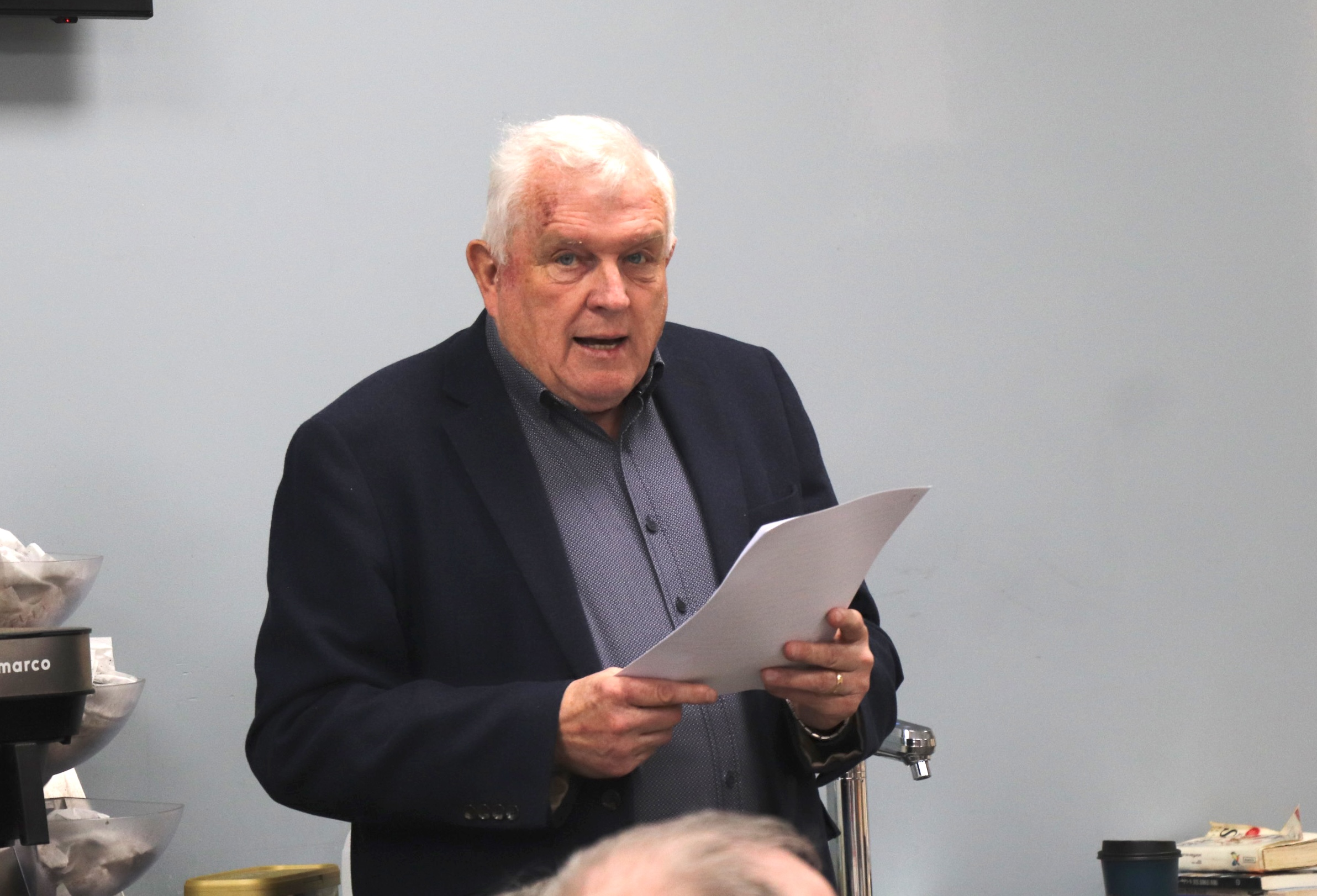
• Donal Fitzgibbon, chairperson of MYA’s Equine Committee.

Donal Fitzgibbon, chairperson of MYA’s Equine Committee, paid tribute to the young people and staff involved in the Academy’s Equine Programme.

Addressing Aoife and Emma, he said, “Our hope is that they continue to progress to instructor level and come back and work for us in the roll-out of the programme.”

He congratulated Terry on his wins and awards saying that he “continues to inspire young people across the city.”

Speaking of Wesley he said, “To be in contention for the National Apprentice Award two years running is a significant achievement for any person. To succeed at such a high level is an inspiration for all our young people on the equine programme.

“The programme has gone from one primary school in 2007 to now having fourteen schools across the city involved. There are approximately 100 young people involved with the current programme, both in school and out at the stables in Clare Equestrian Centre and Clonshire Equestrian Centre,” he said.

He also paid tribute to funders including the Department of Agriculture, Food and the Marine, Limerick City and County Council Regeneration Programme and Moyross Youth Diversion Project.

“I want to be a jockey like Wesley”

Ace jockey Cathy Gannon has advice for aspiring jockeys from Limerick

3 people who had life-changing experiences with Moyross Youth Academy

Is new Youth Academy proof Moyross has turned a corner?

Take 5! Men’s Sheds modelling, talking, flying, walking & fund-raising

Longford shedders visit Brussels

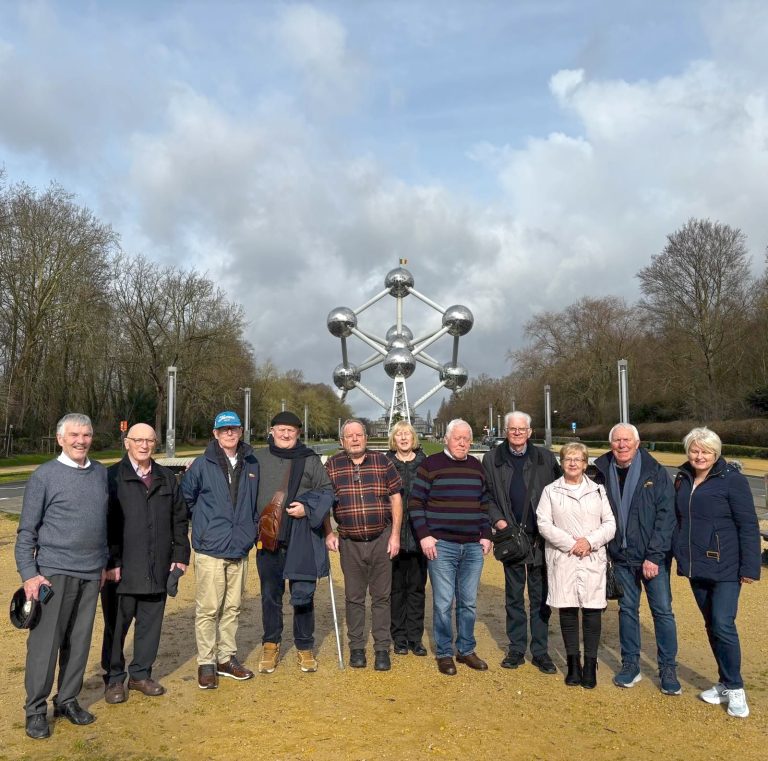
Members of the Drumlish-Ballinamuck Men’s and Ladies Sheds in Co. Longford made a trip to Brussels in February. It was facilitated by MEP Ciaran Mullooly. Among the highlights they identified were a visit to the European Parliament and they also witnessed a speech by President Zelensky calling for more support from EU countries.

Kells Men seek €60k

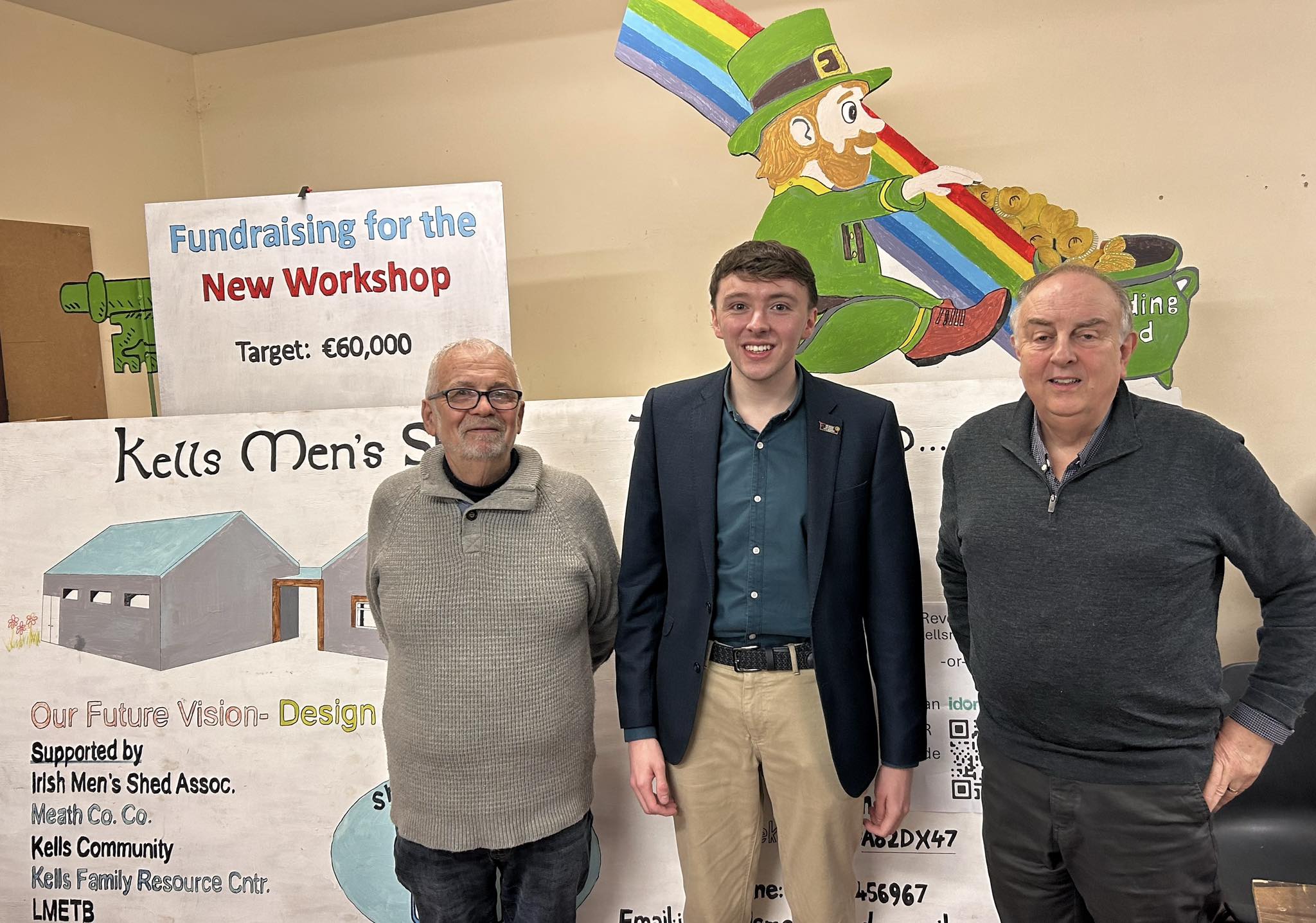
• Kells Men’s Shed seek to raise €60k

Kells Men’s Shed has launched an iDonate page with an aim of raising €60,000 by the end of the year so it can develop its own permanent premises. It has already been given planning permission by Meath County Council to place two large, purpose-fitted buildings on a piece of land that will be leased to it by Meath County Council.

Naas Women and Men get fit

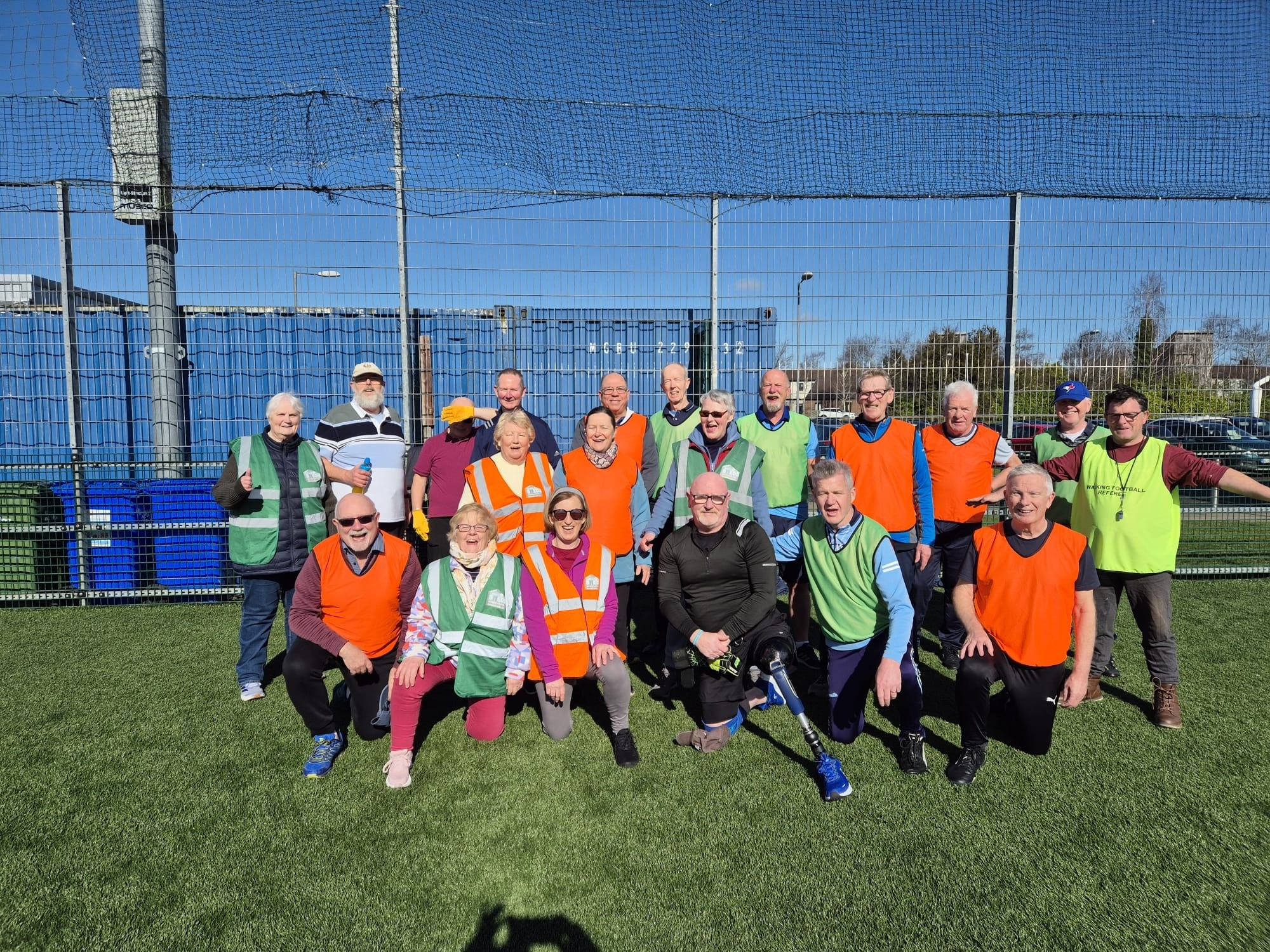
• The Naas Women’s and Men’s Shed Walking Football Teams in training.

Naas Men’s Shed has been offering lots of exercise options to its members.
They have combined with other local groups for mixed walking football games to get fit for the Kildare Sports Partnership Mixed Football Blitz. In addition to that a number of members completed a six-week Swim Ireland beginners’ course.

Northside model

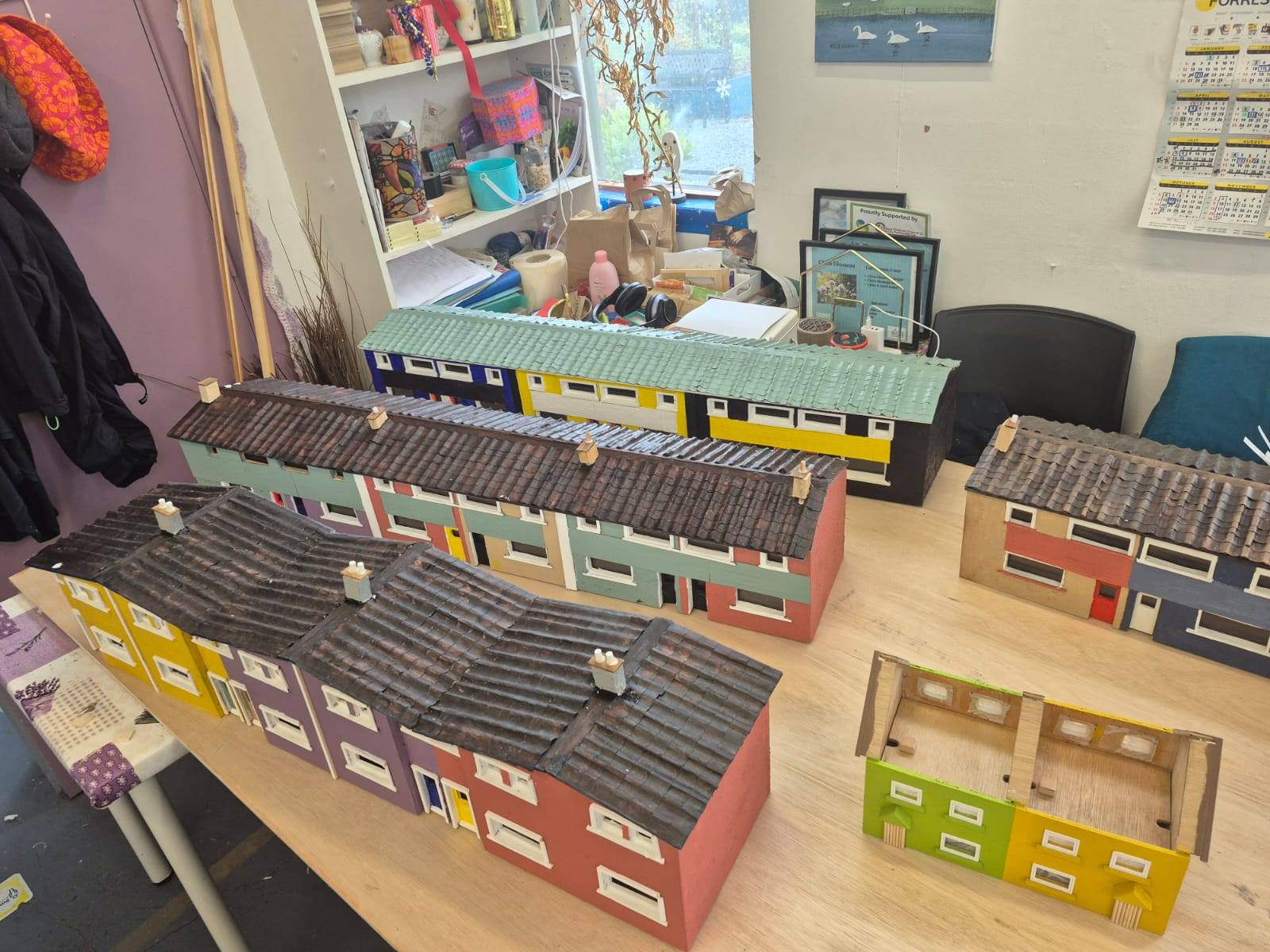
• Look at this fantastic modelling work by members of Knocknaheeny-Hollyhill Men’s Shed.

The Hollyhill Express is a 40ft long Northside Village model created by Knocknaheeny/Hollyhill Men’s Shed in partnership with the NICHE Health Project.

The stunning display captures the heart of the place in fantastic detail, from St Mary’s on the Hill to the colourful terraces that characterise the area and other local landmarks. It has been put on display at local locations.

Clon Men ag labhairt Gaeilge

• Clonakilty Men’s Shed members meet for Cúpla Focal in O’Donovan’s Hotel, Clonakilty.

There is a growing enthusiasm for casual opportunities to use Irish and Clonakilty Men’s Shed are playing their part in meeting the demand. It has established what it calls its Cúpla Focal group, which meets in the front bar of O’Donovan’s Hotel for an hour each Tuesday.

Most parents unaware boxing is open to kids with additional needs

“What happened was I was in England with an international schoolboy team. I met a man over there from Bristol, he had a gym where the weigh-ins were being done. He was helping people with dementia and I had the idea that I’d love to help additional needs children,” says Paddy.

He is a father of two himself, neither of whom have additional needs, but all the impetus for High Five came from him.

“I had to get it passed by the IABA (Irish Athletic Boxing Association) because it’s a boxing academy. I went to some of the Central Council people, I gave them the programme and they backed me. I was asked what I was going to call it. The Special Olympics were on at the time, and all the guys and girls were giving high fives, and I just thought ‘High Five’.”

He says that parents of children with additional needs generally haven’t realised that boxing is an avenue open to them, but that once they arrive the sport seems to offer greater benefits than others.

“It’s not about contact; it’s about kids doing boxing techniques, hitting the bag, skipping, doing games. We have gone into many schools doing the programme and teachers have told us that for motor skills and behavioural skills, it’s one of the best things,” he says.

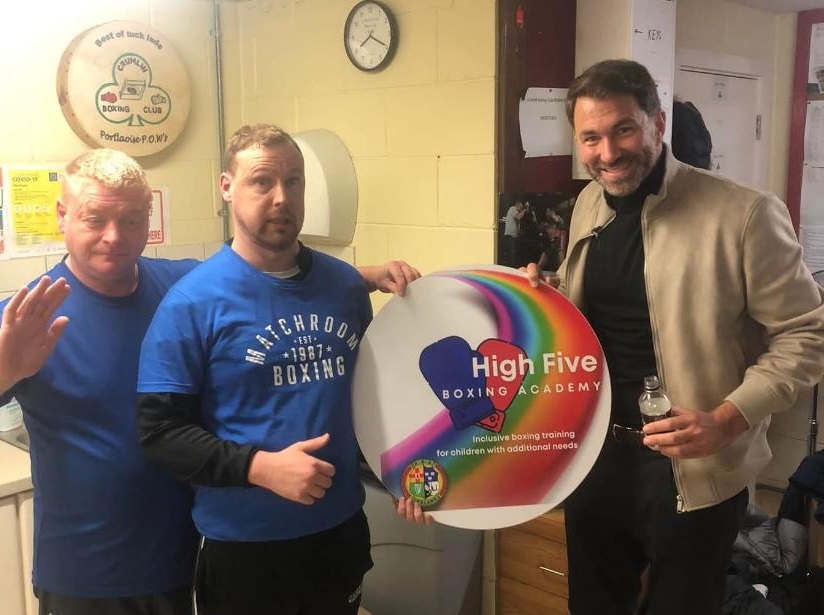
• Paddy Dingle, a participant and famous boxing promoter Eddie Hearn.

“I don’t want to put down the other sports; great sports like rugby and GAA and soccer do additional needs, but they reckon that for some reason the boxing seems to help these children quicker than the other sports. I don’t know why, it might be the one-to-one contact, but there is some reason for it.”
It also provides a role for young people who do not have additional needs themselves, and aids their personal development also.

“We have a kind of a buddy system, children around 16 or 17 who give a dig out and they’re learning life skills too. Some of them will be parents in years to come, they may have children with additional needs. It’s all to do with people volunteering, although you have to be vetted and do a course, you can’t just come in and start tomorrow.”

Become coaches themselves

In time he wants to provide an opportunity, for those that are able, to do a little bit of coaching themselves, and bring the programme onto more children with special needs.

“Some of them, you could hire them, let them have their first job and they could go into schools and act as coaches to other kids with additional needs. The parents would see their child with additional needs going into a boxing academy, and all of a sudden they’re in a role like an instructor, going around teaching children with additional needs,” he said.

Volunteers can make this grow

Each group that takes part in High Five is a little bit different, he has found.

“Every class is different. You are dealing with all different types of children on the spectrum, and you have to cater for all kinds of needs. Some children wouldn’t like touching, some would have to wear earphones, have a sanctuary room, things like that. It’s a project that can grow across the country, all it needs is volunteers and I have to say hats off to every person who gives their time to it across the country. It’s about the children and their parents at the end of the day.”

Parents also benefit

He likes meeting the mothers and fathers of the children, and feels it offers them some benefits also.

“You start developing a rapport with the parents too, they’re there when the classes are taking place. It’s breathing space for them, some of them have very hard stories, they can’t sleep at night with children jumping around and breaking up stuff. It’s just amazing, the boxing sort of quietens them down, and that’s what it’s all about.”

The magic of sport

One of the great joys of coaching at any level in any sport is seeing people make progress, and that’s something Paddy loves about High Five.

“You see the benefits it is having for those children. They are making friends with other children that probably would never have made friends before. They become little buddies, they form their own little group.
“You can have a really scared child coming in, they walk into a boxing club, don’t know what they’re walking into, see boxing rings, see boxers, see kids they don’t know. In four or five weeks they’re all playing together and joining in together.

“That’s the magic of it, they can’t wait to come again the following week.”

More information

More information on High Five Boxing Academy is available on: https://www.facebook.com/p/High-Five-Boxing-Academy-100076023435200/

Or visit: boxingireland.ie (formerly known as the Irish Amateur Boxing Association – it rebranded in January).

Social Farming Ireland now 10 years old and has just expanded

0

The conference will be officially opened by Minister for Agriculture, Food, Fisheries and the Marine, Martin Heydon. It will bring together supporters of social farming from across the country to share experiences and celebrate a decade of the network’s work and and it will look at the impacts, outcomes and the future of social farming.

You can click this link to register: https://www.eventbrite.ie/e/social-farming-ireland-national-conference-2026-tickets-1984957145255?aff=oddtdtcreator

Over the past decade, the network has grown from seven social farms in 2017 to 159 today. Last year, its social farmers provided more than 10,300 placement days, supporting participants across a wide range of health, social care, and community settings.

Last year, SFI was awarded a tender worth €900,000 over four years to expand on its work.

“This recognition reflects our long-standing commitment to supporting social farming and we look forward to continuing to grow the network, building meaningful opportunities, and supporting inclusion and wellbeing across Ireland,” it said at the time.

SFI’s funding had remained the same since 2016 while the project had grown exponentially, but now it has been able to take on new staff.

“With this increased level of funding we have brought on board four new team members who will help us to enhance and develop the Network further. We now have two development managers – one North and one South who will be developing the commissioning of placements, a new regional co-ordinator in the South and a new finance administrator to support the National team. We are excited as we now look forward to taking the Social Farming Ireland Network to the next level,” it said.

SFI is based in Drumshanbo. Co. Leitrim and is led by Leitrim Development Company. It is funded by the Department of Agriculture, Food and the Marine.

Of interest, SFI is currently involved in an Erasmus project to explore how social farming and organic gardening can support social integration, wellbeing and empowerment for people with diverse abilities and backgrounds.

For more information visit:
socialfarmingireland.ie/

It’s a start! An apprenticeship for non-profit administrators

0

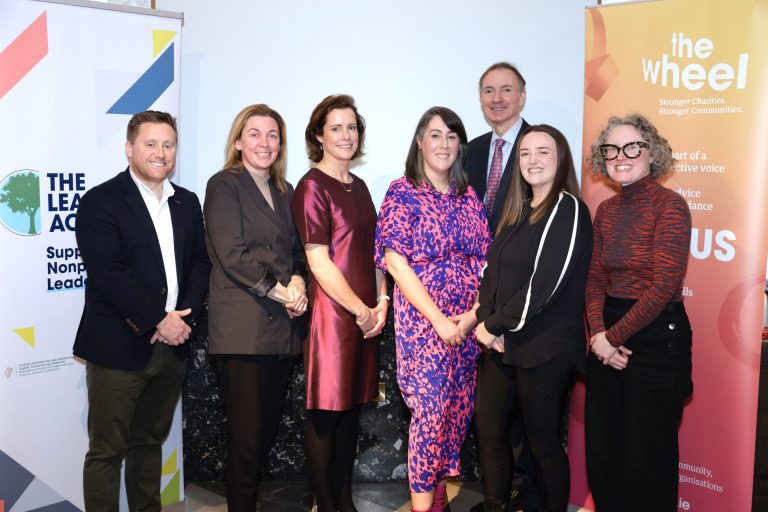
The Wheel, the country’s main association for non-profit organisations, has signed a Memorandum of Understanding confirming Technological University Dublin as the official education partner in an application to the National Apprenticeship Office for a Level 6 (National Framework of Qualifications – NQI) apprenticeship. The working title of the apprenticeship is Nonprofit Administrator.

There is still a long way to go; approval for the apprenticeship programme has yet to be granted, but the ball is rolling.

The apprenticeship will introduce participants to topics that all organisations in the community and voluntary sector recognise and need, including: governance, the community and voluntary sector landscape, fundraising, event and volunteer management and more.

The course will be designed with community and voluntary sector approaches in mind – for example, trauma-informed practice, social value and person-centred care.

Mairead O’Connor, senior sector skills policy manager with The Wheel, said that her colleague Sharon Hughes had come up with the idea after conversations with a number of organisations.

“Sharon was talking to CEOs and other people working in the sector over the course of a year or two. She knew about the apprenticeship model and how it was used in other sectors,” said Mairead.

“She had a kind of a light bulb moment, if you like, and saw that it would address a lot of the issues she was hearing about from employers in the sector. We brought it to our members, put it in front of them at a meeting in January of 2025. We kind of got the green light at that meeting, and we went from there with it,” she said.

Benefits

One of the benefits of an apprenticeship is that apprentices continue to earn throughout their training, offering an accessibility advantage over more academic programmes.

“It will be delivered by our educational partner the Technological University Dublin and their partners around the country. The idea is that it would provide a unique pathway into the sector for people. It’s an earn and learn model. You don’t have to go off and spend a number of years in education, you are working and learning at the same time,” said Mairead.

Progression

The apprenticeship programme would potentially give opportunities for progression to people who already have a foothold in the sector.

“Talking to employers, that’s something they are very keen on. There are people already working in the sector, a lot of whom might have valuable lived experience. They may come in as service users initially and they join the workforce in the sector. They mightn’t have had the opportunity to go into education, there might have been barriers,” said Mairead.

“This is a way for them to upskill without having to take time off work and to create pathways for them as well. The idea is this would be a starting off point on a learning journey; it’s a level six but we would hope that down the line there would be level sevens and level eights and that people could continue their (educational) journey,” she said.

The apprenticeship will also be a gateway for people to enter the sector for the first time.

It’s no secret that the community sector has experienced labour shortages since the pandemic. Many of the organisations that are backing the development of apprenticeships see it as a means that could help them address such issues in years to come.

“We know that over the last few years we have heard a lot from our members about recruitment and retention being a really big issue. It’s definitely an issue. And if you can give opportunities for people who are already in the sector, already working in your organisation, upskill them and give them opportunities for progression, that’s the ideal scenario. That’s how you keep people really, through learning opportunities and the apprenticeship is ideal for that,” said Mairead.

Possible 2027 start

At the moment she says it isn’t possible to say how many apprenticeships could be offered, but the picture should become clearer in 2026. If everything goes well the first apprentices could be in training in 18 months or so. As Mairead said, “What we’re hoping is to get through the initial application this year, probably the earliest intake would be September 2027, all going well. We are working towards that and we do hope to do an awful lot of the heavy lifting this year.”

16 employers to date sign up

As of March 2026 there were 16 members of the consortium who intend as employers to offer the apprenticeship when all is ready to go. They are:

  • Novas
  • Community Enterprise Association of Ireland
  • Daughters of Charity Child and Family Service
  • North Dublin Inner City Home Care and Home Help Services
  • Longford Women’s Link
  • Carmichael
  • Exchange House
  • P.A.C.E. (Prevention, Accommodation, Community, Enterprise)
  • Irish Traveller Movement
  • Business in the Community
  • Threshold
  • Airfield Estate
  • St. John of God Community Services
  • Foróige, the national youth development organisation
  • WALK
  • DePaul

The Great Care Co-op is making carers more visible

“Historically it was always seen as work that was done by women, but that’s not supposed to be paid for. We just see them as doing very low work, but it’s essential work as Covid has shown us,” she says.

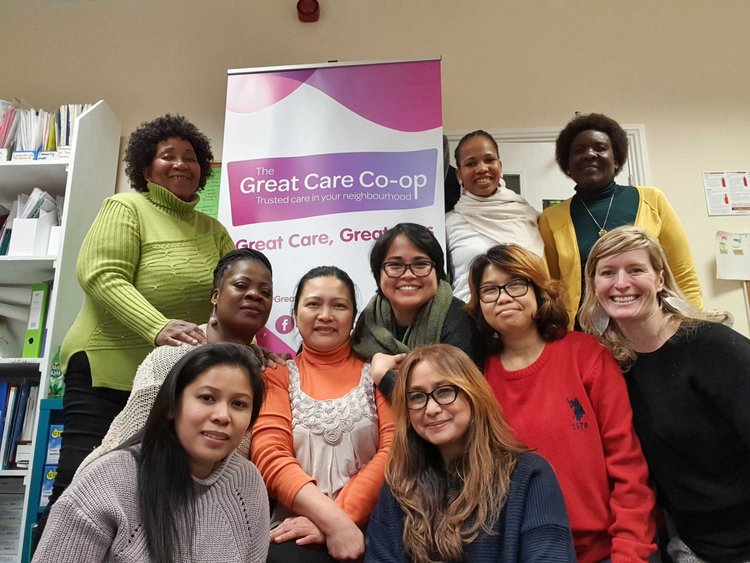
The Great Care Co-op, based in Dun Laoghaire, was founded in 2017 as a response to those in the sector not being valued. It is a non-profit social enterprise that describes its mission as being “To provide great care and great jobs”.

“After many years of a group of us campaigning for better working conditions for domestic workers, for carers, we felt that there were still so many issues, so we thought that maybe we should set something up which could be an example of an ideal workplace.

“And also something that could provide great care in a way that has not really been seen before,” says Mariaam.

• Mariaam-Bhatti.

Initially there was no financial backing, just idealism, but a lot of progress has been made since, both for workers and those receiving care.

“We started with no funding, with just a big idea and were motivated by wanting to see a better world. We got funding from Rethink Ireland, under the equality banner and it has made a huge difference.

“Instead of carers running across the county from Finglas to Dun Laoghaire to provide 30 minutes of care, how about we set up hubs where people can work locally and they can be paid well, get benefits such as pensions; sustainable jobs basically.”

Since the start the goal has been to provide very good care and very good employment. “We care about positive ageing, sustainable societies. We also care about workers being able to progress in accessing decent work,” says Mariaam.

The Dormant Accounts Fund Annual Report 2024 praised the model pursued by The Great Care Co-op, which it said is good for carers and those receiving care:

“GCC’s model brings carers into leadership and decision-making roles. It reinvests all profits in employee pay, pensions, and training, which directly improves the quality of elderly care. The co-operative’s innovative governance model ensures that care workers participate in key decision-making processes, instilling a sense of ownership and accountability that is rare in the sector,” stated the report.

“This ultimately means that a much higher level of care is delivered to those people who use its services.

“GCC delivers a localised service that gives greater continuity of care to service users while also delivering greater job satisfaction for the care workers.

“Altogether this enhances the quality of care delivered, a circular model that is beautifully simple and effective.

“By reinvesting in its employees and prioritizing a worker-led approach, GCC is proving that ethical employment practices result in better quality care and improved working conditions for those in the sector,” the report concluded.

At the moment there are 43 people working in The Great Care Co-op. Everyone starts off as an employee, but after six months they transition to being a worker/owner of the co-operative.

Currently it serves the Dublin South and Bray areas, but there are ambitions to scale it up to serve a far larger section of the country.
While there is nothing similar to it in Ireland, it is modelled on a similar co-operative in the Bronx, and a social enterprise in existence in the Netherlands.

• Watch out for Great Care Co-op teams of carers around their hubs in Bray, Shankill, Dalkey, Dun Laoghaire, Blackrock and Dublin 4.

Anyone looking for a carer can contact The Great Care Co-Op directly via phone or email, while it is also accredited to provide HSE-funded care.

The ESRI recently predicted that the number of long-term residential care beds and home support hours needed by the older population will increase by at least 60% within 15 years, meaning the type of services provided by The Great Care Co-op will be in more and more demand.

W: thegreatcarecoop.ie

Of interest, the Dormant Accounts Fund annual report for 2024 details how expenditure on Dormant Accounts measures over the year amounted to €44.8 million across 12 government departments. It is available at:

https://assets.gov.ie/static/documents/Appendix_3_DAF_Annual_Report_2024.pdf


All 26 winners of this year’s community and council awards named

0

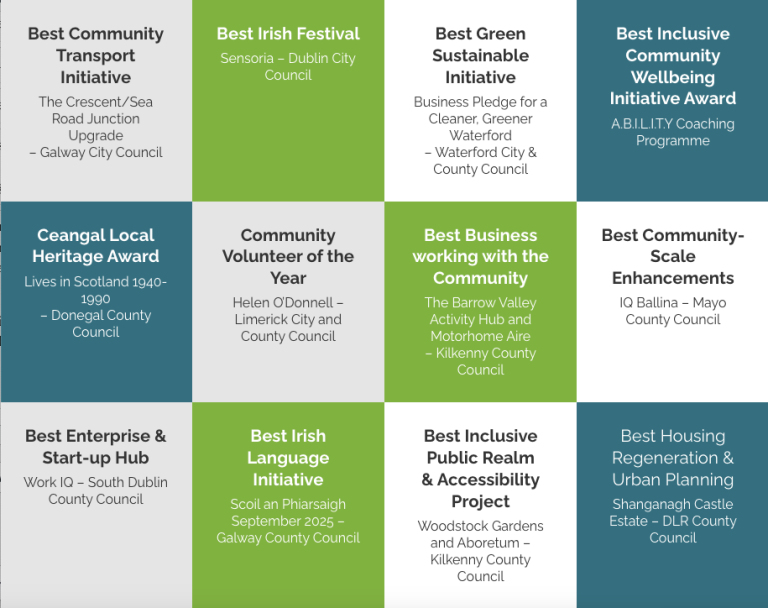
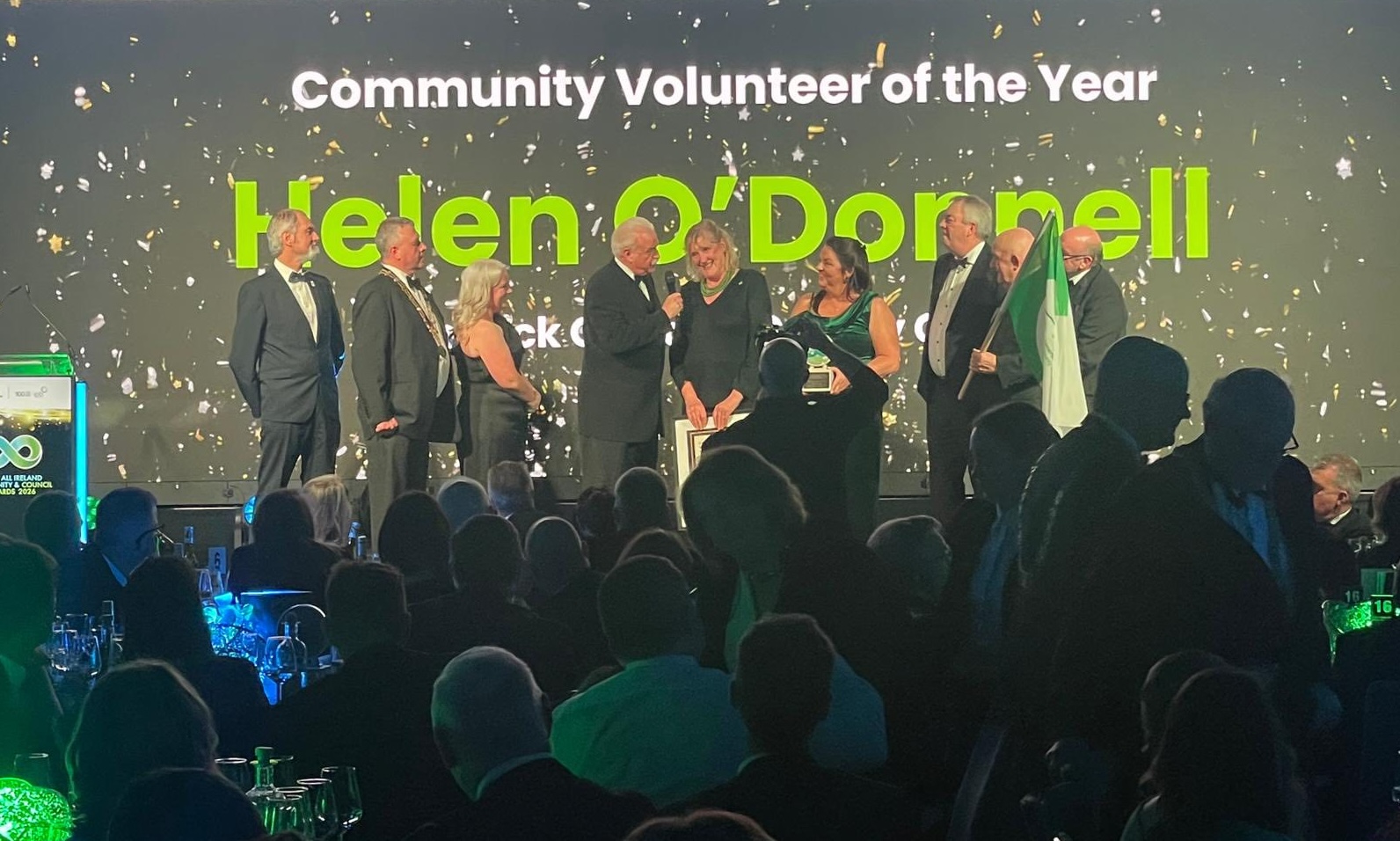
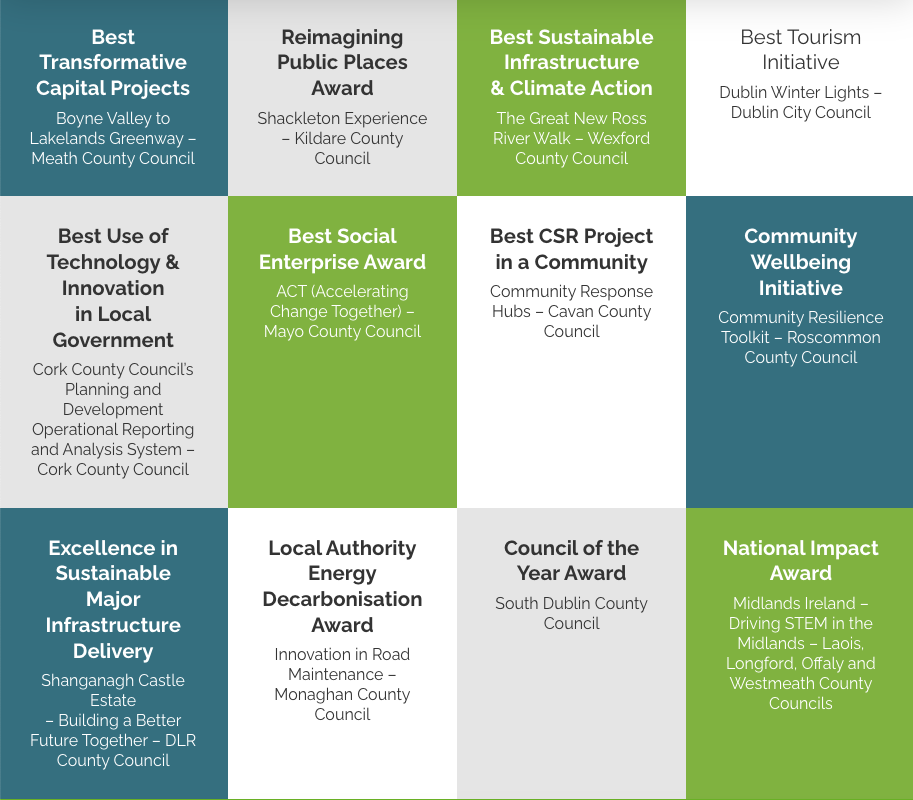
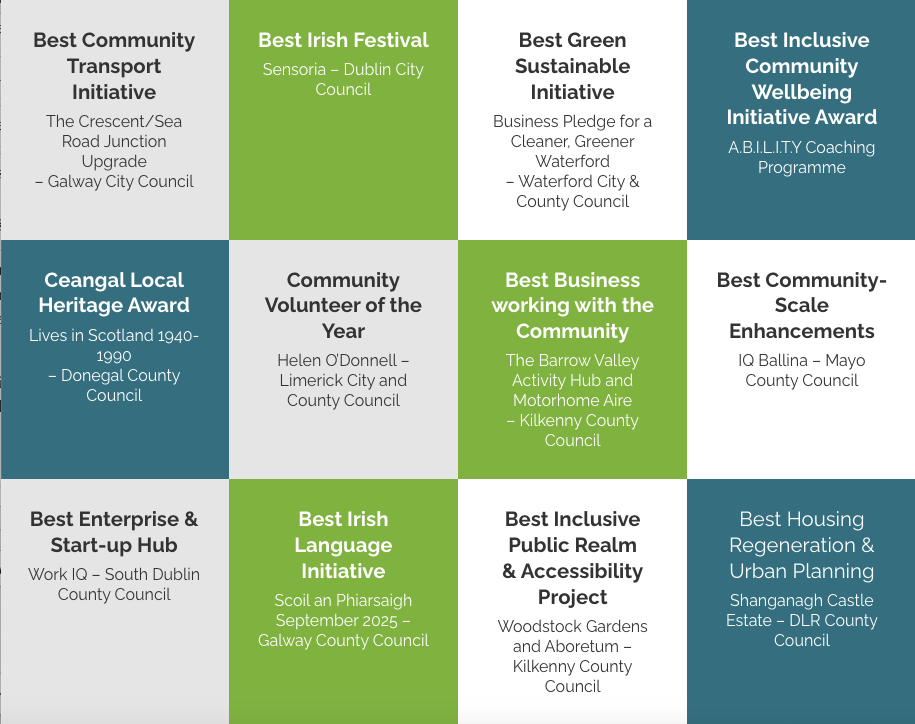
Helen and 25 others were among the winners at the Community and Council Awards 2026 held in Dublin on February 28. Helen had been nominated by Limerick City and County Council for her leadership and service to community development and environmental action over many years.

The awards, now in their 20th year, are organised by the Local Authorities Members Association, to recognise exceptional local authority projects, partnerships, and community champions.

Councillors nominate people and projects for the awards and, this year, the organisers received 533 nominations and shortlisted 137 entries across 26 categories.

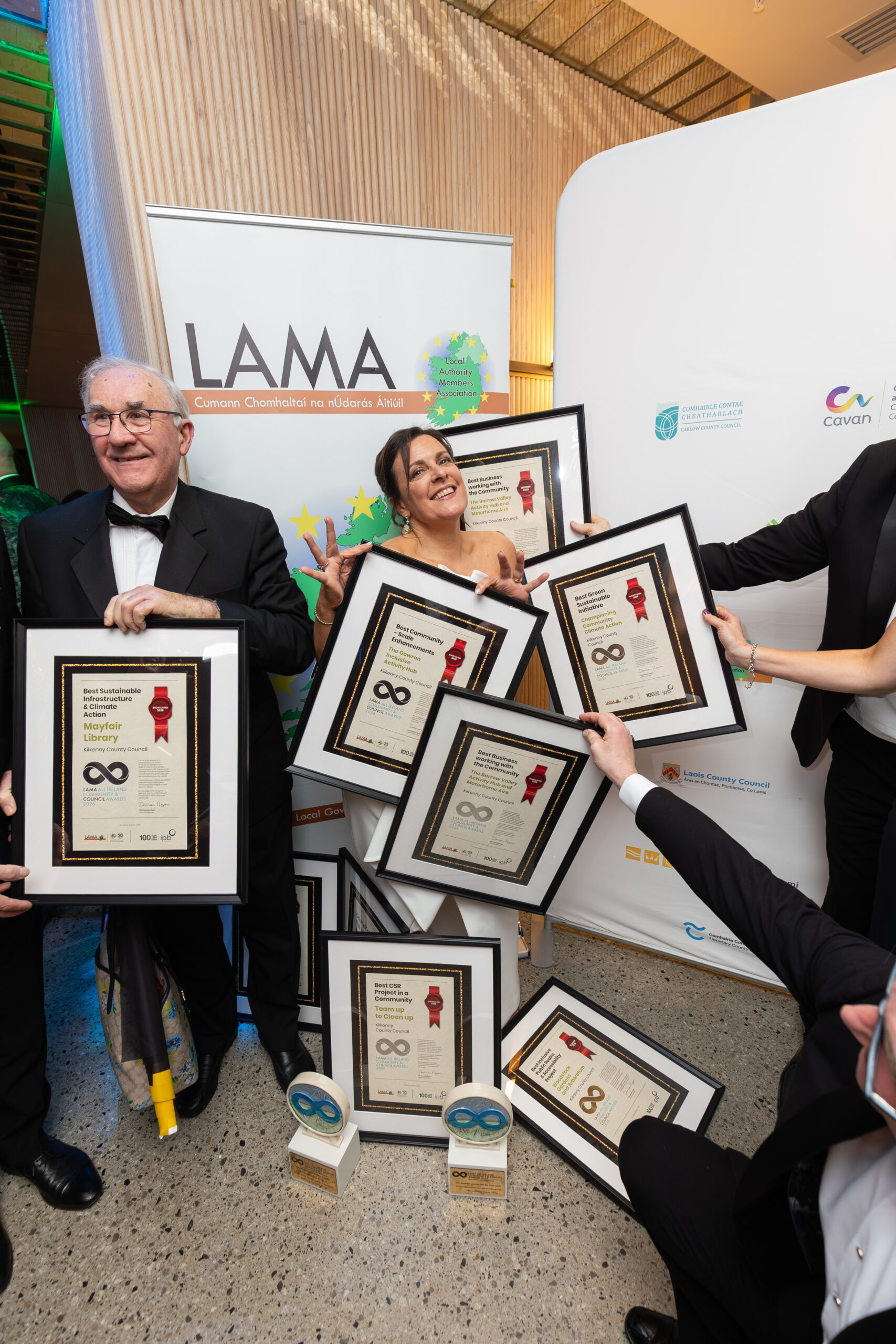
• Kilkenny County Council won two main awards and were shortlisted in at least four other categories.

“The people and projects recognised tonight reflect the resilience, creativity, and volunteer spirit that strengthen local democracy and improve quality of life for people nationwide,” said John Hogan, Chairman of IPB Insurance, the awards’ long term sponsor and partner.

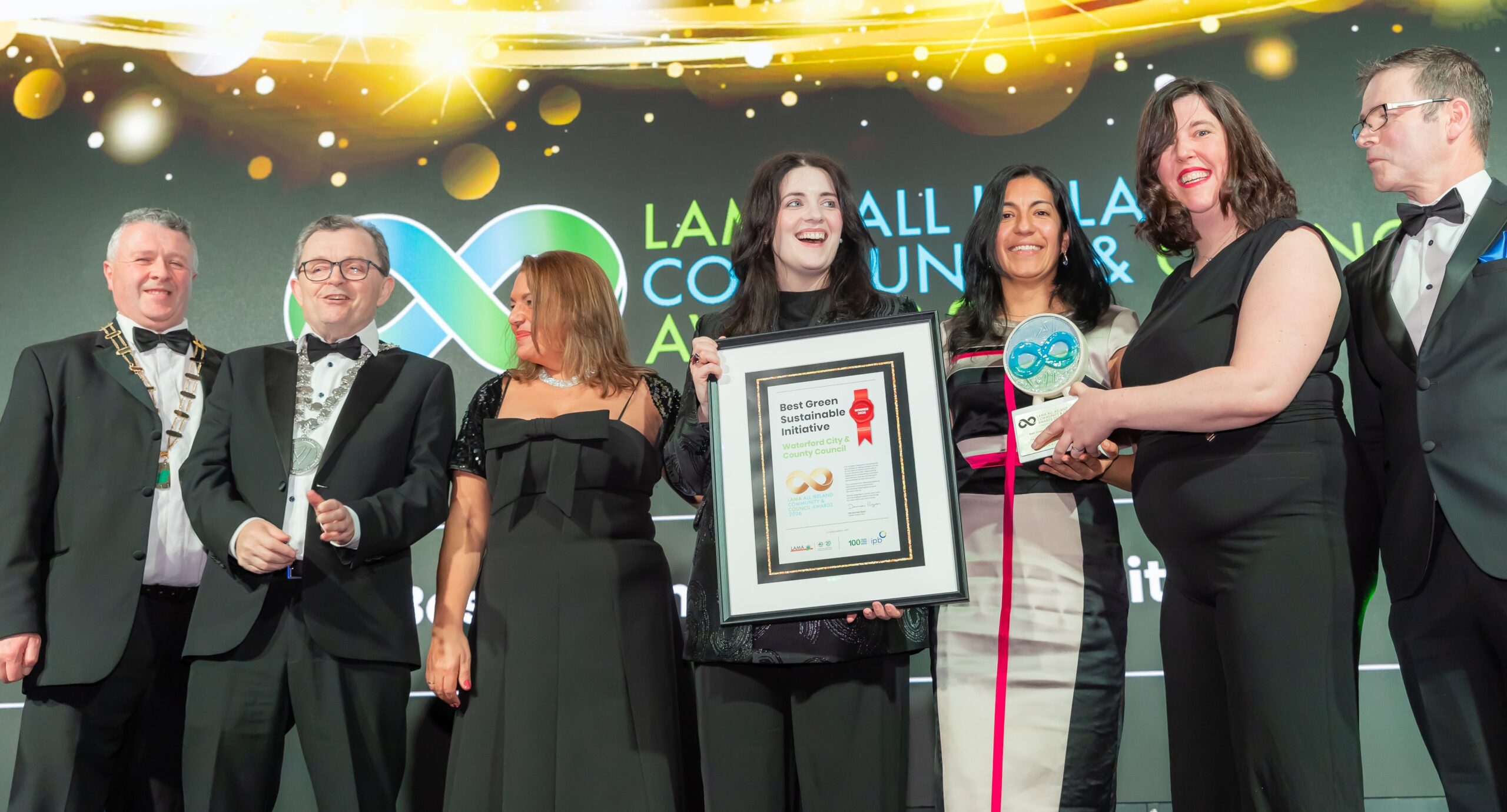
• Waterford City and County Council won an award for Best Green Sustainable Initiative – shown above.

The winners are:

In addition to these winners, a Grand Prix Award went to Dun Laoghaire-Rathdown County Council and a Lifetime Achievement Award was presented to Tom Dowling. Tom served as CEO of Meath County Council and Carlow County Council and is the founder and chair of Co-operation Ireland’s Pride of Place Awards, established in 2003.

Skibbereen men now UNDENIABLY fitter, tougher and talking!

0

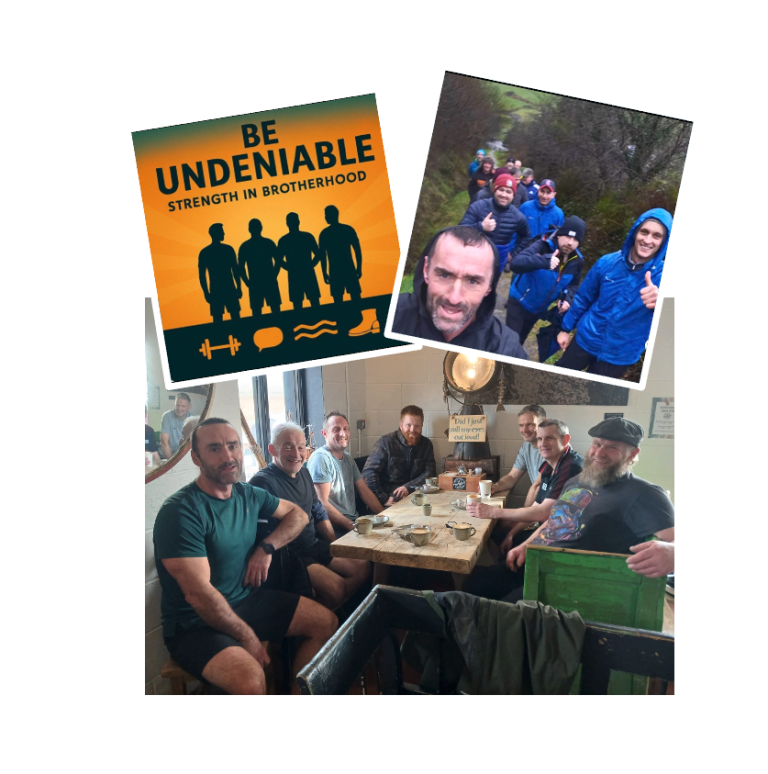
Skibbereen native Andrew Desmond made an incredible comeback after stumbling in life and now he leads a local movement based on the idea of getting men moving. ‘Be Undeniable’ is about one simple idea: men need other men.

“Sometimes, the best way to fix a man’s head is to get him sweating first,” he says. “There was a time when men were tired for the right reasons. You worked. You moved. You sweated. You met other men without planning it weeks in advance. Life was hard but it made sense.”

These days, a lot of men are wrecked without ever having done anything physical.

“They are too busy. Too stressed. Always rushing. Sitting more. Sleeping worse. Carrying a bit extra weight and telling themselves it’s just how life is now. I know, because I lived that life myself,” he says.

“I’m a local man, and years ago my life went badly off track. Addiction and gambling took hold. Confidence disappeared. Purpose went with it. I wasn’t present, not for myself or anyone else.

“What brought me back wasn’t talk. It was doing hard things again. Getting up early. Moving my body. Training. Sweating. Showing up when it would’ve been easier not to.

“Physical fitness gave me my confidence back. Not overnight but day by day. As my body got stronger, so did my head. I stopped drifting. I started standing up straight again.

“Over time, that discipline led me into competitive fitness, and eventually I found myself fitter at 50 than I had ever been before, even winning my age category at national level. I don’t say that to boast. I say it because it proves something important: Men don’t fall apart because they’re weak. They fall apart because they stop doing the things that keep them strong,” he says.

Around the same time as that Andrew was changing his life around, he noticed something else:

“Men were lonely, not in a dramatic way, but in a quiet, dangerous way. Too busy to meet. Too tired to play. Too proud to say they missed having other men around.”

So, with all this in mind he started a small group in Skibbereen.

What ‘Be Undeniable’ do:

  • A weekly men’s circle focused on real conversation and connection.
  • Three early morning workouts each week.
  • A run club and breakfast club every Saturday.
  • Hikes every second Sunday, with larger mountain hikes planned quarterly.
  • Weekly sea dip and sauna sessions.
  • An online community where men stay connected between events.
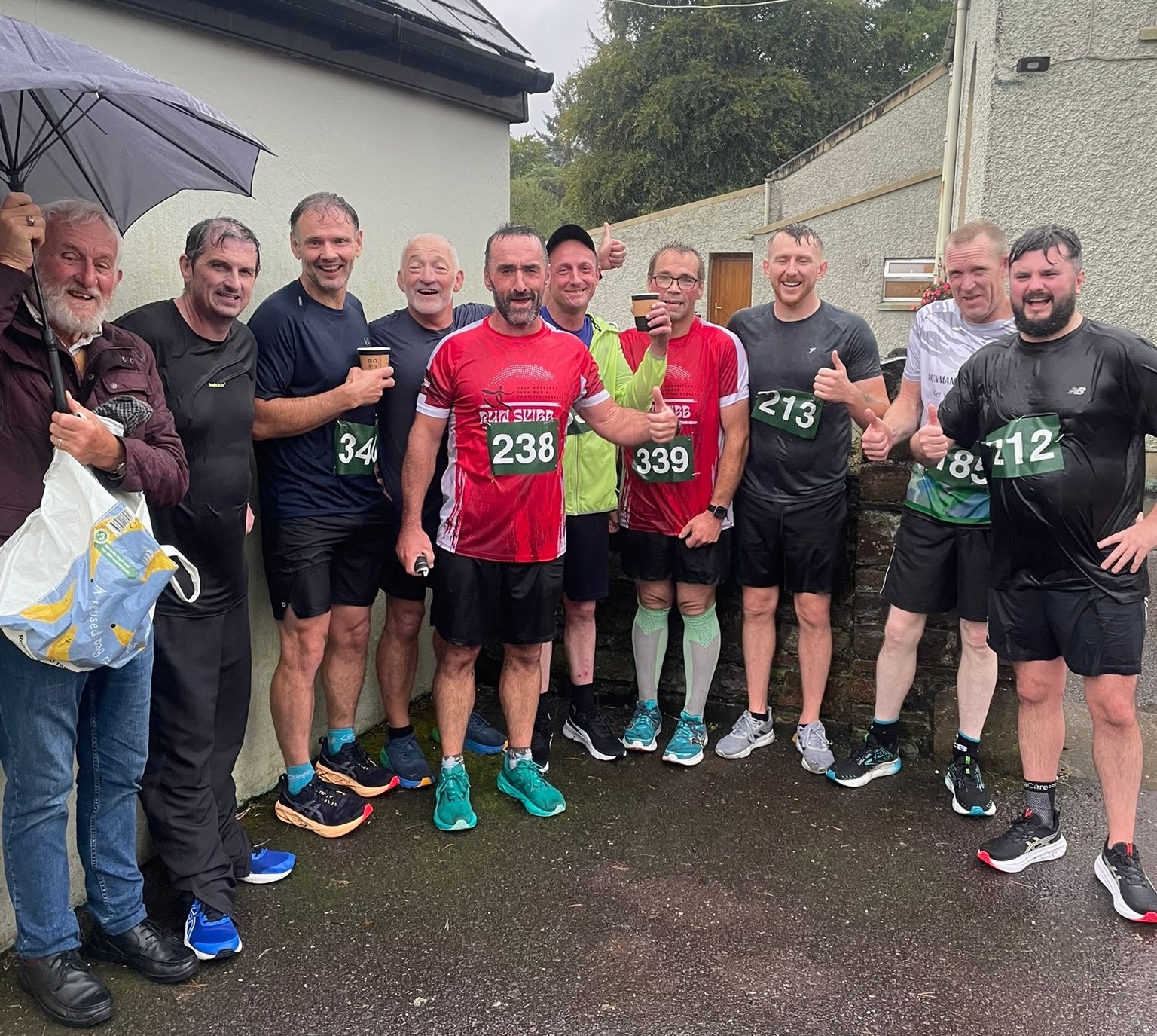
• A drop of rain does not stop the ‘Be Undeniable’ group from going for a run.

“We have early morning workouts. We go for walks. Coffee after. Men talking while moving, not sitting across from each other analysing life.

“What happened surprised me. Farmers. Tradesmen. Fathers. Business owners. Men who looked like they had it together but who admitted they’d let themselves go, stopped playing, stopped pushing themselves.

“We weren’t there for a chat. We were there to raise the bar. That’s what the men’s circle became: not a support group, but a place of standards. A place where men move their bodies, challenge themselves, and hold each other to account while still having the craic.

“Some weeks are tough. Some weeks are full of laughter. But every week, men leave better than they arrived.

“Alongside that, an online community has grown – not as a place to complain, but as a base for action. Men organising meet-ups, setting challenges, encouraging each other to follow through.”

Andrew concludes, “This isn’t about going back to the past or blaming modern life. It’s about remembering something we’ve lost. Men were never meant to sit still all day. They were meant to move, to build, to work hard, to rest well, and to have other men around them.”

The Skibbereen group provides proof that when men are given structure, challenge, and connection, they don’t shy away.
So onwards and upwards for ‘Be Undeniable’. It’s making a remarkable difference to many men’s lives, of all ages, in West Cork and they have plans to go nationwide.

Andrew welcomes queries on how to set up a ‘Be Undeniable’ group in your area and how to inform others with a genuine interest in forming one for men of all ages, run by men, in your community.

E: andrewdesmond3@gmail.com

M: 087-955 3955.

W: beundeniable.online/

You can get a good idea of the group’s activities on Andrew’s Facebook page: facebook.com/andrew.desmond.7


Colourful launch by Southside Partnership of their new strategic plan

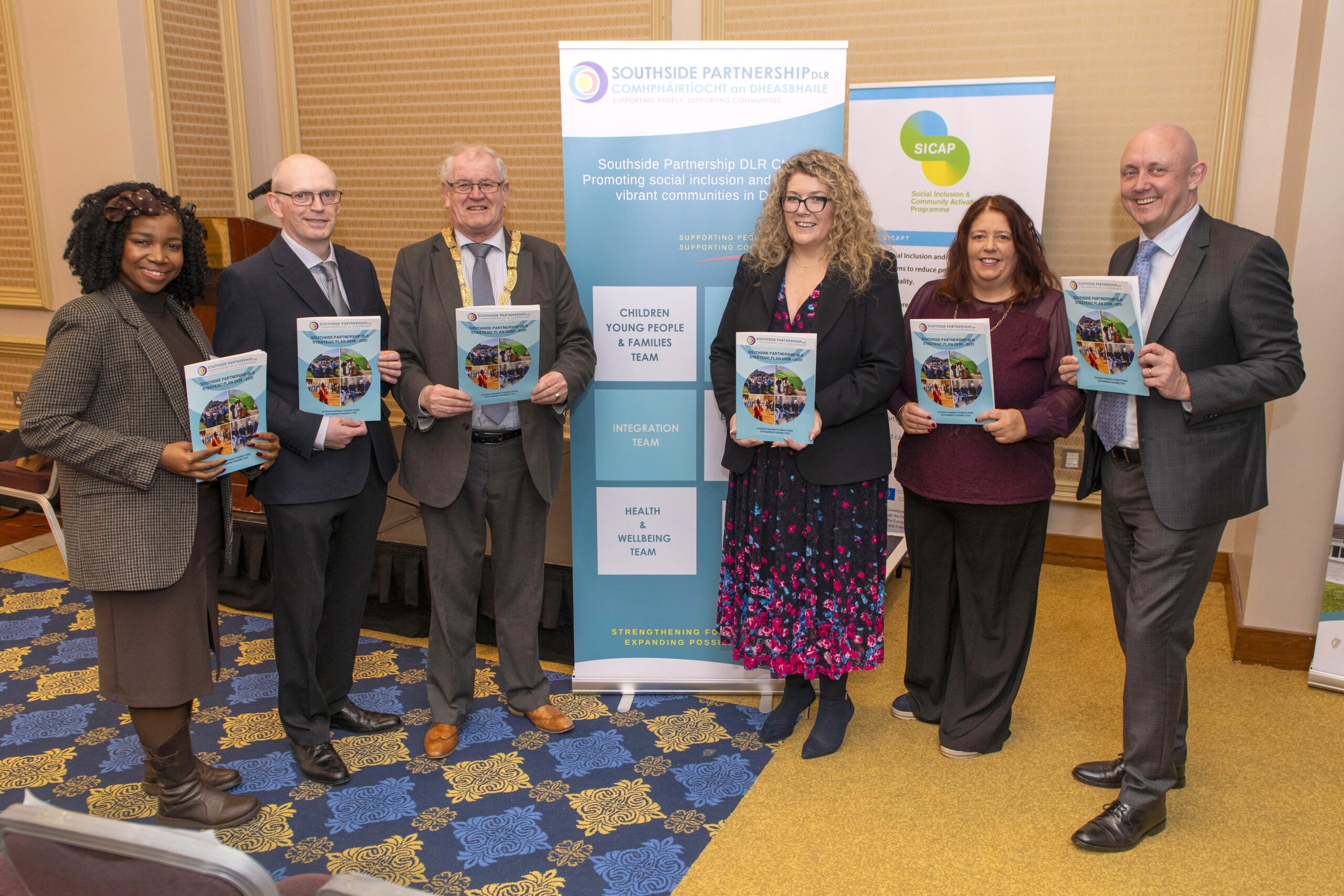
The plan itself sets out an ambitious strategic vision that can also respond to emerging needs as they arise. It was formally launched by An Cathaoirleach, Cllr. Jim Gildea, with the event drawing a large attendance from stakeholders in the area.

“The plan is focused on building resilient, inclusive, sustainable and thriving communities across Dún Laoghaire Rathdown,” said the organisation in a statement.

Speaking after the launch Sinéad Sherwin, CEO, said, “After almost 30-years of working in partnership with local communities and key strategic partners to develop collaborative responses promoting social inclusion, our new strategic plan clearly represents our commitment to empowering those individuals and communities we care most about.”

• Pictured (l to r): Gogontle Morula, Finance Manager, Southside Partnership; Finn McGuirk, Enterprise and Employment Programme Manager, Southside Partnership; An Cathaoirleach Cllr. Jim Gildea; Sinéad Sherwin, CEO Southside Partnership; Sandra King, Social Inclusion Manager, Southside Partnership; Alan Wyley, chairperson of Southside Partnership. Photo: Dave Keegan Photography.

The plan outlines key priorities for the coming years, including:

  • Investing in evidence-informed early interventions for children, young people and families.
  • Placing a greater emphasis on arts and culture as a method for deepening community cohesion and participation.
  • Expanding employment, training, enterprise and social enterprise supports.
  • Embedding a culture of sustainability into the heart of the work, ensuring programmes and services actively support long-term well-being, resource stewardship, and equitable opportunity.
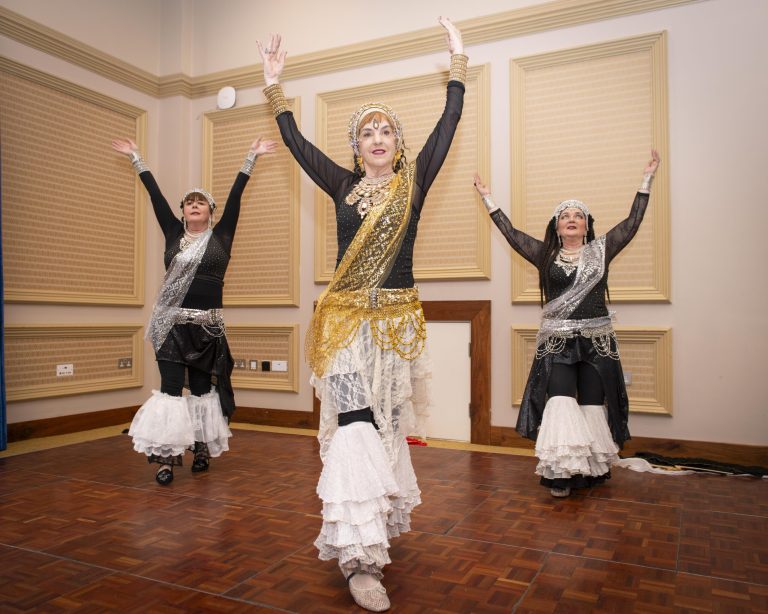
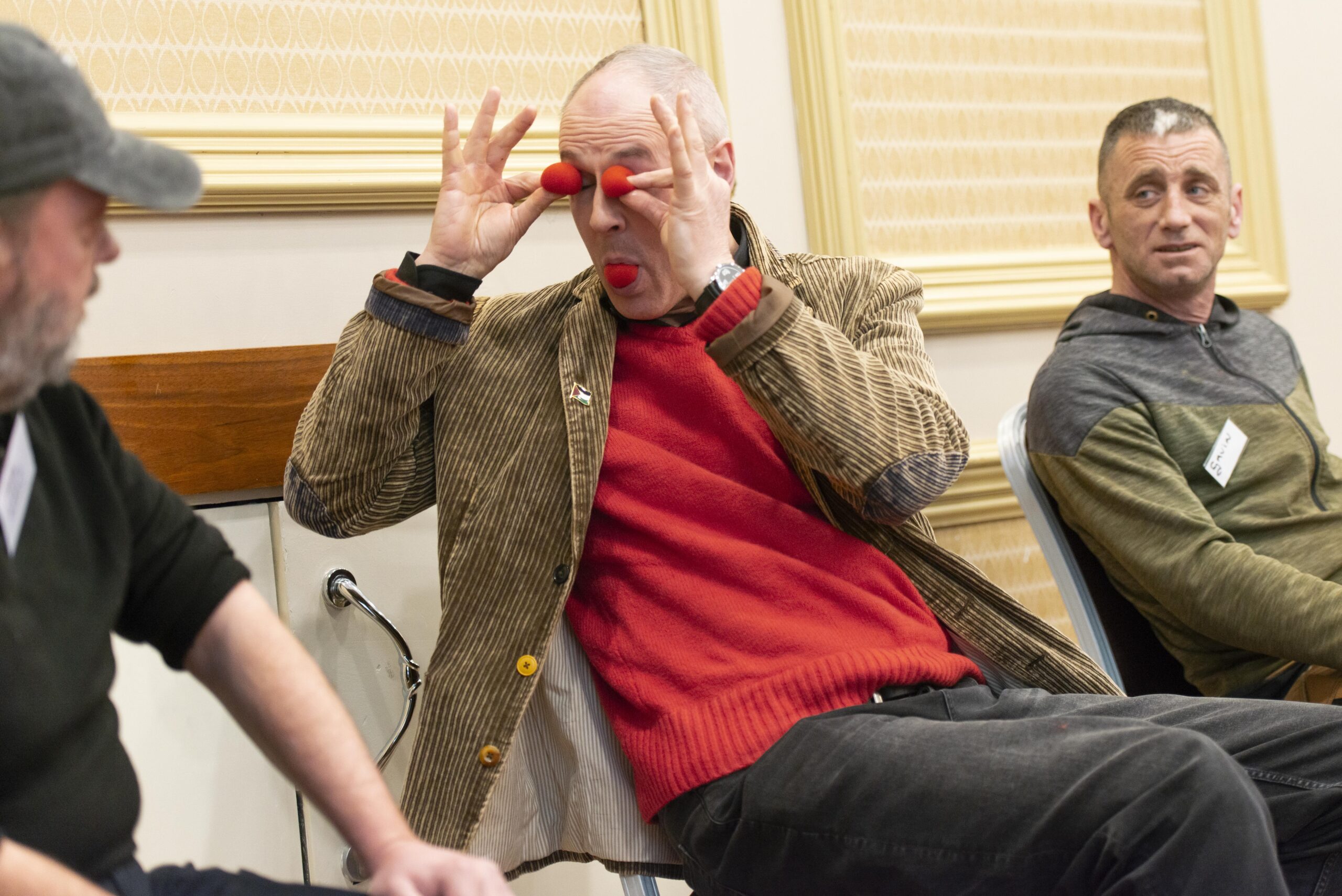
• Entertainers from LBS (Loughlinstown, Ballybrack and Shanganagh) Men’s Shed at Southside Partnership’s launch of their Strategic Plan. Photo: Dave Keegan.

Southside Partnership’s work is funded through the Social Inclusion and Community Activation Programme (SICAP) 2024–2028, as well as Community Employment and Tús Schemes supported by the Department of Social Protection. It also manages a number of projects financed through the HSE, Tusla, local government and philanthropy.

The Partnership works through collaboration, advocacy, and responsive, person-centred programmes, with and within local communities, to advance social, cultural and economic inclusion, strengthen local resilience, and create pathways for people to realise their potential.

At the launch the organisation highlighted its commitment to transparent implementation, delivering person-centred supports that empower local groups, strengthen partnerships, and invest in its people and systems to ensure long-term sustainability.

The plan can be downloaded from: www.southsidepartnership.ie

Comprehensive OECD report all about rural Ireland published

The 277-page review, published on February 16, is titled ‘Rural Policy Review of Ireland 2026’ and it assesses trends, challenges, policy options and opportunities. It will now be “fully considered” says the government in relation to ongoing work on the successor policy to Our Rural Future. This will cover the period from this year to 2031.

Responding to questions in the Dail in early February, Minister Dara Calleary said he was “intent on having the new Our Rural Future published ahead of the summer”.

He said, “The new policy will build not just on the progress already achieved but will set out a renewed vision for the whole-of-government approach to rural development for the years ahead.”

As well as contracting the OECD to provide insight, his department also engaged with thousands of stakeholders through public consultations, meetings and online engagement.

The OECD’s research took a “rural wellbeing framework” approach and it makes many recommendations, including for improved use of rural intelligence, broadening of support for rural enterprises and enabling delivery of essential services in rural areas.

The report highlights positives about rural society here as well as naming challenges. It says:

“Ireland’s rural areas are central to the country’s economy, society and territorial identity. Compared with many OECD countries, they show strong economic performance and relatively favourable demographic trends, particularly in regions with good access to urban labour markets. Yet, persistent spatial disparities between urban and more remote rural areas create distinct policy challenges.”

The Review praises Ireland’s policy structures: “Ireland has built one of the OECD’s most sophisticated rural policy frameworks and has a unique whole-of-government approach that maintains visibility on rural impacts across all departments in Ireland,” it states.

The document is now available for download from the OECD’s website at this link. Or you can read a summary here.