
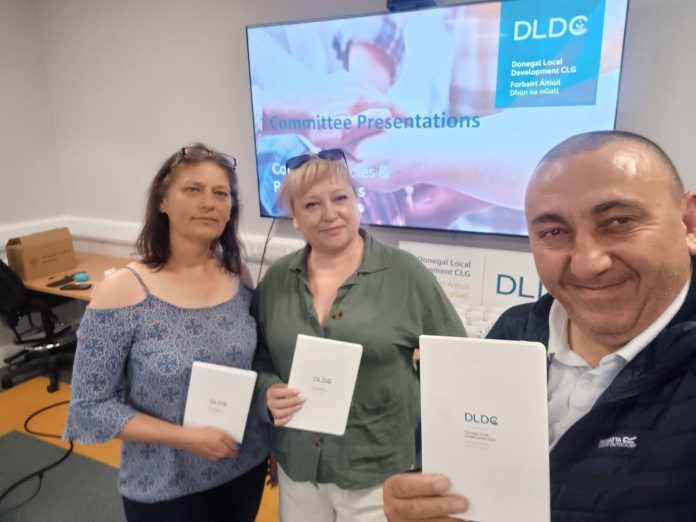
“We have a community organisation here, the Life Development Group. We established it in 2024 as an integration programme for the Ukrainian community. Now we work with new communities – that means we work not only with Ukrainians, but with other groups also. Our goal is to involve our volunteers in local community life. We work with other community organisations when they ask us for help,” he said.
“Our voluntary activities are mostly music and sport. For example, if Inishowen needs someone to help for a music festival or something we will help. The Council or another organisation might say, for example, that they need five musicians tomorrow or next week, to play for a couple of hours – and we’re happy to provide them.
“And if a community group wants help, or if a charity shop needs help, or the Men’s Shed or Women’s Shed, we will help,” he adds.
Trauma and separation
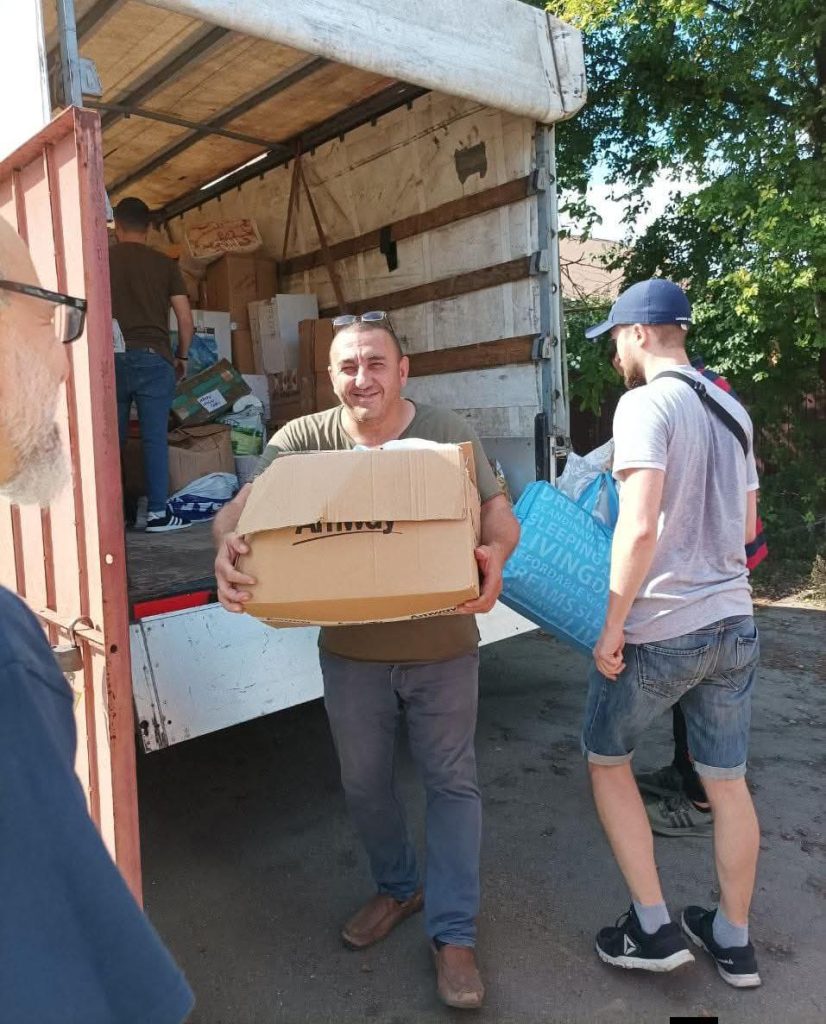
Back in Ukraine he was a volunteer driver delivering food, medication and supplies across the country and bringing people from particularly dangerous locations to relative safety.
Armen suffered a series of conflict-related health issues during the first eighteen months of the war and like so many others left his home.
“The doctors said, ‘You’re done with this war. Go and be reunited with your children in Dublin’. Then the immigration services said they can’t give me a place with my family, it’s women and children that are living there. They said I had to go to Donegal,” he reflects.
Rules can be cruel on families.
One of the things he brought to Ireland was his commitment to community, and from the day he arrived in Donegal he was looking to help, despite the suffering his body had been through.
“I have problems with my vision, with my hips, my back, my knees. But anyhow I can walk, I can drive a car, and I am helping families and children who need it. I’m trying to be a volunteer translator. I’m not a very good translator, and I’m not paid for it, I do it for free,” he said.
The winding down of accommodation supports for Ukrainians is providing a new challenge for thousands of people, many of whom have already been deeply traumatised as a result of Putin’s invasion.
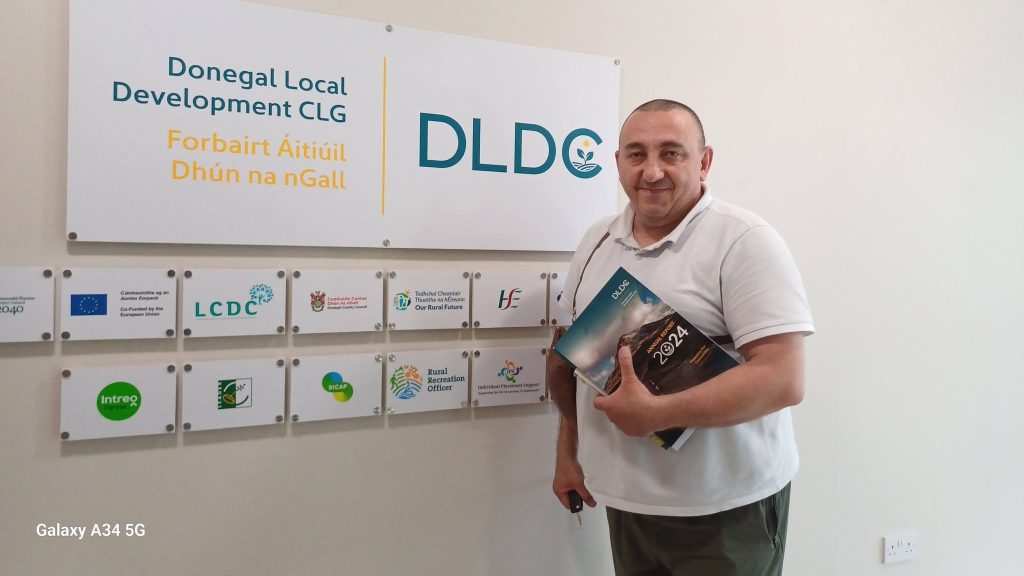
Armen said that there is a good deal of confusion among the community around their next steps.
“Most Ukrainians are confused and they don’t know what to do first of all. They don’t know where to go. They don’t have a place to live in Ukraine anymore – many cities, towns and villages have been destroyed.
“Secondly, Russia is still attacking, it’s very easy to die. If they do have an apartment or a house they are afraid to return. Our buildings often have hundreds of apartments and if a rocket hits the middle of a building many people can die.
“Also it is a very difficult time for the Ukrainian economy. People have lost the social connections that they did have and when they return it’ll be a totally new country for them.”
Departures and struggles
He expects that many will leave, perhaps going to other Eastern European countries, while those who are fit and healthy will be able to work in Ireland and remain.
He said that right now many Ukrainians are already struggling financially, on top of the other horrors the war has visited upon their families.
“We have a family, a mother with three children – her husband was in the military, but he died two years ago. She is in an accommodation programme and she is also paying extra to the landlord in cash. She doesn’t have enough to live on, she goes to a food bank. Once a week she gets a food basket and she says that is all that allows her to survive. Her rent is actually much more than the accommodation programme gives her.”
In general, he feels that European governments need to adjust the emergency programmes that came into being in the early months of the war.
“I think governments in Europe know they need new programmes and we will see them in 2026 and 2027,” he said.
The Ukrainian community bring benefits to Ireland, providing a supply of workers while the population boost has been very welcome in many rural areas. However, as Armen said, supports around housing and language are essential.
He believes that new communities need to be supported to fully understand Irish ways and culture.
“We need to teach more about Irish culture, so there is more understanding in new communities. I don’t want to bring my own culture here, I want to receive local culture. I’m a guest, I can show my culture a little, but I don’t want to change local traditions. Local life has to be the same as before us. That’s my philosophy,” he said.


